Artwork
The Dance after the Husking
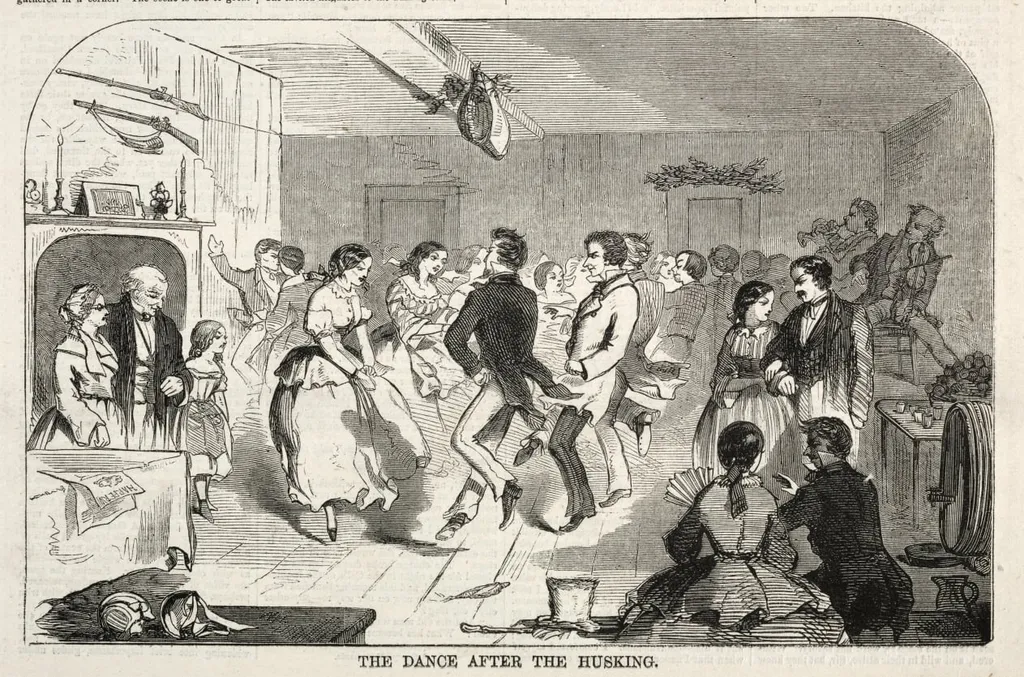
The Dance after the Husking is a print by the Impressionist artist Winslow Homer. It dates from 1858 and is held in the collection of the Cleveland Museum of Art.
About this work
Overview
Created in 1858, *The Dance after the Husking* is an early work by Winslow Homer, made during his formative years as a visual chronicler of American life.
Created in 1858, *The Dance after the Husking* is an early work by Winslow Homer, made during his formative years as a visual chronicler of American life. Executed as a pencil sketch, it captures a moment of communal celebration in a rural New England setting. This piece predates Homer’s later focus on marine subjects and reflects his initial interest in everyday social rituals among working-class communities.
Subject & Meaning
The scene portrays a post-harvest gathering, likely following the labor-intensive process of husking corn. Figures are shown dancing, conversing, and resting, suggesting a rare moment of rest and camaraderie after seasonal toil. The presence of a man reading a newspaper and objects like a birdcage and clock implies a modest domestic space transformed temporarily into a venue of shared joy, hinting at the quiet dignity of rural life.
Technique & Style
Homer rendered the scene with loose, energetic pencil lines that convey motion and spontaneity. The composition is densely populated yet uncluttered, with figures arranged to suggest natural interaction rather than staged formality. Shading is minimal, relying on line weight and placement to define space and volume. The immediacy of the draftsmanship reflects Homer’s background in illustration and his ability to capture fleeting moments with clarity.
History & Provenance
This sketch emerged during Homer’s early career, before he gained recognition as a fine artist. It was likely produced for publication in a periodical, as many of his genre scenes were at the time. The work remained in private hands for much of the 20th century before entering a public collection. Its survival offers insight into Homer’s transition from commercial illustrator to serious observer of American social life.
Context
In the late 1850s, American art increasingly turned to scenes of ordinary life as a reflection of national identity. Homer’s depiction of rural celebration aligns with broader cultural interests in regional customs and the moral value of labor. Unlike idealized European genre painting, his work avoids sentimentality, presenting community life with unembellished observation, grounded in the realities of agricultural existence.
Legacy
Though overshadowed by Homer’s later seascapes, *The Dance after the Husking* remains a significant record of his artistic evolution. It demonstrates his early commitment to documenting the rhythms of American life with empathy and precision. The sketch informs understanding of how his illustrative roots shaped his mature style, particularly his attention to gesture, light, and the quiet narratives of everyday people.
Artist & collection
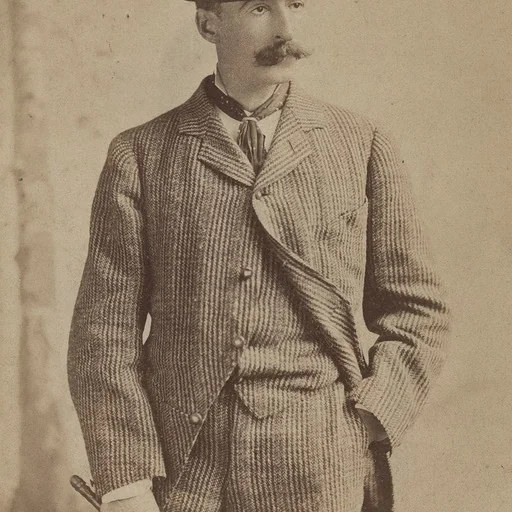
Artist
Winslow Homer (February 24, 1836 – September 29, 1910) was an American landscape painter and illustrator, best known for his marine subjects.

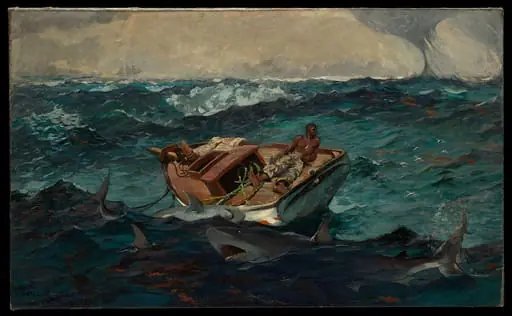
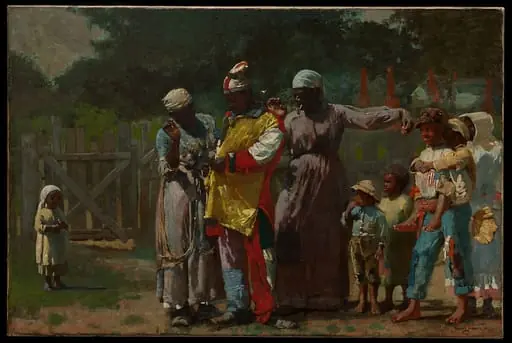
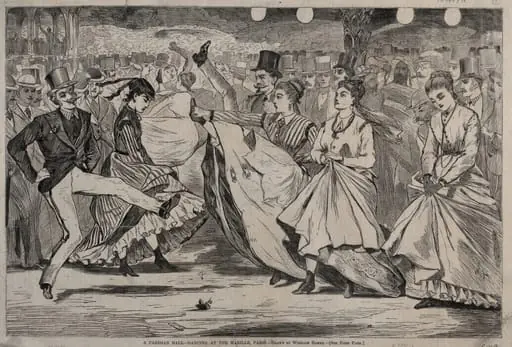 A Parisian Ball - Dancing at the Mabille, Paris
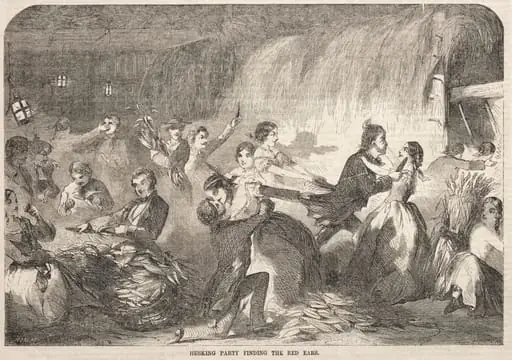 Husking Party Finding the Red Ears
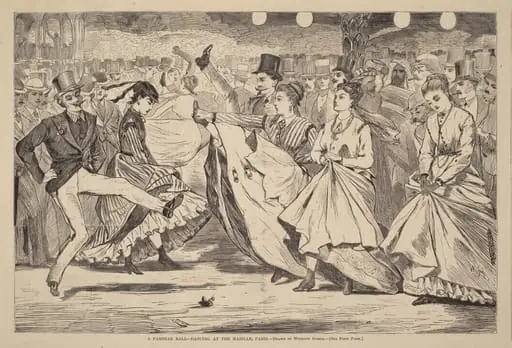 A Parisian Ball - Dancing at the Mabille, Paris
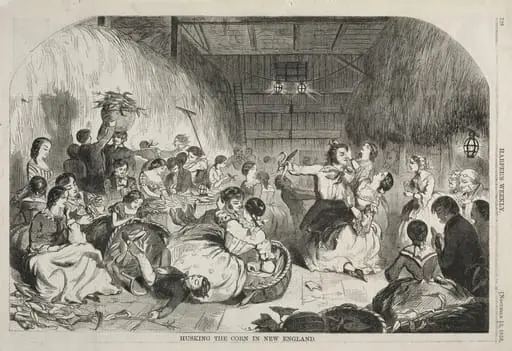 Husking the Corn in New England
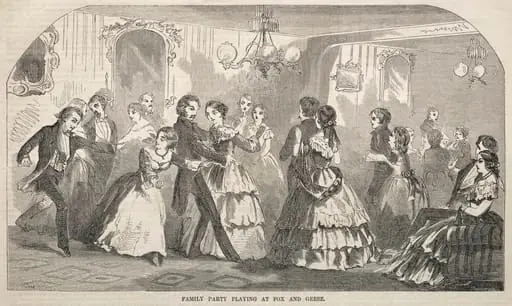 Family Party Playing at Fox and Geese
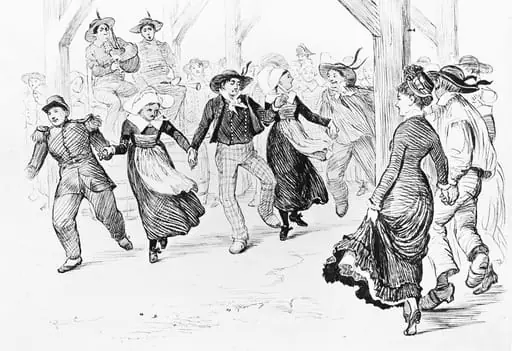 Breton Folk
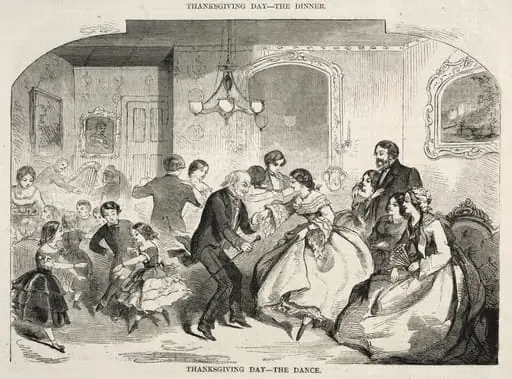 Thanksgiving Day - The Dance
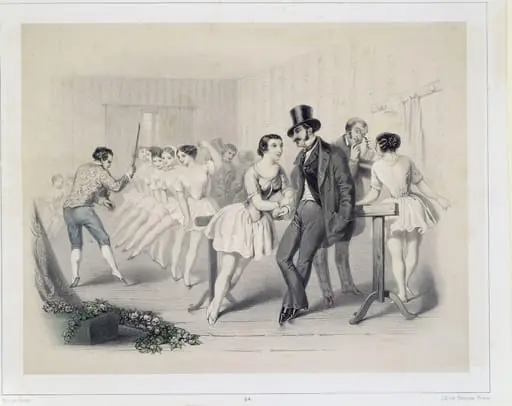 Print Collection
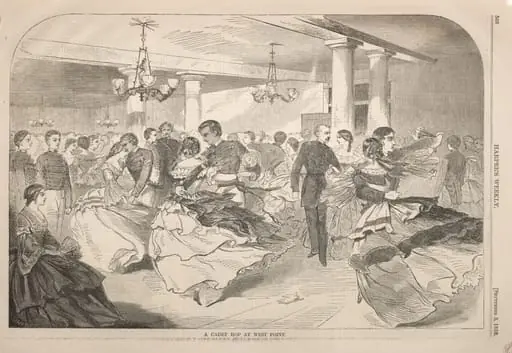 A Cadet Hop at West Point
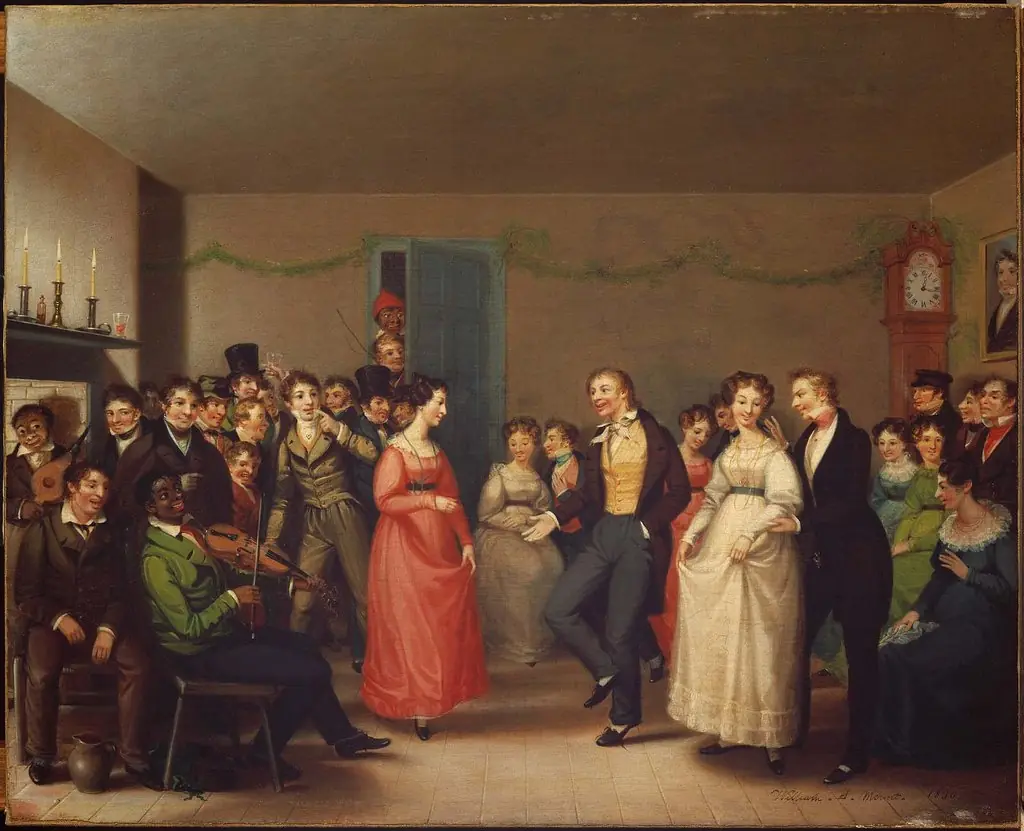 Rustic Dance After a Sleigh Ride