Artwork
Husking the Corn in New England
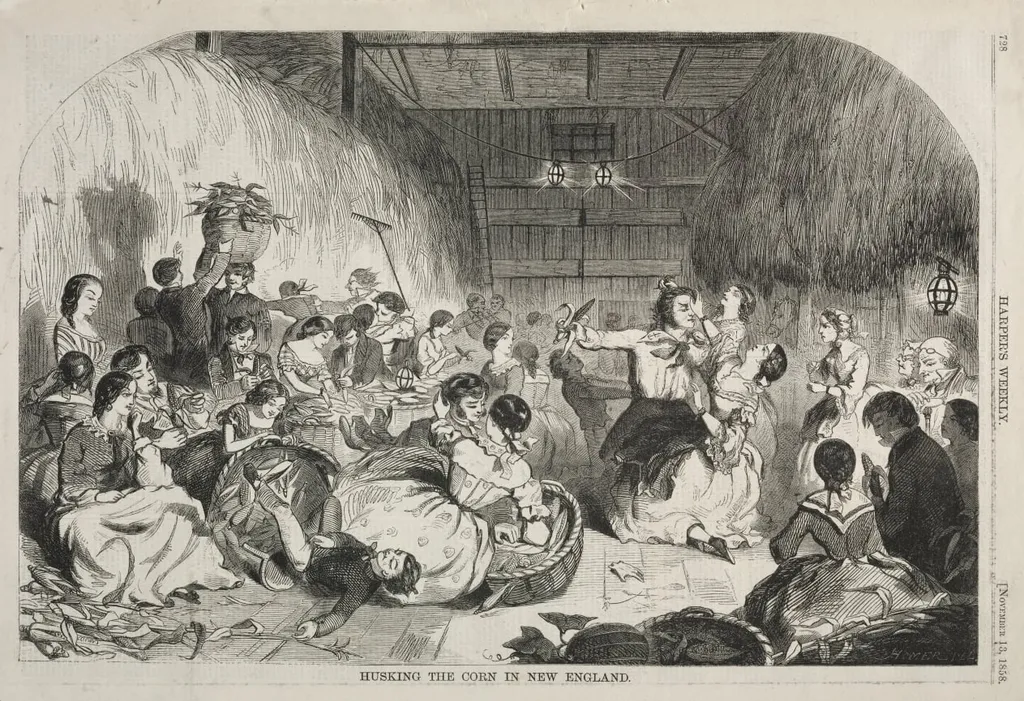
Husking the Corn in New England is a print by the Impressionist artist Winslow Homer. It dates from 1858 and is held in the collection of the Cleveland Museum of Art.
About this work
Overview
Created in 1858, *Husking the Corn in New England* is an early work by Winslow Homer, made during his transition from commercial illustration to fine art.
Created in 1858, *Husking the Corn in New England* is an early work by Winslow Homer, made during his transition from commercial illustration to fine art. The piece captures a moment of communal labor in a rural New England barn, reflecting Homer’s interest in documenting ordinary American life. Though later known for marine scenes, this drawing reveals his foundational focus on social observation and quiet domesticity.
Subject & Meaning
The scene depicts a group of men, women, and children engaged in the seasonal task of removing corn husks. Figures are arranged in varied postures—some focused on work, others conversing or playing—suggesting both the routine and the social rhythm of farm life. The inclusion of children hints at the intergenerational transmission of labor, grounding the image in the realities of 19th-century rural communities rather than idealized pastoralism.
Technique & Style
Rendered in pencil and watercolor, the composition uses dense, overlapping figures to convey spatial compression and activity. Light filters through high windows, casting soft pools that define the barn’s interior without artificial drama. Homer’s loose, observational line work avoids sentimentality, favoring clarity and immediacy. The lack of idealized forms aligns with emerging realist tendencies in American art of the period.
History & Provenance
The work entered the collection of The Cleveland Museum of Art in the 20th century, following its creation during Homer’s early career. It was likely produced as a preparatory study or independent illustration, possibly for publication in a periodical. Its preservation reflects growing institutional interest in documenting American vernacular life during the post-Civil War era.
Context
In the late 1850s, American artists increasingly turned to scenes of everyday labor as national identity shifted after westward expansion and industrialization. Homer’s depiction of communal husking aligns with broader realist movements that valued authenticity over romanticism. Such images served as visual records of agrarian customs before they were displaced by mechanization and urban migration.
Legacy
Though overshadowed by Homer’s later marine paintings, this work remains a significant early example of his commitment to portraying unvarnished American life. It anticipates the social realism that would influence generations of illustrators and painters, offering a quiet but enduring testament to the dignity of collective labor in rural America.
Artist & collection
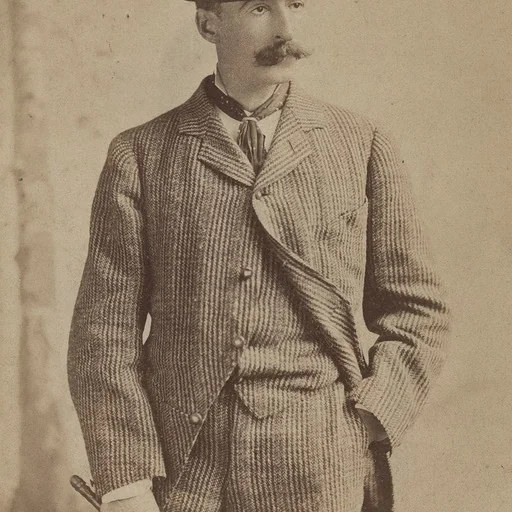
Artist
Winslow Homer (February 24, 1836 – September 29, 1910) was an American landscape painter and illustrator, best known for his marine subjects.

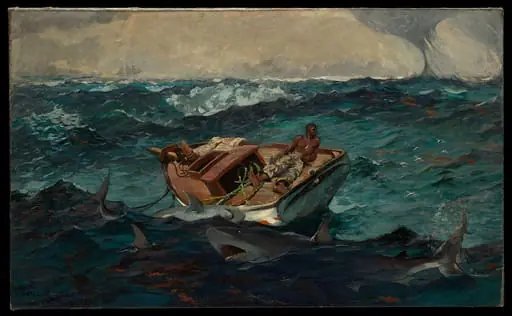
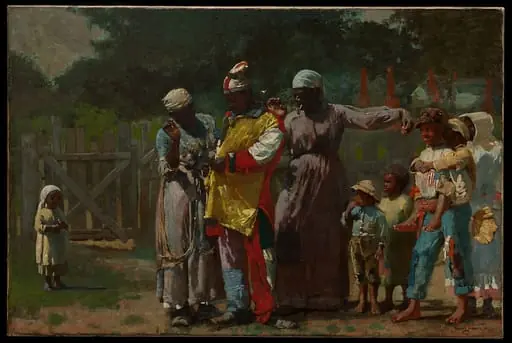
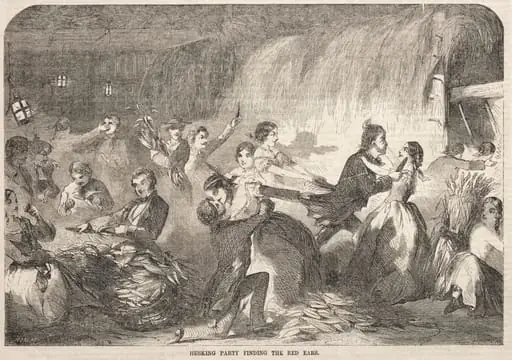 Husking Party Finding the Red Ears
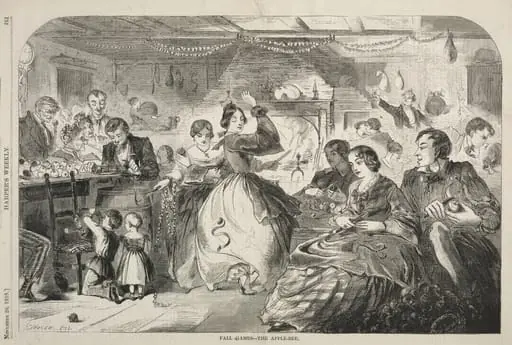 Fall Games - The Apple Bee
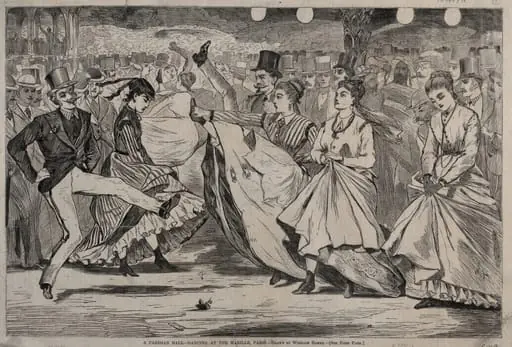 A Parisian Ball - Dancing at the Mabille, Paris
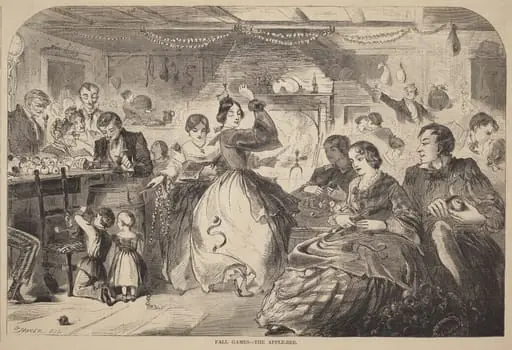 Fall Games - The Apple-Bee
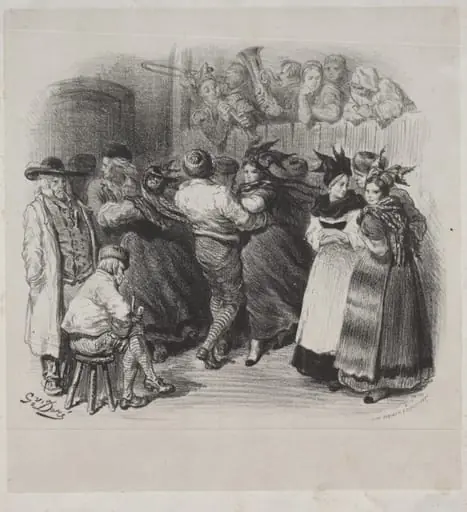 Musical Works of Ernest Doré: Souvenir of Alsace, Alsatian Dance - Title Page
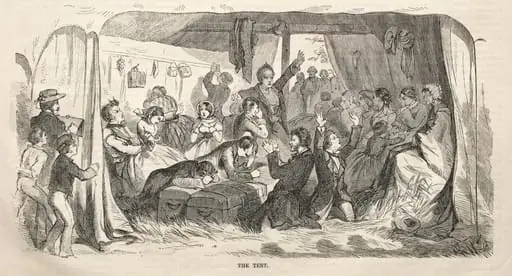 Camp Meeting Sketches: The Tent
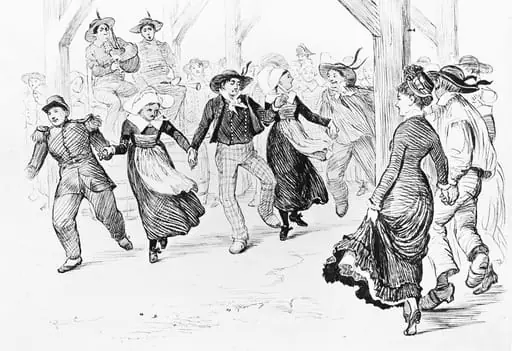 Breton Folk
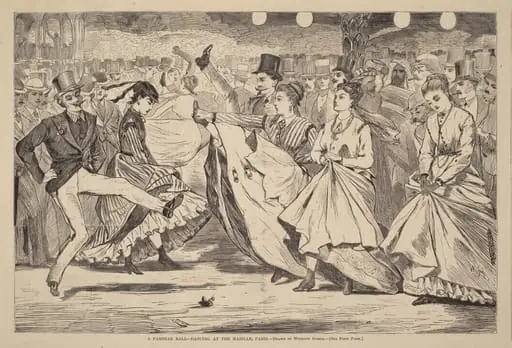 A Parisian Ball - Dancing at the Mabille, Paris
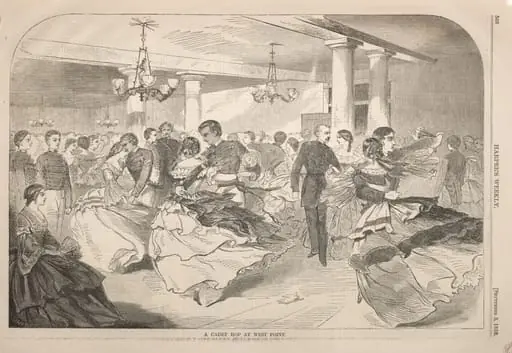 A Cadet Hop at West Point
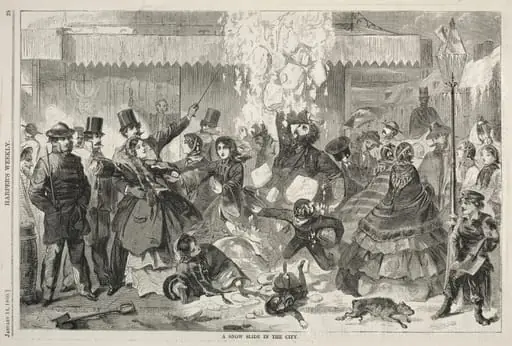 A Snow Slide in the City
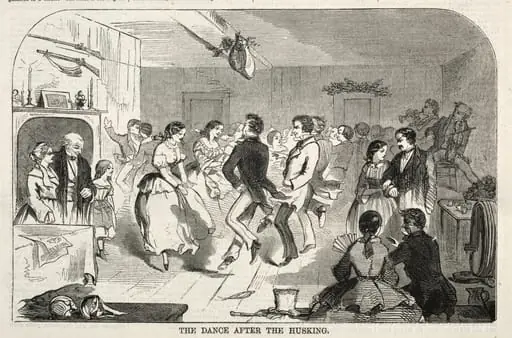 The Dance after the Husking
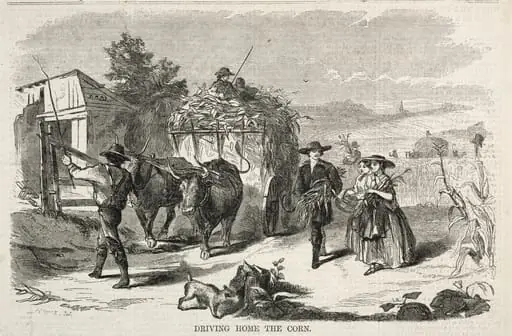 Driving Home the Corn