Artwork
The Fishing Party
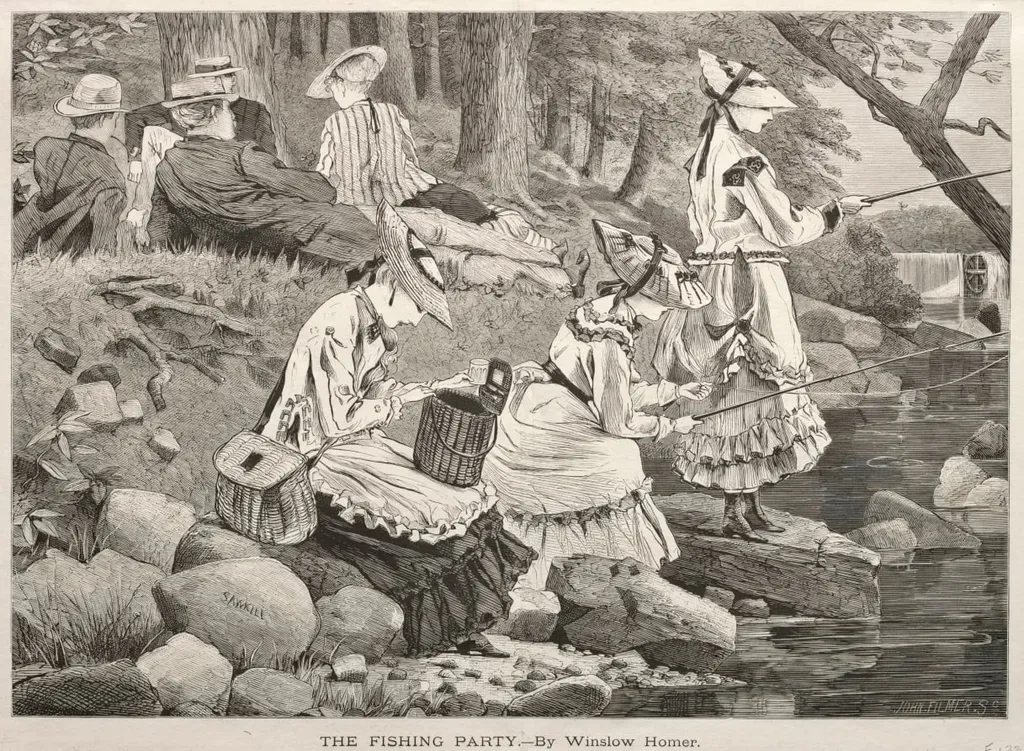
The Fishing Party is a print by the Impressionist artist Winslow Homer. It dates from 1869 and is held in the collection of the Cleveland Museum of Art.
About this work
The painting is a great example of Impressionism and Realism, and it's worth looking up more works by Winslow Homer to see how he explored these styles.
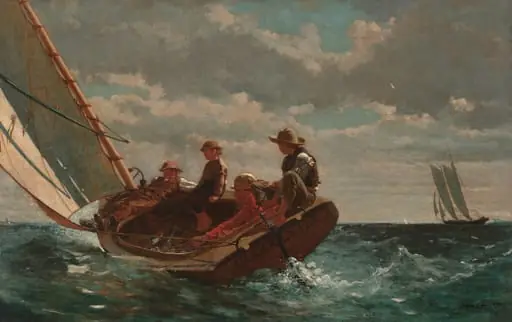
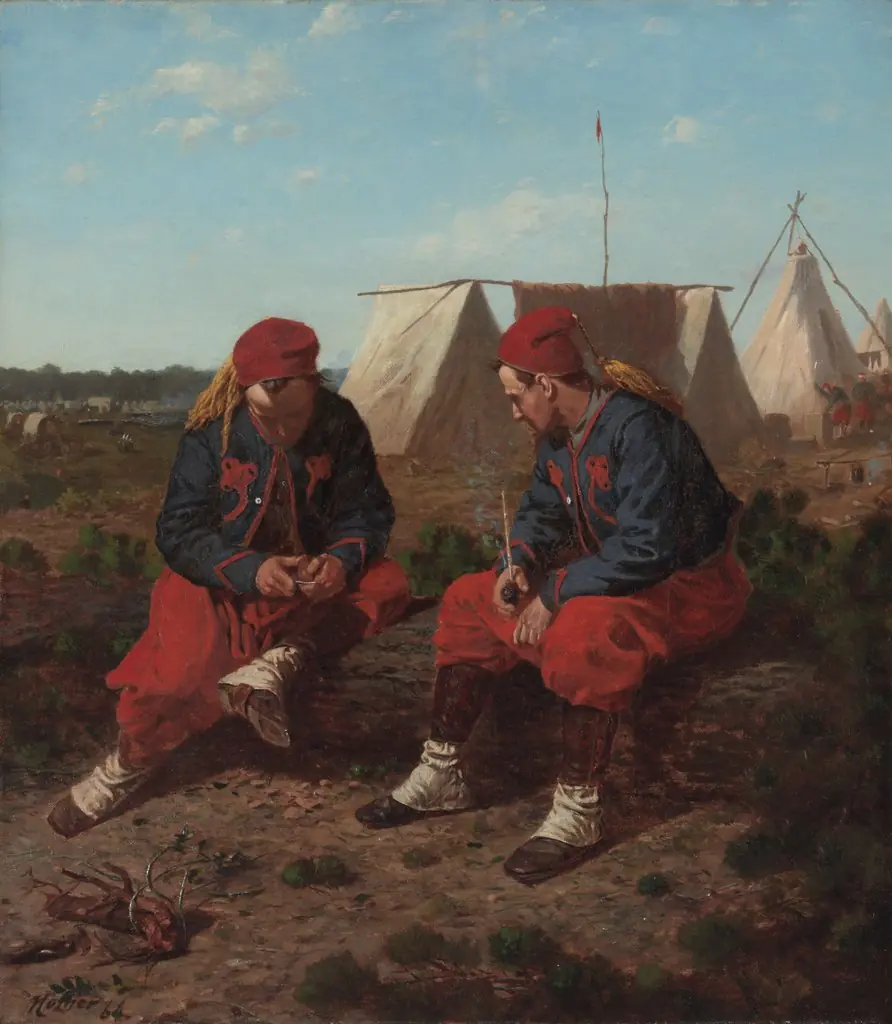
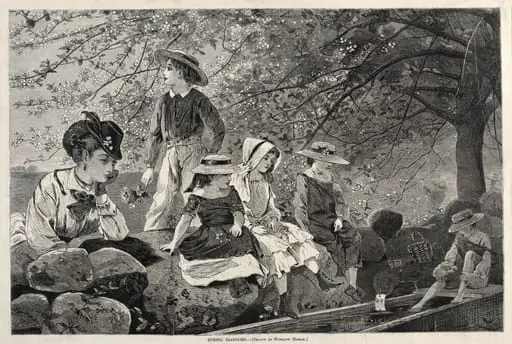
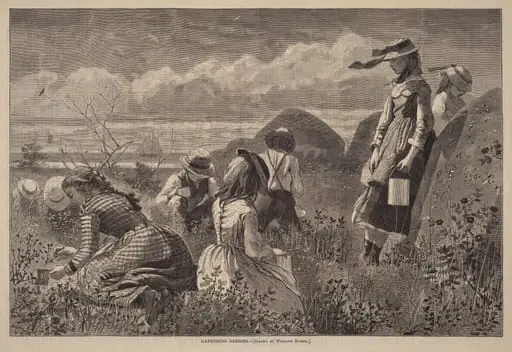
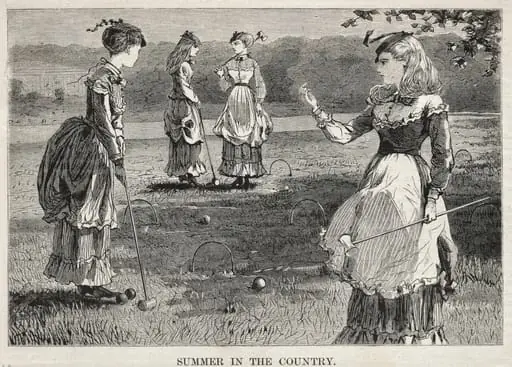
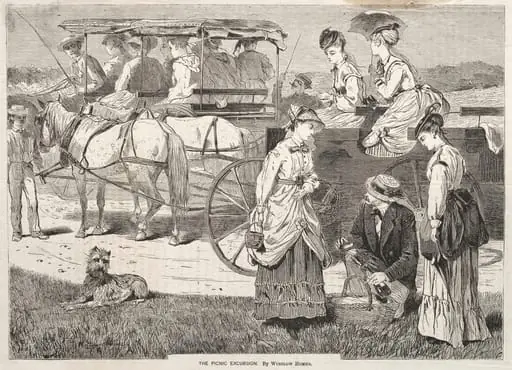
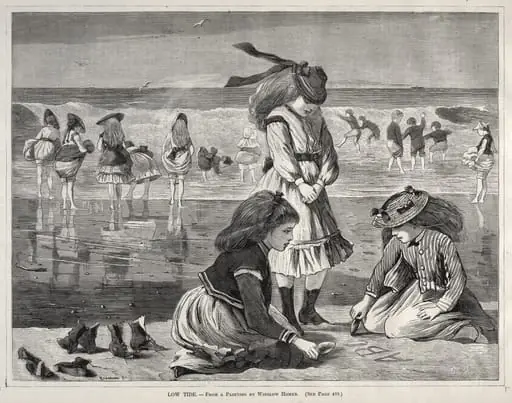
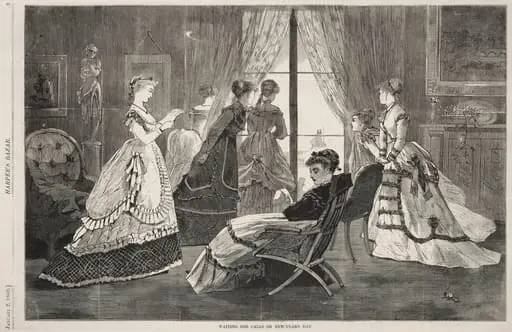
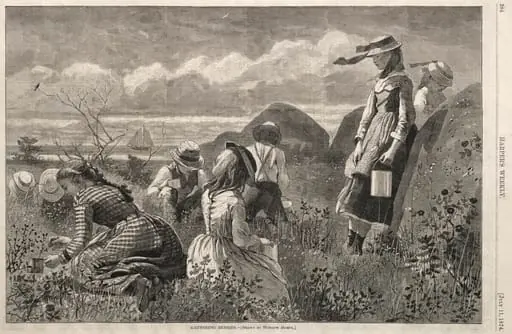
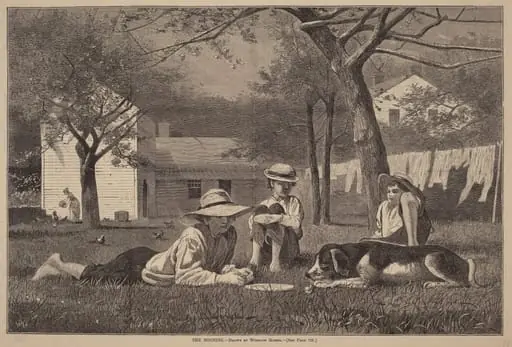
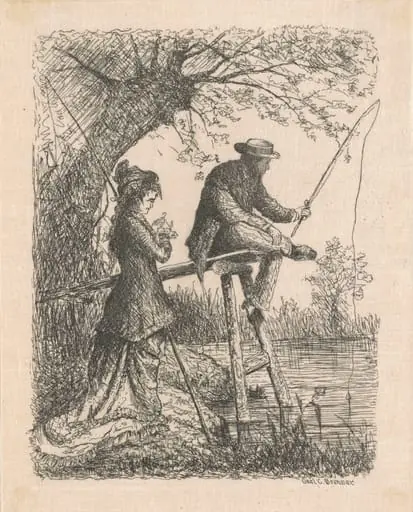
This painting shows a group of people gathered by a river, with some of them fishing. The scene is set in a wooded area, with trees and rocks surrounding the group. The people are dressed in clothing from the mid-19th century, with the women wearing long skirts and hats, and the men wearing suits and hats.
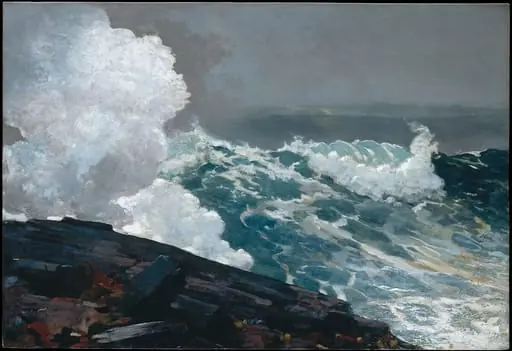
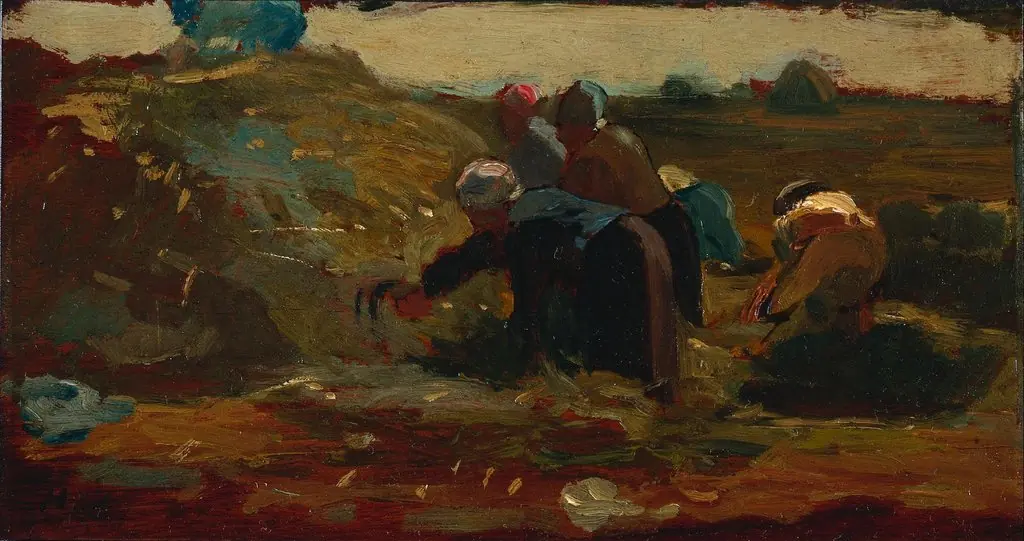
The artist has used a range of colors to depict the scene, with shades of green and brown dominating the palette. The brushstrokes are loose and expressive, giving the painting a sense of movement and energy.
The painting is a great example of Impressionism and Realism, and it's worth looking up more works by Winslow Homer to see how he explored these styles.
Overview
Created in 1869, *The Fishing Party* is a print by Winslow Homer, an American artist who transitioned from commercial illustration to fine art. The work captures a quiet moment of recreation along a wooded riverbank, reflecting Homer’s growing interest in everyday American life. Though primarily known for oil paintings, this piece belongs to his broader graphic output, illustrating his ability to convey narrative and atmosphere with economy and precision.
Subject & Meaning
The scene depicts a small group of individuals—men in suits and women in long skirts and hats—engaged in fishing beside a calm river. Surrounded by dense trees and rocky terrain, the figures are absorbed in their activity, suggesting a moment of respite from urban or industrial life. The composition avoids drama, instead emphasizing quiet companionship and the rhythm of rural leisure, characteristic of Homer’s interest in ordinary human experience.
Technique & Style
Homer employed a restrained palette of greens, browns, and muted tones to evoke the natural setting. His brushwork, though loose in places, remains controlled, balancing detail with atmospheric suggestion. The print format allowed him to explore tonal gradations and texture through ink or lithographic techniques, reflecting his training as an illustrator while moving toward the observational clarity associated with Realism and early Impressionist sensibilities.
History & Provenance
The work was produced during a formative period in Homer’s career, shortly after he began focusing on fine art following years as a magazine illustrator. It entered the collection of The Cleveland Museum of Art in the 20th century, where it remains part of a significant group of his graphic works. Its preservation reflects institutional recognition of Homer’s contributions to American printmaking and genre scenes.
Context
In the late 1860s, American artists increasingly turned to native landscapes and civilian life as subjects, moving away from European academic traditions. Homer’s focus on leisure activities like fishing aligned with broader cultural shifts toward valuing nature and domestic tranquility. This period also saw the rise of illustrated periodicals, which shaped his visual language and accessibility to a wider public.
Legacy
Though less celebrated than his later marine paintings, *The Fishing Party* exemplifies Homer’s early commitment to capturing authentic moments in the American countryside. It reveals his evolving technique and thematic concerns, laying groundwork for his mature style. The print continues to inform scholarly understanding of how illustration and fine art intersected in 19th-century American visual culture.
Artist & collection
Artist
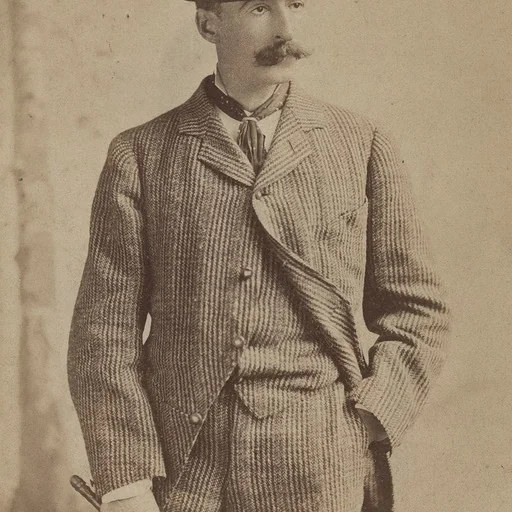
Winslow Homer (February 24, 1836 – September 29, 1910) was an American landscape painter and illustrator, best known for his marine subjects.