Artwork
Amalia, Wife of Fredierick Henry, Prince of Orange
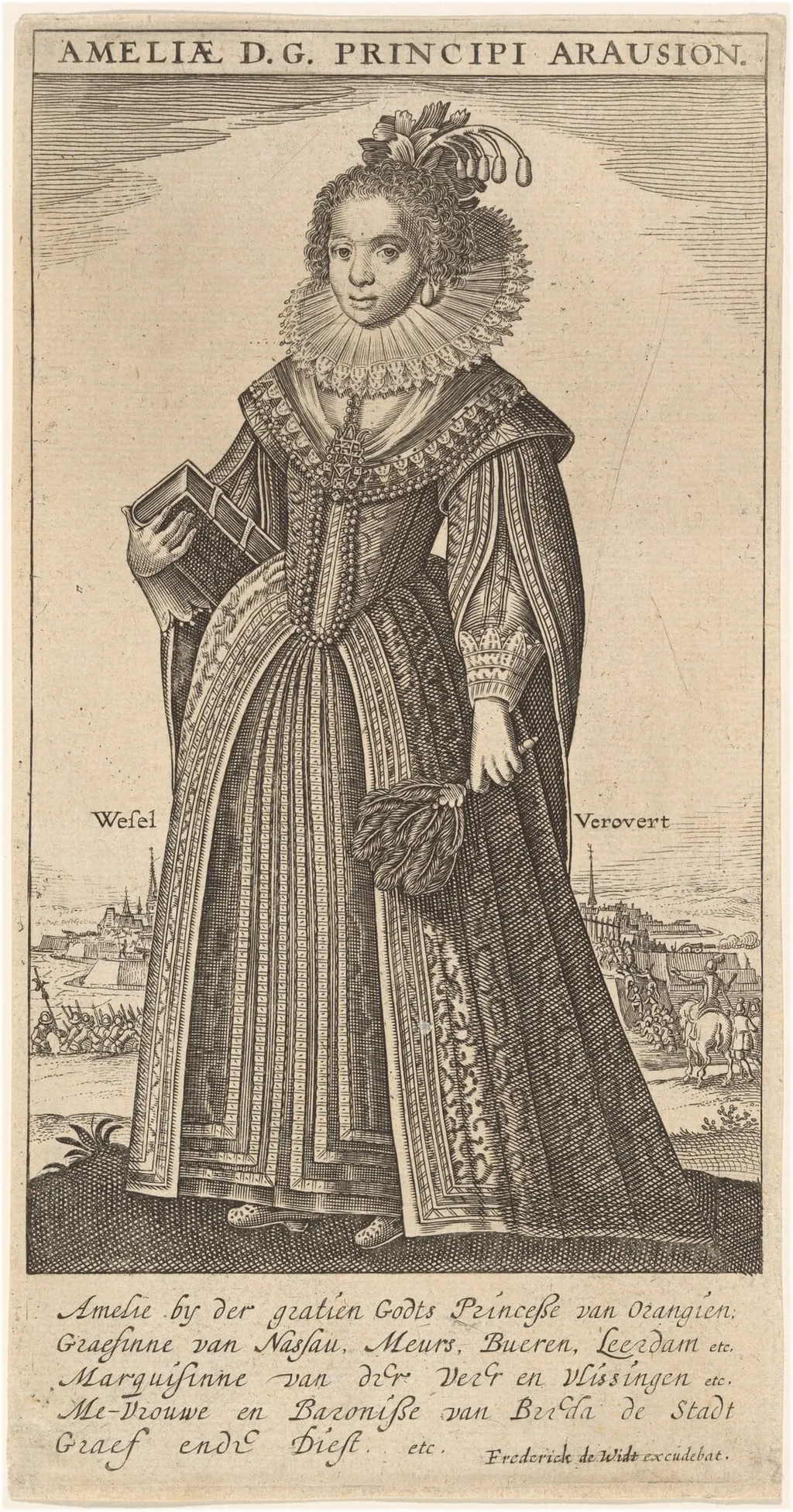
Amalia, Wife of Fredierick Henry, Prince of Orange is an ink print by the Renaissance artist Frederik de Wit. It dates from 1640 and is held in the collection of the National Gallery of Art.
About this work
Overview
The image was produced using the engraving technique, where fine lines are incised into a metal plate to create a detailed printed impression.
This 1640 engraving by Frederik de Wit depicts Amalia van Solms, consort of Frederick Henry, Prince of Orange. Rendered in monochrome, the portrait emphasizes aristocratic attire and symbolic detail. The composition includes two miniature cityscapes in the background and an extensive inscription listing her noble titles. The image was produced using the engraving technique, where fine lines are incised into a metal plate to create a detailed printed impression.
Subject & Meaning
Amalia is portrayed with regal poise, her elaborate dress and feathered headdress signaling her status as a noblewoman of the Dutch Republic. The small book or fan she holds suggests literacy and refinement, while the distant views of Wesel and Verovert may reference her ancestral ties or territorial connections. The lengthy title inscription reinforces her political and dynastic importance within the House of Orange.
Technique & Style
De Wit employed fine, controlled engraving lines to render texture and form, using cross-hatching and stippling to suggest fabric folds, lace, and feather details. The absence of color focuses attention on line and composition. The background scenes are scaled down and framed within the portrait, a common convention in 17th-century portraiture to embed contextual narratives without disrupting the central figure.
History & Provenance
Created in 1640, the print likely served as a diplomatic or commemorative object, circulated among elite circles to affirm Amalia’s public image. De Wit, a known Amsterdam publisher and engraver, produced numerous portraits of European nobility. The work’s survival in institutional collections suggests it was valued for its accuracy and craftsmanship, though its early ownership remains undocumented.
Context
In the mid-17th century, the Dutch Republic’s ruling families used portraiture to project legitimacy and cultural authority. Amalia, as a German noblewoman married into the Orange line, played a key role in aligning Dutch politics with continental aristocratic networks. Prints like this helped disseminate her image beyond courtly circles, reinforcing familial prestige during a period of state formation.
Legacy
The engraving stands as an example of how print media extended the reach of aristocratic portraiture in early modern Europe. De Wit’s precision and the work’s inclusion in later collections reflect its role in preserving the visual identity of the House of Orange. While not widely reproduced today, it remains a documented artifact of 17th-century Dutch print culture and noble representation.
Artist & collection


 Noble Woman with Fan
 Noble Woman with Fan
 Mary, Queen of Scots
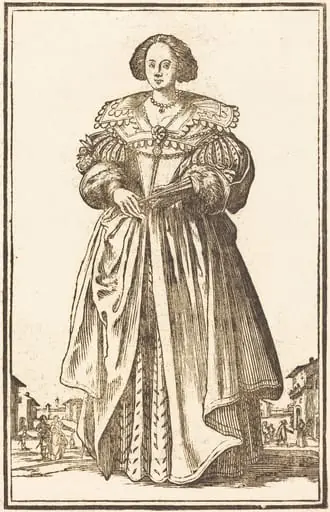 Noble Woman with Fan
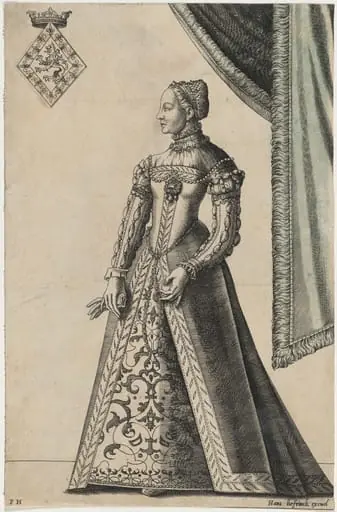 Mary, Queen of Scots
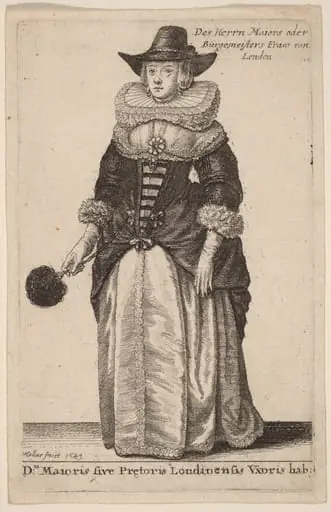 Dni Maioris sive Praetoris Londinensis Vxoris Hab:
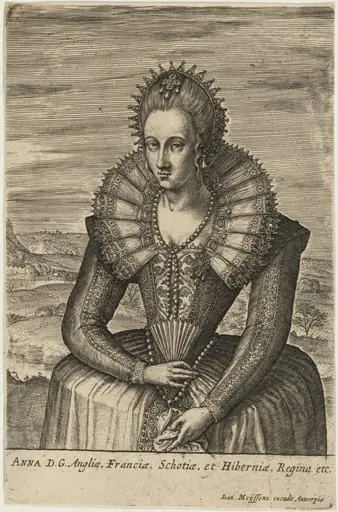 Anne of Denmark
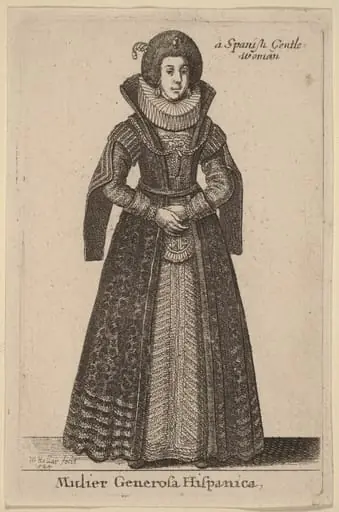 Mulier Generosa Hispanica (Spanish Gentlewoman)
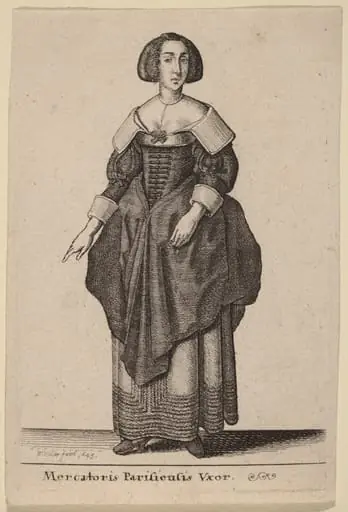 Mercatoris Parisiensis Vxor
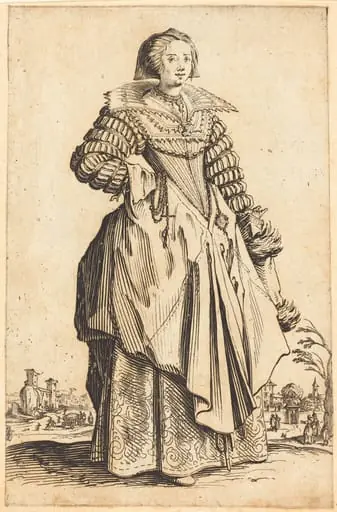 Noble Woman with Large Collar
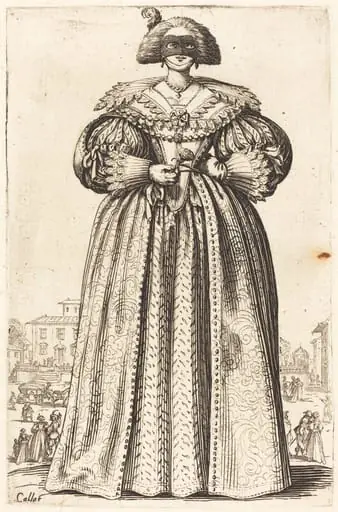 Masked Noble Woman
 Isabella, Wife of Philip IV of Spain