Artwork
The Battle of Cecora
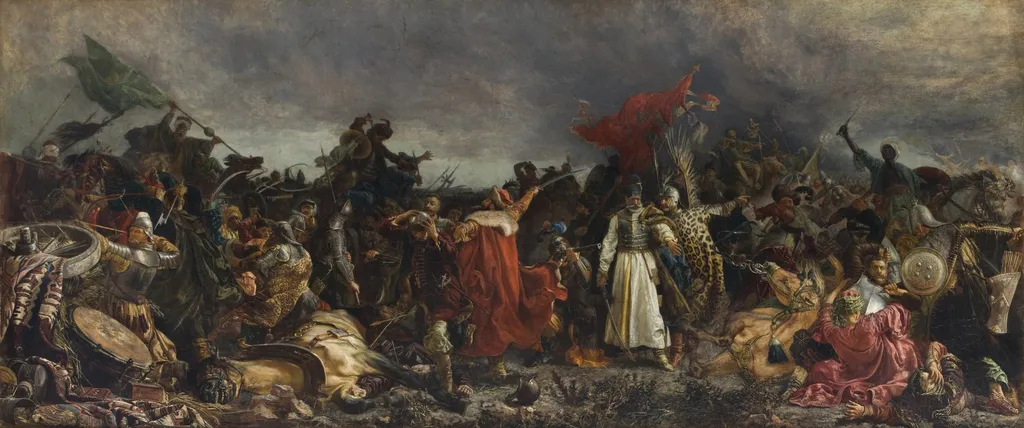
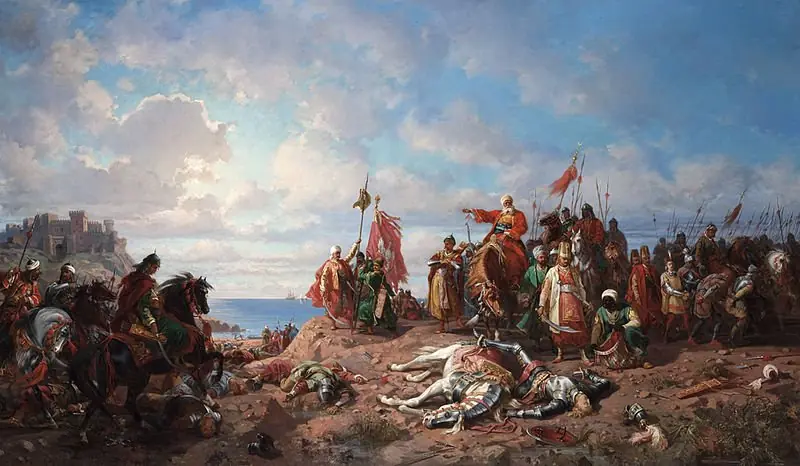
The Battle of Cecora is an oil painting by Witold Piwnicki. It dates from 1890 and is held in the collection of the National Museum in Kraków.
About this work
Overview
Its scale and subject reflect a period interest in national military heritage.
Painted in 1890 by Witold Piwnicki, The Battle of Cecora is an oil-on-canvas work depicting a 17th-century military engagement between Polish-Lithuanian forces and the Ottoman Empire. The painting is part of the collection at the National Museum in Kraków, where it serves as a historical narrative rendered in the academic style prevalent in late 19th-century Polish art. Its scale and subject reflect a period interest in national military heritage.
Subject & Meaning
The scene captures the 1620 Battle of Cecora, a decisive conflict in the Polish-Ottoman wars. The central figure in red, likely a Polish commander, is surrounded by chaotic combat, symbolizing leadership amid disorder. Fallen soldiers in the foreground and dense skirmishes in the background emphasize the battle’s brutality. The composition avoids glorification, instead conveying the disorder and human cost of war.
Technique & Style
Piwnicki employs detailed brushwork and a dynamic arrangement of figures to convey movement and tension. Contrasting hues—particularly the red robe against muted armor and earth tones—direct the viewer’s eye through the chaos. Lighting is naturalistic, enhancing the realism of the scene. The painter avoids theatrical exaggeration, favoring a grounded, almost documentary approach to the violence depicted.
History & Provenance
Commissioned during a period of renewed Polish national identity under foreign partition, the painting was completed in 1890 and entered the National Museum in Kraków shortly thereafter. Its acquisition aligned with institutional efforts to preserve historical memory through art. No significant changes in ownership are recorded; it has remained in the museum’s collection since its initial display.
Context
Created during the late 19th century, the painting reflects a broader European trend of historicizing national conflicts through visual art. In partitioned Poland, such works served as subtle assertions of cultural continuity. The Battle of Cecora, though a defeat, was chosen for its dramatic potential and symbolic resonance with themes of resistance and sacrifice.
Legacy
While not widely known outside Poland, the painting remains a representative example of academic historical painting in Polish art. It contributes to the museum’s narrative of national history and continues to be studied for its depiction of military life and 19th-century artistic conventions. Piwnicki’s other works, though less prominent, share similar thematic concerns with national identity and historical memory.
Artist & collection

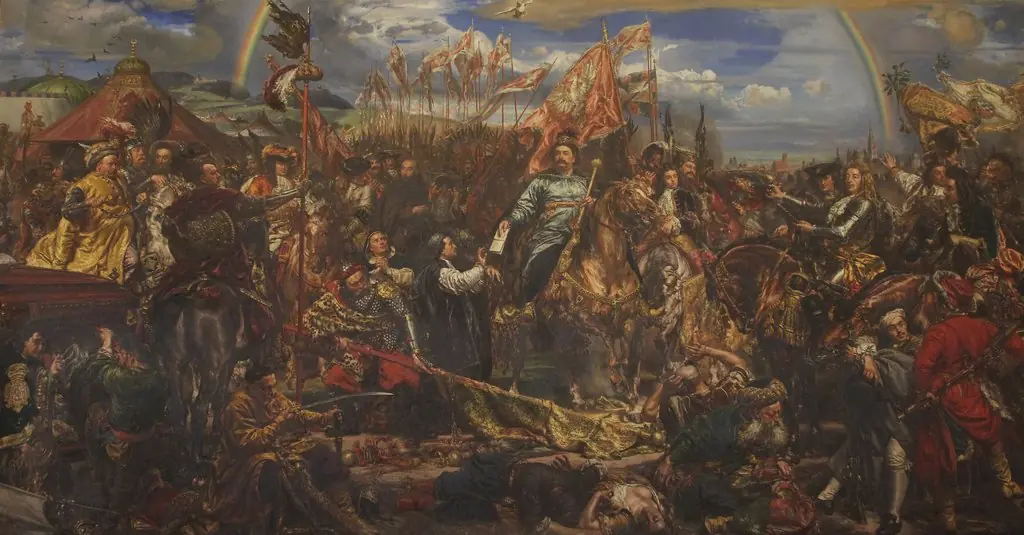 Jan Sobieski at Vienna
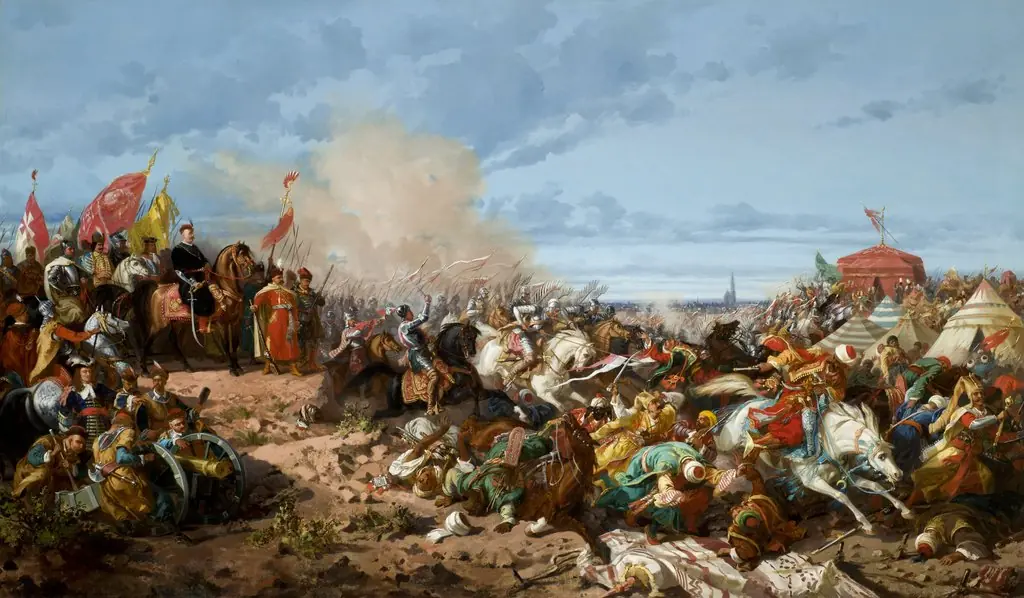 Sobieski at Vienna
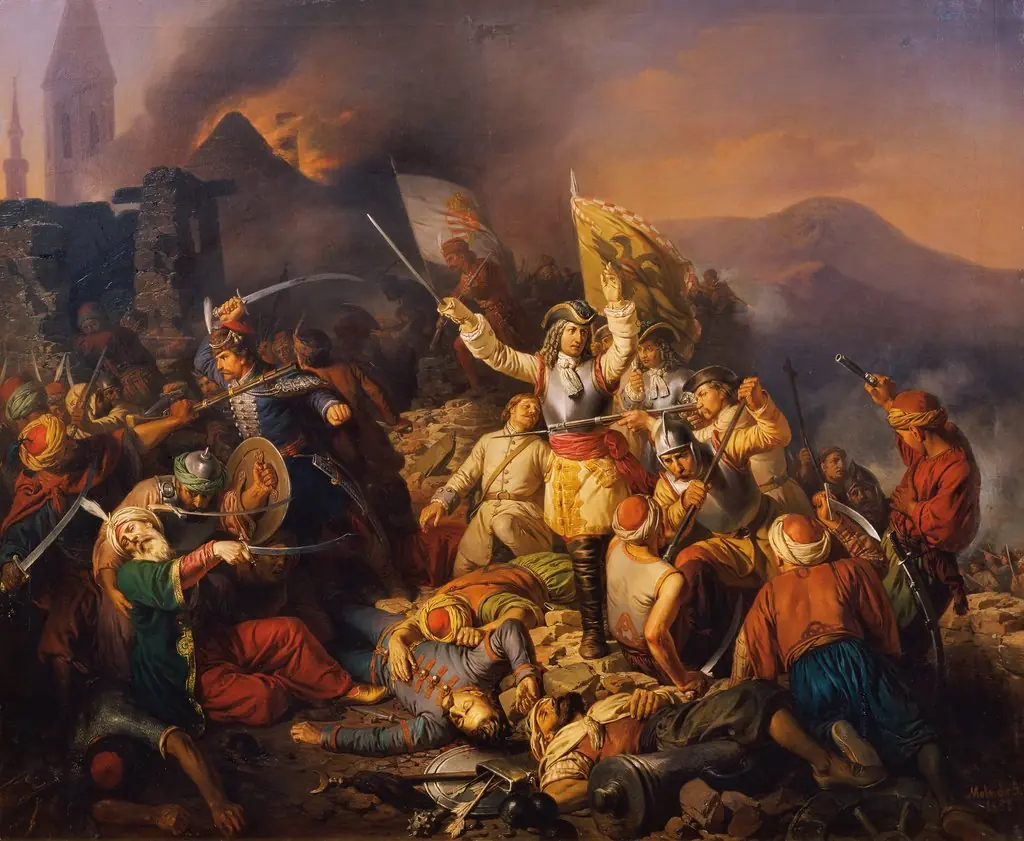 Die Rückeroberung Ofens aus der Hand der Türken im Jahr 1686
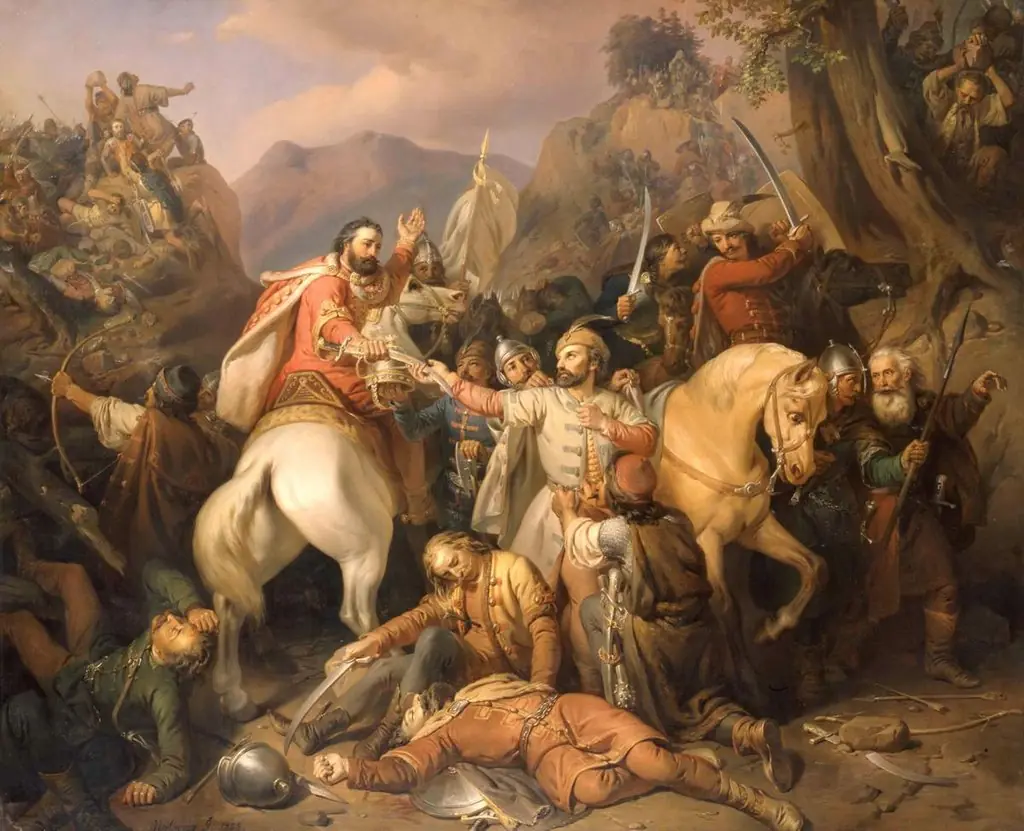 Warrior Dezső Sacrifices his Life for King Charles Robert
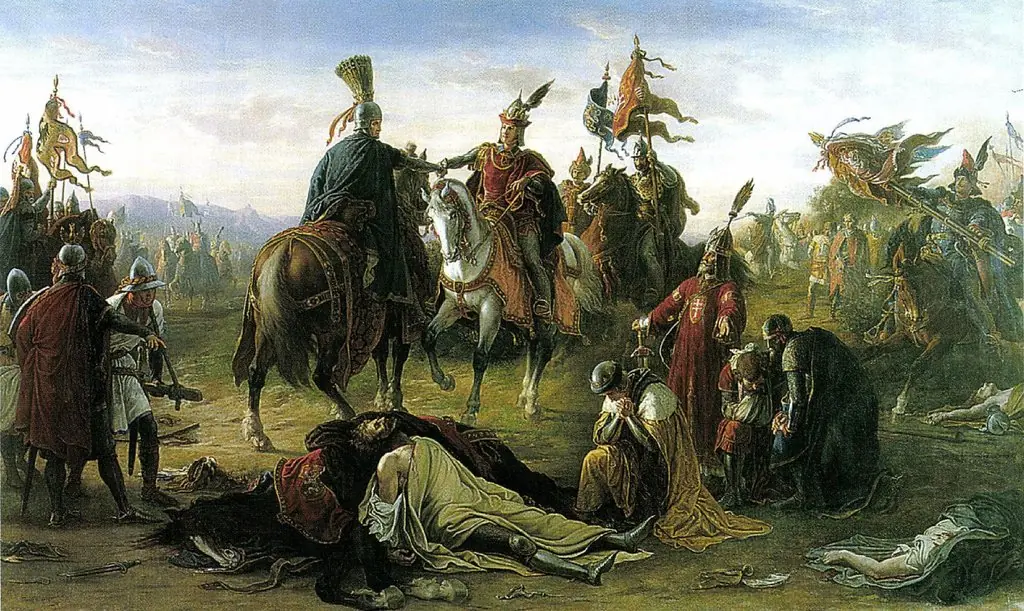 The Meeting of King Ladislas IV and Rudolph of Habsburg on the Battlefield of Marchfeld
 Iancu de Hunedoara
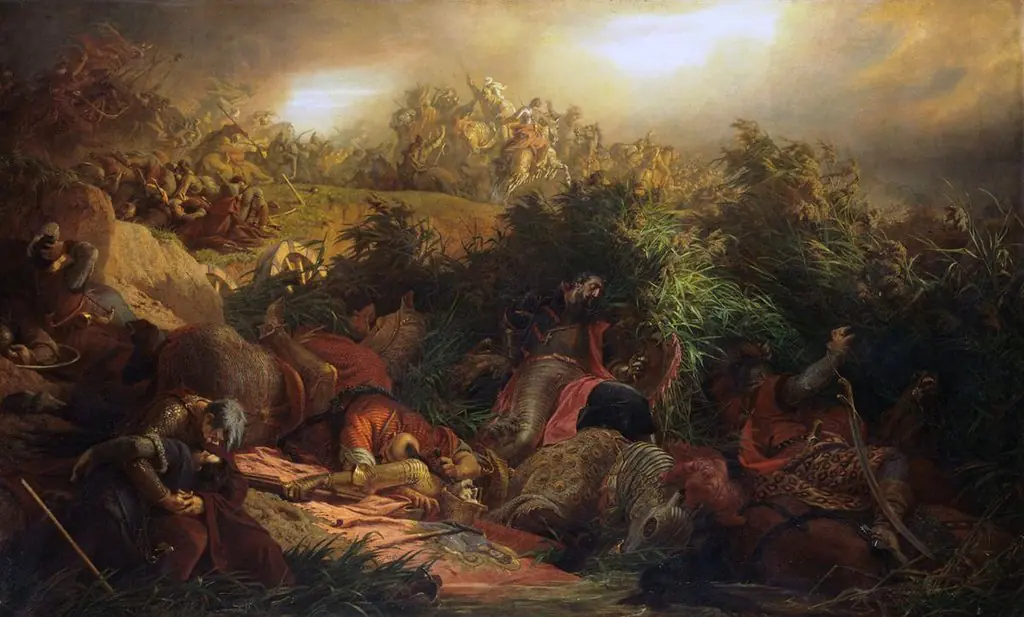 The Battle of Mohács
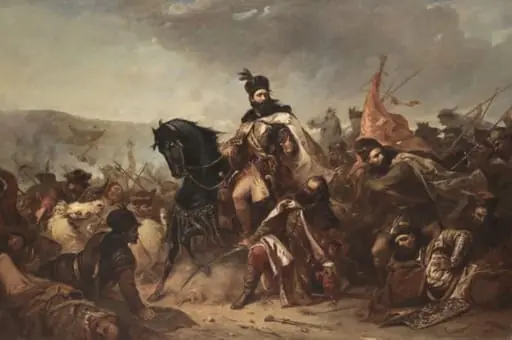 Ștefan cel Mare și Aprodul Purice
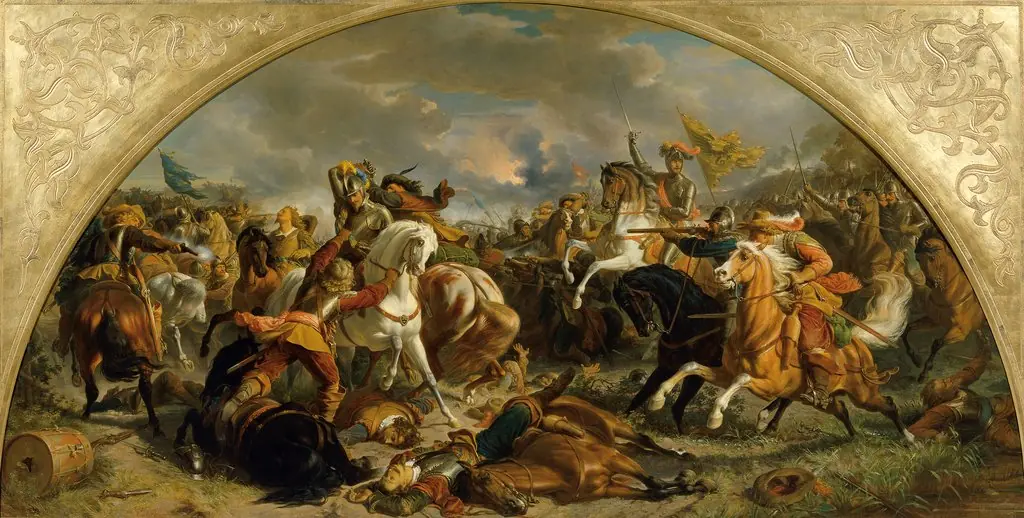 The storming of Schweidnitz in 1761
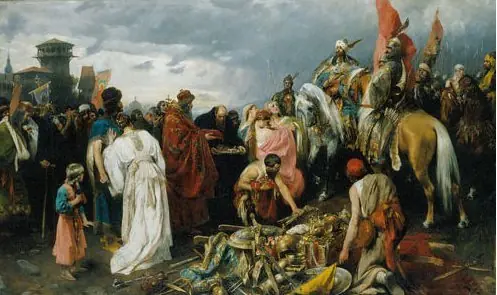 Hungarians at Kiev
 The death of king Wladyslaw II at Varna
 Осада Пскова польским королём Стефаном Баторием в 1581 году