Artwork
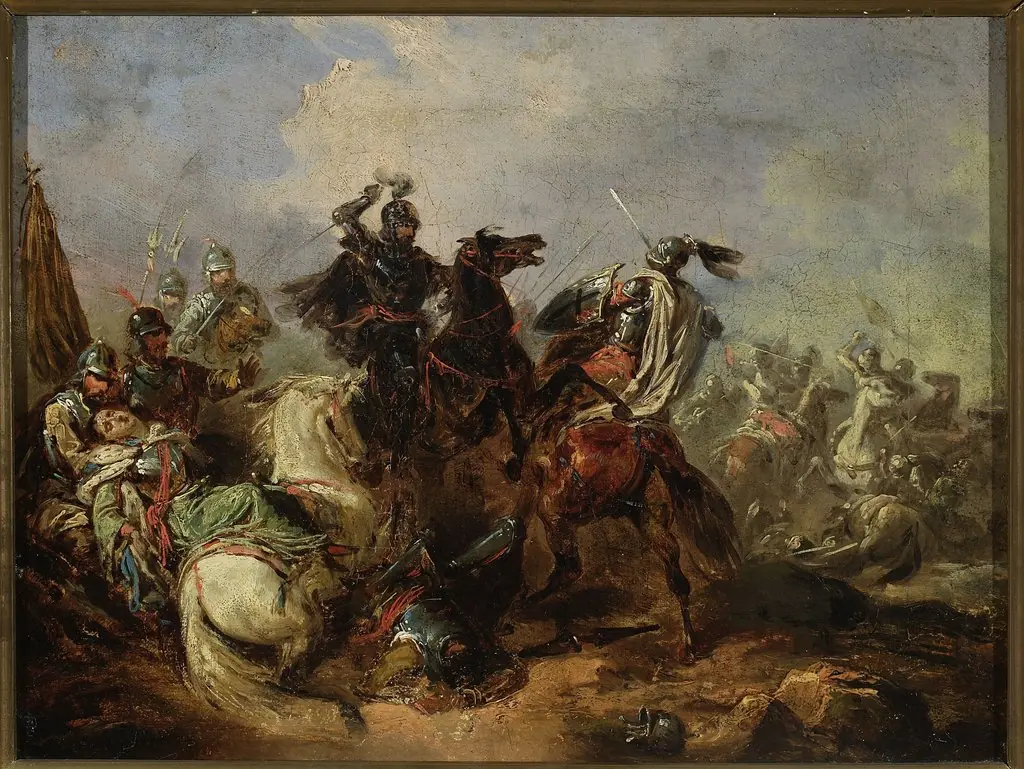
The Meeting of King Ladislas IV and Rudolph of Habsburg on the Battlefield of Marchfeld
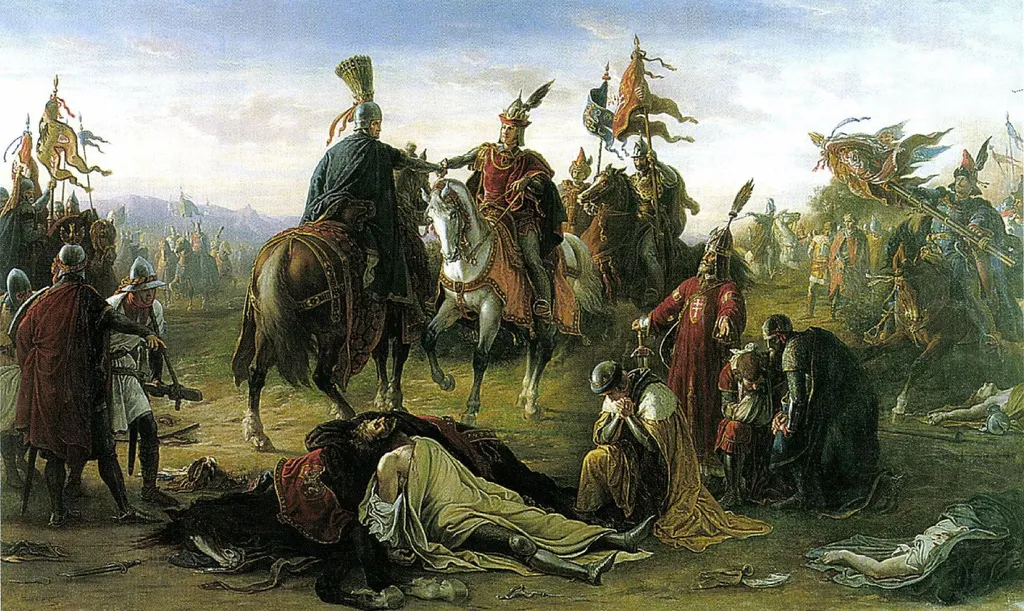
The Meeting of King Ladislas IV and Rudolph of Habsburg on the Battlefield of Marchfeld is an oil painting by the Realist artist Mór Than. It dates from 1873 and is held in the collection of the Hungarian National Gallery.
About this work
Overview
Than, trained in European academies and active in Hungary’s cultural institutions, rendered the scene with restrained realism.
Painted in 1873 by Hungarian artist Mór Than, this oil-on-canvas work captures a diplomatic encounter between King Ladislas IV of Hungary and Rudolph I of Habsburg following the Battle of Marchfeld. Than, trained in European academies and active in Hungary’s cultural institutions, rendered the scene with restrained realism. The painting resides in the Hungarian National Gallery, where it serves as a visual record of a moment that shaped Central European politics in the late 13th century.
Subject & Meaning
The scene portrays the tense but formal meeting between two rival monarchs after a decisive battle. Ladislas IV, crowned and cloaked in dark tones, faces Rudolph of Habsburg, distinguished by his red tunic and feathered hat. Their interaction symbolizes the fragile negotiation of power rather than triumph or defeat. Surrounding figures—wounded soldiers, kneeling attendants, and silent cavalry—underscore the cost of conflict, framing the encounter as a moment of political necessity rather than glory.
Technique & Style
Than employed a muted palette of browns, grays, and earthy greens to convey the somber aftermath of battle. Brushwork is precise but unembellished, favoring clarity over drama. Figures are arranged in a shallow space, guiding the viewer’s eye toward the central figures on horseback. The composition avoids romanticized heroism; instead, it emphasizes quiet tension, reflective of Than’s alignment with Realist principles and his interest in historical accuracy over theatricality.
History & Provenance
Completed in 1873, the painting was acquired by the Hungarian National Gallery soon after its creation. Than, who had studied in Italy and France, returned to Hungary to contribute to its national art institutions. The work was part of a broader 19th-century effort to visually document key moments in Hungarian history. Its preservation in the national collection reflects its role in shaping historical identity during a period of cultural consolidation under Austro-Hungarian rule.
Context
The Battle of Marchfeld in 1278 ended a conflict between Hungary and the Habsburgs, leading to Rudolph’s consolidation of power in Central Europe. Than’s depiction, created nearly six centuries later, responds to 19th-century nationalist historiography that sought to legitimize Hungarian sovereignty through visual narratives. While the event itself was a military defeat for Ladislas, Than frames the meeting as a dignified diplomatic resolution, aligning with contemporary ideals of statecraft and national dignity.
Legacy
The painting remains a reference point in Hungarian art history for its restrained treatment of historical subject matter. Unlike grandiose battle scenes of the era, Than’s work avoids glorification, instead focusing on the human and political dimensions of conflict. It influenced later Hungarian painters seeking to portray history with psychological depth rather than spectacle, reinforcing the value of realism in national narrative-building.
Artist & collection
Artist
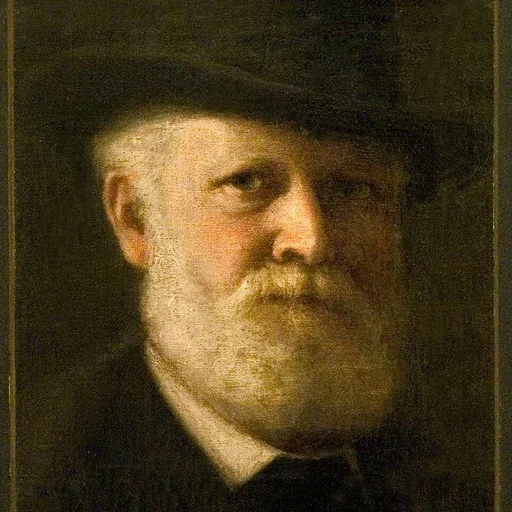
Mór Than (Hungarian: ; 19 June 1828 – 11 March 1899) was a Hungarian painter. He painted in the Realist school and worked with several high-profile Hungarian and Austrian painters of his time. He travelled around Italy,…

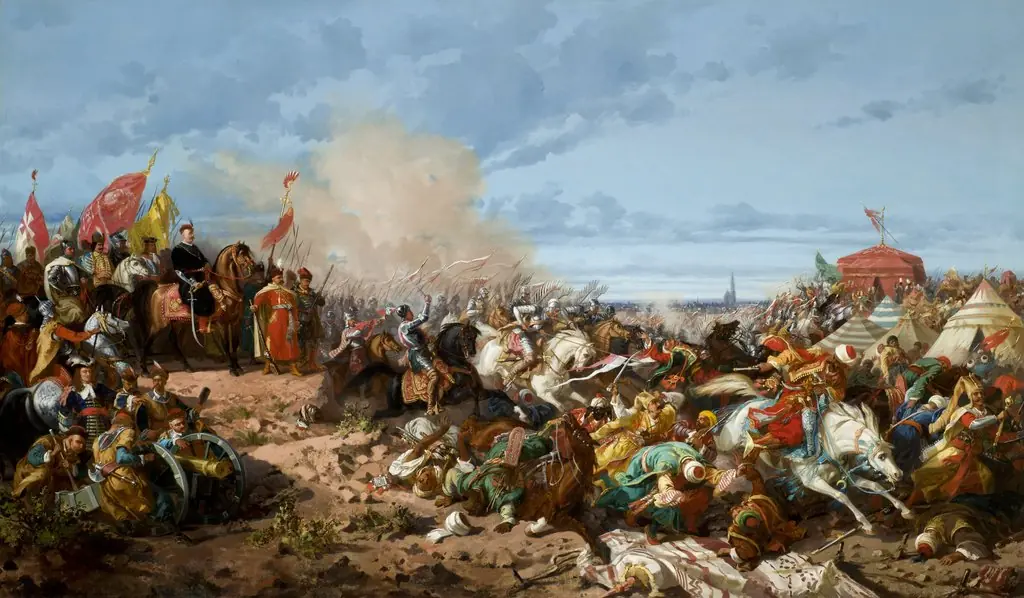 Sobieski at Vienna
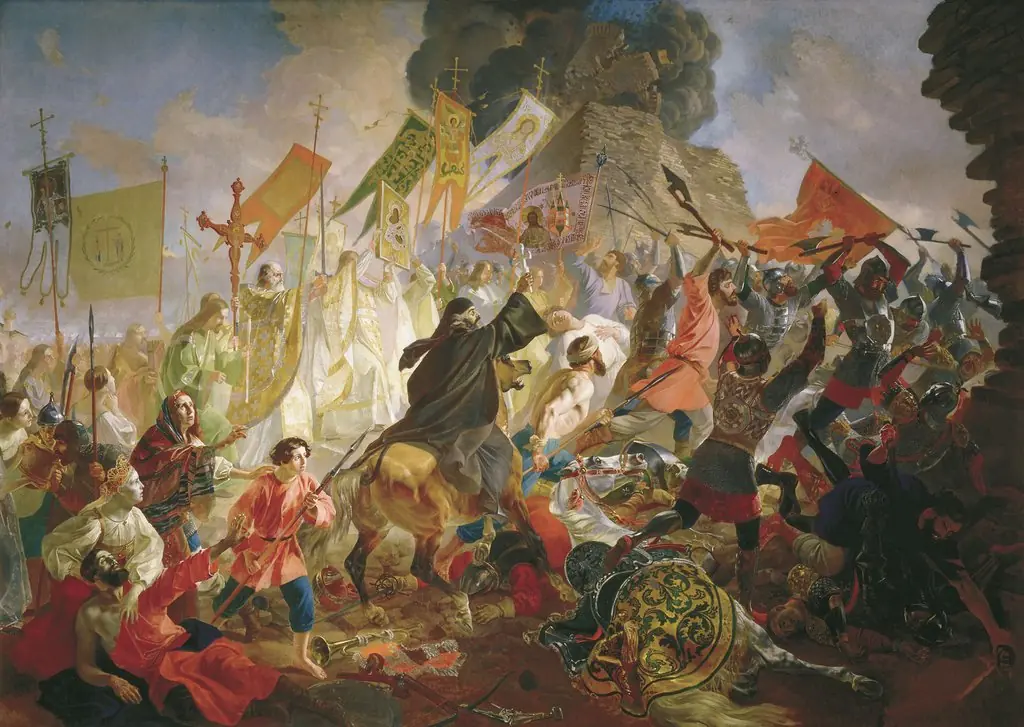 Осада Пскова польским королём Стефаном Баторием в 1581 году
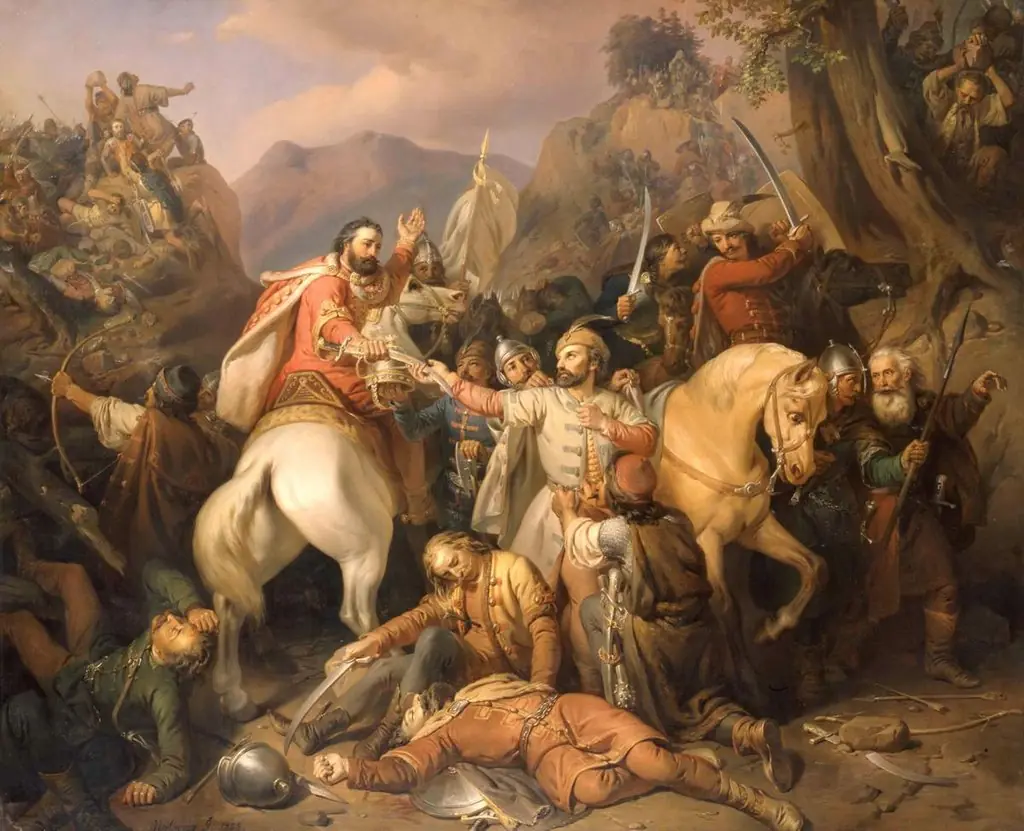 Warrior Dezső Sacrifices his Life for King Charles Robert
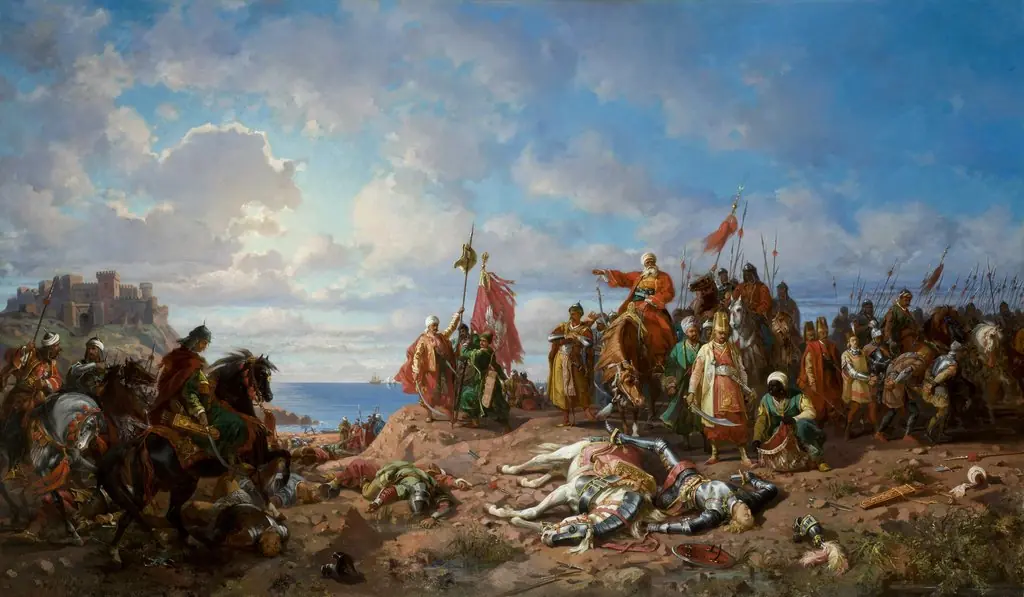 Death of Władysław Jagiellon near Varna
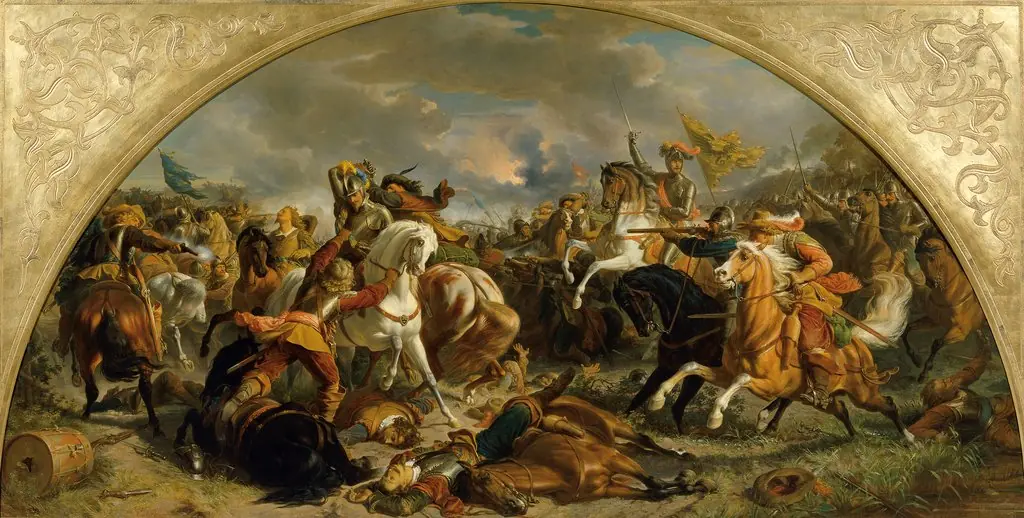 The storming of Schweidnitz in 1761
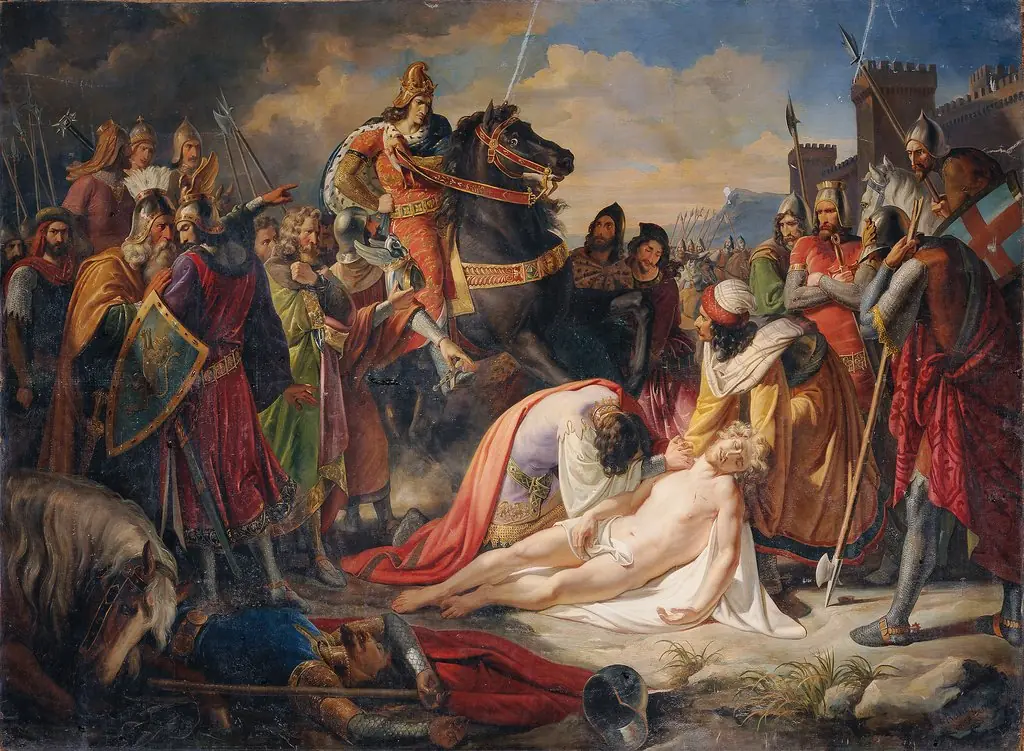 Karl I. von Anjou an der Leiche Manfreds nach der Schlacht von Benevent am 26. Februar 1266
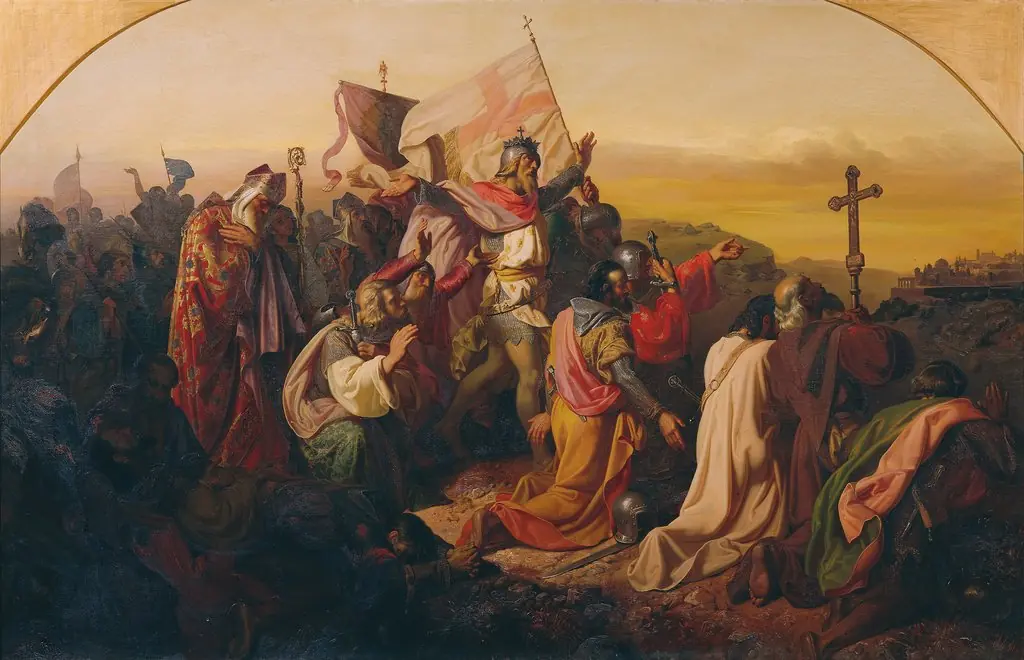 Gottfried von Bouillon und Kreuzfahrer
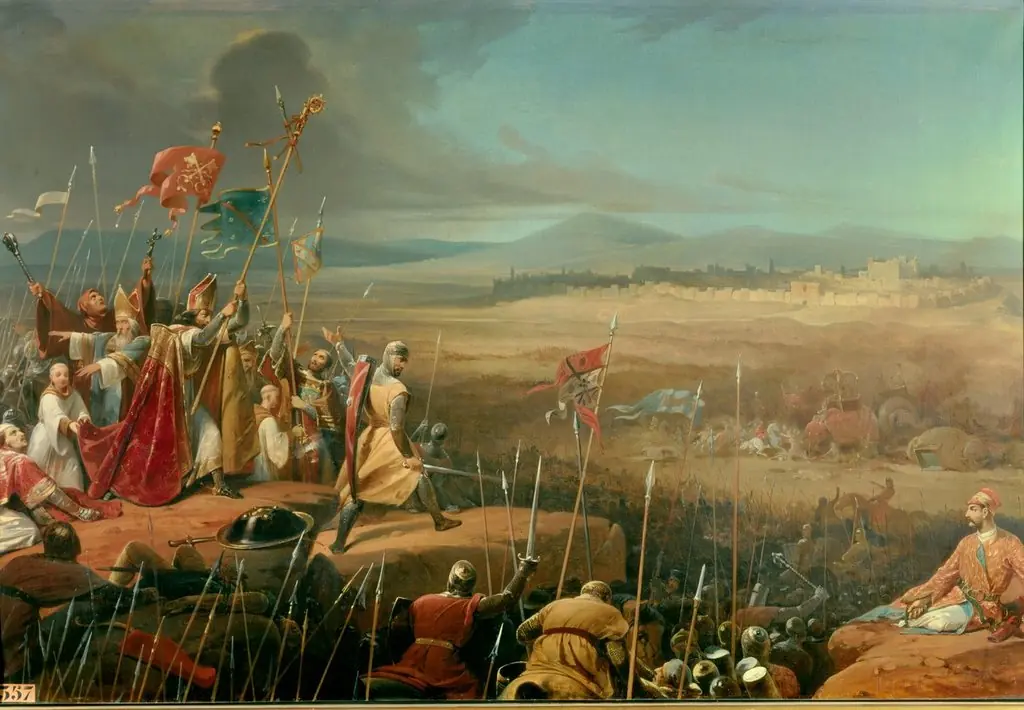 Battle outside the walls of Antioch (23 june 1098) between the crusaders, commanded by Bohemnon, and the army of Kerbogha.
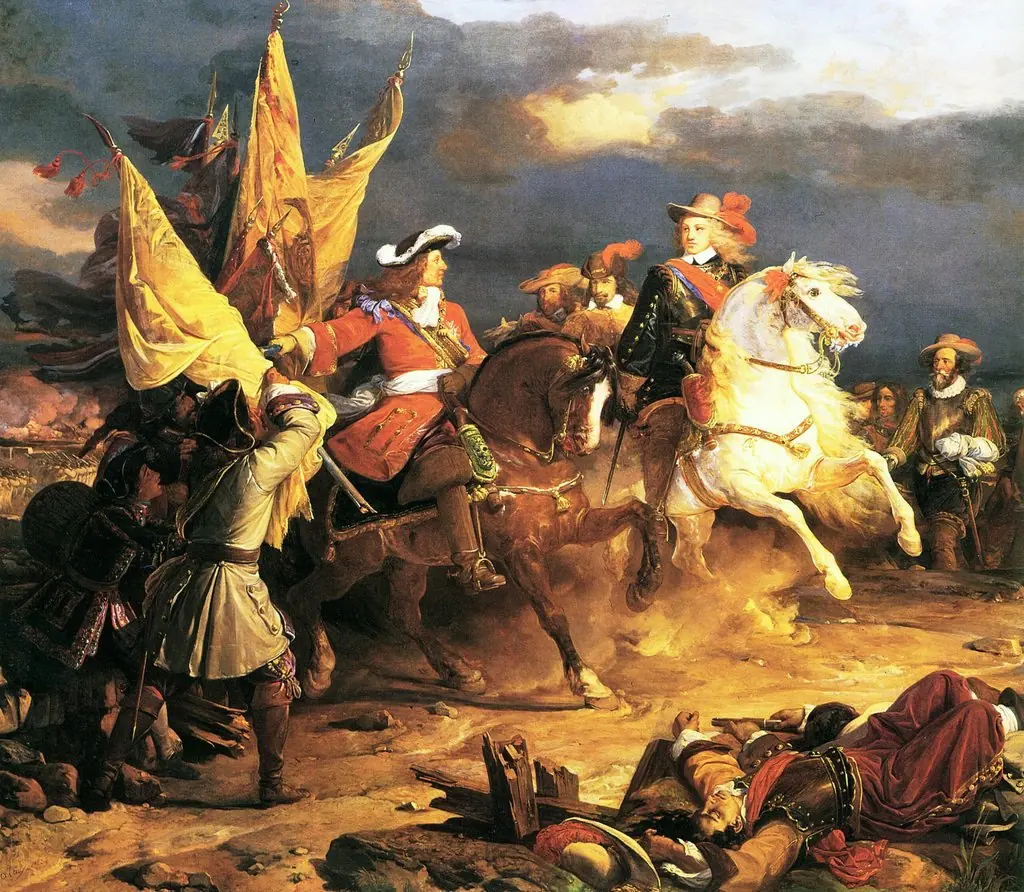 Battle of Villaviciosa, December 10, 1710
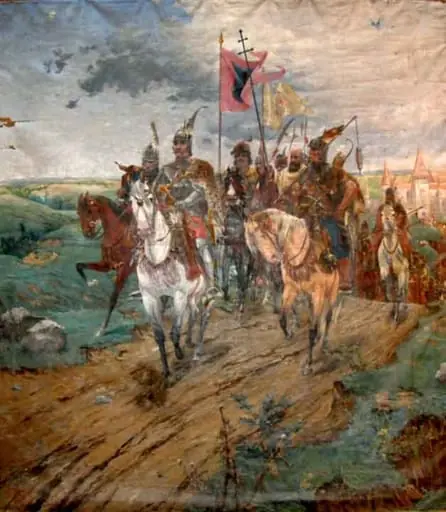 Iancu de Hunedoara
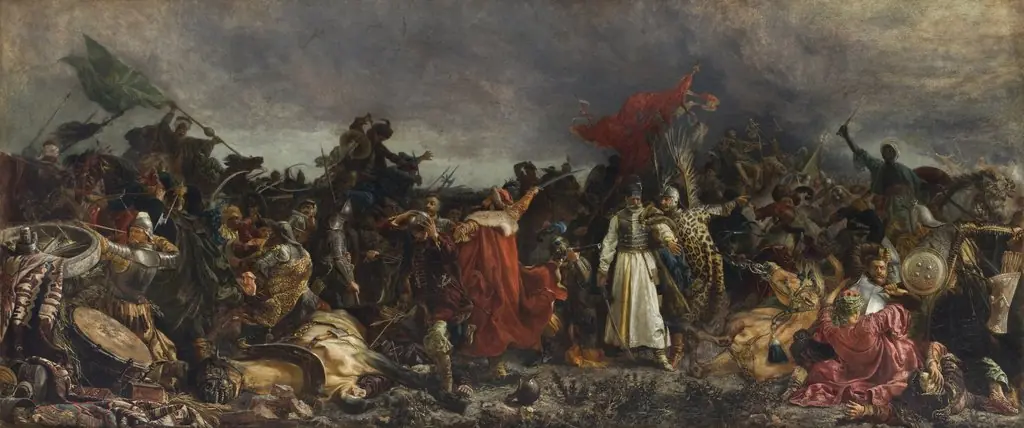 The Battle of Cecora
 Battle of Lithuanians with the Teutonic knights