Artwork
Untitled
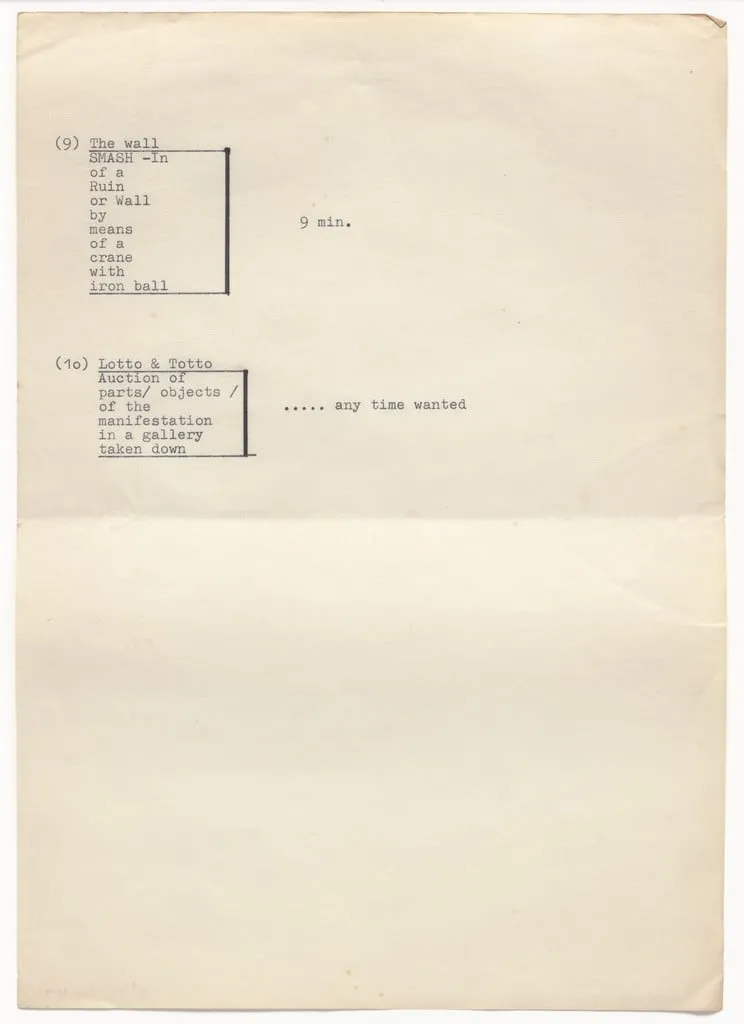
Untitled is a drawing by Wolf Vostell. It dates from 1962 and is held in the collection of the Museum of Modern Art.
About this work
Overview
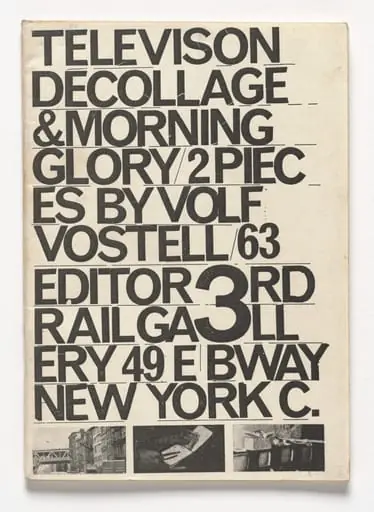
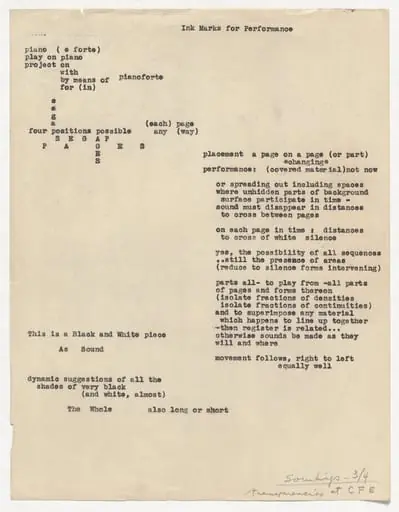
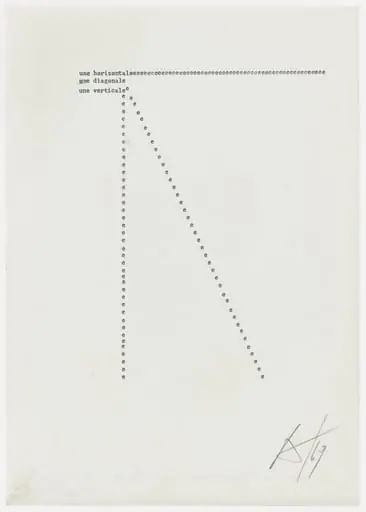
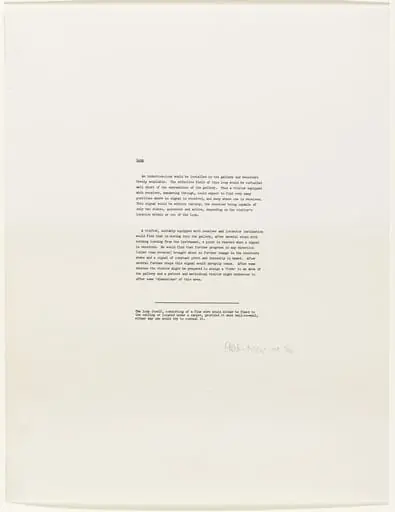
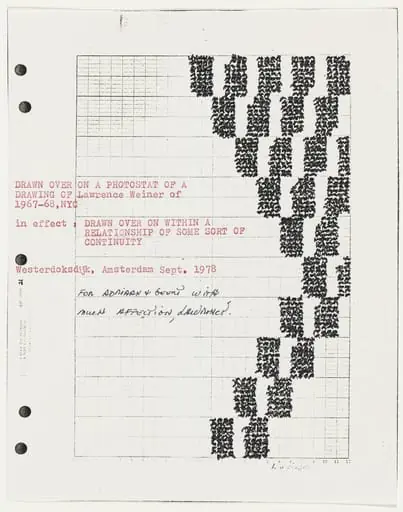
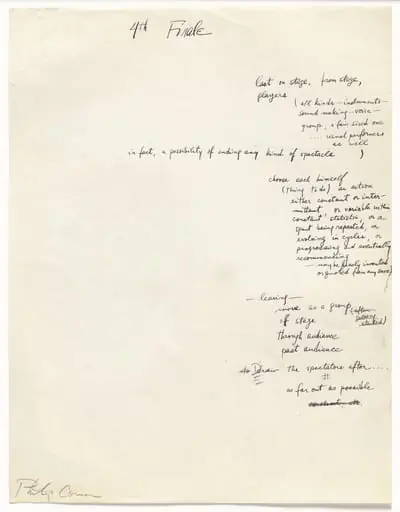
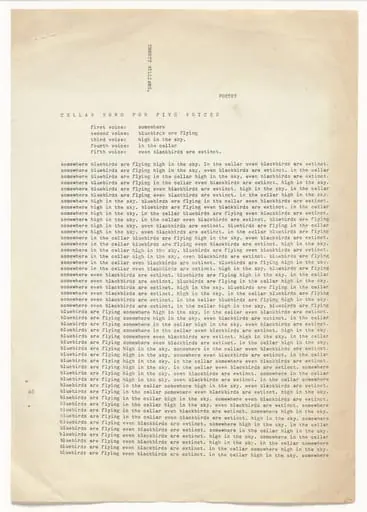
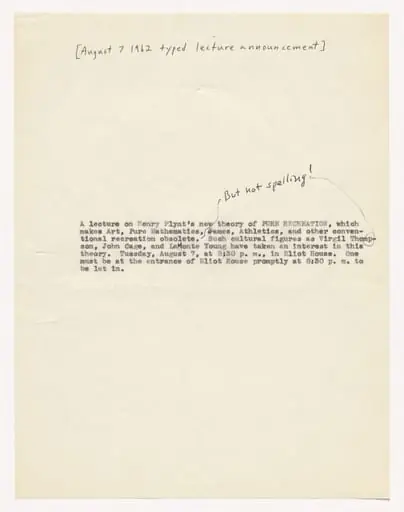
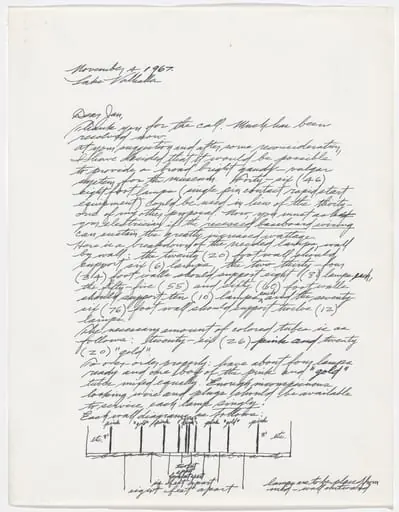
Created around 1962, this untitled drawing by Wolf Vostell consists of three sheets of paper marked with typewritten text and ballpoint pen annotations.
Created around 1962, this untitled drawing by Wolf Vostell consists of three sheets of paper marked with typewritten text and ballpoint pen annotations. The work is part of The Museum of Modern Art’s collection. Its fragmented, layered appearance—marked by crossed-out phrases, varying font sizes, and physical damage like tears and folds—suggests a process of revision and decay, resisting conventional readability.
Subject & Meaning
The text references violent or disruptive actions—such as smashing a wall with a crane—and the auctioning of objects, evoking themes of destruction, commodification, and institutional critique. The ambiguous, directive tone resembles a script or manifesto, yet lacks clear narrative or purpose. This ambiguity invites interpretation as a commentary on the chaos of postwar society and the breakdown of meaning in mass communication.
Technique & Style
Vostell combined mechanical typewriting with spontaneous handwritten additions, layering printed text with scribbles, circles, and deletions. The physical manipulation of the paper—crumpling, folding, and tearing—integrates material decay into the work’s meaning. This hybrid method blurs the line between document and artifact, emphasizing process over polished presentation and challenging traditional notions of draftsmanship.
History & Provenance
The work was produced during Vostell’s early career in Europe, a period when he was experimenting with found materials and anti-art gestures. It entered The Museum of Modern Art’s collection through established channels of postwar European art acquisition. Its survival in relatively raw condition reflects its intended ephemerality and resistance to preservation as a conventional artwork.
Context
Created in the early 1960s, the piece aligns with Fluxus and Happenings movements that rejected formal aesthetics in favor of process, chance, and everyday materials. Vostell’s use of typewritten text echoes the proliferation of bureaucratic language in postwar Germany, while its disarray critiques the illusion of order in institutional systems. The work reflects broader cultural anxieties about technology, control, and meaning.
Legacy
This drawing exemplifies Vostell’s contribution to conceptual and performance-based art, influencing later artists who treated text as physical object and process as content. Its rejection of clarity and permanence prefigured developments in artist books and language art. Though not widely exhibited, it remains a key example of how material disruption can convey political and philosophical critique without explicit imagery.
Artist & collection

Artist
Wolf Vostell was a German painter and sculptor, considered one of the early adopters of video art, street art and installation art and pioneer of Happenings and Fluxus.