Artwork
Bath
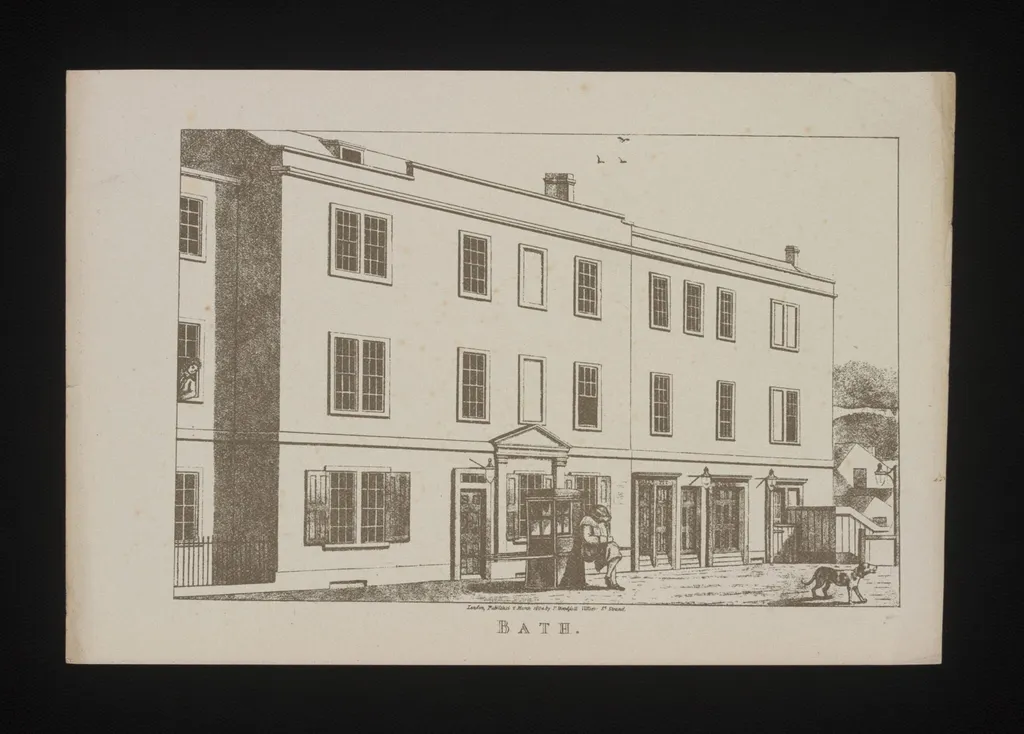
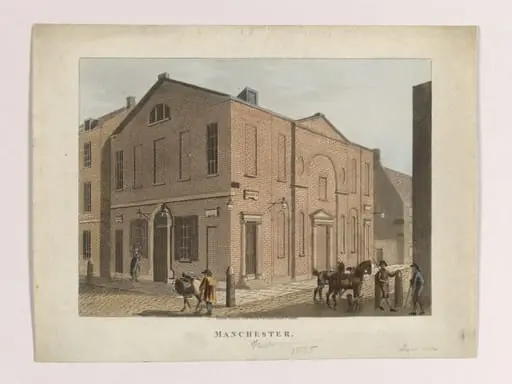
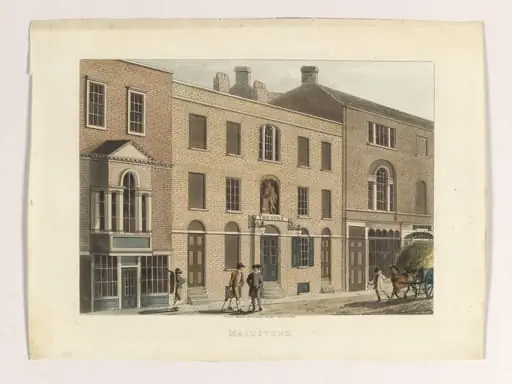
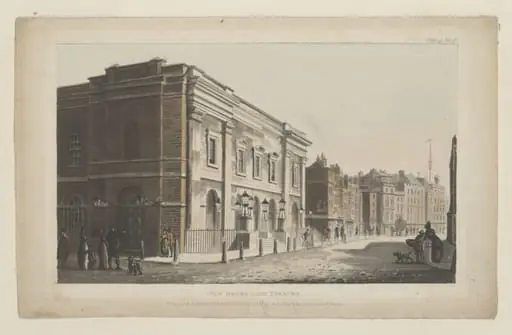
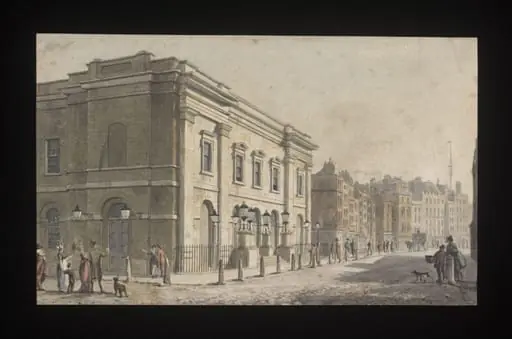
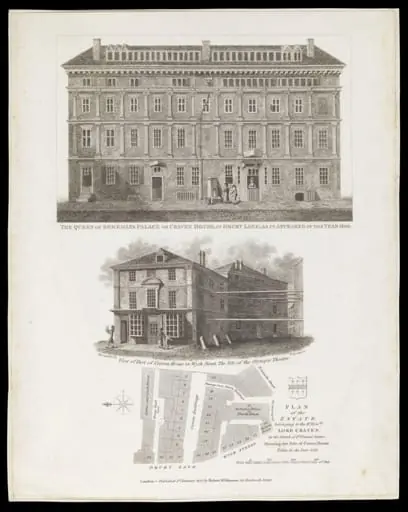
Bath is a print by the Romanticist artist T. Woodfall. It dates from 1804 and is held in the collection of the Victoria and Albert Museum.
About this work
This print shows a building’s front in Bath, made in 1804. It’s a print, not a painting, so it’s black ink on paper. The artist, T. Woodfall, worked in London at the time.
Prints like this spread images fast in the early 1800s. It was part of a collection later held by Harry Beard before it reached the museum.
The Victoria and Albert Museum keeps this piece today.
Overview
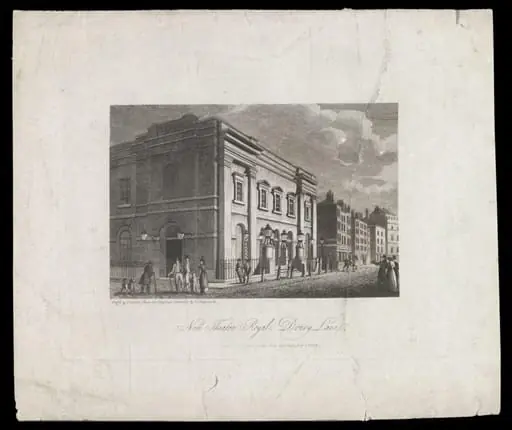
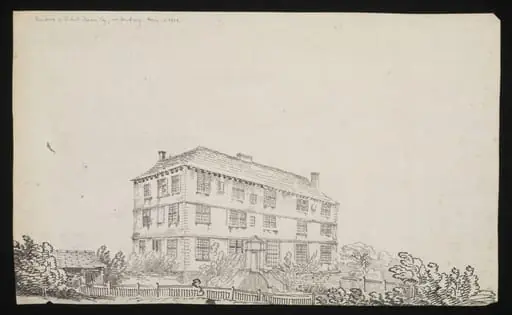
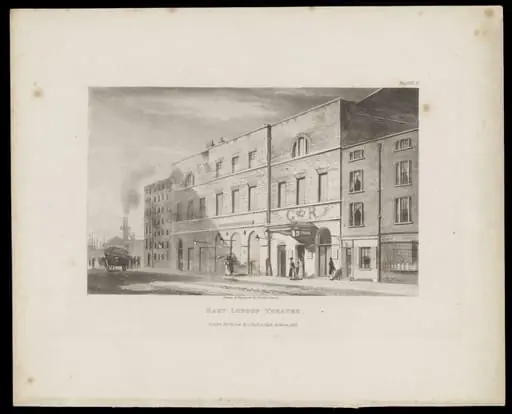
This 1804 print depicts the façade of a building in Bath, produced as a black-ink impression on paper. Published by T. Woodfall in London, it belongs to the genre of topographical prints popular in the early 19th century. Designed for wide distribution, such works served to document architectural forms for a growing public interested in urban landscapes and regional identity.
Subject & Meaning
The subject is the exterior of a structure in Bath, a city renowned for its Georgian architecture and Roman-inspired baths. The print captures the ordered symmetry and classical detailing characteristic of the period, reflecting contemporary admiration for urban elegance. It does not depict a specific event or person, but rather emphasizes architectural harmony as a cultural ideal.
Technique & Style
Executed in monochrome ink, the print uses fine lines and controlled shading to render architectural details with precision. The style is documentary rather than expressive, prioritizing clarity and accuracy over artistic flourish. As a printed image, it was likely produced via engraving or etching, enabling multiple copies to circulate beyond the original drawing.
History & Provenance
The print was published by T. Woodfall in March 1804 and later entered the collection of Harry Beard, a 19th-century British collector known for his accumulation of theatrical and topographical prints. It was acquired by the Victoria and Albert Museum from Beard’s estate, preserving its place in the historical record of British visual culture.
Context
In the early 1800s, prints like this played a key role in disseminating images of architecture to a broader audience, especially as travel became more accessible. Bath, as a fashionable spa town, was frequently illustrated in such publications. These images reinforced civic pride and contributed to the popularization of Georgian design principles across Britain.
Legacy
The print survives as an example of how architectural documentation was democratized before photography. Its preservation in the Victoria and Albert Museum underscores its value as a historical artifact, offering insight into public perceptions of urban form and the role of print media in shaping cultural memory during the Regency era.
Artist & collection
Artist
This guy Woodfall lived in London around 1800 and spent his days printing the city’s daily life—posters, handbills, theater gossip—until his shop became the unofficial newsletter of the moment.