Artwork
Rev. Reginald Heber, D.D.
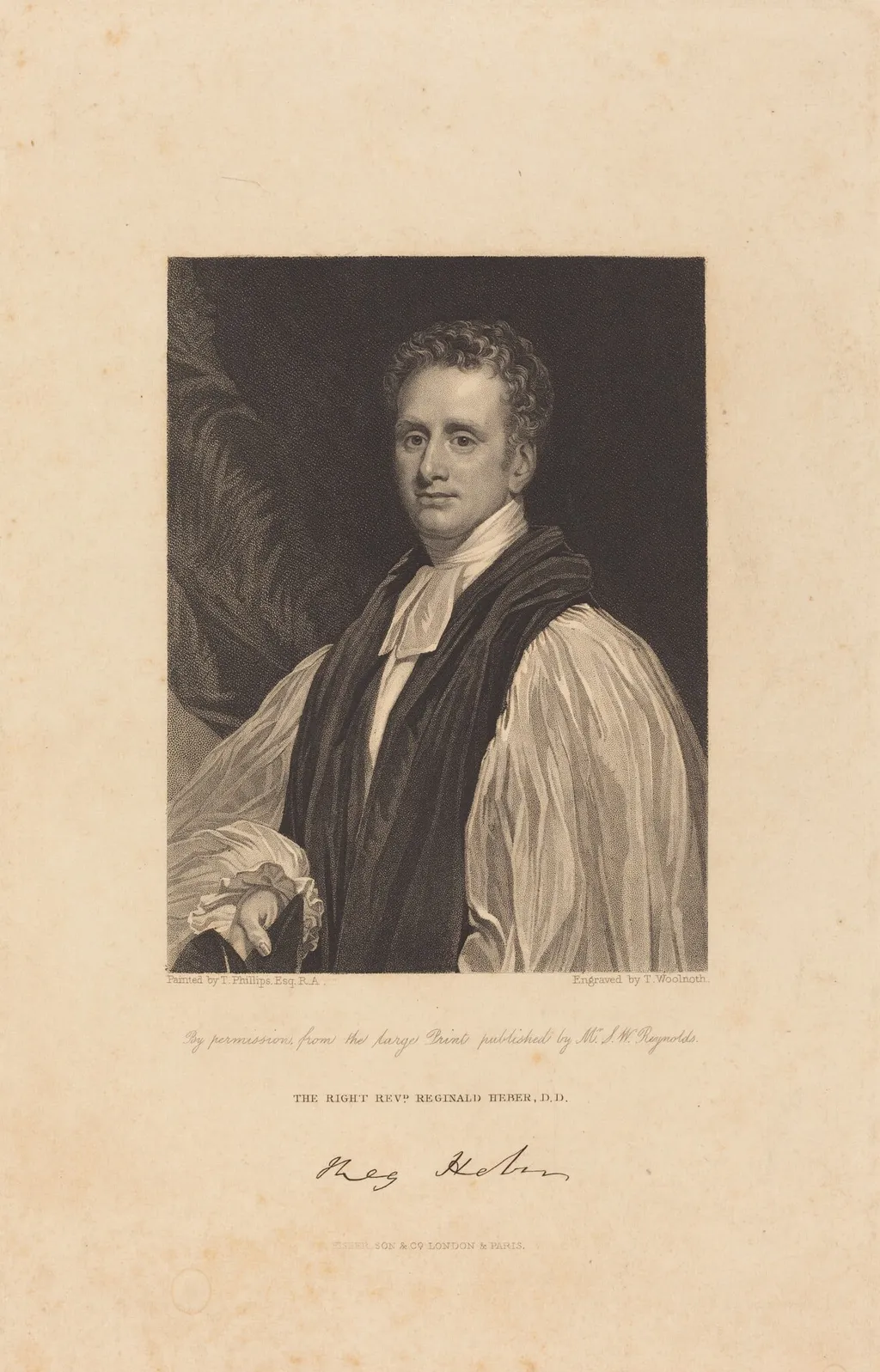
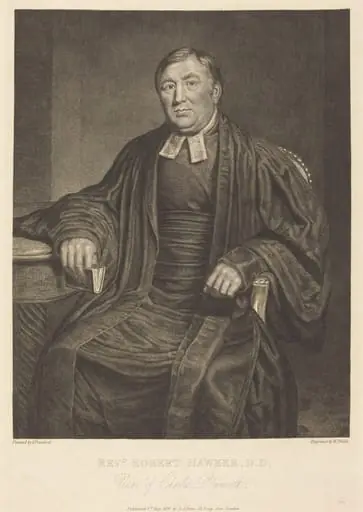
Rev. Reginald Heber, D.D. is an ink print by the Romanticist artist Thomas Woolnoth. It dates from 1831 and is held in the collection of the National Gallery of Art.
About this work
Overview
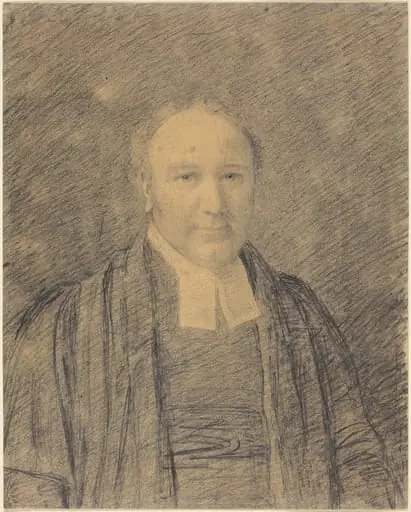
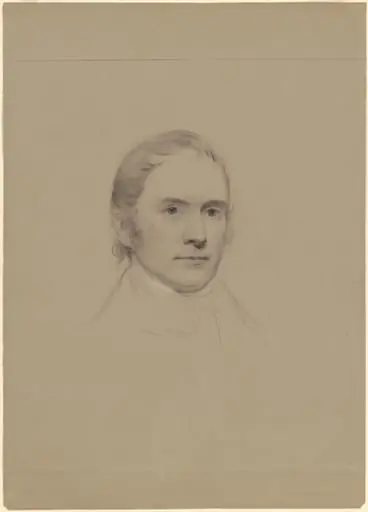
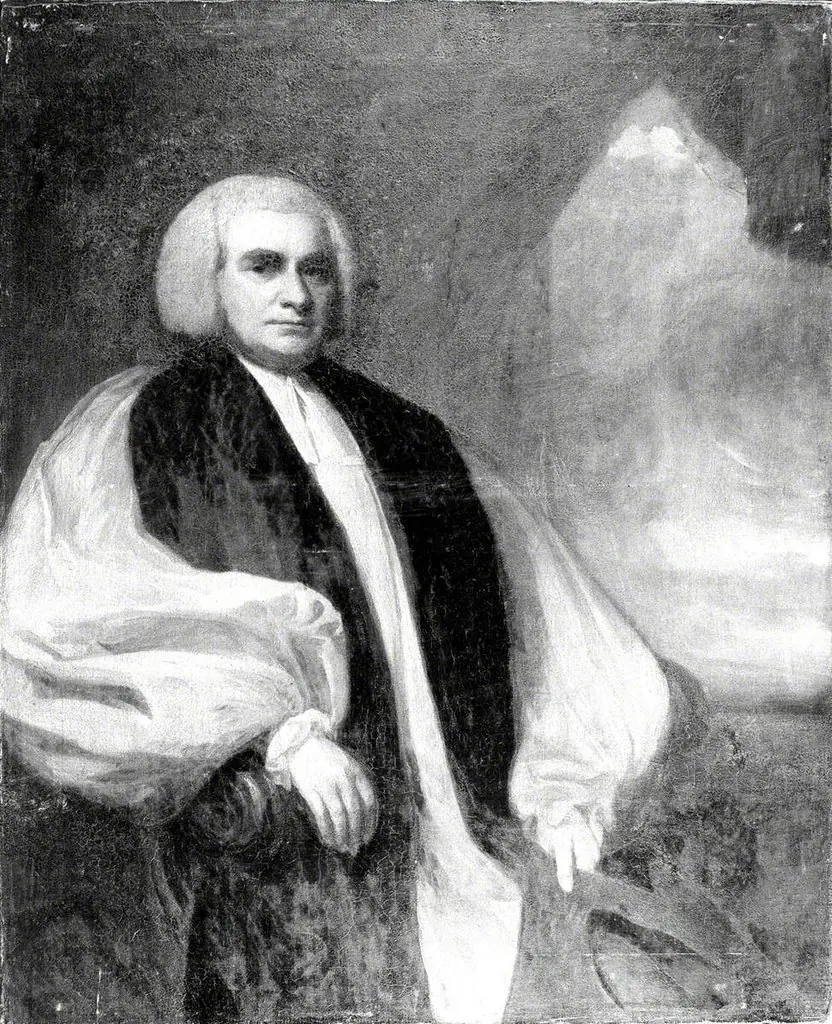
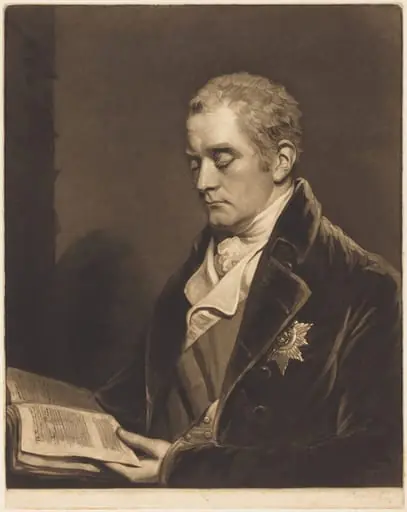
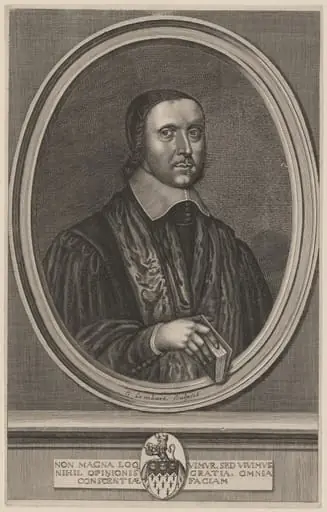
Thomas Woolnoth’s stipple engraving of the Reverend Reginald Heber, D.D., dates from 1831. Executed in the fine, dot‑based technique typical of stipple, the print presents the clergyman in a solemn pose, his gaze meeting the viewer and a book held in his right hand suggesting scholarly or devotional activity.
Subject & Meaning
The figure is rendered in formal 19th‑century clerical dress: a dark vest over a white shirt with a high collar, short curly hair, and a serious expression. The inclusion of the volume implies Heber’s theological work and intellectual pursuits, inviting contemplation of his religious authority.
Technique & Style
Woolnoth employs stipple engraving, building tones through densely packed dots that create a soft gradation of light and shadow. The chiaroscuro effect deepens the background and accentuates the facial features, lending the portrait a quiet, three‑dimensional presence without the harsh lines of line engraving.
History & Provenance
Created shortly after Heber’s death in 1826, the print likely served as a commemorative image for his followers. Woolnoth, an English engraver active in the early 19th century, produced several portrait prints for devotional and biographical publications, situating this work within that broader print market.
Context
Reginald Heber was a prominent Anglican bishop and hymn writer, known for works such as “Holy, Holy, Holy.” Portraits of clergy were common in the period, functioning both as personal memorials and as visual reinforcement of ecclesiastical authority within the expanding British Empire.
Legacy
While not a widely reproduced image today, the engraving remains a valuable visual record of Heber’s appearance and the aesthetic conventions of early Victorian religious portraiture, illustrating the intersection of devotional literature and print culture.
Artist & collection