Artwork
Lord Newton
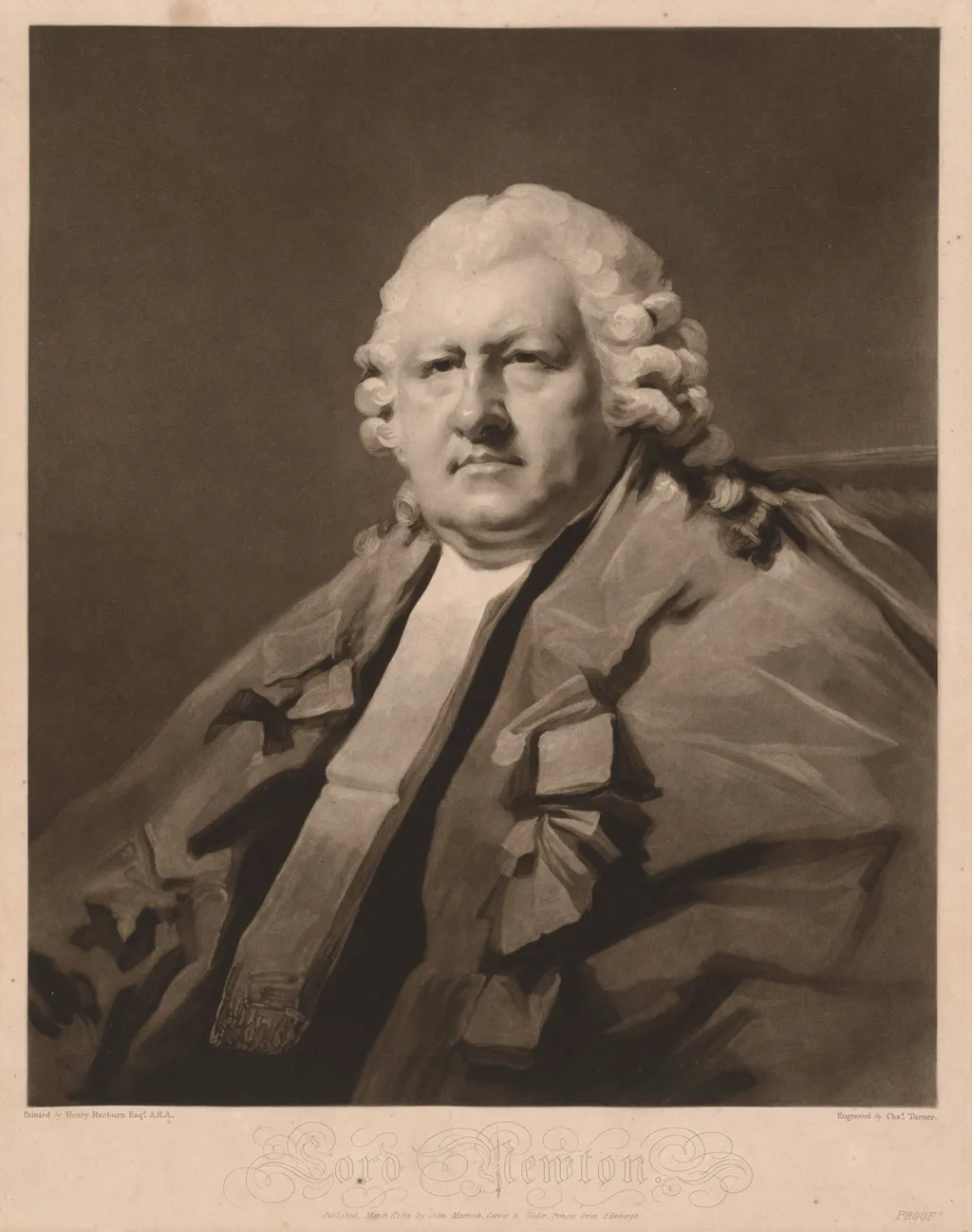
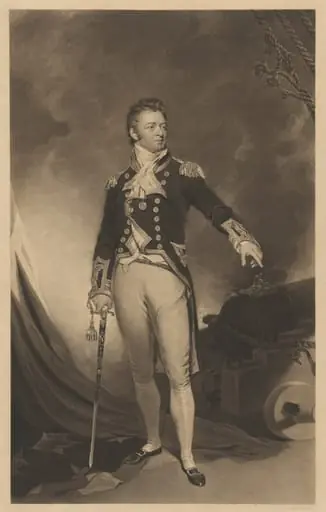
Lord Newton is a print by the Romanticist artist Charles Turner. It dates from 1814 and is held in the collection of the Cleveland Museum of Art.
About this work
Overview
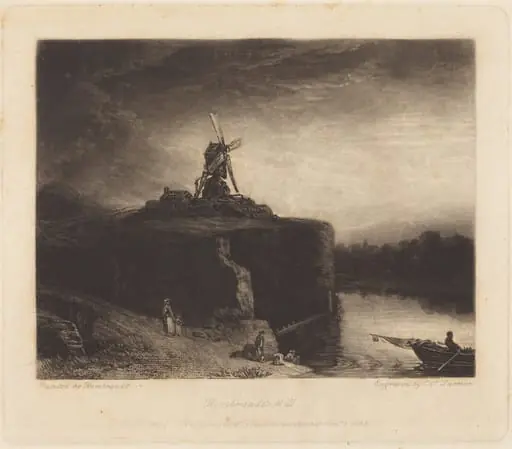
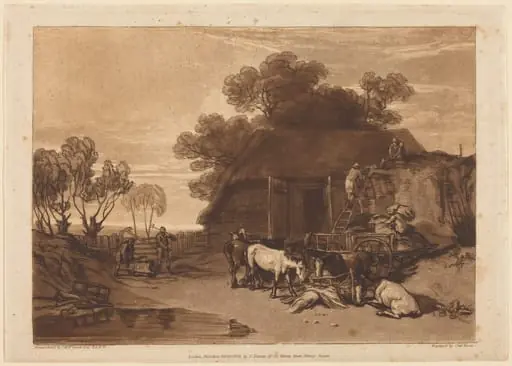
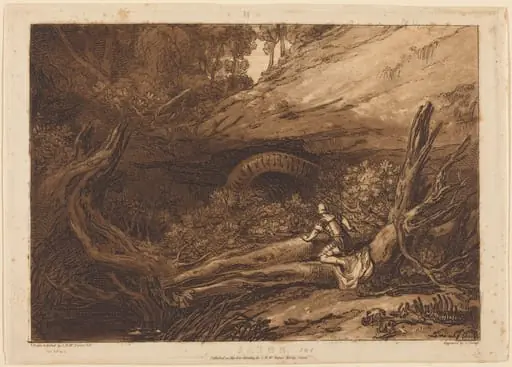
Lord Newton is a portrait print created by Charles Turner in 1814. Turner, an English engraver and draftsman known for his portrait work, produced this piece during a period that also saw his collaboration with J.M.W. Turner on the Liber Studiorum project.
Subject & Meaning
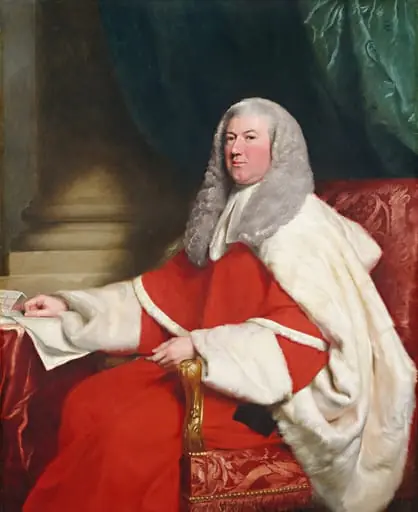
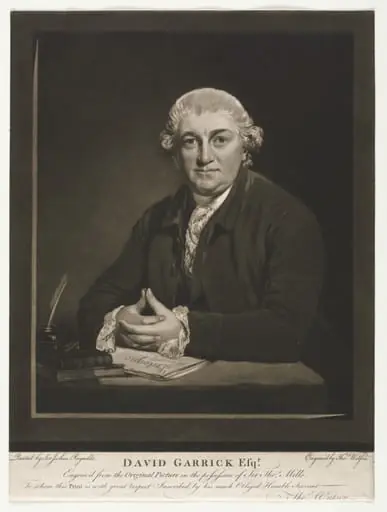
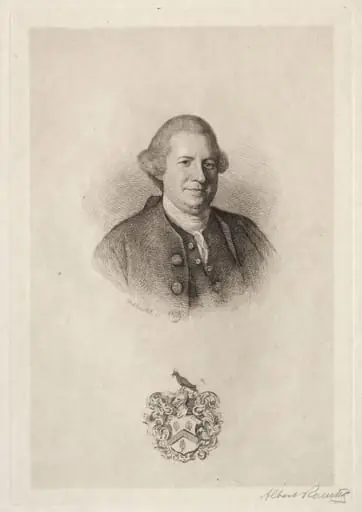
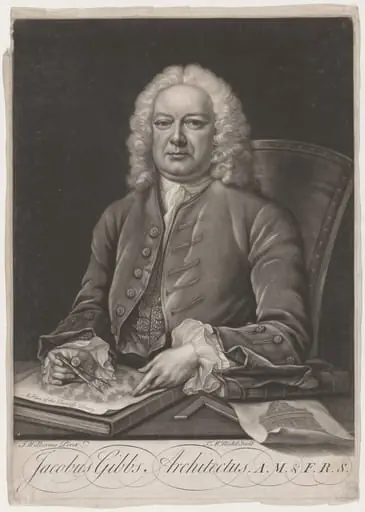
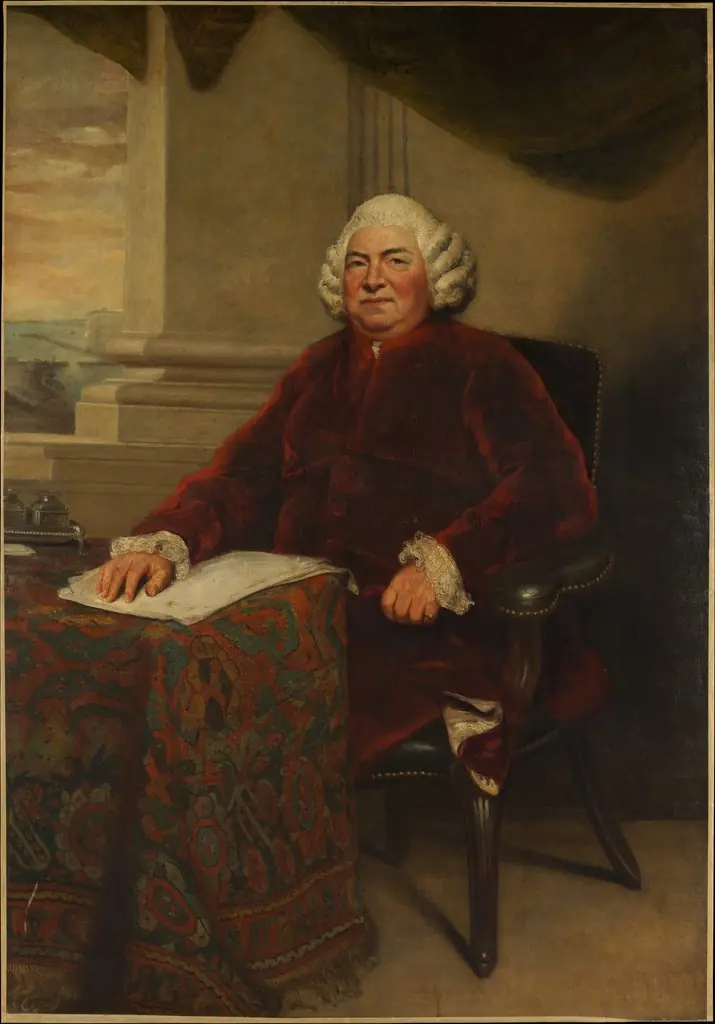
The print depicts an unidentified male figure dressed in formal, dark attire over a white shirt, with curly white hair. His neutral expression and gaze, directed slightly left of the viewer, convey a sense of solemnity without revealing specific character or identity.
Technique & Style
Turner employed a strong contrast of light and dark (chiaroscuro) to add depth and dimensionality, particularly in the subject's face and clothing. This technique accentuates the facial features, drawing the viewer's focus to the subject's countenance.
History & Provenance
Created in 1814, the print's provenance and the subject's identity as 'Lord Newton' remain the primary known historical details. Charles Turner's broader practice included portrait engraving and collaborations with notable artists of his time.
Context
Lord Newton reflects the early 19th-century English portrait tradition, characterized by formal depictions of individuals, often with an emphasis on capturing likeness and conveying social status through attire.
Legacy
While Lord Newton does not stand out as a landmark work in Charles Turner's oeuvre, it exemplifies his skill in portrait engraving, a genre that contributed to the broader artistic landscape of early 19th-century England.
Artist & collection
Artist
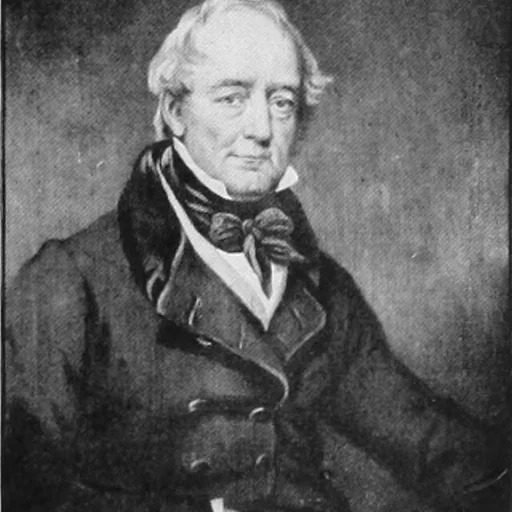
Charles Turner (31 August 1774 – 1 August 1857) was an English engraver and draughtsman who specialised in portraiture. He collaborated with J. M. W. Turner (to whom he was not related) on the early plates of the same's Liber Studiorum.