Artwork
Kotka järven rannalla
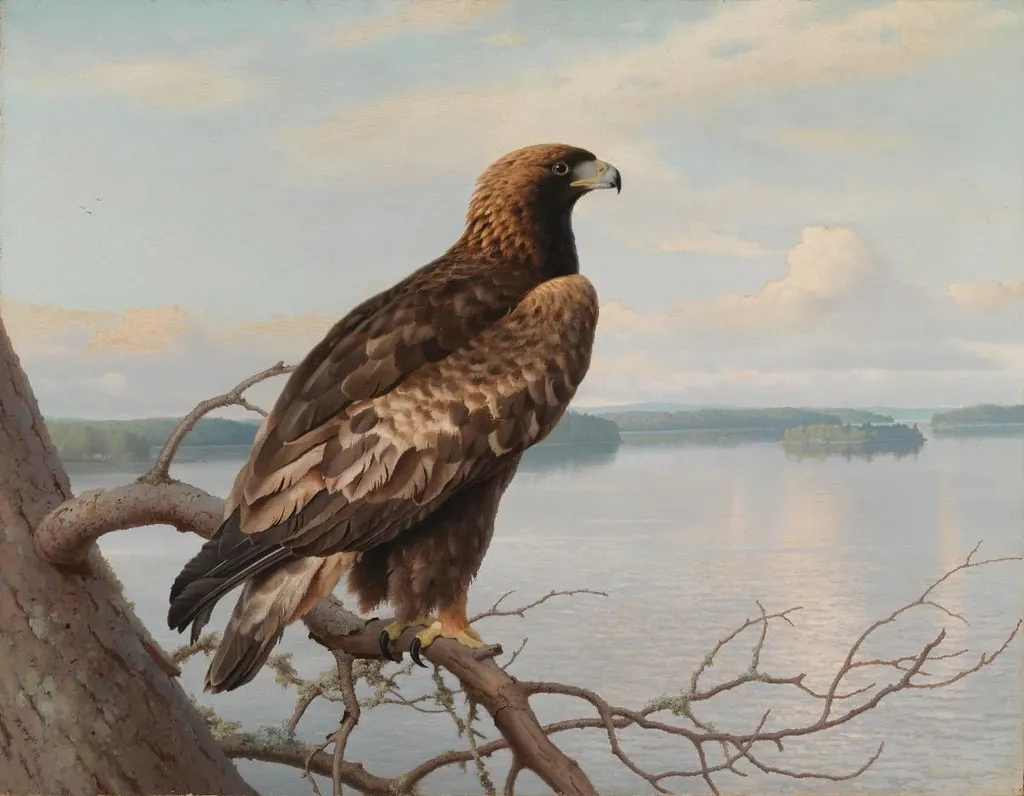
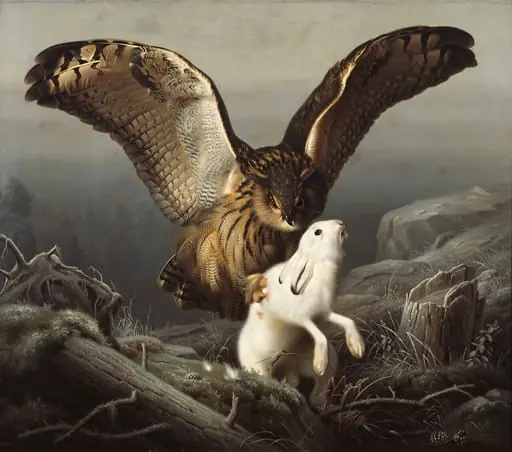
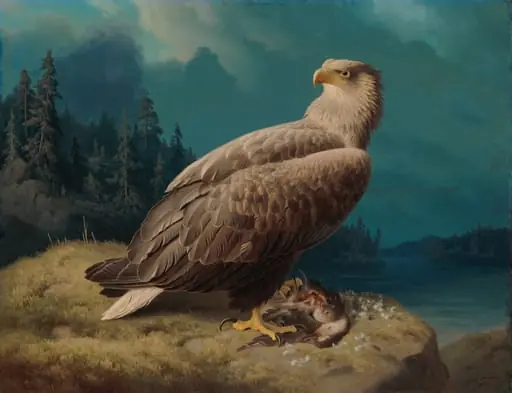
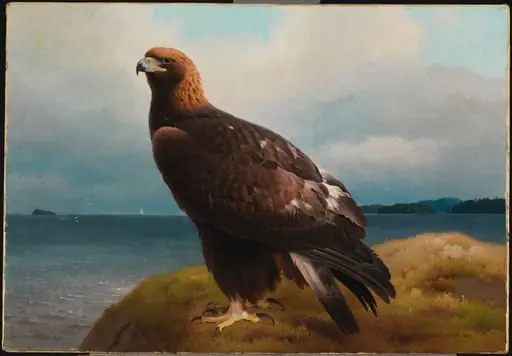
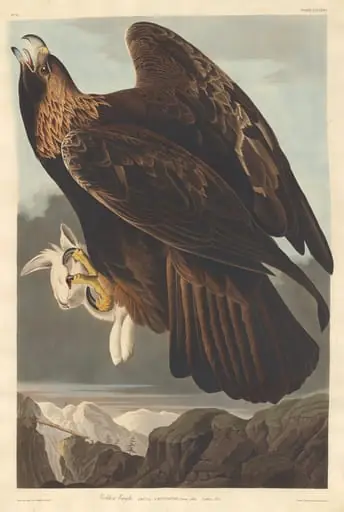
Kotka järven rannalla is an unspecified painting by Ferdinand von Wright. It is held in the collection of the Finnish National Gallery. The painting shows a golden eagle perched on a tree branch, gazing across a quiet lake framed by wooded hills.
About this work
Overview
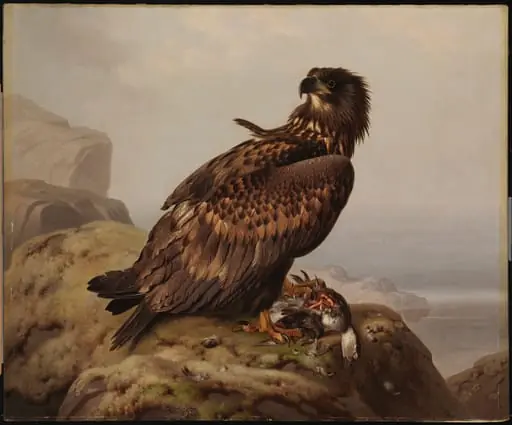
The painting shows a golden eagle perched on a tree branch, gazing across a quiet lake framed by wooded hills. The composition emphasizes stillness and observation, with the bird as the focal point against a tranquil natural setting. The artist employs careful tonal contrasts to suggest depth, drawing the viewer’s eye from the eagle’s form to the distant horizon.
Subject & Meaning
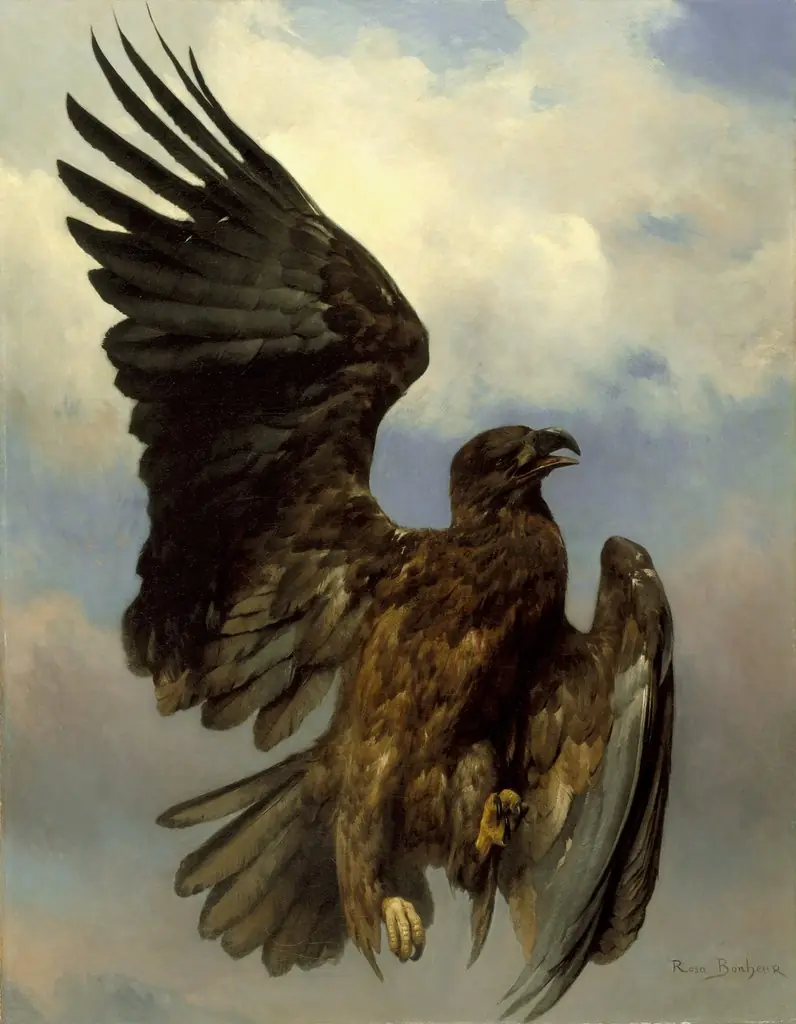
The eagle, a symbol of vigilance and solitude, is depicted in a moment of quiet alertness. Its outstretched wings and focused gaze suggest readiness, not aggression. The stillness of the lake and surrounding forest reinforces a sense of natural order, inviting contemplation rather than narrative. The scene reflects an appreciation for wildlife in its unaltered environment.
Technique & Style
Feathers are rendered with subtle gradations of brown and gold, using fine brushwork to suggest texture without overt detail. Light falls diagonally across the bird and landscape, creating soft shadows that enhance volume. The background is rendered with looser strokes, guiding focus toward the eagle while maintaining atmospheric depth through muted tones and spatial recession.
History & Provenance
Though the artist’s identity is not recorded, the work’s approach aligns with 19th-century Scandinavian naturalist traditions. Its emphasis on precise avian anatomy and landscape harmony recalls the style of Ferdinand von Wright, whose studies of Finnish wildlife were widely recognized. The painting likely emerged from a regional artistic circle committed to observational realism.
Context
During the late 1800s, interest in native wildlife grew alongside national romantic movements in Finland and Scandinavia. Artists increasingly turned to nature as subject matter, moving away from mythological or aristocratic themes. This painting fits within that shift, valuing the quiet dignity of the wild over human intervention.
Legacy
The work contributes to a broader tradition of Nordic wildlife art that prioritized accuracy and emotional restraint. While not widely exhibited, it reflects a regional commitment to documenting the natural world with quiet precision. Its influence lies in its quiet fidelity to observation, inspiring later generations of naturalist painters in the region.
Artist & collection
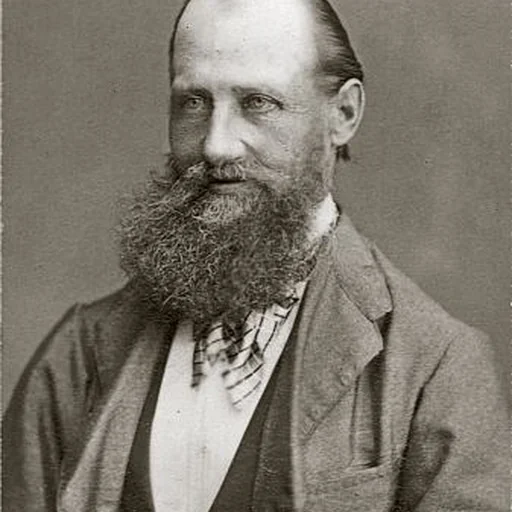
Artist
Ferdinand von Wright (19 March 1822, Haminalahti, near Kuopio - 31 July 1906, Kuopio) was a Finnish painter (belonging to Swedish-speaking population of Finland) - He is best known for his landscapes and animal…