Artwork
Silen
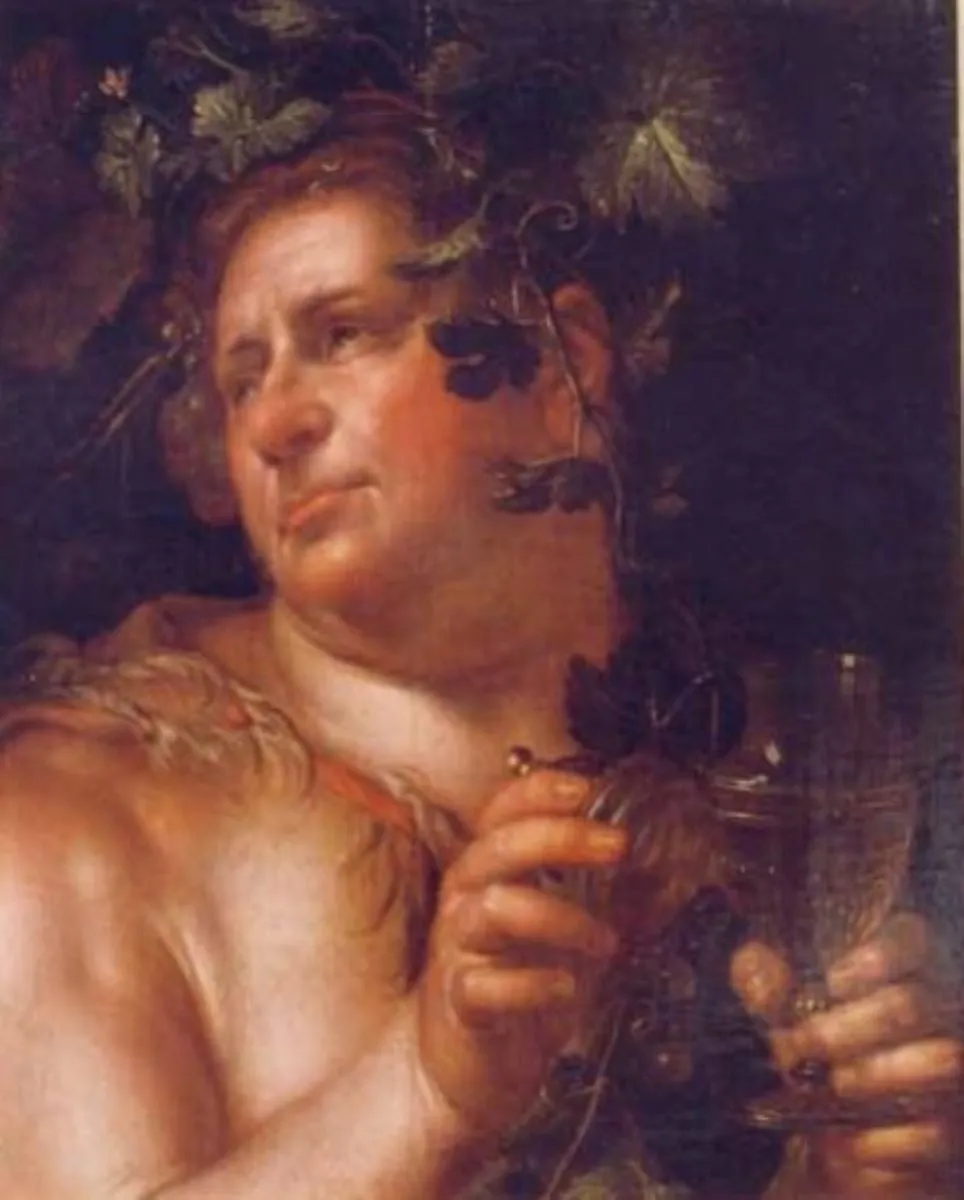
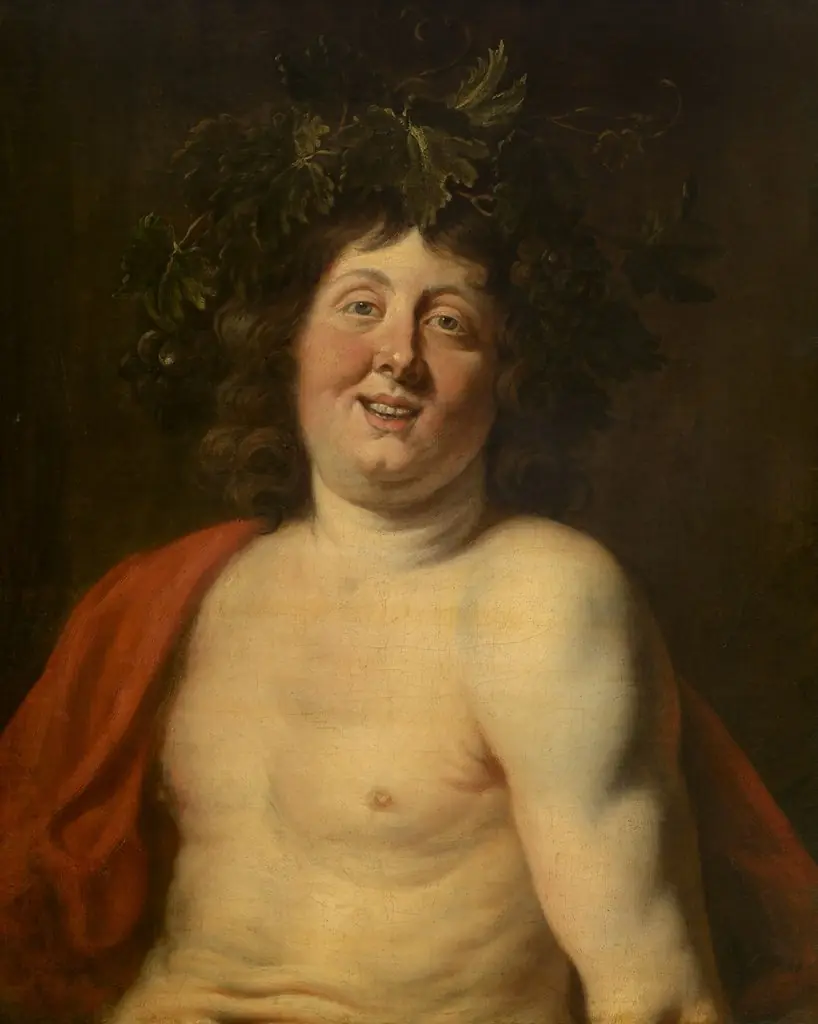
Silen is an unspecified painting by the Mannerist artist Joachim Anthonisz Wtewael. It dates from 1650 and is held in the collection of the Brukenthal National Museum.
About this work
Overview
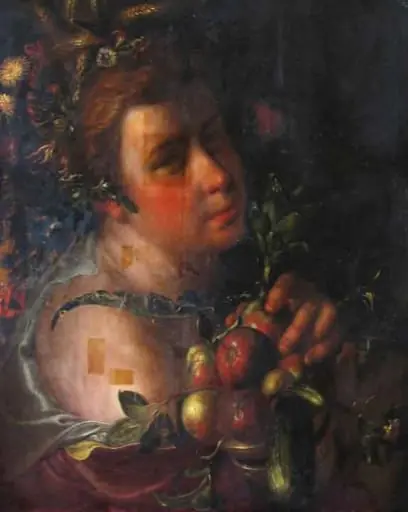
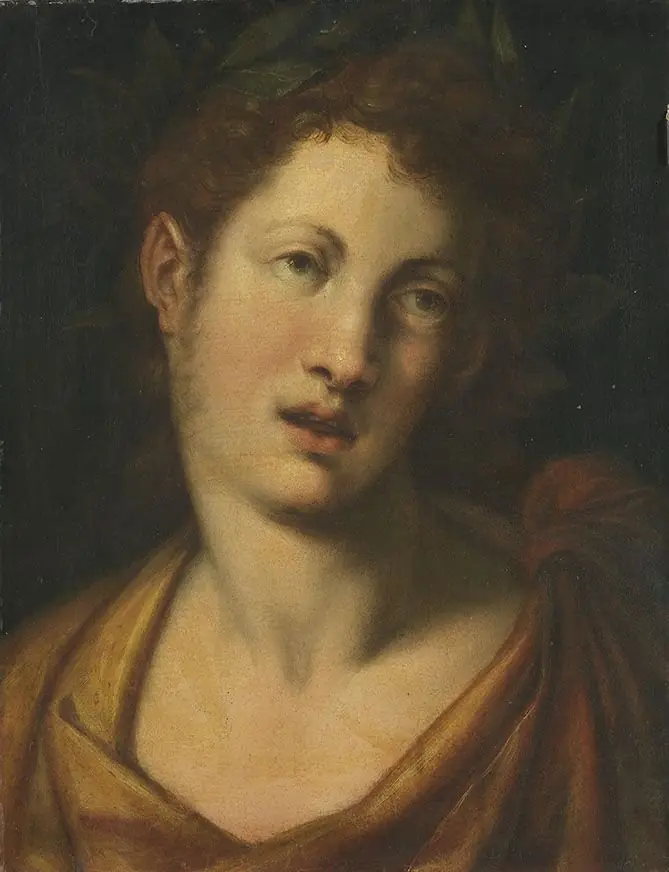
The composition centers on a solitary male figure seated in a dim interior, his expression weary and his skin rendered in warm, sun‑kissed tones.
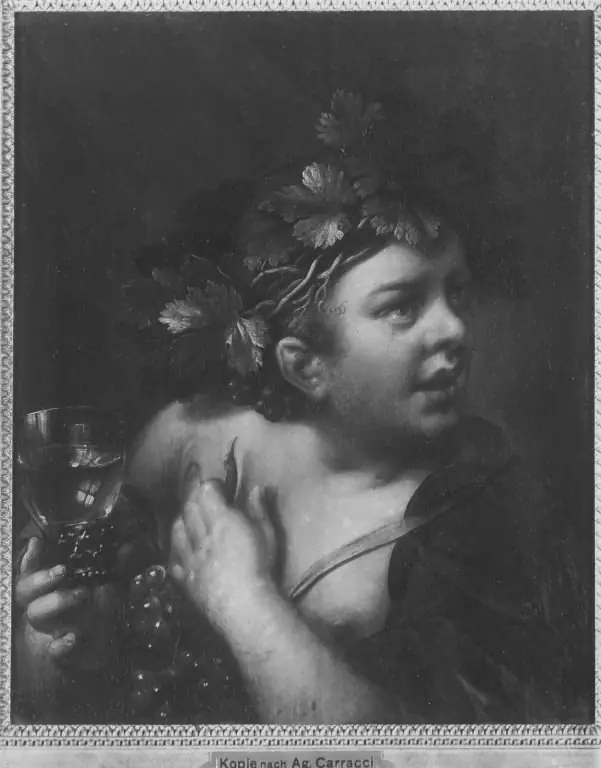
Silen is a mid‑17th‑century mythological work attributed to the Dutch painter Joachim Anthonisz Wtewael, dated approximately 1650. The composition centers on a solitary male figure seated in a dim interior, his expression weary and his skin rendered in warm, sun‑kissed tones. A modest wreath of foliage crowns his head, and he cradles a bunch of grapes in his hands, while the surrounding space recedes into deep shadow.
Subject & Meaning
The lone figure is traditionally identified with the mythic Silenus, the aged companion of Dionysus, often portrayed as a lover of wine and revelry. The grapes he holds reinforce this association, symbolizing both the bounty of the vine and the indulgent excess linked to the god of wine. The subdued mood and half‑hidden posture suggest a moment of contemplation or fatigue after festivity.
Technique & Style
Wtewael employs a pronounced chiaroscuro effect, juxtaposing a luminous, warm flesh tone against a dark, indistinct background. This contrast sharpens the facial features and the texture of the grapes, guiding the viewer’s eye to the central figure. The handling of light is subtle yet decisive, creating a three‑dimensional presence within a relatively flat pictorial space, characteristic of Dutch Baroque portraiture.
History & Provenance
The painting is known from a limited number of references and has been catalogued as a work from around 1650, a period when Wtewael was active in Utrecht. Its provenance prior to the modern era is not thoroughly documented, and it has appeared in several scholarly listings of the artist’s mythological oeuvre, confirming its attribution to his hand.
Artist & collection