Artwork
Flowering Plants
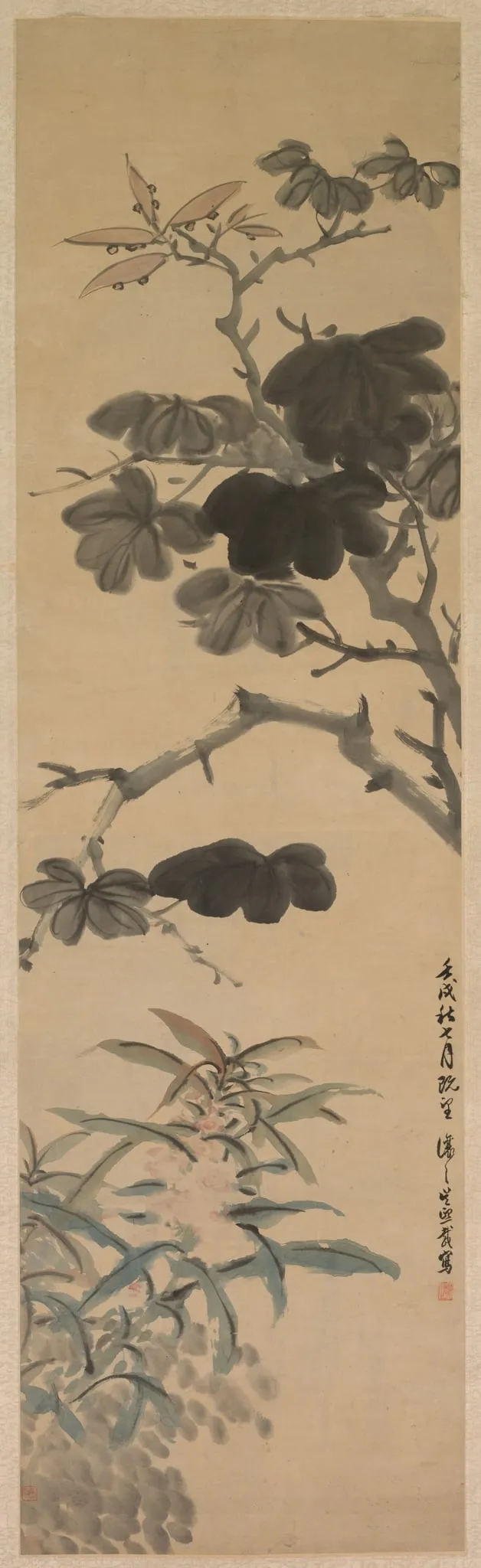
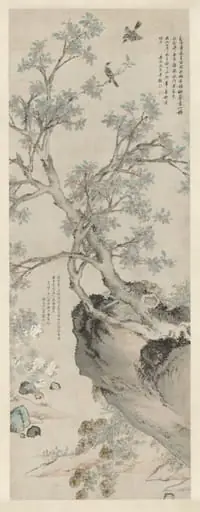
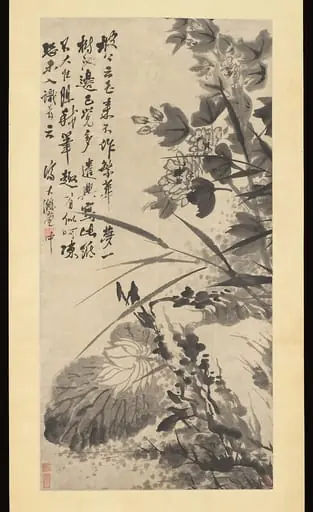
Flowering Plants is an unspecified painting by the Impressionist artist Wu Rangzhi. It dates from 1862 and is held in the collection of the Cleveland Museum of Art.
About this work
Overview
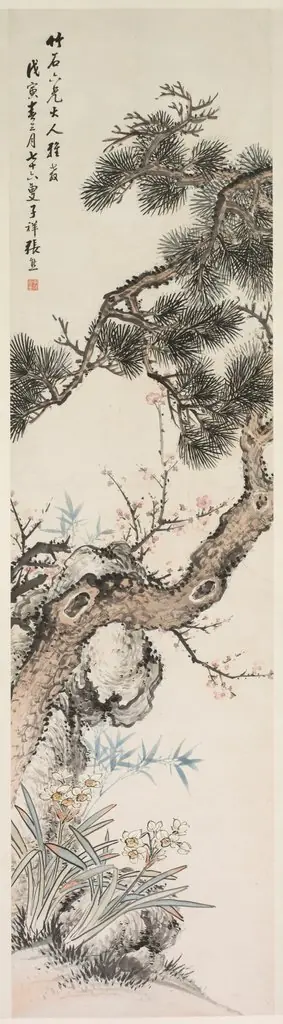
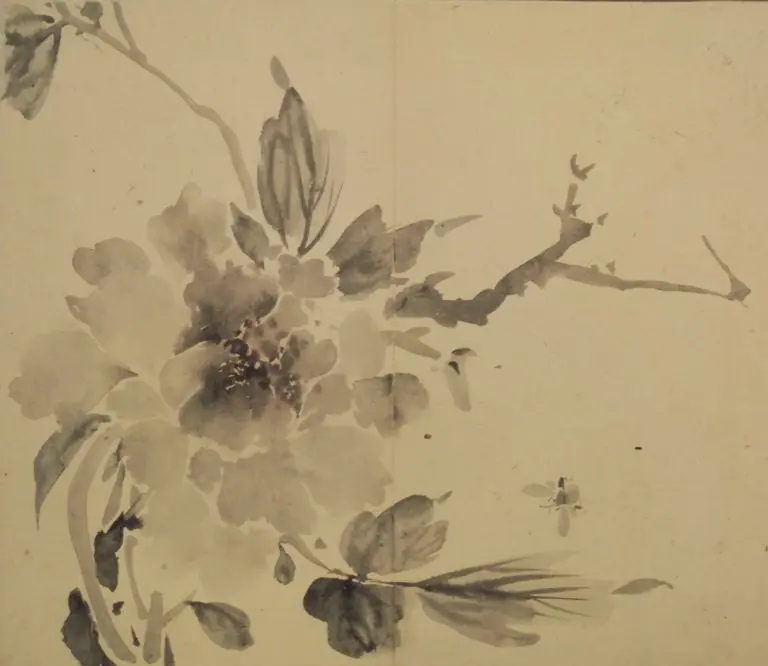
Painted in 1862 by Wu Rangzhi, Flowering Plants is a ink-and-color work on paper depicting a natural arrangement of branches and blossoms.
Painted in 1862 by Wu Rangzhi, Flowering Plants is a ink-and-color work on paper depicting a natural arrangement of branches and blossoms. The composition is uncluttered, with plants emerging against a pale, unadorned background. The artist’s attention to botanical detail and subtle tonal shifts reflects a quiet engagement with the natural world, characteristic of late Qing dynasty literati painting traditions.
Subject & Meaning
The painting presents a modest cluster of flowering branches, likely chosen for their seasonal vitality and unassuming beauty. Rather than symbolizing grand themes, the subject emphasizes the quiet dignity of ordinary plant life. The arrangement invites contemplation of growth, transience, and the interplay between structure and spontaneity in nature, aligning with scholarly ideals of harmony with the natural world.
Technique & Style
Wu employed loose, expressive brushwork to capture the movement and texture of leaves and petals. Dark ink defines some foliage with boldness, while lighter washes of green and blue suggest delicate, sunlit surfaces. The contrast between opaque and translucent applications creates a sense of depth and luminosity. The strokes are swift yet deliberate, conveying vitality without overt ornamentation.
History & Provenance
Created during Wu Rangzhi’s mature period, the painting entered the collection of The Cleveland Museum of Art in the 20th century. Its provenance traces back to private Chinese collections, where such works were often kept for personal reflection rather than public display. The piece has remained largely unstudied outside specialized circles, preserving its quiet, intimate character.
Context
Wu Rangzhi worked within the literati tradition, where painting was an extension of scholarly self-cultivation. Unlike court-sponsored art, his work avoided grand narratives, favoring understated naturalism. Flowering Plants reflects the 19th-century shift toward personal expression in Chinese painting, as artists turned inward amid political instability, finding meaning in the rhythms of the natural world.
Legacy
Though not widely exhibited, the painting exemplifies a quiet strand of Qing-era art that prioritized observation over spectacle. Its influence is seen in later artists who valued spontaneity and tonal nuance over rigid formalism. The work endures as a testament to the enduring appeal of botanical subjects in Chinese painting, valued for their meditative presence rather than decorative appeal.
Artist & collection