Artwork
Portrait of Hendrik Casimir I (1612-40), Count of Nassau-Dietz
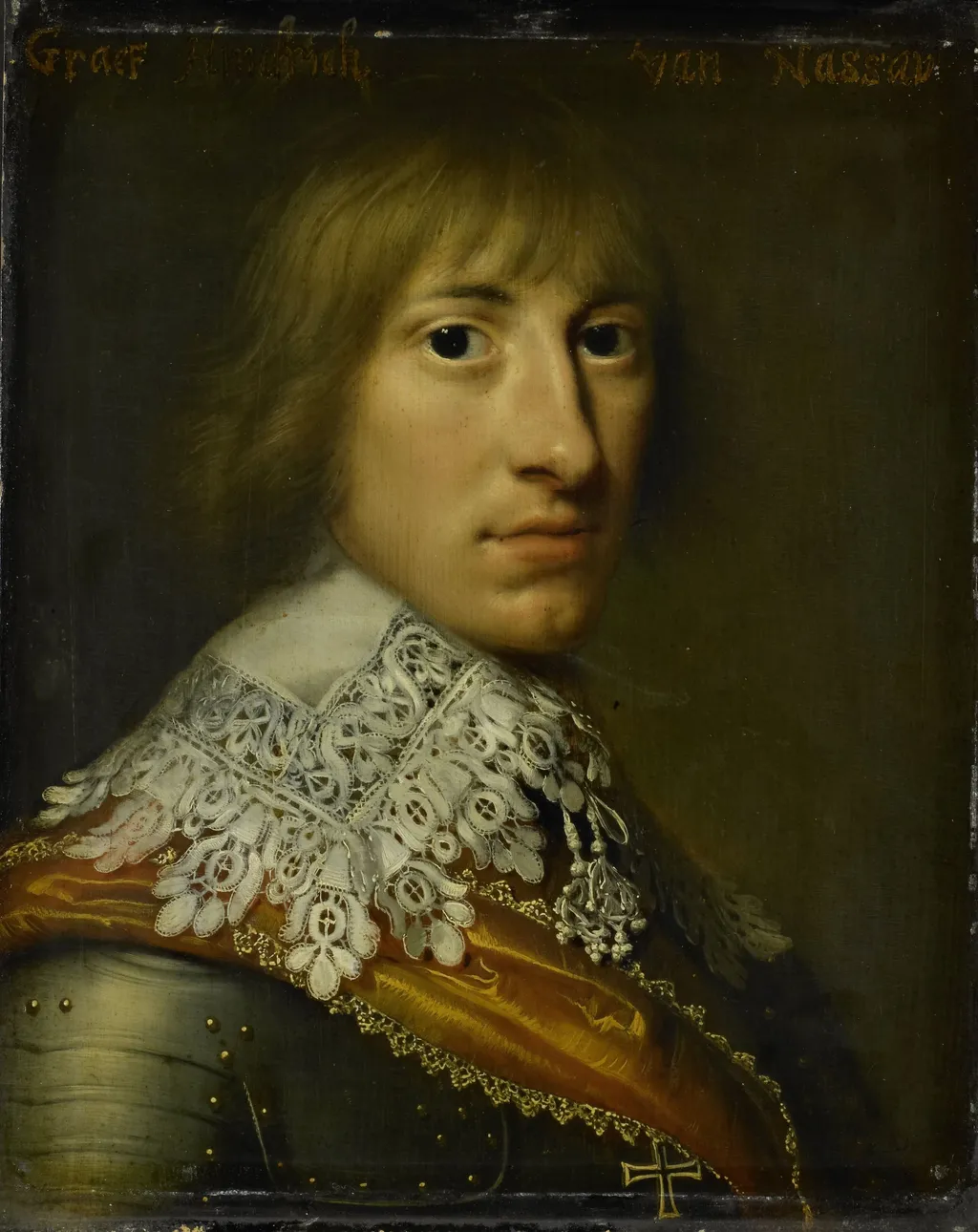
Portrait of Hendrik Casimir I (1612-40), Count of Nassau-Dietz is an oil painting by the Dutch Golden Age artist Wybrand de Geest. It dates from 1632 and is held in the collection of the Rijksmuseum.
About this work
Overview
Wybrand de Geest’s oil portrait of Hendrik Casimir I, Count of Nassau‑Dietz, dates from 1632 and is part of the Rijksmuseum’s collection. The work presents the young nobleman in a restrained pose, his face illuminated against a dark, unadorned backdrop, drawing immediate attention to his expression and attire.
Subject & Meaning
The sitter, Hendrik Casimir I (1612‑1640), was a prominent member of the House of Nassau‑Dietz, a branch of the Dutch aristocracy. The portrait likely served to affirm his status and lineage, emphasizing the dignified bearing expected of a count in the early seventeenth‑century Dutch Republic.
Technique & Style
De Geest employs a subtle chiaroscuro, allowing light to model the sitter’s features while the surrounding darkness recedes. The finely rendered lace collar and gold‑trimmed dark garments showcase meticulous brushwork and a keen interest in texture, characteristic of Dutch portraiture of the period.
History & Provenance
Created in 1632, the painting has remained in Dutch hands, eventually entering the Rijksmuseum’s holdings. Its documented provenance traces a straightforward path from the Nassau‑Dietz family collection to the national museum, where it has been displayed as part of the Dutch Golden Age portrait series.
Context
The portrait belongs to a broader tradition of early‑modern Dutch aristocratic portraiture, where artists balanced realism with symbolic elements of rank. De Geest, active in Friesland, often painted local elites, and this work reflects both the personal identity of Hendrik Casimir and the visual conventions of his social class.
Artist & collection


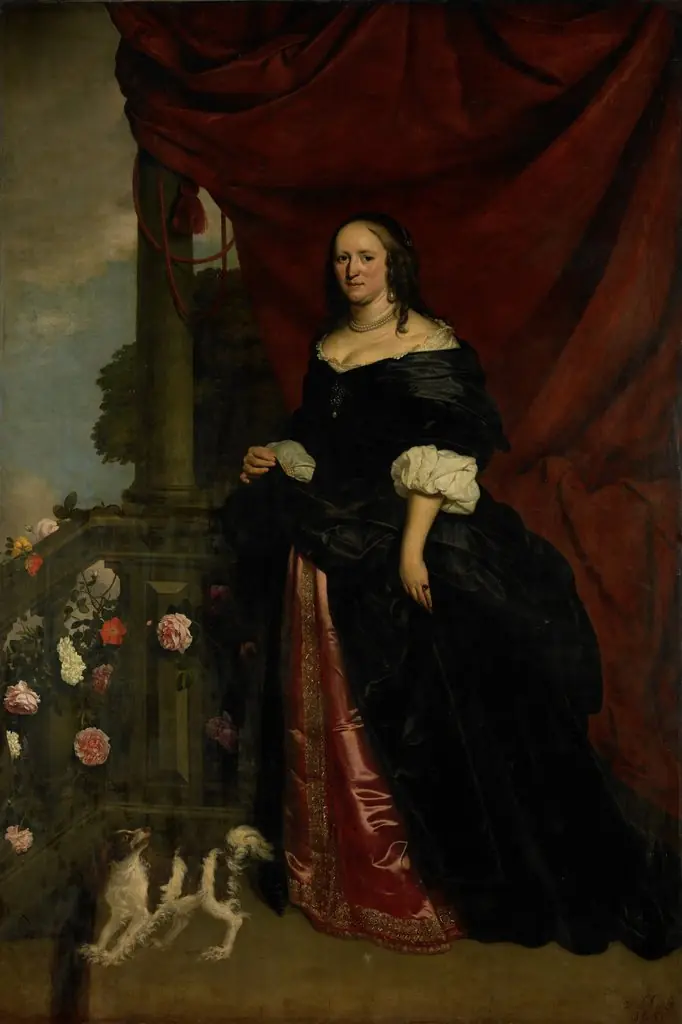 Portrait of a woman, probably Sophia Anna van Pipenpoy (c. 1618-70), Countess of Schellart
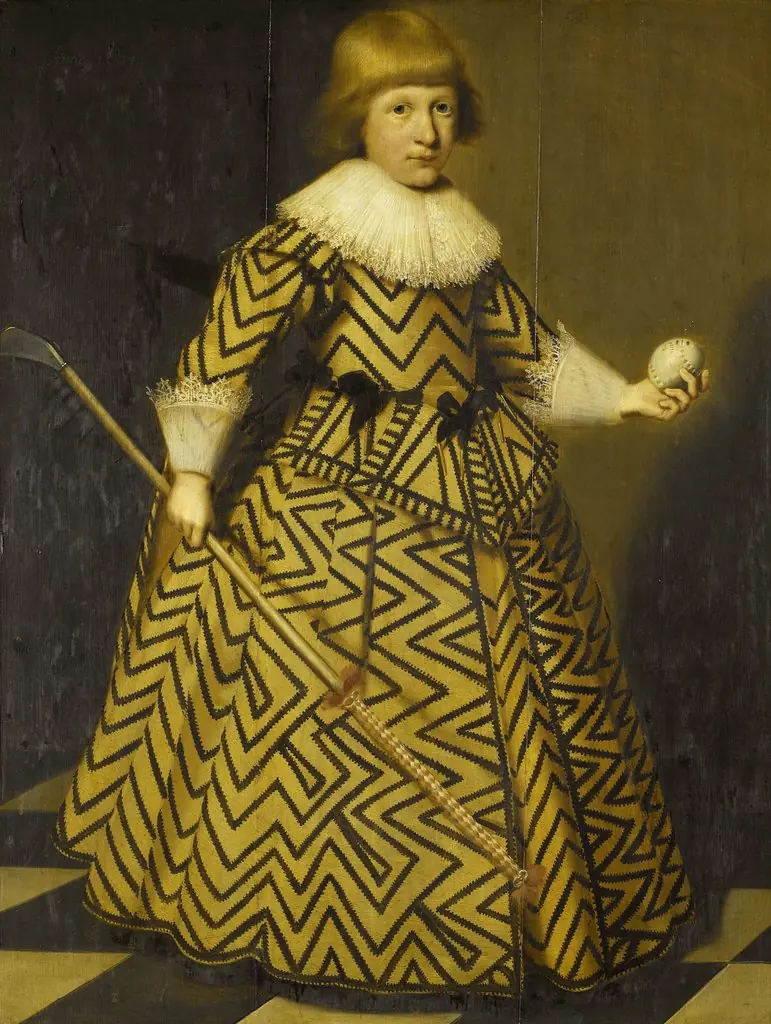 Portrait of a boy with a kolf club
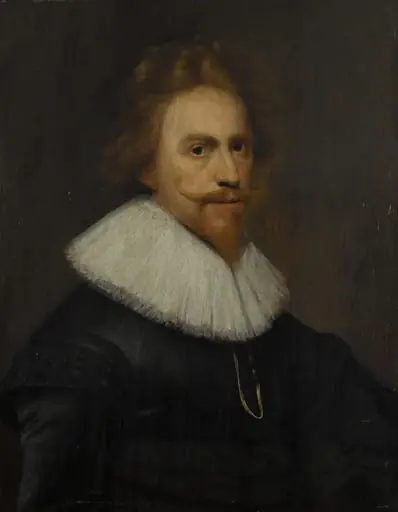 Self-Portrait
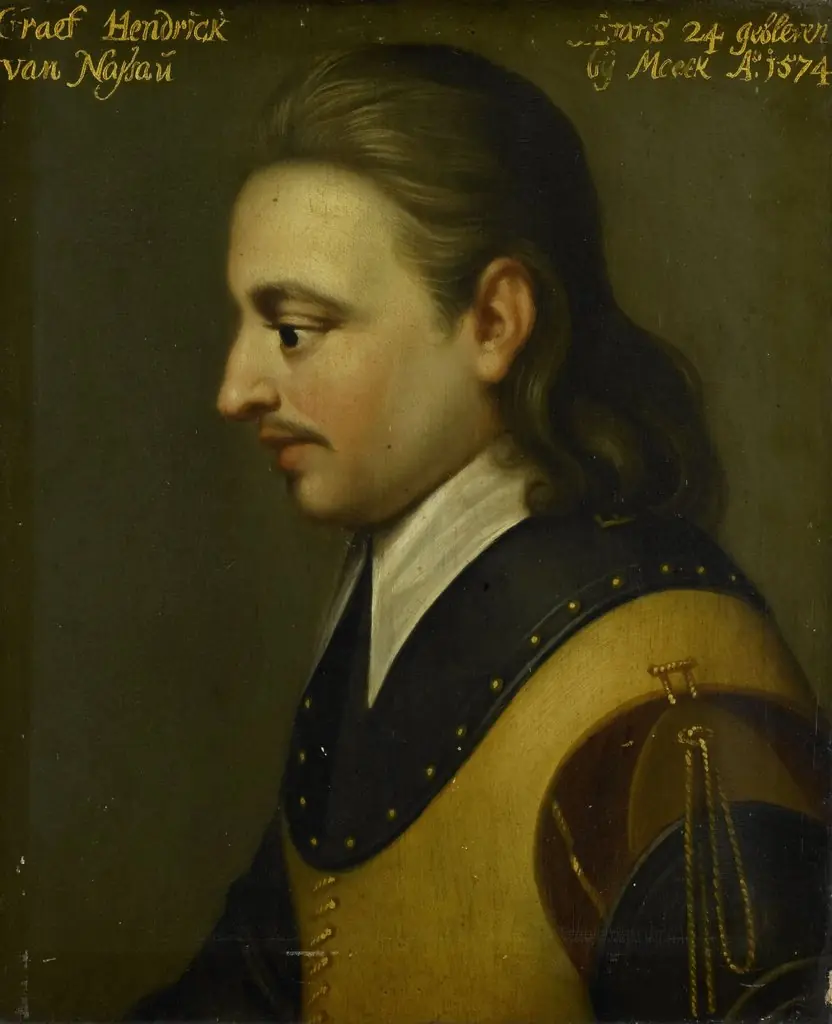 Portrait of Hendrik (1550-74), Count of Nassau
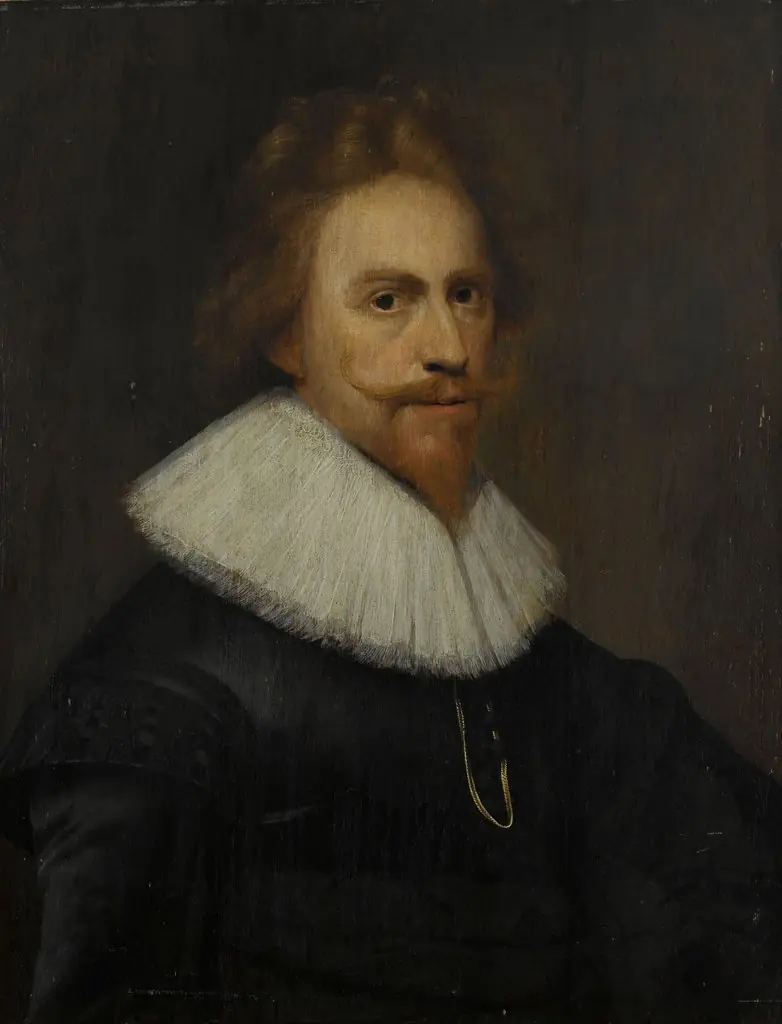 Self-portrait
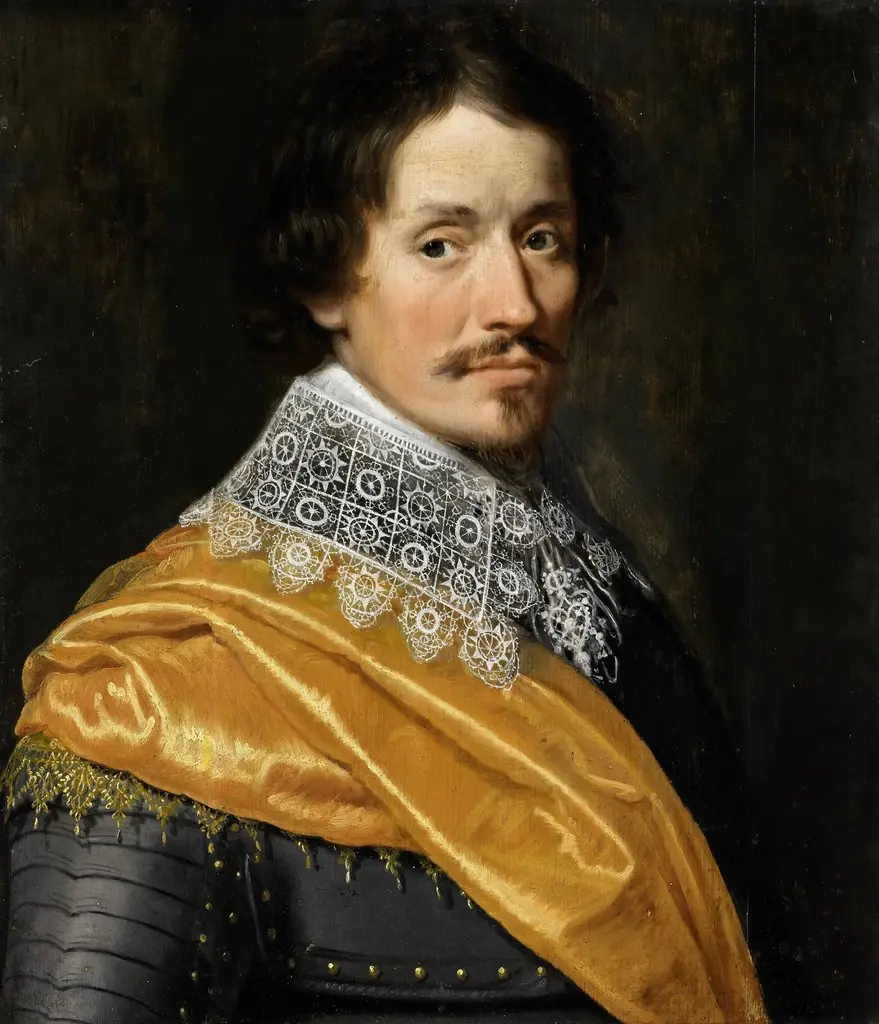 Portrait of an officer
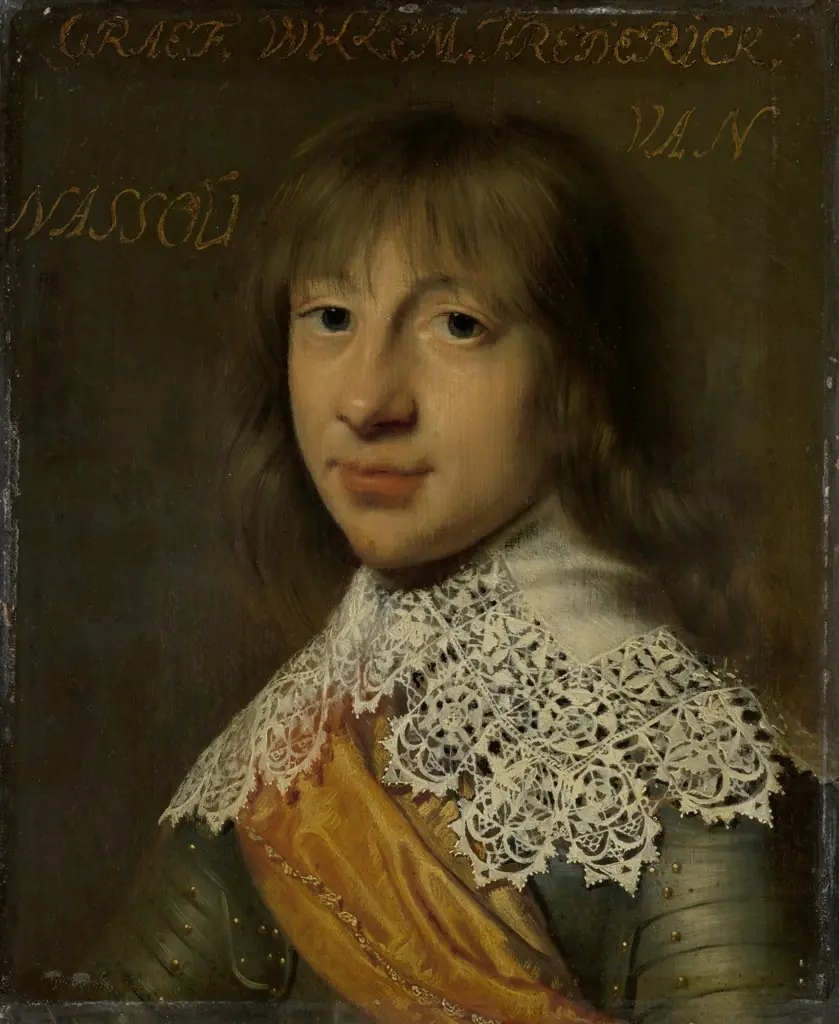 Portrait of Willem Frederik (1613-64), Count of Nassau-Dietz
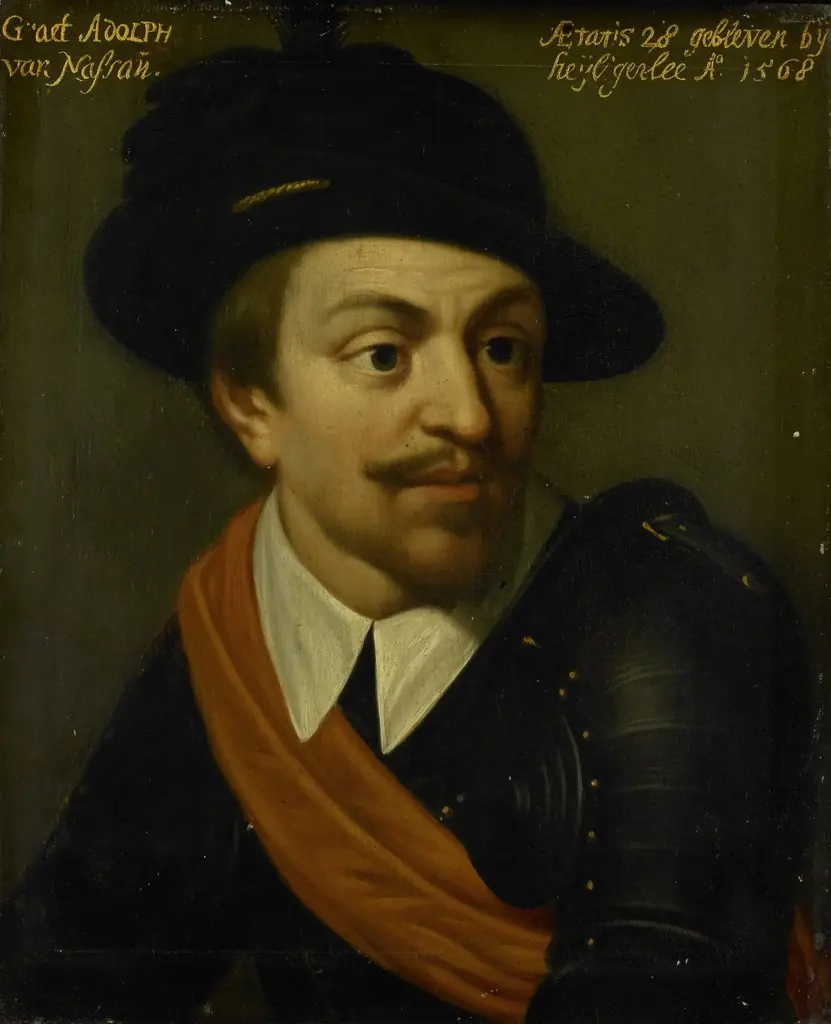 Portrait of Adolf (1540-68), Count of Nassau