Artwork
Joy of Life
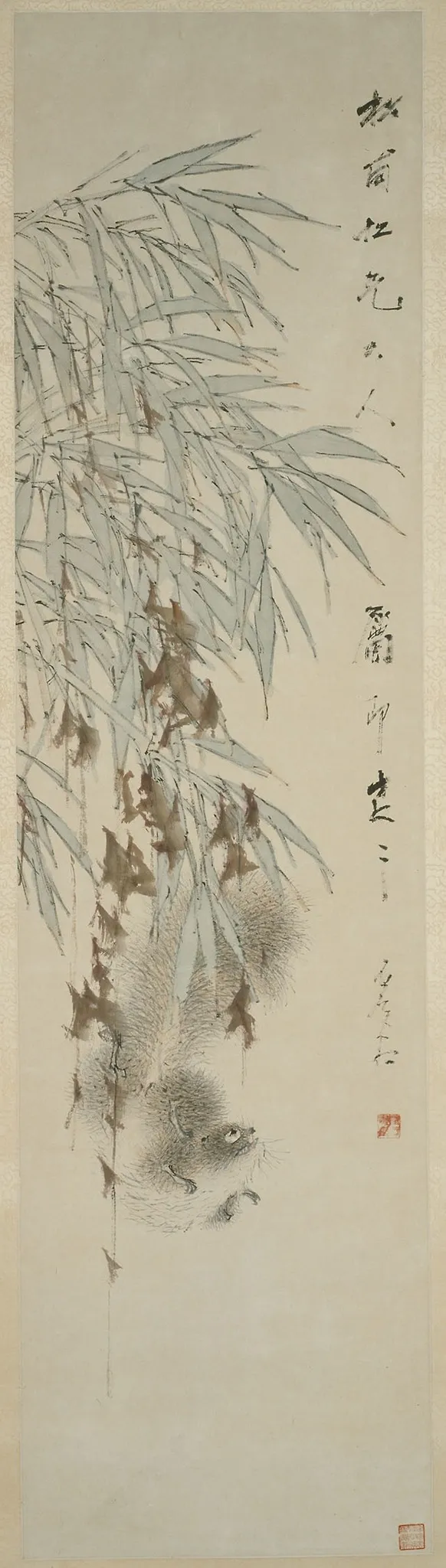
Joy of Life is an unspecified painting by Xugu. It dates from 1860 and is held in the collection of the Art Institute of Chicago.
About this work
Overview
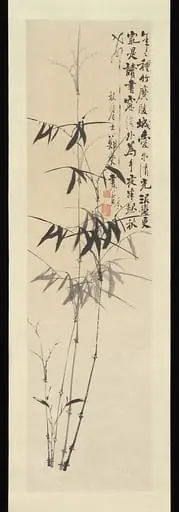
Joy of Life, created by Qing Dynasty artist Xu Gu in 1860, is a Chinese ink painting that embodies the serene and contemplative aspects of traditional natural scene depictions.
Subject & Meaning
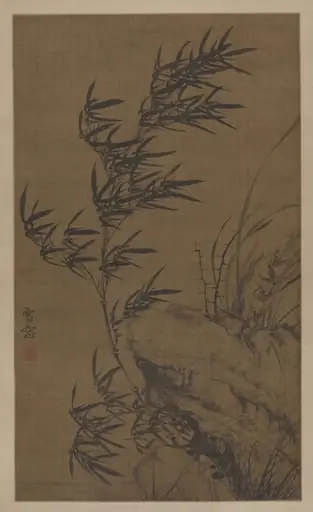
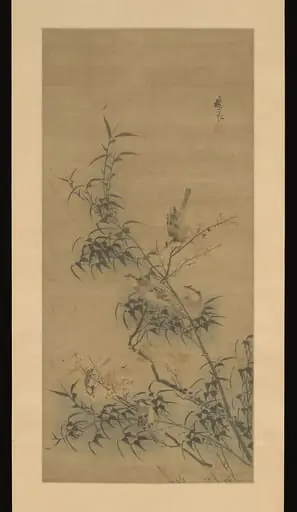
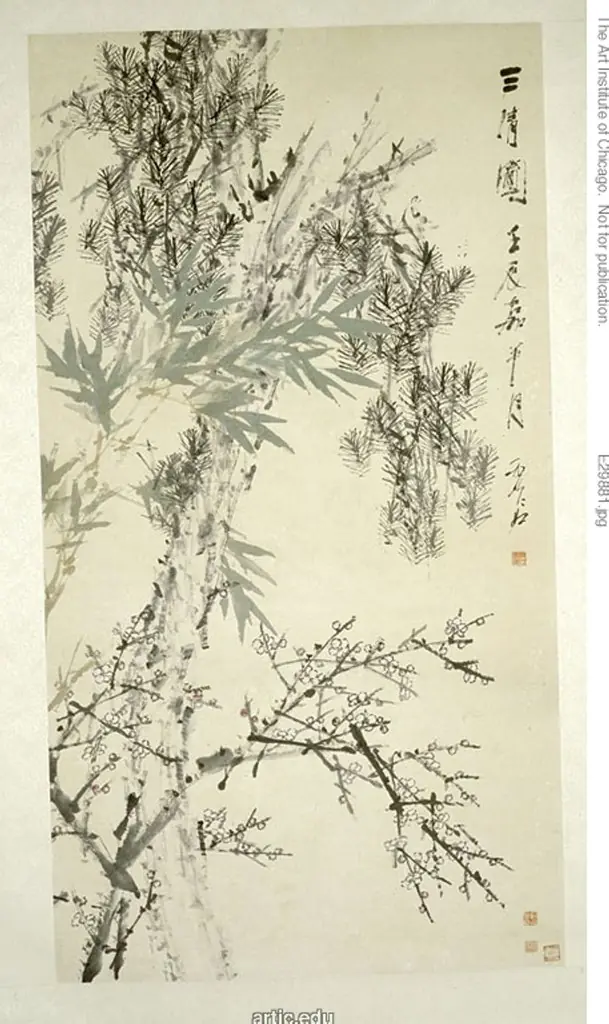
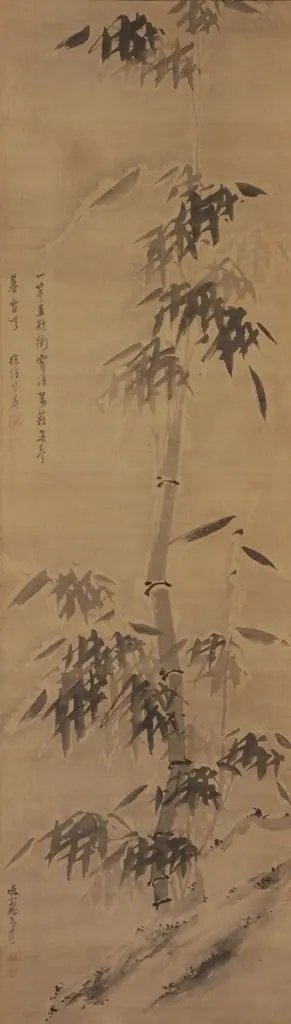
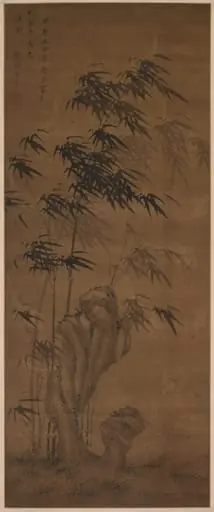
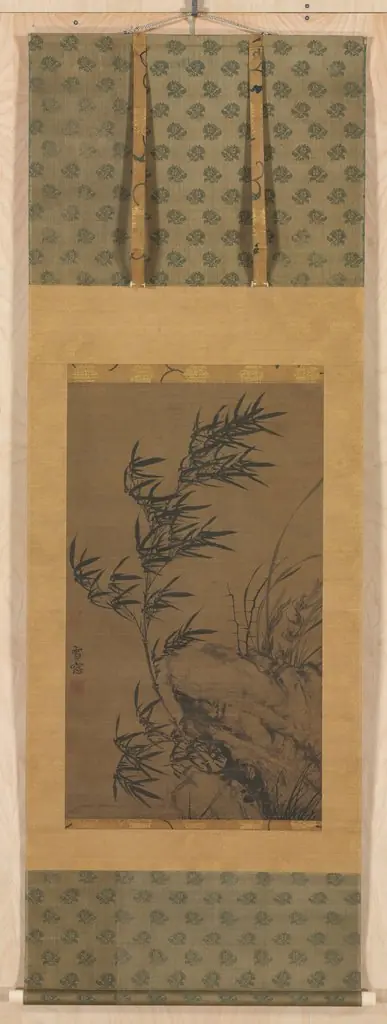
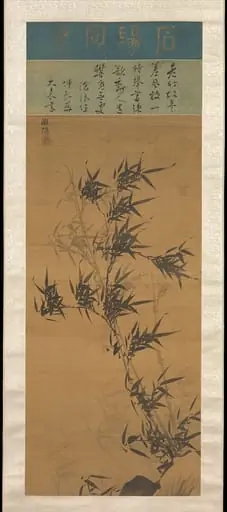
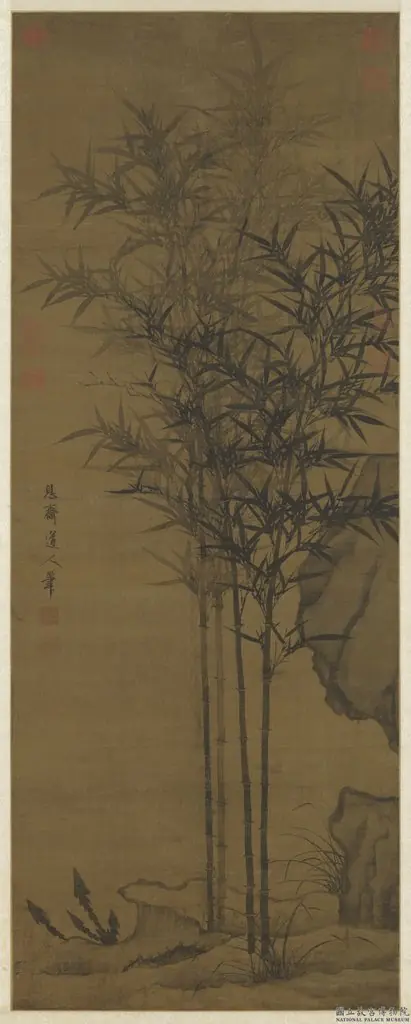
The painting focuses on bamboo, portrayed with long, slender stalks and delicate leaves, conveying harmony. The composition leverages negative space to imply dynamic movement, engaging the viewer.
Technique & Style
Xu Gu employed a nuanced range of grays and browns to achieve depth and texture, with strategic layering of bamboo stalks to create a sense of spatial depth.
History & Provenance
Created in 1860 by Xu Gu, an active painter and poet from 1824 to 1896, the work reflects his distinctive style within the context of enduring traditional Chinese ink painting influences.
Context
Reflecting Xu Gu's poetic sensibility, Joy of Life aligns with his broader oeuvre emphasizing contemplation and harmony, characteristic of his period's artistic values.
Legacy
While specific legacy details of 'Joy of Life' are not provided, Xu Gu's work, including this piece, may contribute to the continued appreciation of traditional Chinese ink painting techniques and themes.
Artist & collection


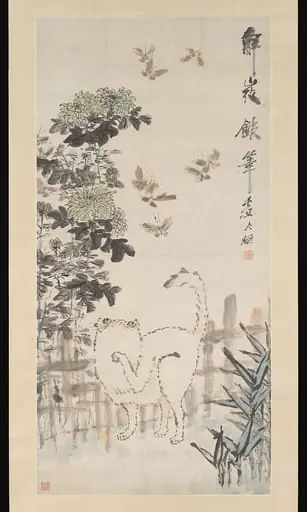 清 虛谷 蝶貓圖 軸|Cat and Butterfly
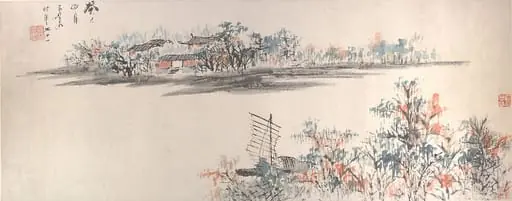 清 虛谷 秋帆圖 冊頁|Sailing in Autumn
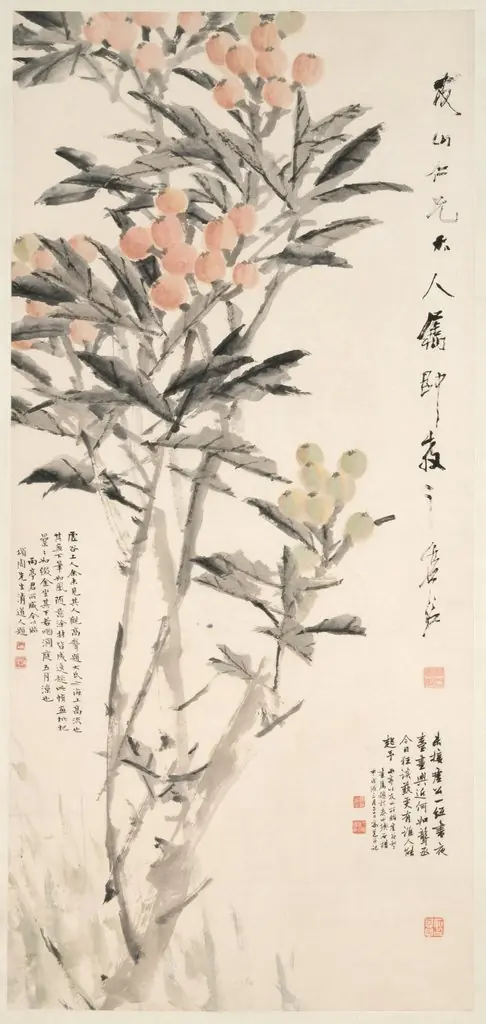 Pipa (Loquats)
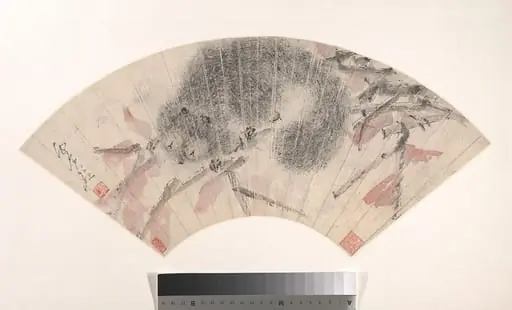 清 虛谷 松鼠 扇面|Squirrel on an Autumn Branch
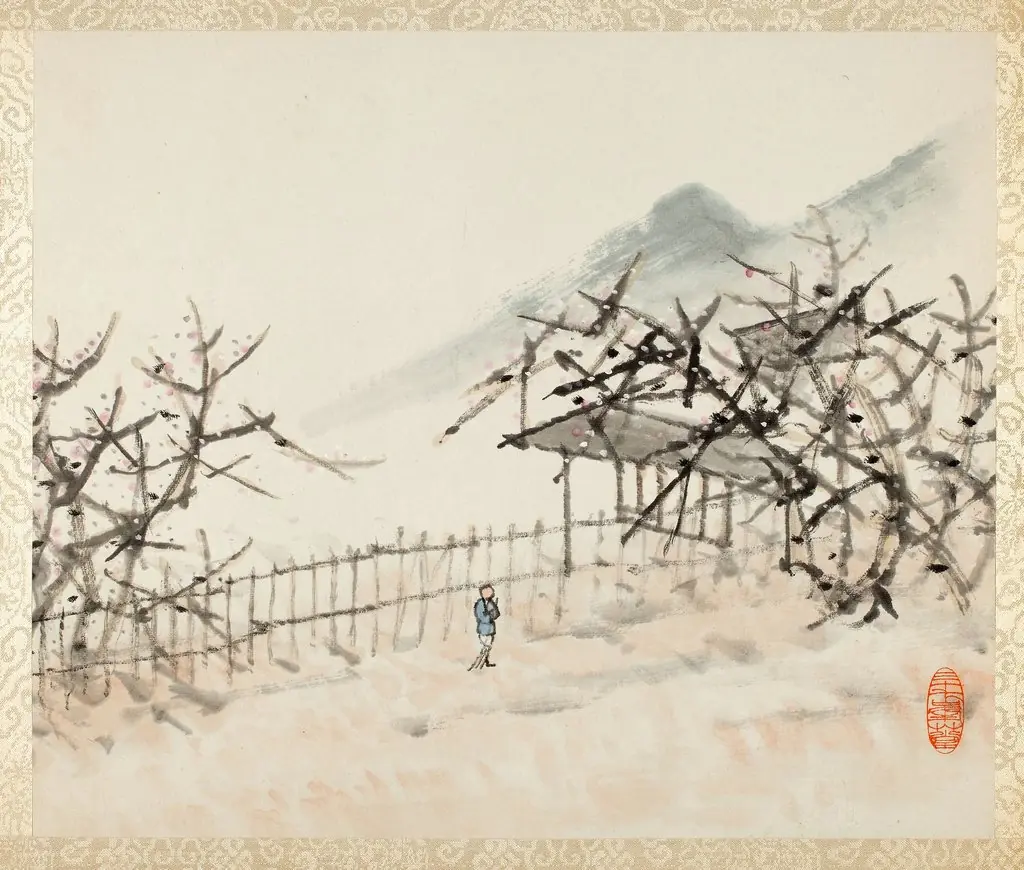 Landscapes for Liu Songfu
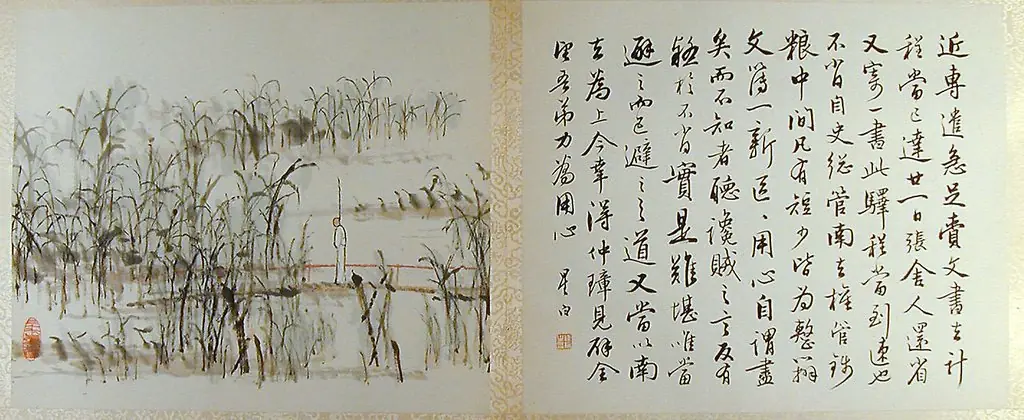 Bridge on a Reed Pond, from an album of Landscapes and Calligraphy for Liu Songfu
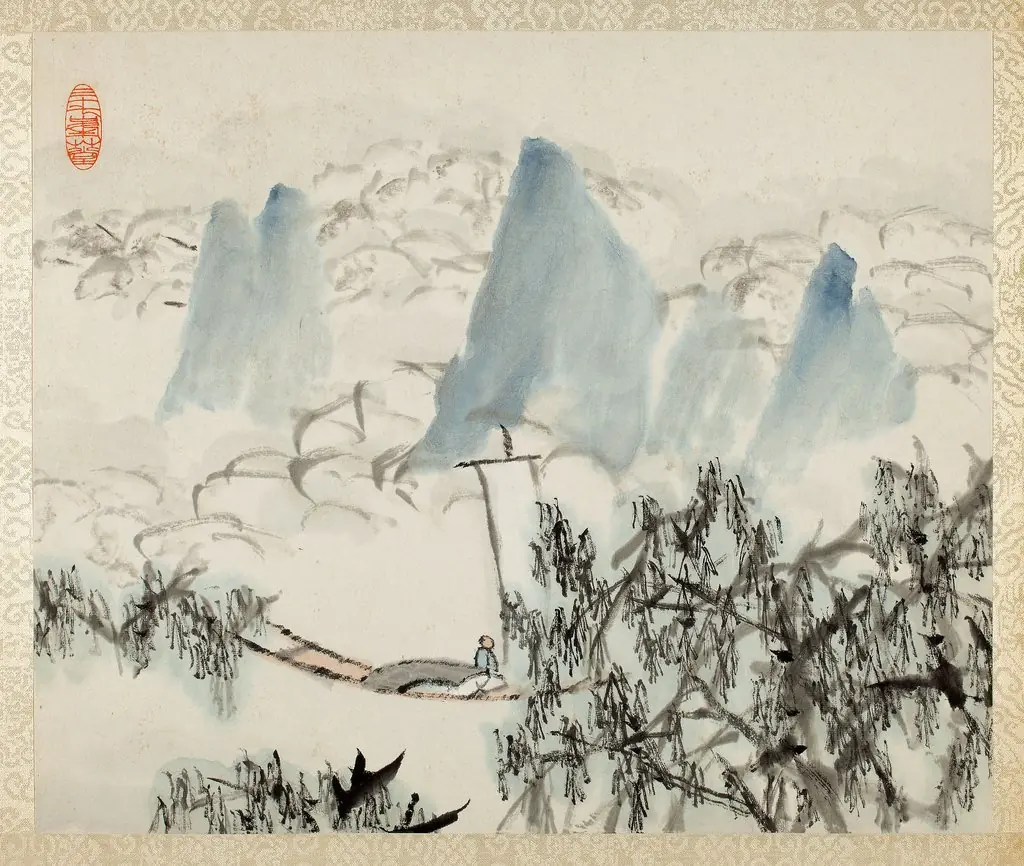 Landscape with Figure, from an album of Landscapes and Calligraphy for Liu Songfu
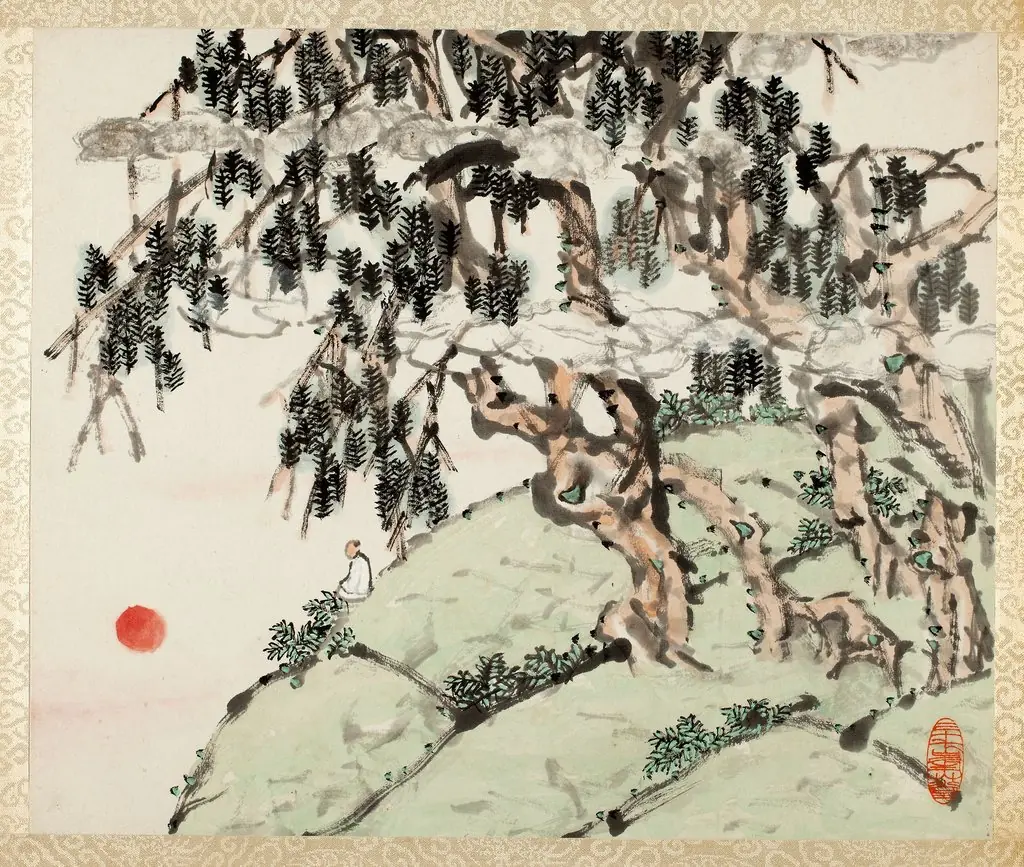 Landscape and Figure, from an album of Landscapes and Calligraphy for Liu Songfu