Artwork
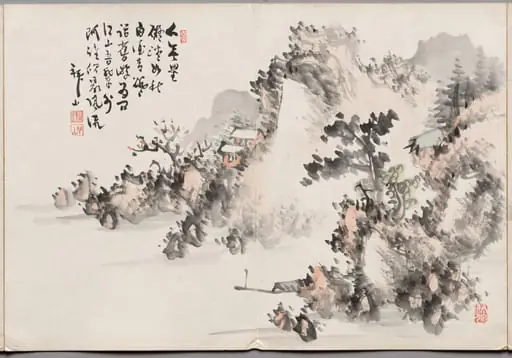
Painting Five from Album of Paintings by Haizan
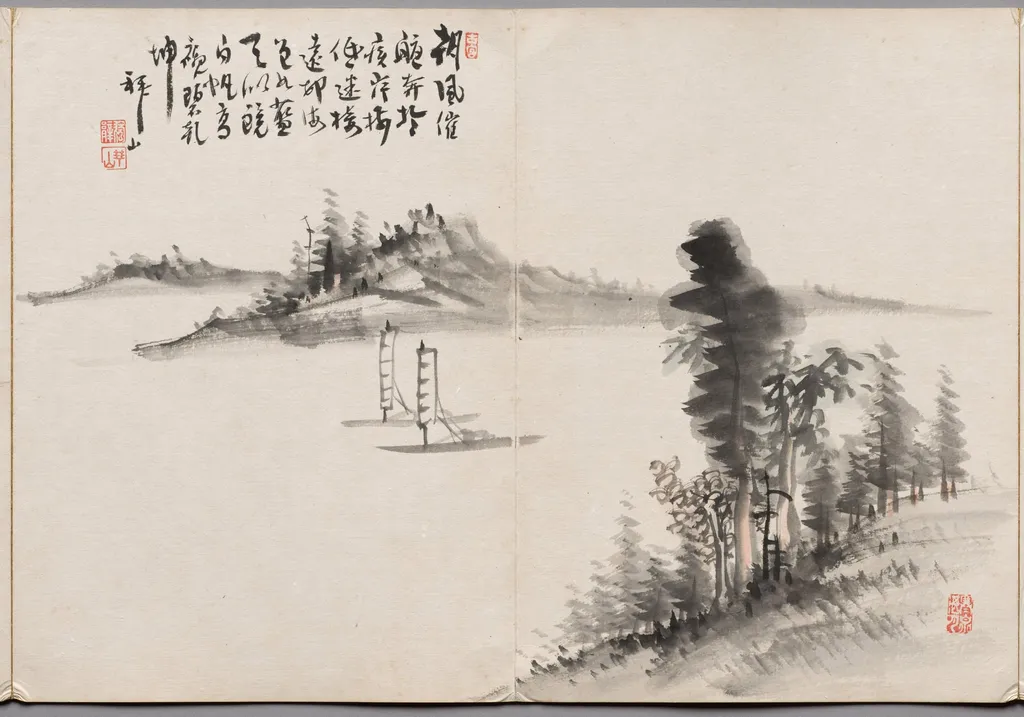
Painting Five from Album of Paintings by Haizan is an unspecified painting by the Impressionist artist Yoshitsugu Haizan. It dates from 1892 and is held in the collection of the Cleveland Museum of Art.
About this work
Overview
Painting Five from Album of Paintings by Haizan is one of a series created in 1892 by Yoshitsugu Haizan, a Japanese artist known for his lyrical landscapes.
Painting Five from Album of Paintings by Haizan is one of a series created in 1892 by Yoshitsugu Haizan, a Japanese artist known for his lyrical landscapes. The work is part of a bound album and is currently held in the collection of The Cleveland Museum of Art. It presents a quiet natural scene without human figures, emphasizing stillness and subtle tonal variation rather than narrative or drama.
Subject & Meaning
The painting depicts a tranquil body of water with a distant island crowned by trees and a single moored boat. The absence of people and the gentle placement of elements suggest a meditative quality, evoking solitude and harmony with nature. This quietude reflects traditional East Asian aesthetic values, where landscape serves as a vessel for contemplation rather than storytelling.
Technique & Style
Haizan employs soft, fluid brushwork and a restrained palette of muted grays, greens, and blues to convey atmosphere over detail. The water is rendered with delicate washes, while the trees are suggested through layered ink and pigment rather than precise outlines. This approach prioritizes mood and spatial depth, aligning with ink-wash traditions while avoiding the dramatic contrasts of more stylized schools.
History & Provenance
Created in 1892, the painting belongs to a small album of works by Haizan, likely intended for private viewing among connoisseurs. It entered the Cleveland Museum of Art’s collection through documented acquisition, though its earlier ownership history remains largely unrecorded. The album format suggests it was made for intimate appreciation, not public display.
Context
During the Meiji era, Japanese artists navigated shifting cultural currents, balancing traditional ink painting with emerging Western influences. Haizan’s work resists overt modernization, instead drawing from classical山水 (shanshui) ideals. His focus on serene, unpopulated landscapes distinguishes him from contemporaries who embraced realism or urban themes.
Legacy
Haizan’s paintings, including this one, are valued for their quiet integrity within the broader tradition of Japanese ink painting. Though not widely known outside specialist circles, his work contributes to an understated lineage of contemplative landscape art that continues to inform modern interpretations of nature in East Asian aesthetics.
Artist & collection

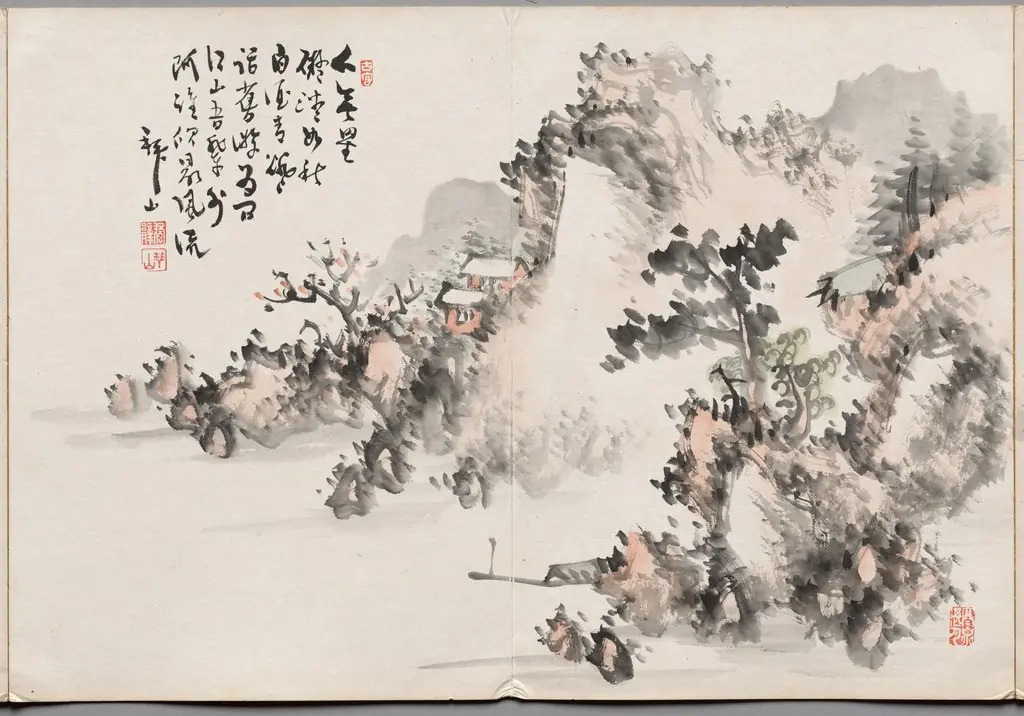 Painting Eight from Album of Paintings by Haizan
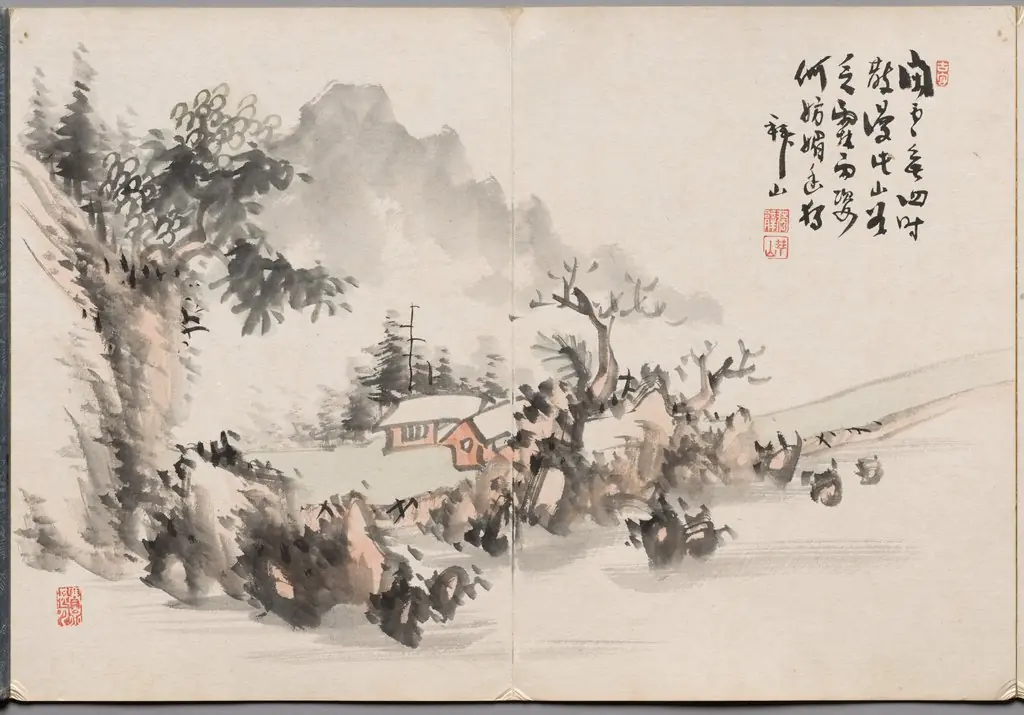 Painting Six from Album of Paintings by Haizan
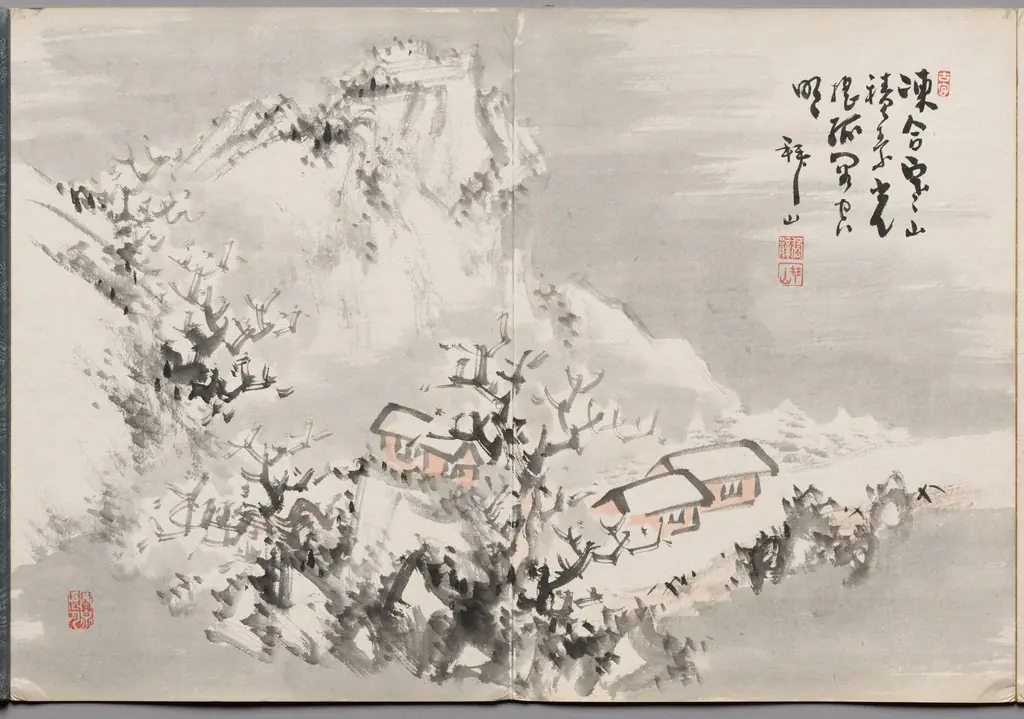 Painting Thirteen from Album of Paintings by Haizan
 Painting Seven from Album of Paintings by Haizan
 Painting Eleven from Album of Paintings by Haizan
 Painting Ten from Album of Paintings by Haizan
 Painting Four from Album of Paintings by Haizan
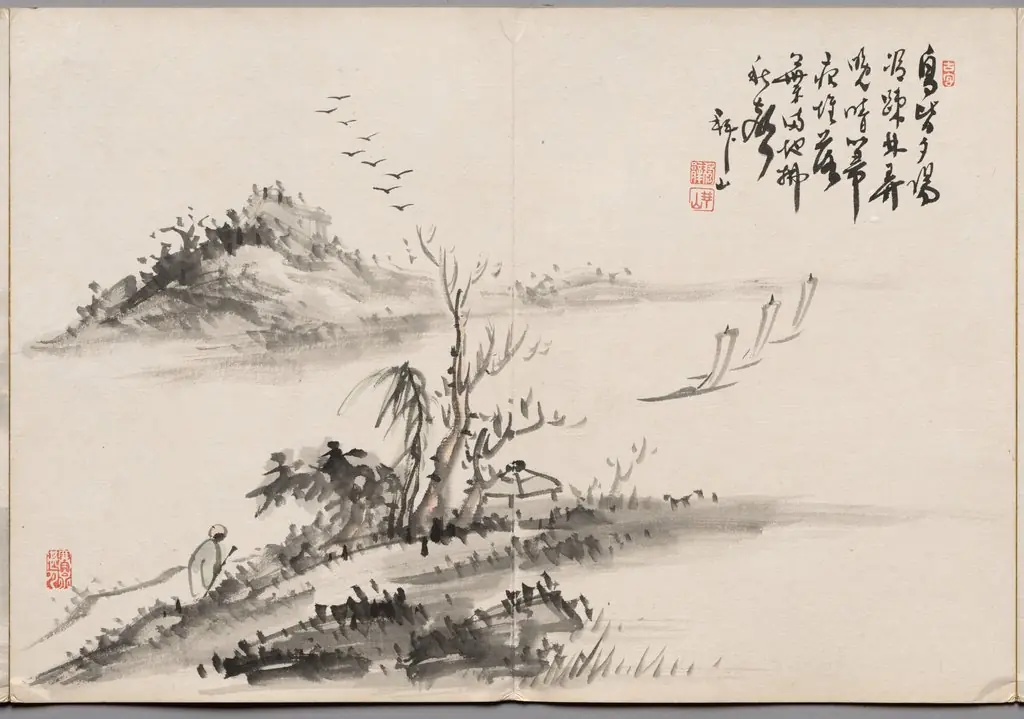 Painting Twelve from Album of Paintings by Haizan
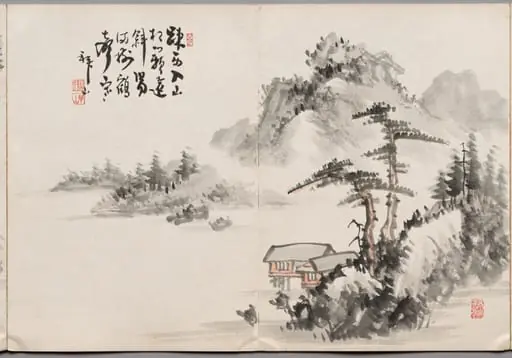 Painting One from Album of Paintings by Haizan
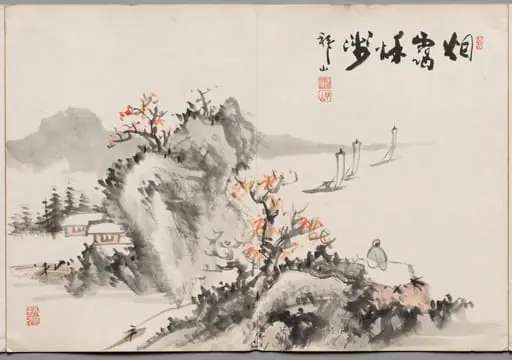 Painting Nine from Album of Paintings by Haizan
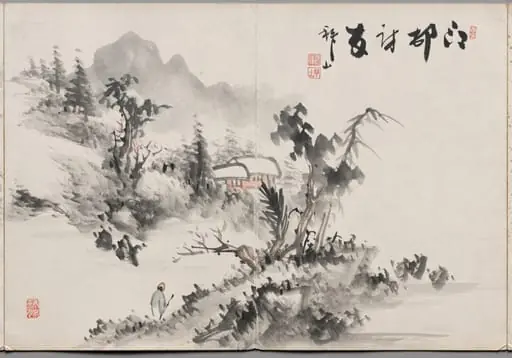 Painting Seven from Album of Paintings by Haizan
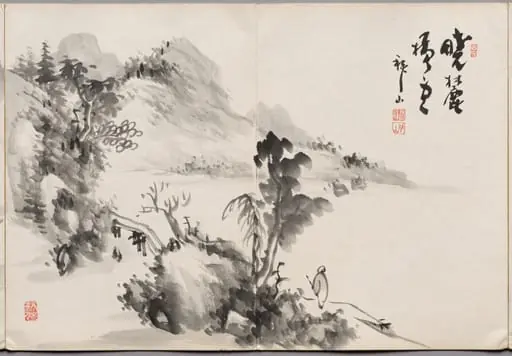 Painting Three from Album of Paintings by Haizan
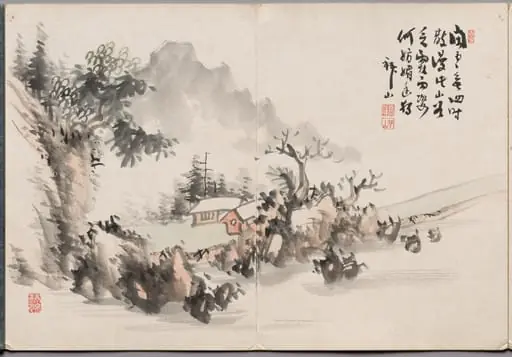 Painting Six from Album of Paintings by Haizan
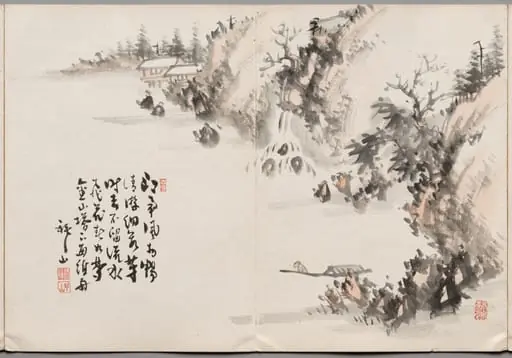 Painting Two from Album of Paintings by Haizan
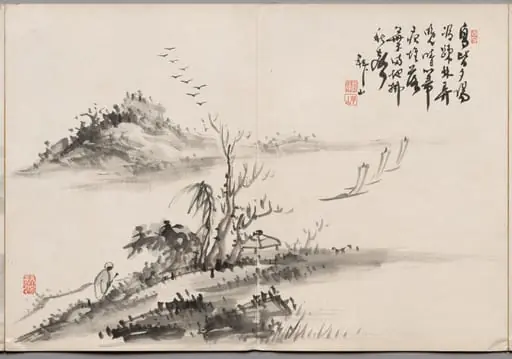 Painting Twelve from Album of Paintings by Haizan
 Painting Eight from Album of Paintings by Haizan