Artwork
Untitled
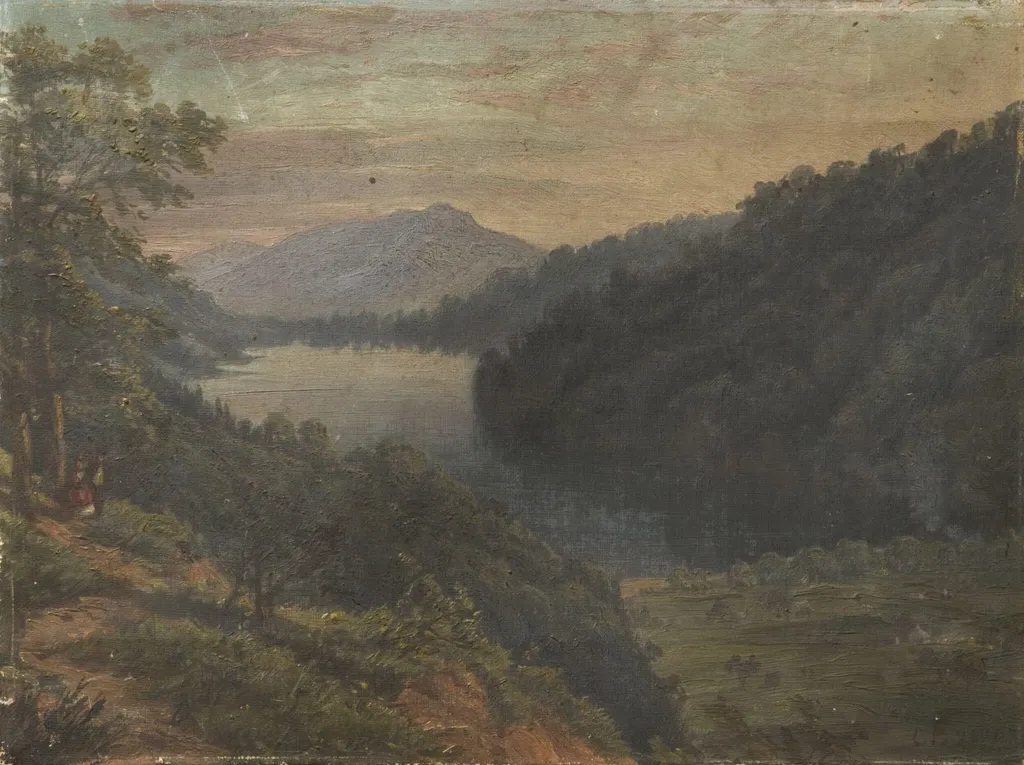
Untitled is a paint painting by the Impressionist artist Young, C. B.. It dates from 1874 and is held in the collection of the Victoria and Albert Museum. An oil-on-canvas painting from 1874 by C.
About this work
Overview
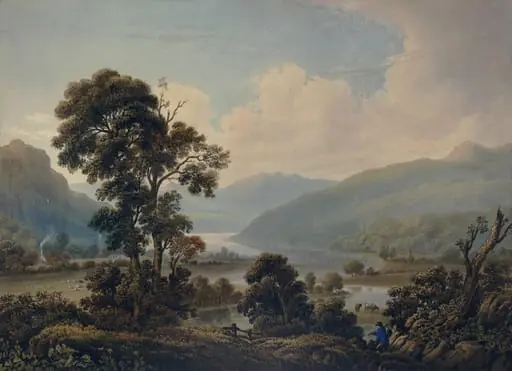
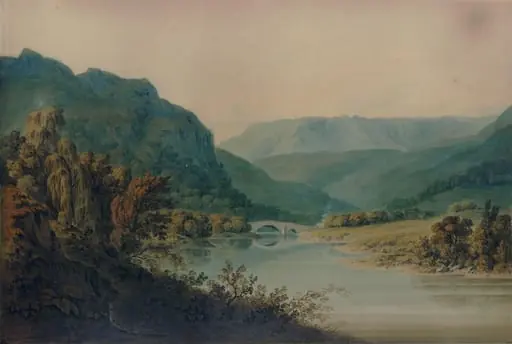
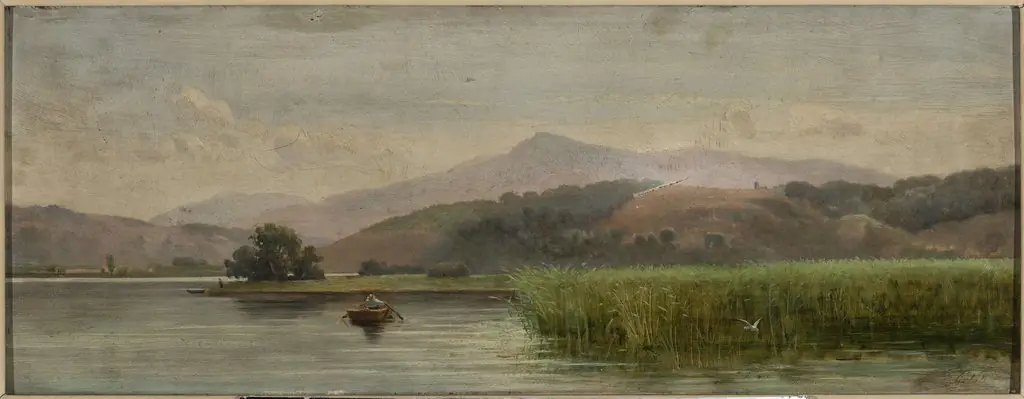
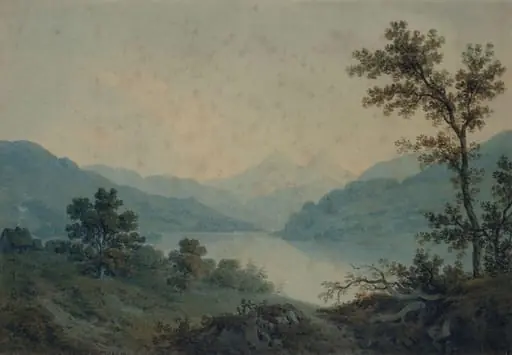
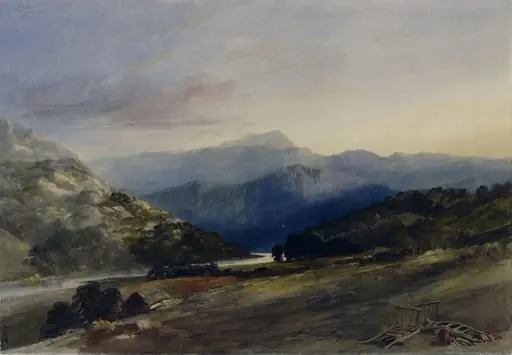
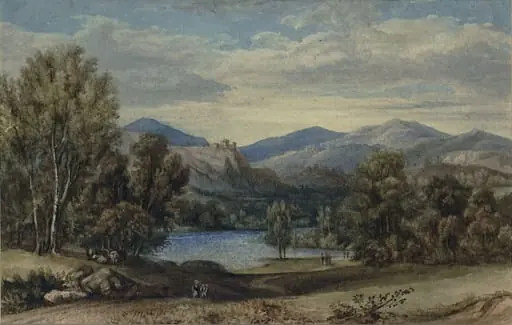
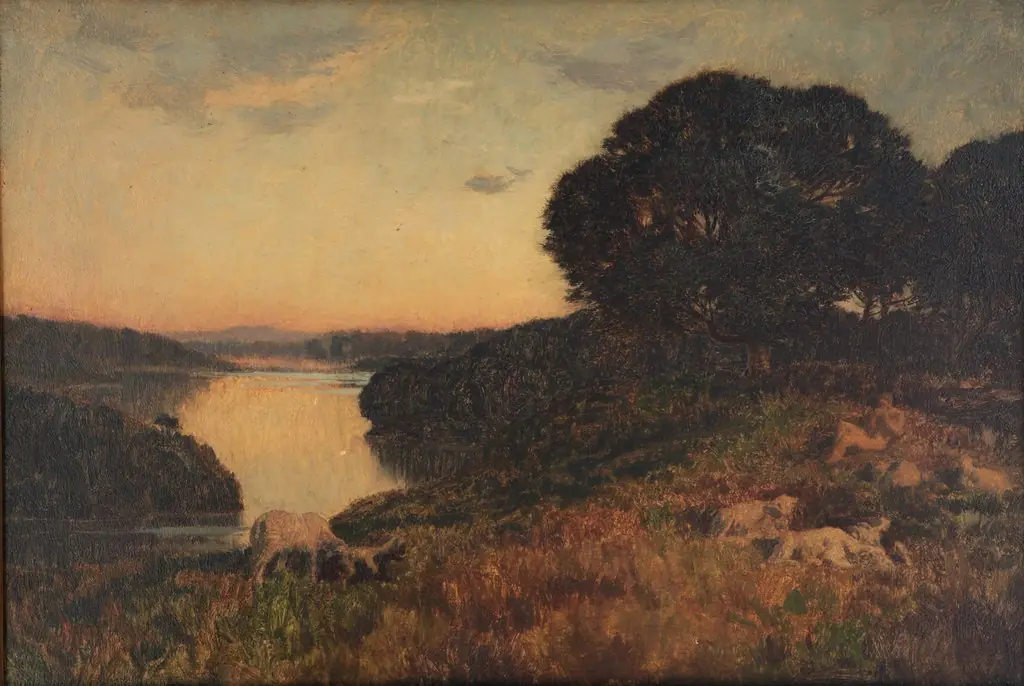
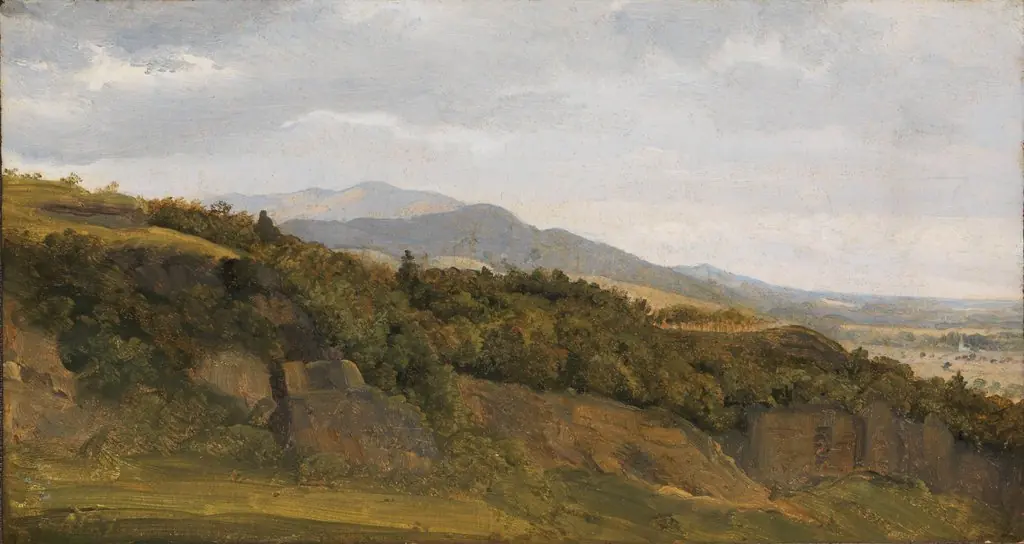
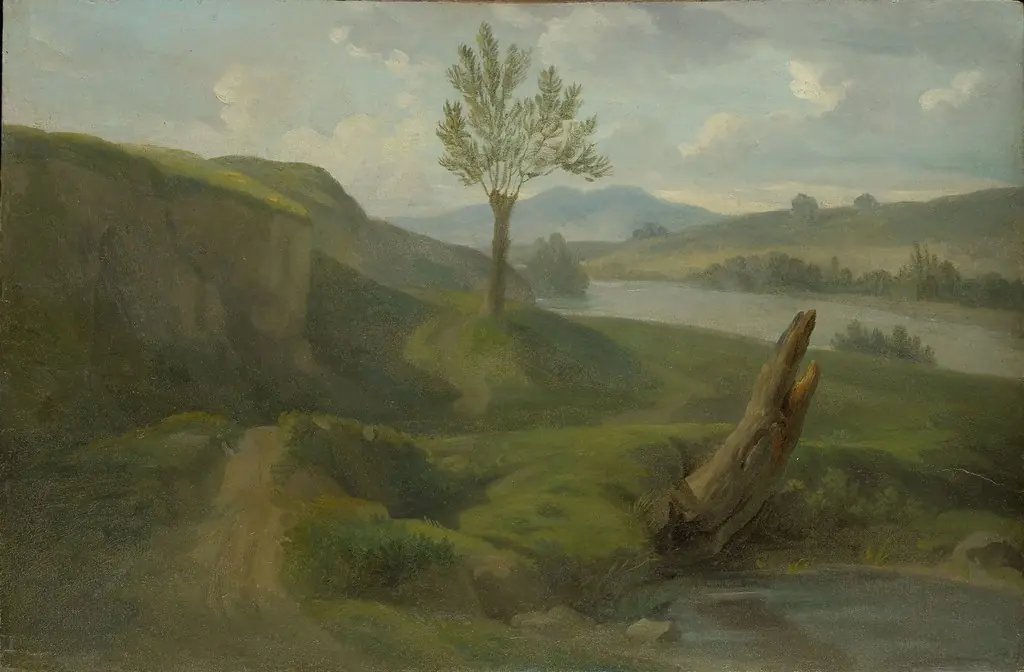
It presents a tranquil valley scene with a winding river, dense woodland along the banks, and distant hills softened by atmospheric haze.
An oil-on-canvas painting from 1874 by C. B. Young, this work captures the landscape of Naini Tal in the Kumaon region of northern India. It presents a tranquil valley scene with a winding river, dense woodland along the banks, and distant hills softened by atmospheric haze. The composition reflects a direct engagement with the natural environment, rendered with a spontaneous brushwork that departs from formal academic conventions of the period.
Subject & Meaning
The scene depicts a quiet moment in a newly documented colonial hill station, with a small group of figures near the water’s edge, possibly engaged in daily activities like fishing or rest. The absence of overt narrative or symbolism suggests an emphasis on observation rather than storytelling. The painting functions as a record of place, reflecting early British colonial interest in documenting India’s topography through personal, intimate views.
Technique & Style
Young employed loose, rapid brushstrokes to convey shifting light and the texture of foliage, creating a sense of immediacy. The sky and distant mountains are rendered in muted, blended tones, enhancing the feeling of atmospheric depth. This approach, more suggestive than detailed, aligns with emerging tendencies toward direct observation and plein air practice, distinguishing it from the polished finishes typical of studio-based landscape painting at the time.
History & Provenance
The painting was created shortly after Naini Tal was identified as a potential hill station by Mr. Barron, an employee of the Resa Sugar Works under Captain Beckett. It remained in private hands until 1921, when it was donated by H.G. Batten. The provenance ties the work to early colonial exploration and the personal documentation of India’s landscapes by non-professional artists embedded in administrative or commercial roles.
Context
In the 1870s, British residents in India increasingly sought to record the subcontinent’s scenery, often as personal mementos or for scientific interest. Young’s work reflects this trend, aligning with broader movements toward realism and direct observation. Unlike grand imperial panoramas, this painting offers a modest, unidealized view, characteristic of amateur artists who painted what they saw rather than what was expected.
Legacy
The painting stands as an example of early colonial landscape documentation by non-academic artists. Its informal style and focus on everyday scenery contribute to a quieter, more personal archive of India’s natural environment during British presence. While not widely exhibited, it remains a significant artifact of how ordinary observers engaged with and interpreted the landscapes they inhabited.
Artist & collection
Artist
Charles Burney Young, generally referred to as C. B. Young, was a landholder, winemaker and politician in the early days of the colony of South Australia.