Artwork
Untitled
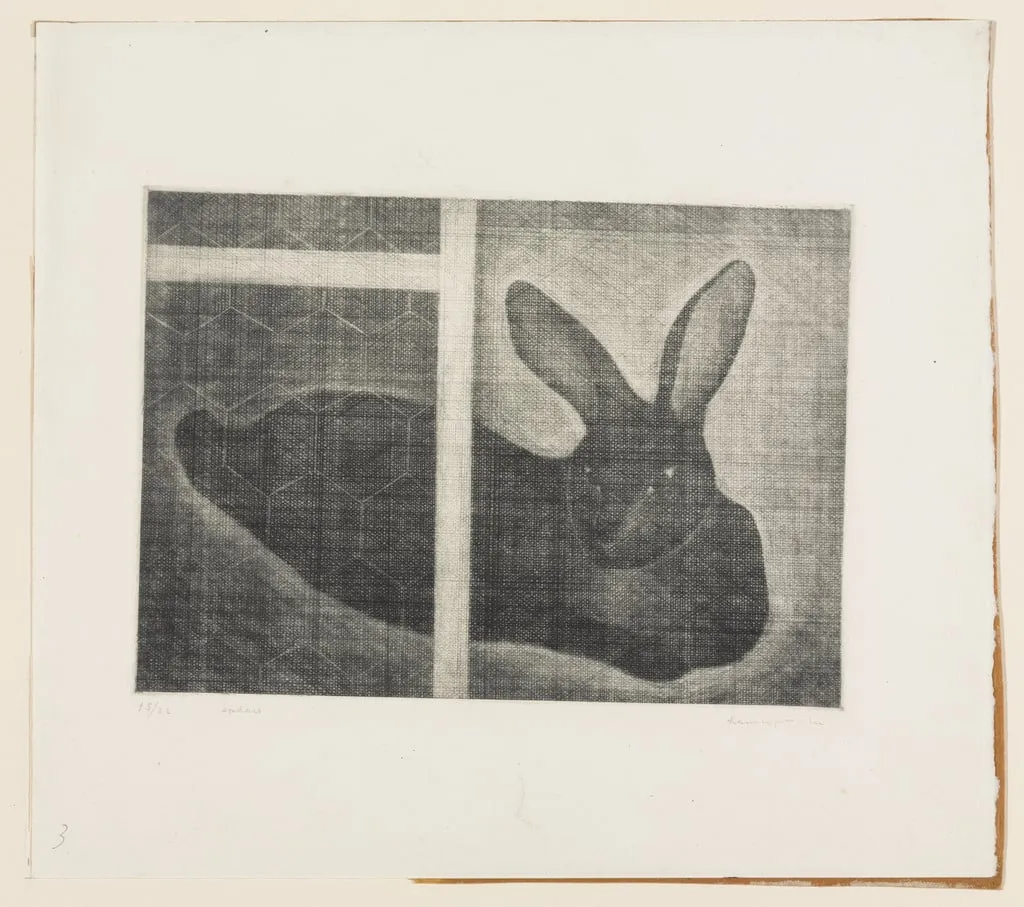
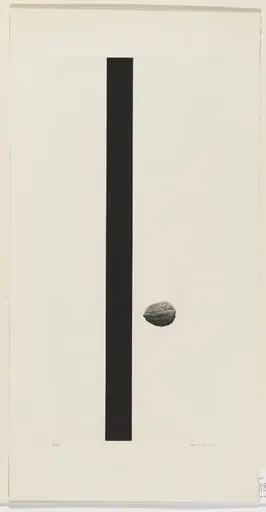
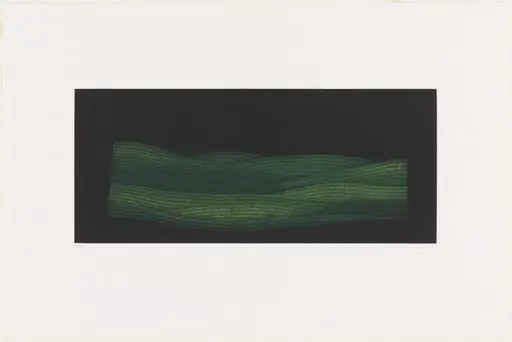
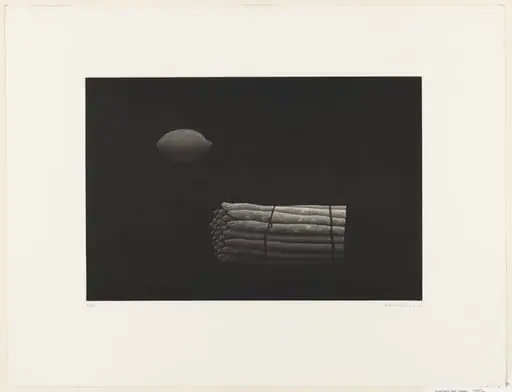
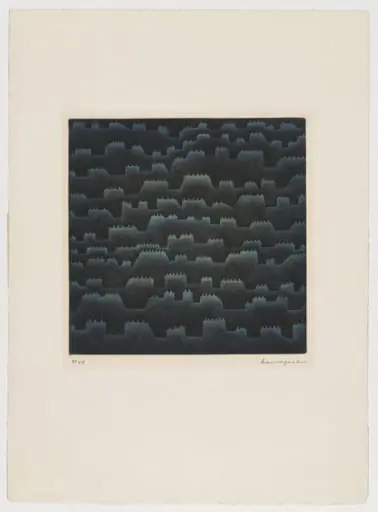
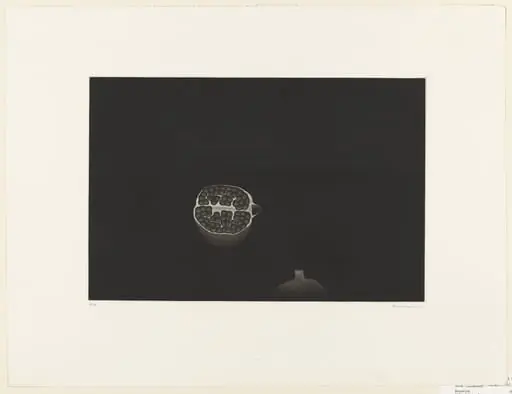
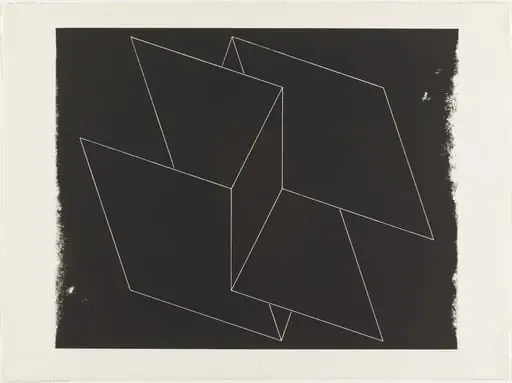
Untitled is an ink print by Yozo Hamaguchi. It dates from 1951 and is held in the collection of the Museum of Modern Art.
About this work
Overview
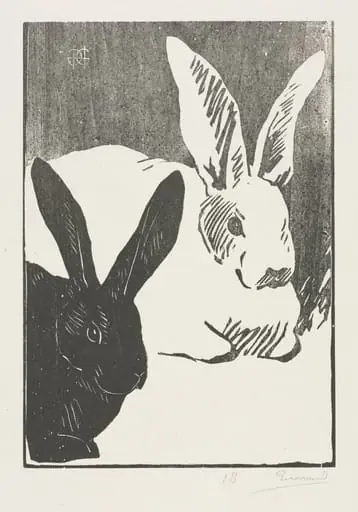
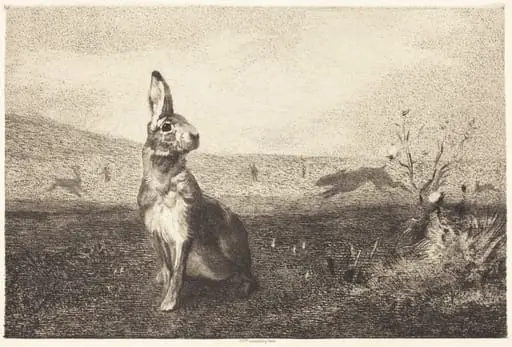
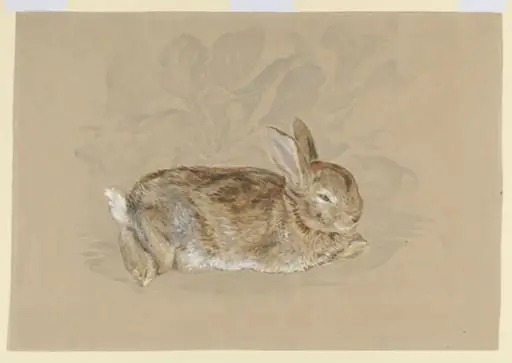
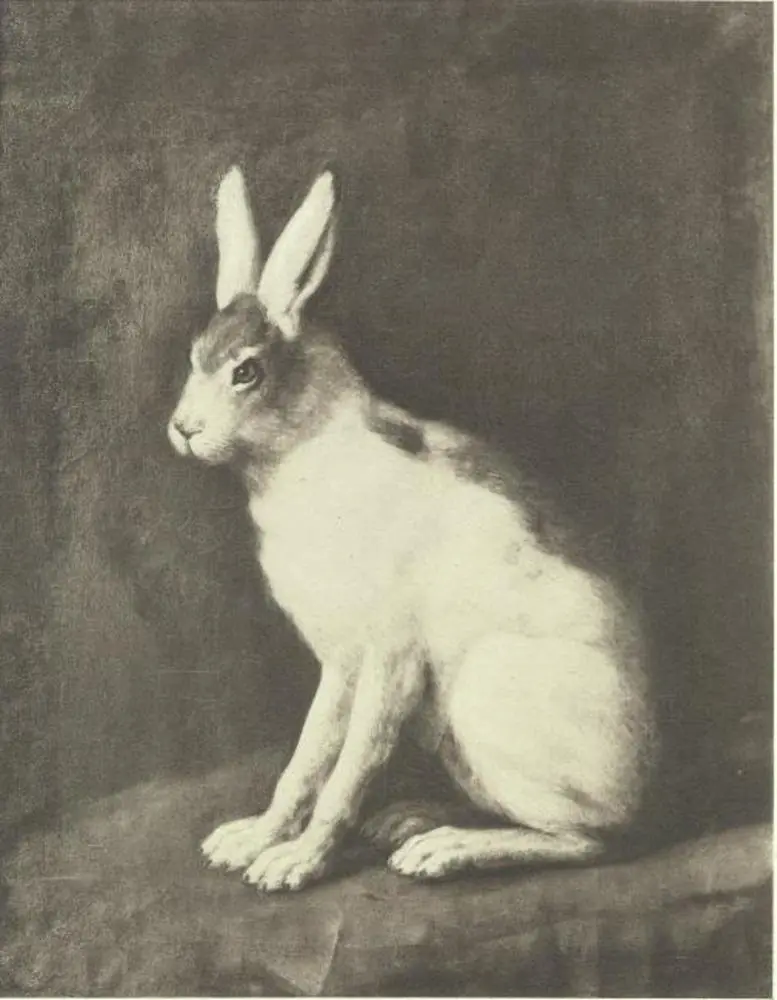
The work is distinguished by its minimal composition and intimate scale, focusing entirely on a single rabbit rendered in fine, incised lines.
Created in 1951, this drypoint print by Yozo Hamaguchi is part of The Museum of Modern Art’s collection. The work is distinguished by its minimal composition and intimate scale, focusing entirely on a single rabbit rendered in fine, incised lines. The technique of drypoint, which involves scratching directly into a metal plate, produces a characteristic softness in the inked edges, enhancing the quiet presence of the subject.
Subject & Meaning
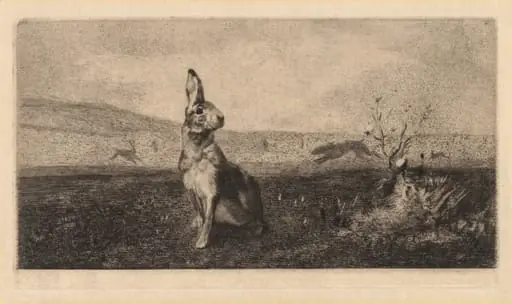
The rabbit, seated motionless on an undefined surface, conveys a sense of stillness and solitude. Without contextual elements or background, the animal becomes the sole focus, inviting contemplation rather than narrative. Its stillness may suggest vulnerability or quiet observation, aligning with Hamaguchi’s tendency to find poetic resonance in simple, natural forms.
Technique & Style
Hamaguchi employed drypoint to create the image, using a sharp tool to etch fine lines into a metal plate. The burr raised by the scratching holds ink unevenly, resulting in delicate, fuzzy strokes that blur slightly when printed. This method gives the rabbit’s fur and contours a tactile, atmospheric quality, emphasizing texture over definition and reinforcing the print’s meditative tone.
History & Provenance
The print entered The Museum of Modern Art’s collection following its creation in 1951, likely acquired during a period when the institution was expanding its holdings of modern Japanese prints. Hamaguchi’s work was gaining recognition in postwar America for its refined technique and emotional restraint, contributing to the museum’s interest in non-Western printmakers of the era.
Context
In the early 1950s, Japanese artists like Hamaguchi were redefining printmaking by blending traditional methods with modern sensibilities. Drypoint, once considered a sketching tool, was elevated to a primary medium for expressive, intimate works. Hamaguchi’s focus on solitary animals reflected a broader interest in nature as a vessel for quiet, introspective experience.
Legacy
This print exemplifies Hamaguchi’s influence on postwar printmaking, particularly in how he used drypoint to evoke mood through subtle line work. His approach inspired later artists to explore the emotional potential of technical imperfection and minimalism. The work remains a reference point for those studying the intersection of Japanese aesthetics and modern print techniques.
Artist & collection

Artist
Yozo Hamaguchi was a Japanese copper printmaker who specialized in mezzotint and was responsible for its resurgence as a printmaking medium in the mid-20th century.