Artwork
Energie
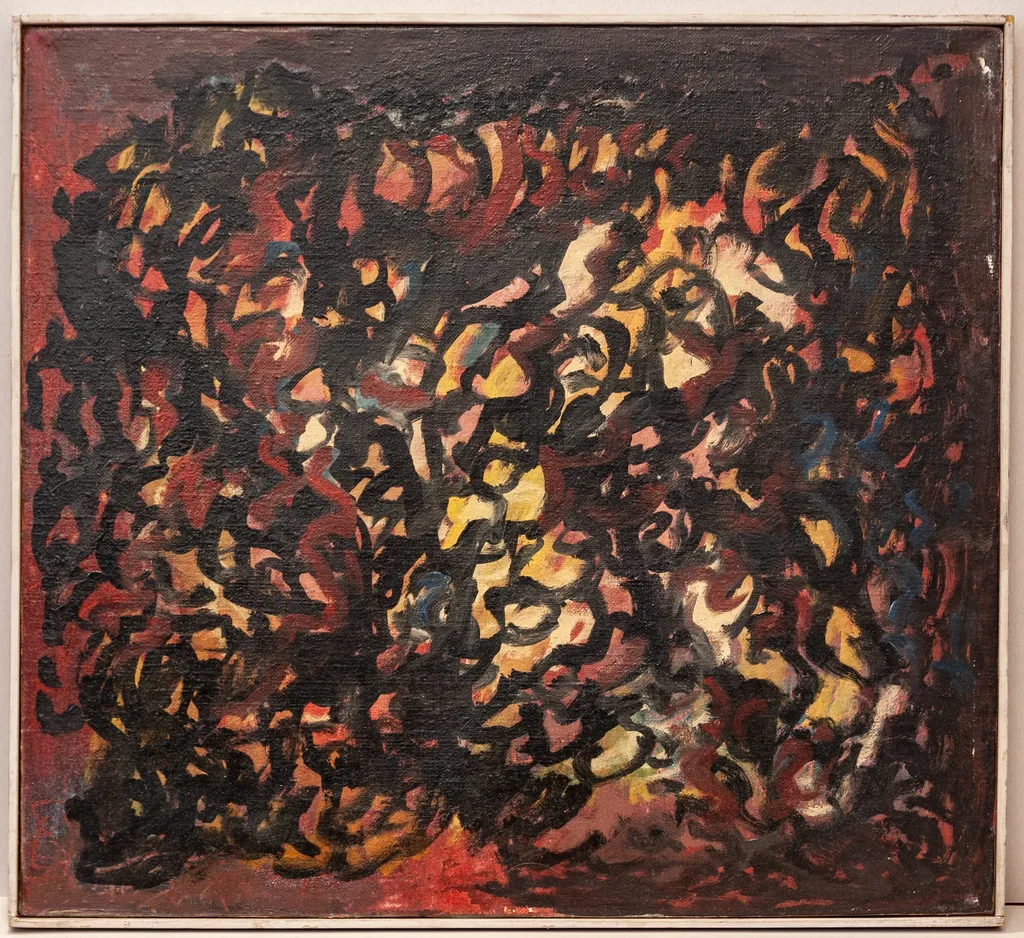
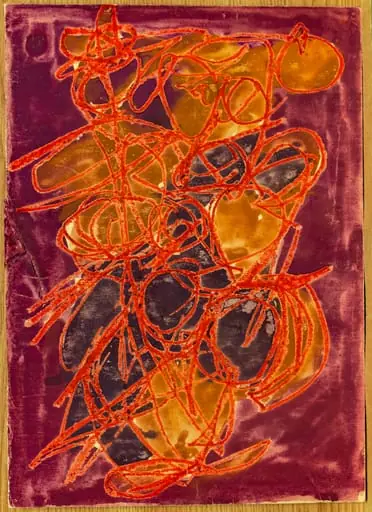
Energie is a print by Zamfir Napoleon. It is held in the collection of the Gavrila Simion Eco-Museum Research Institute Tulcea.
About this work
Overview
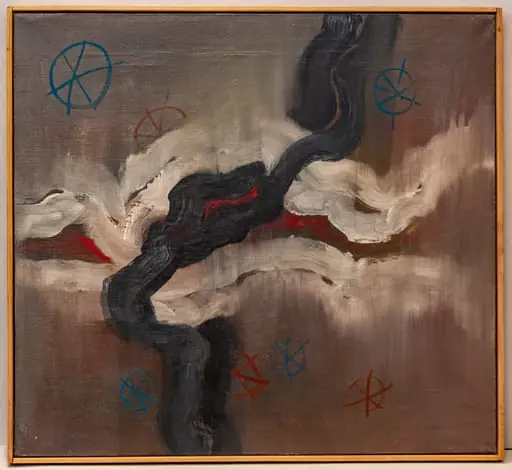
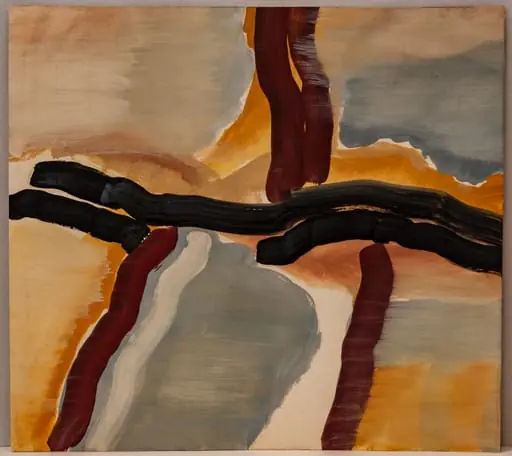
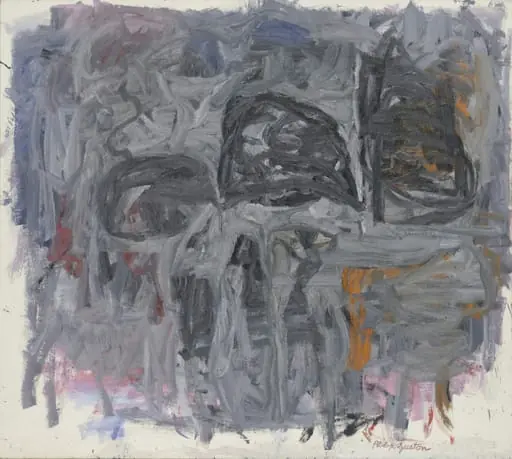
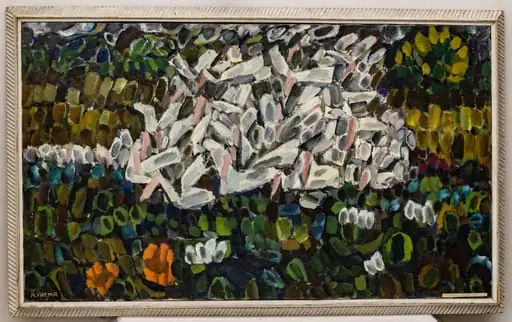
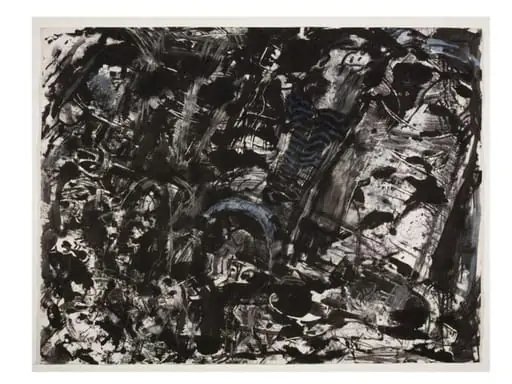
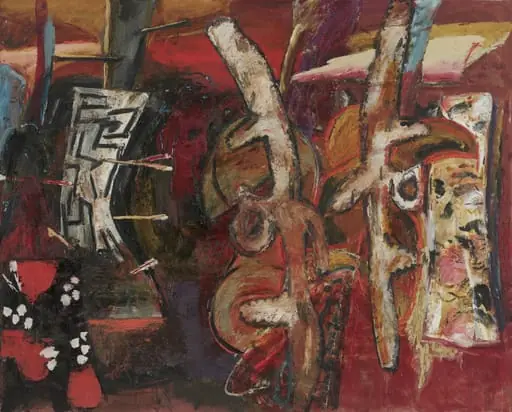
Dominated by deep reds, blacks, and yellows, the surface lacks recognizable forms, instead emphasizing texture and motion through materiality.
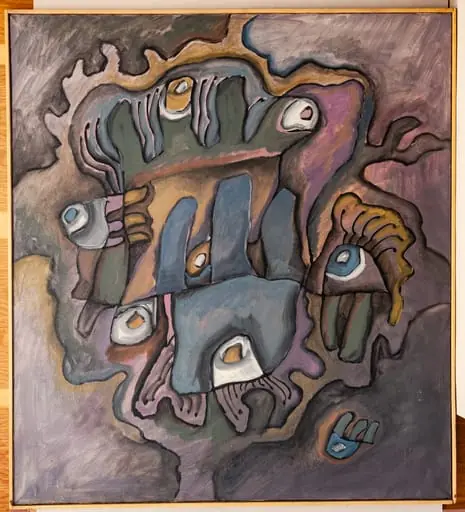
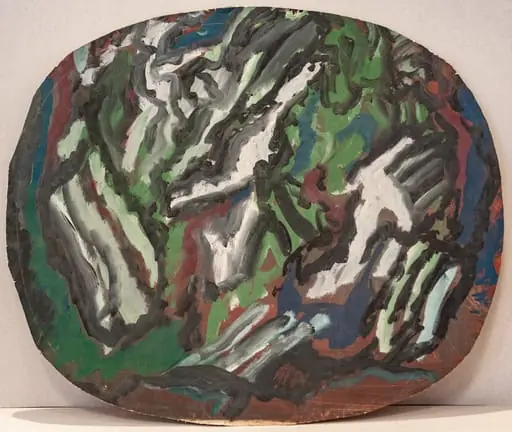
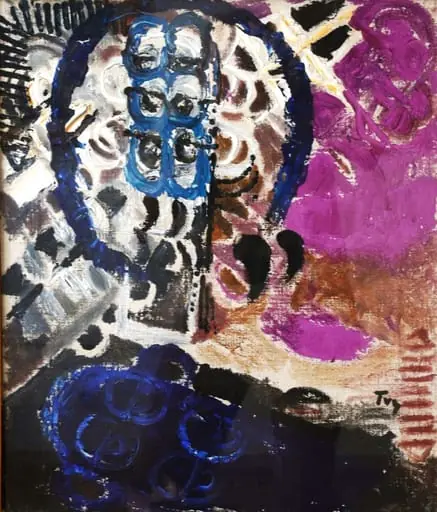
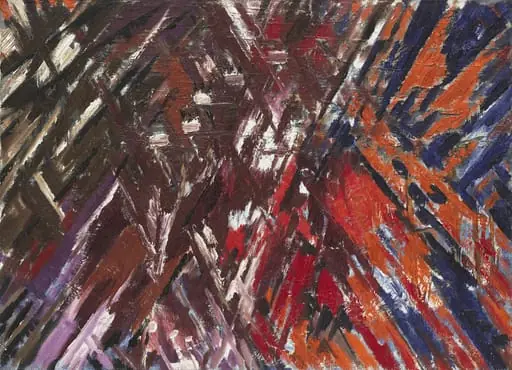
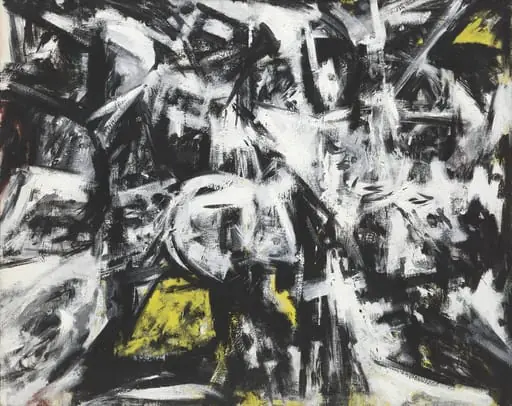
This abstract work, titled Energie, presents a dense composition of heavy, layered paint applied with vigorous, unrefined strokes. Dominated by deep reds, blacks, and yellows, the surface lacks recognizable forms, instead emphasizing texture and motion through materiality. The paint is built up in thick ridges and smears, creating a tactile, almost sculptural surface that interacts dynamically with ambient light.
Subject & Meaning
The title suggests an exploration of raw, uncontained energy, though no literal movement or figure is depicted. The chaos of color and brushwork implies an internal force—perhaps emotional, physical, or spiritual—manifesting through the act of painting itself. The absence of form invites interpretation not as representation, but as direct expression of vitality through pigment and gesture.
Technique & Style
The painting employs impasto, a method where paint is applied thickly to create physical texture and dimensionality. Brushes or palette knives appear to have been used with urgency, leaving visible ridges and ridges of pigment that catch light unevenly. The lack of blending or smooth transitions reinforces a sense of immediacy, prioritizing the physicality of the medium over illusionistic depth.
History & Provenance
The work’s origin and ownership history are not documented in available records. It appears to be a standalone piece, not part of a known series or exhibition. Its attribution remains unverified, and no artist or date is associated with it in public sources, leaving its context intentionally ambiguous.
Context
Emerging from mid-20th century abstract traditions, the work aligns with post-war European and American movements that valued gesture and material over representation. Its emphasis on paint as substance rather than image reflects broader interests in process and spontaneity, akin to Tachisme or Action Painting, though it lacks the cultural or theoretical framework of those named movements.
Legacy
Though not widely recognized or reproduced, the piece serves as a tactile example of how paint can embody energy without depicting it. Its raw application invites viewers to consider the physical act of creation as the subject itself. It remains a quiet testament to the expressive potential of material excess in abstract art.
Artist & collection
Artist
Museum
Gavrila Simion Eco-Museum Research Institute Tulcea
Continue through works from the same source collection.