Artwork
Peisaj 1
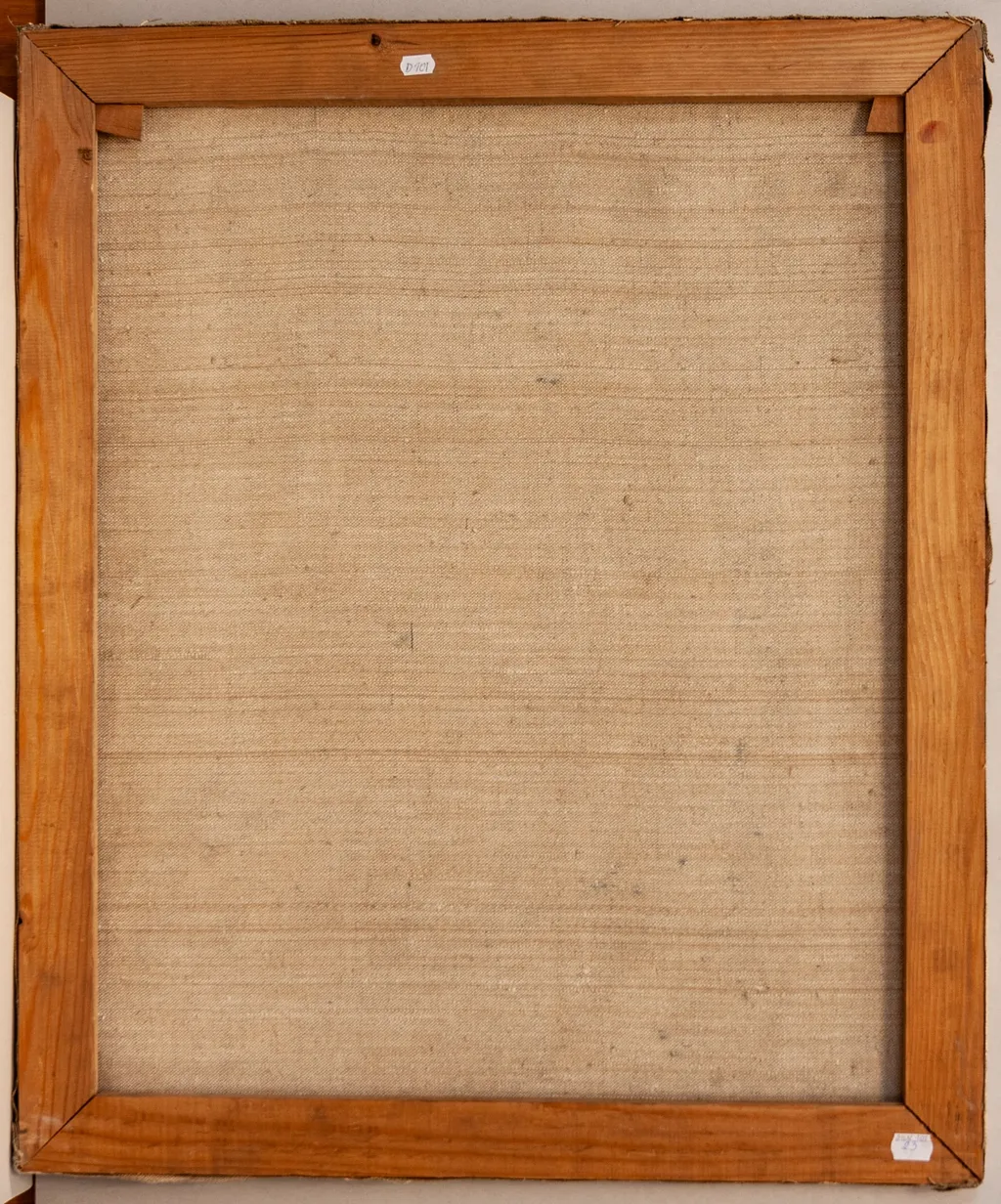
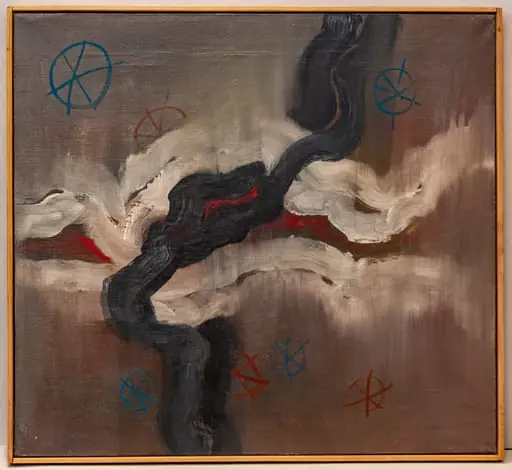
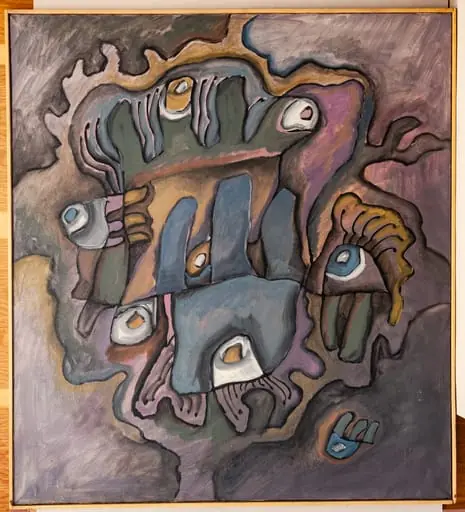
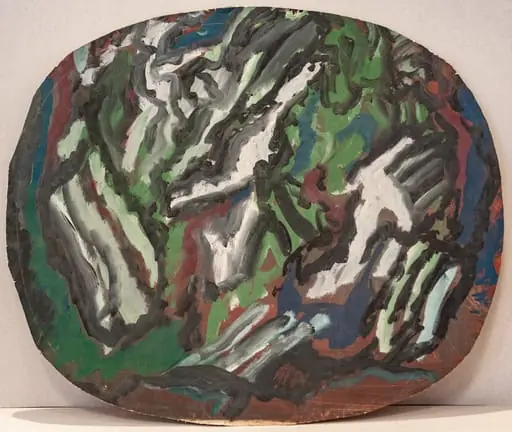
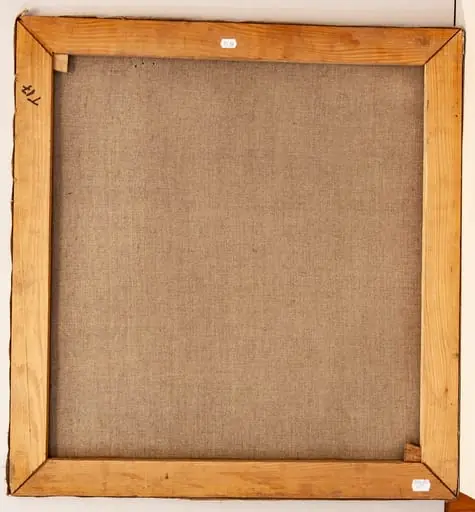
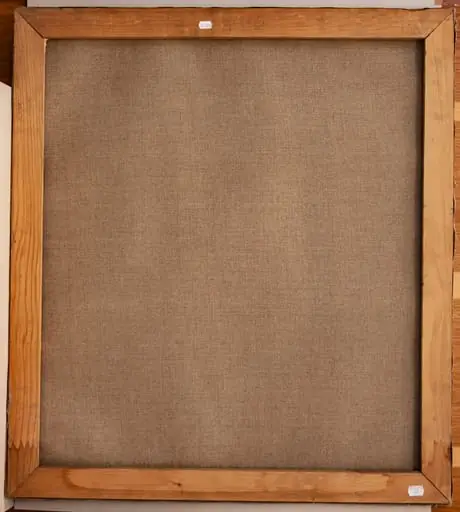
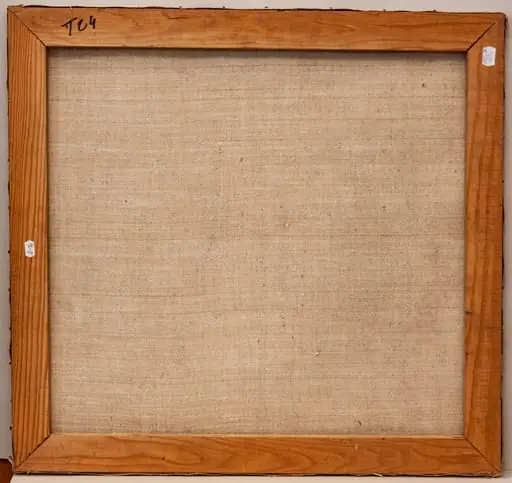
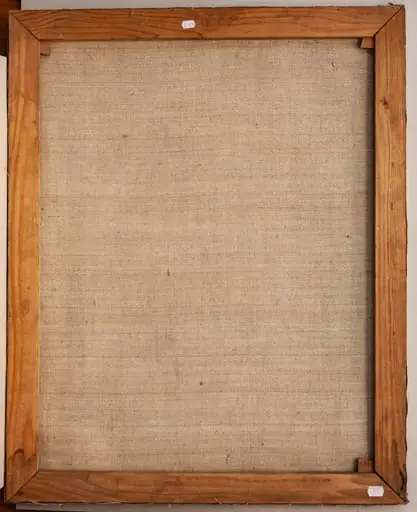
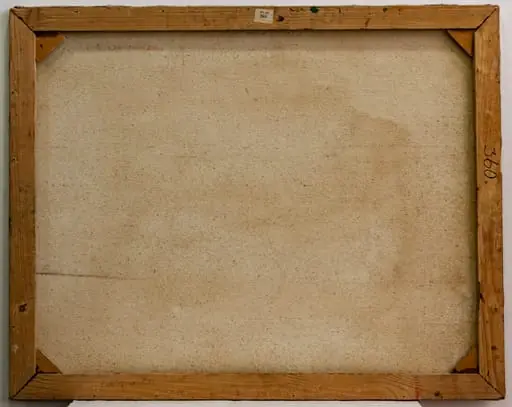
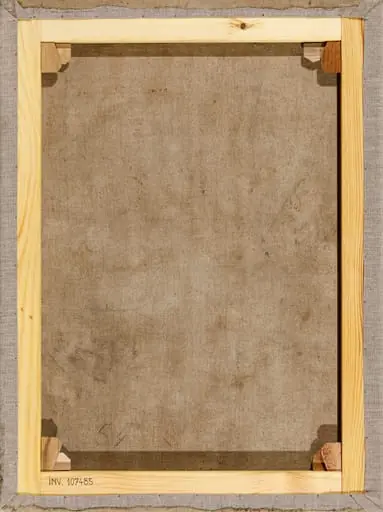
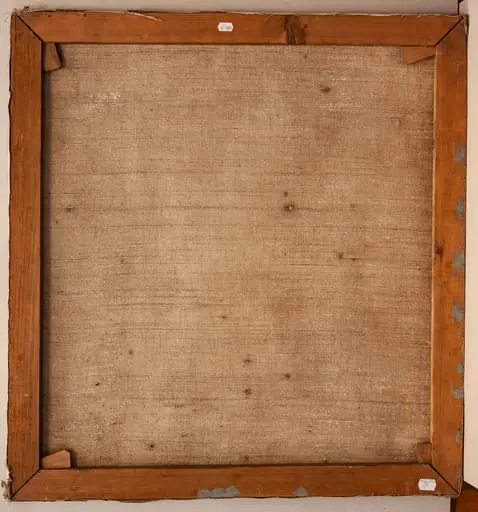
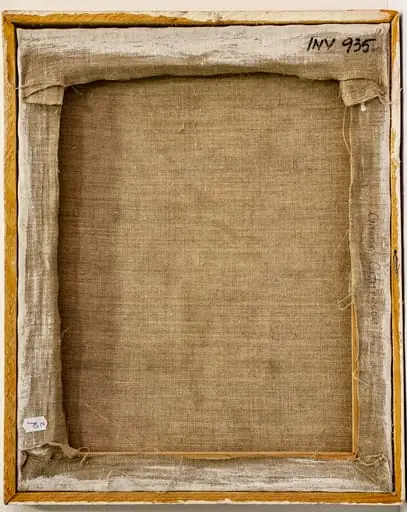
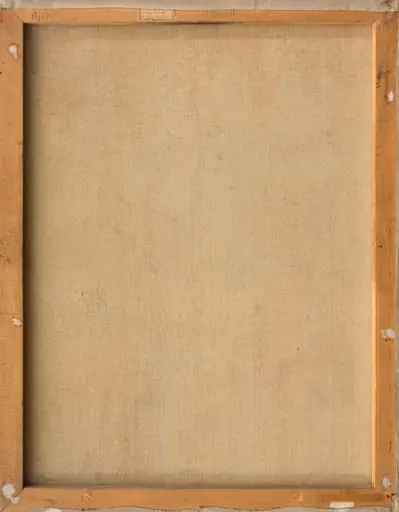
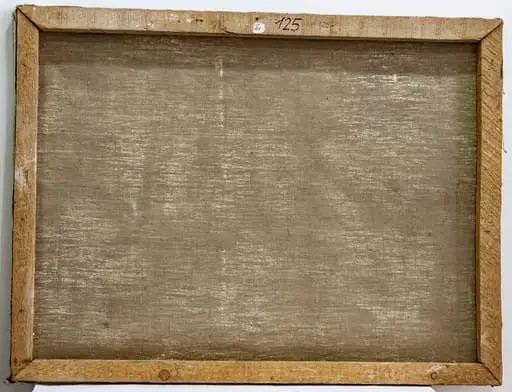
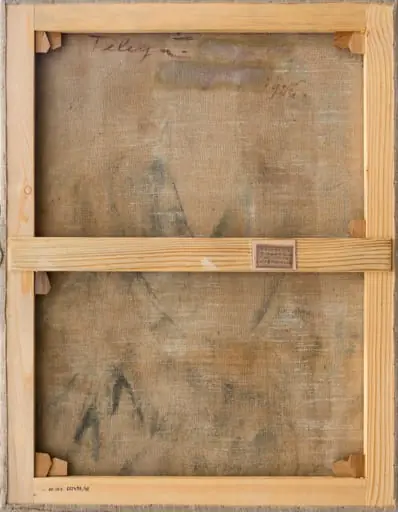
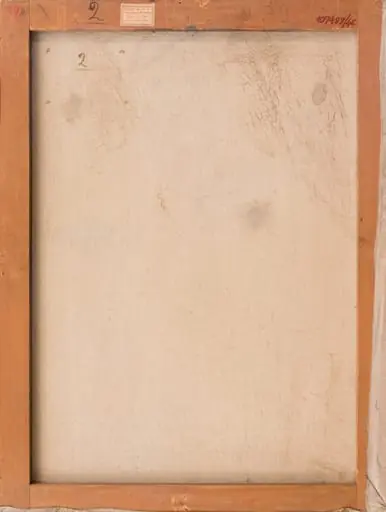
Peisaj 1 is an unspecified painting by Zamfir Napoleon. It is held in the collection of the Gavrila Simion Eco-Museum Research Institute Tulcea. This work is a plain, unadorned canvas mounted in a simple wooden frame.
About this work
Overview
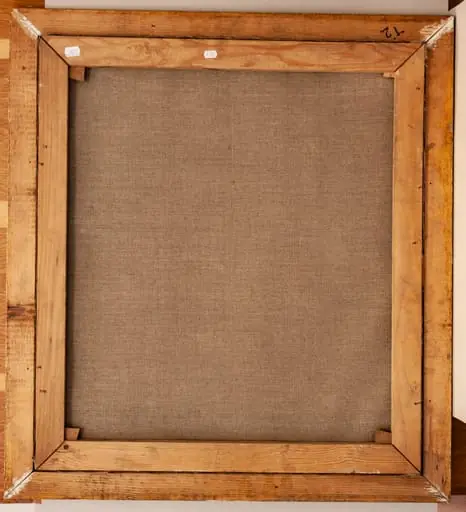
This work is a plain, unadorned canvas mounted in a simple wooden frame. The surface shows no pigment, texture, or visible mark-making, presenting a uniform light beige field. The frame bears a small label, suggesting formal presentation despite the absence of imagery. Its minimalism invites interpretation as a deliberate artistic gesture rather than an unfinished work.
Subject & Meaning
The piece offers no figurative or symbolic content, challenging conventional expectations of painting. Its emptiness may function as a conceptual statement—questioning the necessity of visual representation in art. The lack of color or form shifts focus to the objecthood of the canvas itself, prompting reflection on authorship, intention, and the boundaries of artistic expression.
Technique & Style
The surface is smooth and uniformly prepared, with no evidence of brushwork, layering, or pigment application. The frame is unadorned, its construction functional rather than ornamental. The absence of technique as traditionally understood becomes the technique itself, aligning the work with practices that prioritize idea over execution.
History & Provenance
The work is attributed to Zamfir Napoleon, an artist known for explorations of absence in visual art. While specific documentation of its creation or exhibition history is limited, its presentation as a labeled, framed object suggests it was intended for public display. Its provenance remains tied to the artist’s broader investigations into the void as a formal element.
Context
Emerging from a mid-20th-century milieu that questioned the limits of art, this work resonates with contemporaneous practices like Robert Rauschenberg’s erased de Kooning or Yves Klein’s void exhibitions. It reflects a broader interest in negation, silence, and the institutional framing of non-objectivity within modernist and postmodernist discourse.
Legacy
The piece contributes to a lineage of conceptual art that privileges intention over material. By presenting emptiness as a completed form, it invites ongoing dialogue about what constitutes a work of art. Its endurance lies not in visual impact but in its persistent capacity to provoke questions about perception, value, and the role of the viewer.
Artist & collection
Artist
Museum
Gavrila Simion Eco-Museum Research Institute Tulcea
Continue through works from the same source collection.