Artwork
Compoziție 10
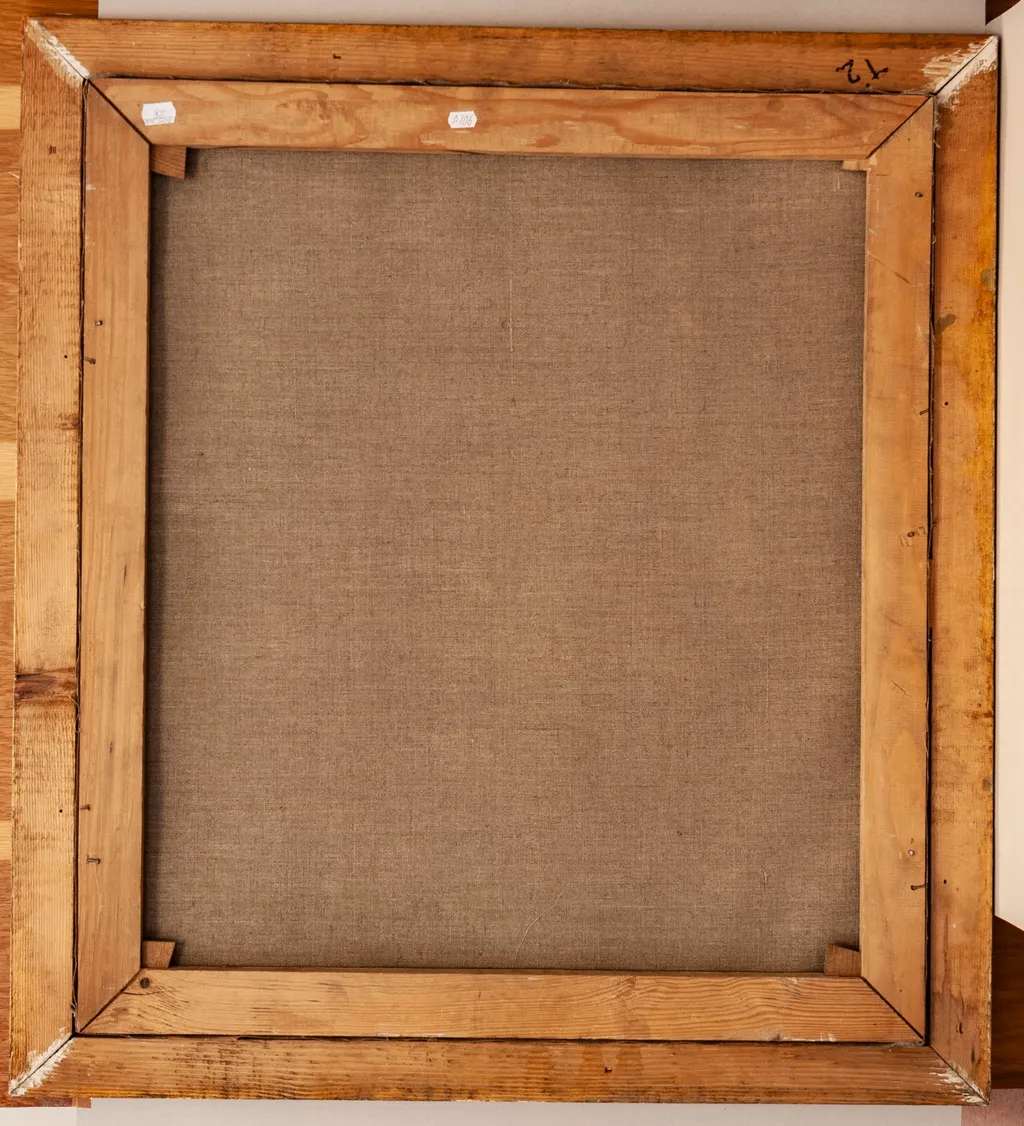
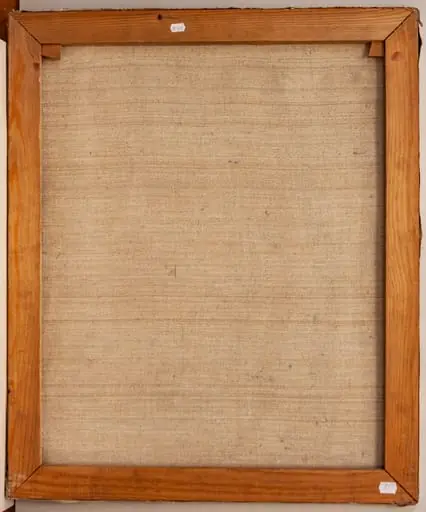
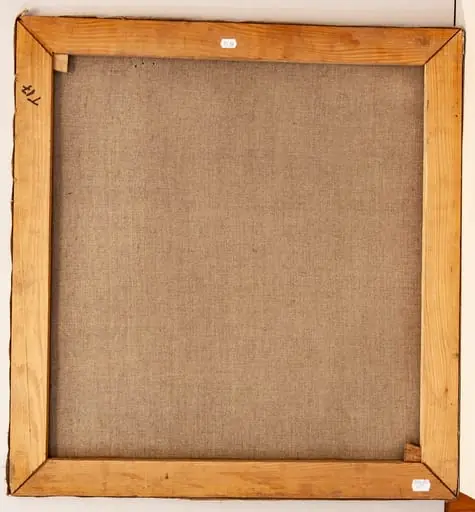
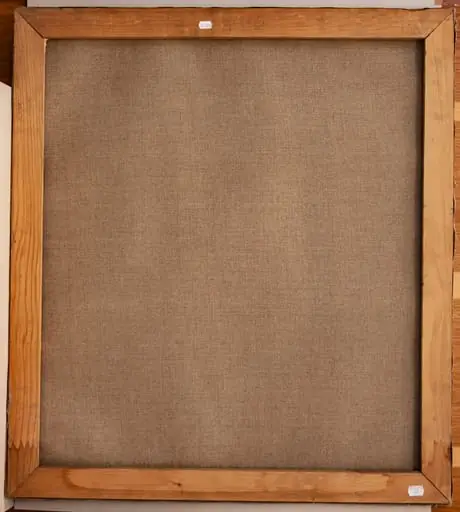
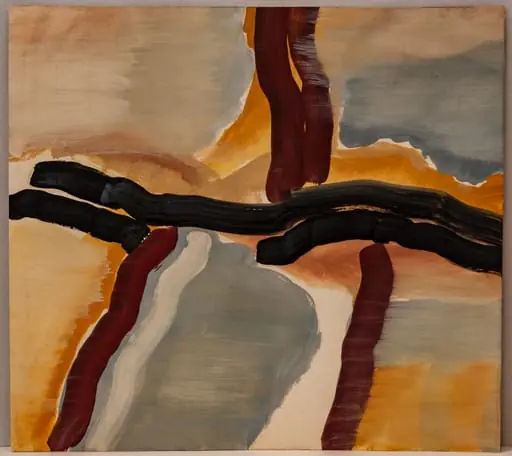
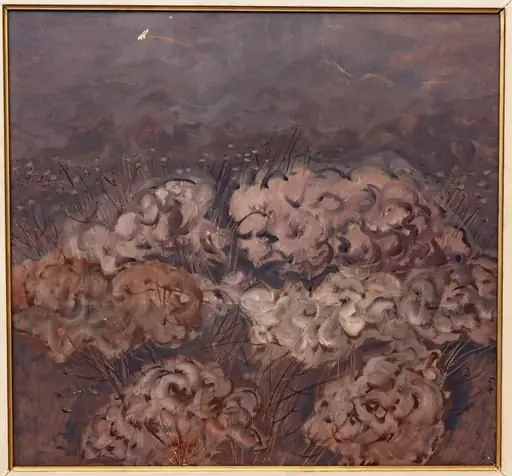
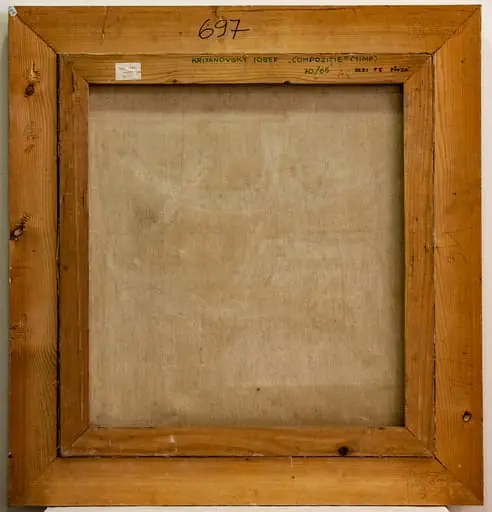
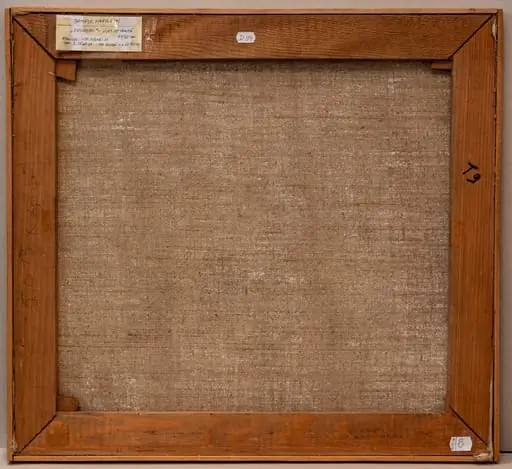
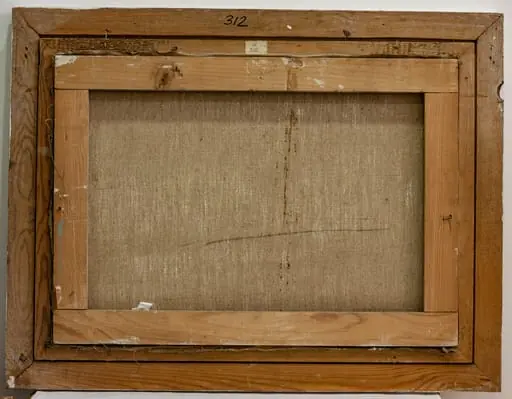
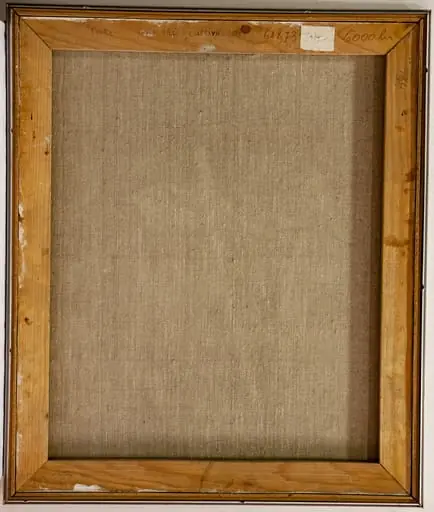
Compoziție 10 is an unspecified painting by Zamfir Napoleon. It is held in the collection of the Gavrila Simion Eco-Museum Research Institute Tulcea. This work consists of a plain canvas stretched within a weathered wooden frame, displayed as a finished piece.
About this work
Overview
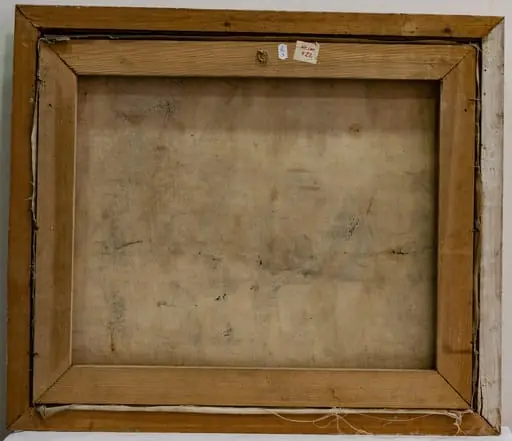
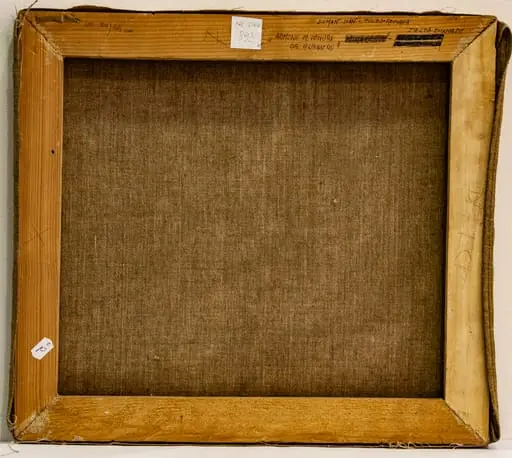
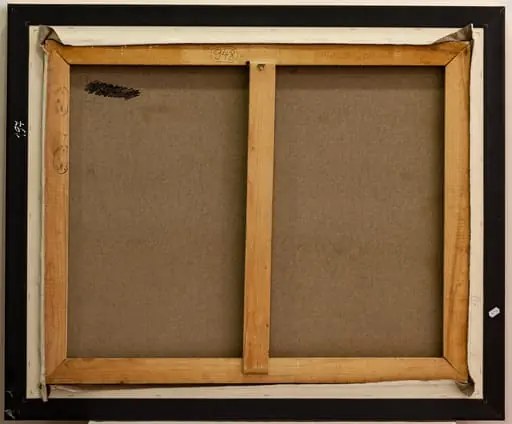
This work consists of a plain canvas stretched within a weathered wooden frame, displayed as a finished piece. The frame shows signs of age—chipped corners, visible grain, and nail fastenings—suggesting use or storage over time. No pigment, brushwork, or design appears on the canvas. Its presentation as art within a museum context invites reflection on the boundaries of artistic expression.
Subject & Meaning
The absence of imagery or color challenges conventional expectations of painting. Rather than depicting a scene or symbol, the work may point to silence, void, or the materiality of art itself. Its placement in an ethnographic museum suggests an inquiry into cultural definitions of art, ritual, or objecthood beyond traditional aesthetics.
Technique & Style
The frame is constructed with simple joinery and hand-forged nails, its surface unvarnished and worn. The canvas is stretched taut but untreated, retaining a natural, muted brown tone. No brushstrokes, layers, or pigments are present. The work’s style is reductive, emphasizing physical structure over visual content.
History & Provenance
The object entered the collection of the Museum of Ethnography as a completed work, though its origin and creator remain undocumented. Its condition implies prior use or exposure, possibly as a discarded frame repurposed for display. No records indicate prior exhibition or artistic intent before its acquisition.
Context
Displayed among ethnographic artifacts, the piece resonates with non-Western traditions that value emptiness, material presence, or ritual objects without figurative representation. Its inclusion questions how museums classify objects as art, especially when cultural or authorial context is absent or unknown.
Legacy
The work contributes to ongoing discussions about minimalism, conceptual art, and the role of the frame as both support and statement. It stands as a quiet counterpoint to more overtly expressive works, prompting viewers to consider what constitutes art when visual content is deliberately withheld.
Artist & collection
Artist
Museum
Gavrila Simion Eco-Museum Research Institute Tulcea
Continue through works from the same source collection.