Artwork
Primăvară în baltă
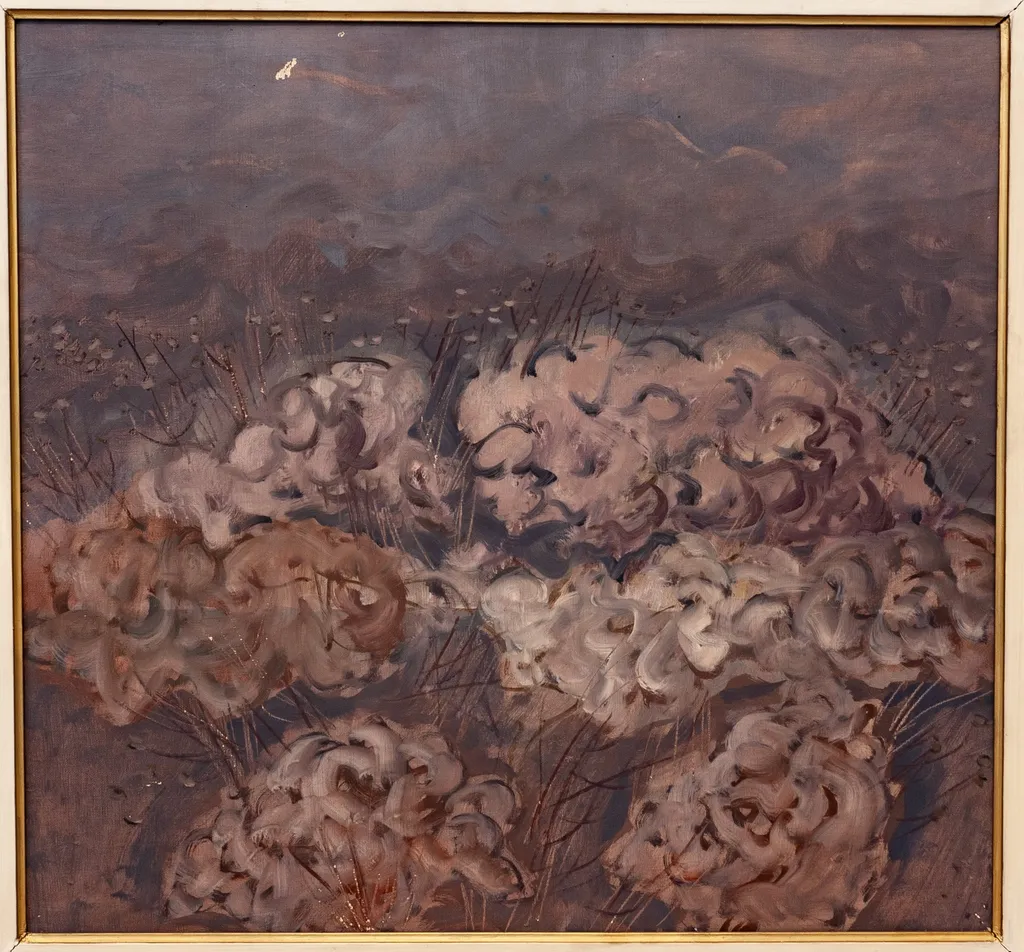
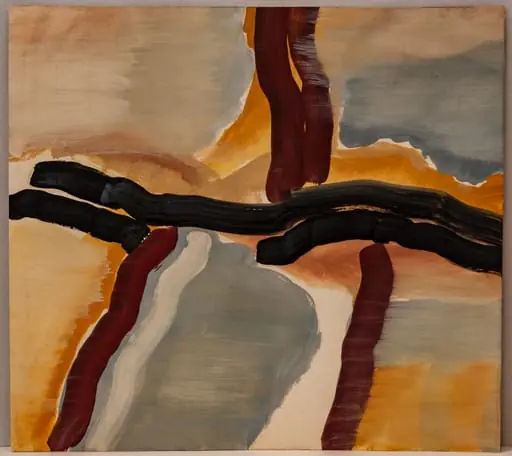
Primăvară în baltă is an unspecified painting by Zamfir Napoleon. It is held in the collection of the Gavrila Simion Eco-Museum Research Institute Tulcea.
About this work
Overview
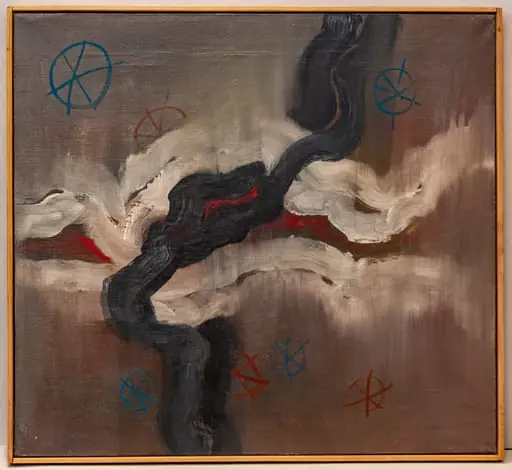
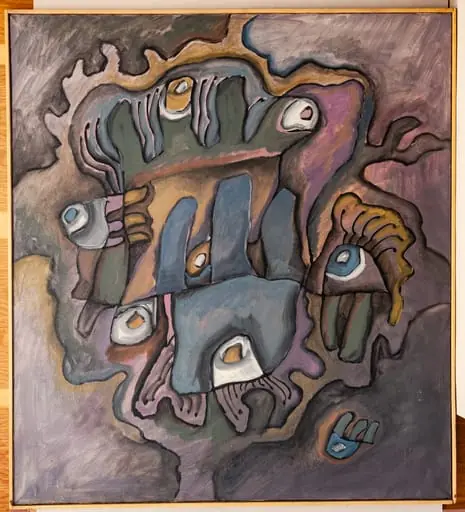
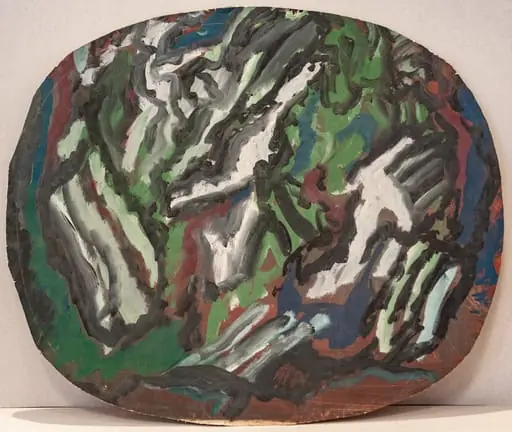
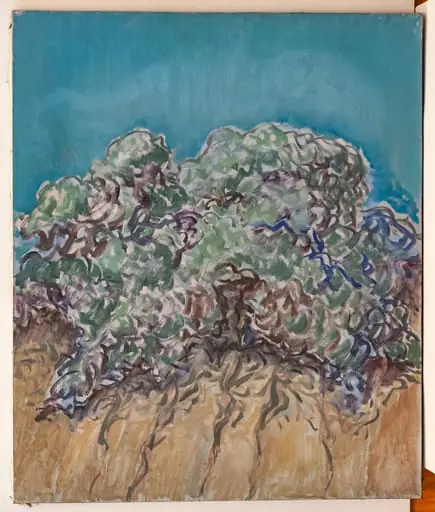
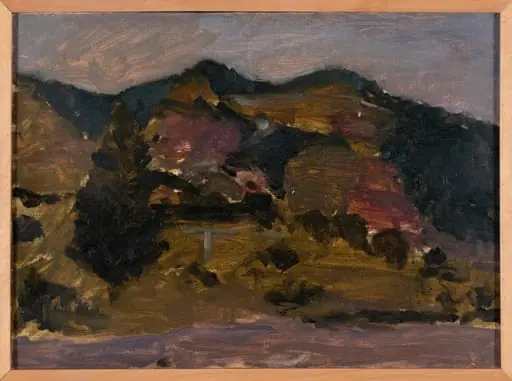
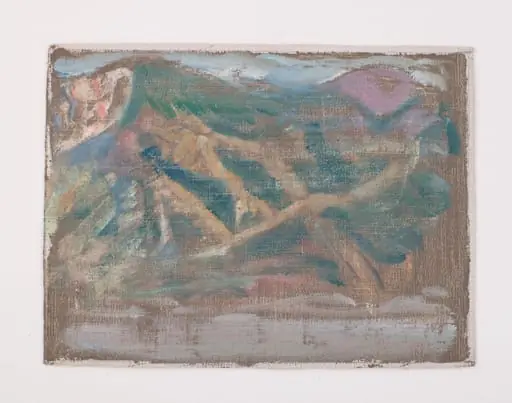
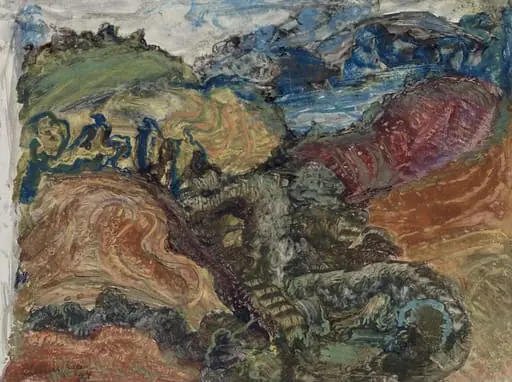
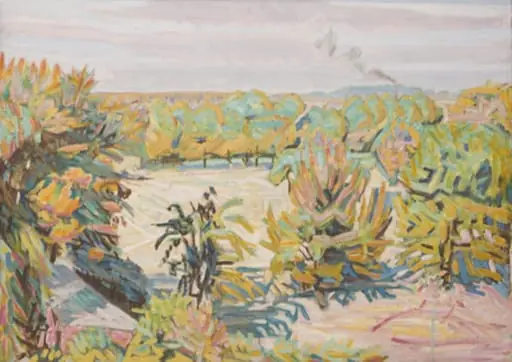
This work depicts a quiet spring scene dominated by pale pink blossoms in the foreground, set against a backdrop of dark, winding branches and a subdued sky.
This work depicts a quiet spring scene dominated by pale pink blossoms in the foreground, set against a backdrop of dark, winding branches and a subdued sky. The palette is restrained—browns, grays, and soft pinks—creating a contemplative, almost ethereal atmosphere. The paint is applied with visible, uneven strokes, suggesting an en plein air approach and a focus on immediate perception over polished detail.
Subject & Meaning
The composition centers on transient spring blooms, their delicate forms softened by blurred edges and atmospheric haze. The tangled branches rising behind them suggest nature’s untamed growth, while the muted sky implies early morning or overcast conditions. Together, these elements evoke a fleeting moment of seasonal change, emphasizing quietude over celebration.
Technique & Style
Thick, textured brushwork in impasto gives the flowers and branches a tactile presence, with paint applied hastily yet deliberately. The lack of sharp definition in the petals and the diffused edges of the foliage mimic optical effects of light and distance. This approach prioritizes sensory impression over precise rendering, aligning with observational rather than idealized representation.
History & Provenance
The painting’s origin and ownership history are not documented in available records. Its informal style and unframed presentation suggest it may have been a study or personal exercise rather than a commissioned work. No exhibition history or collector lineage is currently established.
Context
Created during a period when artists increasingly turned to nature as a subject free from academic conventions, this piece reflects a broader shift toward capturing transient light and mood. Its loose handling and muted tones echo contemporaneous tendencies in regional impressionist and post-impressionist practices, particularly among painters working outdoors in early spring.
Legacy
Though not widely exhibited or reproduced, the work contributes to a quieter strand of early 20th-century landscape painting that valued emotional resonance over grandeur. Its emphasis on impermanence and tactile texture influenced later artists exploring the materiality of paint as a vehicle for atmospheric feeling.
Artist & collection
Artist
Museum
Gavrila Simion Eco-Museum Research Institute Tulcea
Continue through works from the same source collection.