Artwork
Mansion by the River
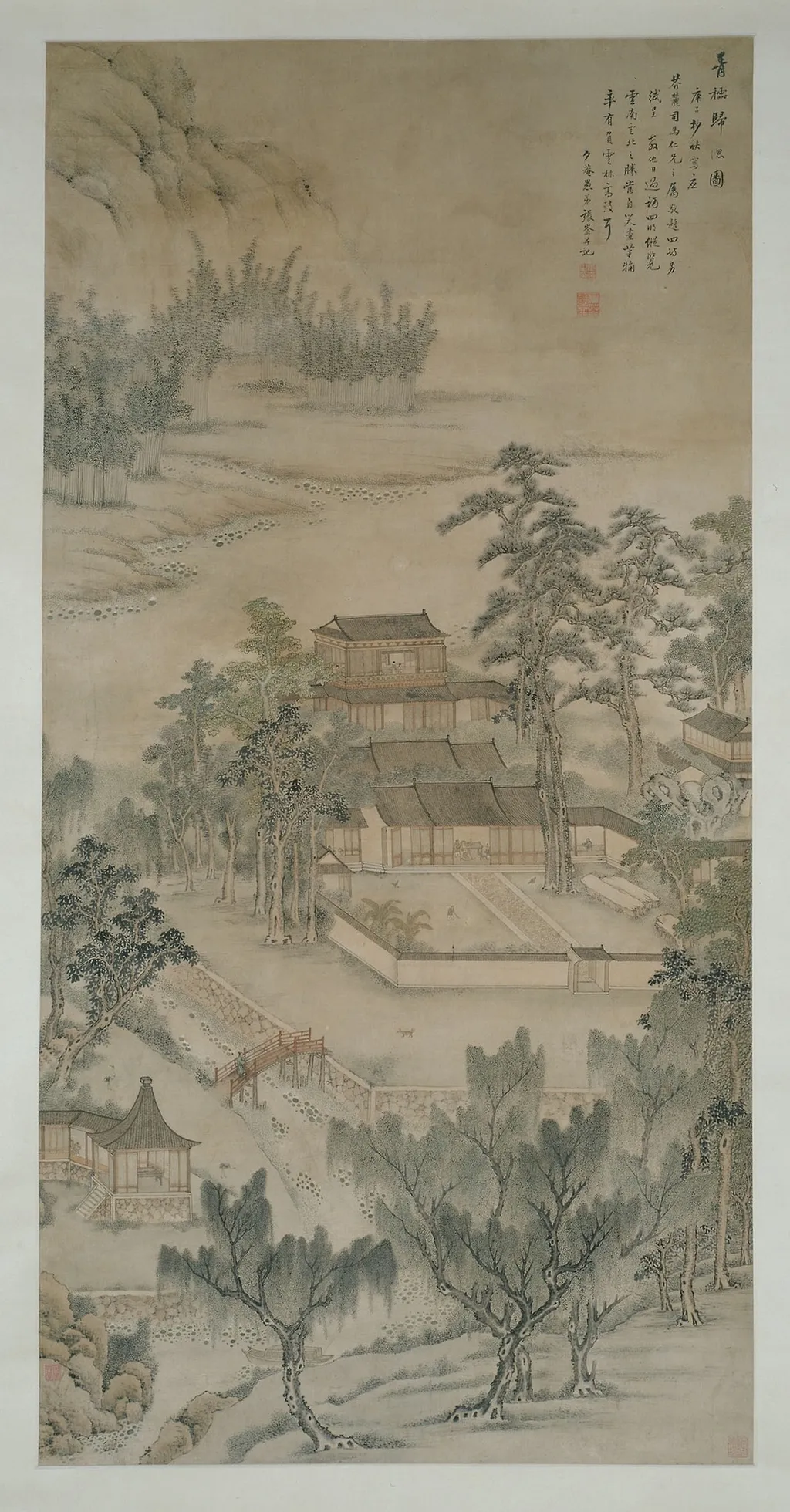
Mansion by the River is an unspecified painting by the Qing dynasty painting artist Zhang Yin. It dates from 1810 and is held in the collection of the Art Institute of Chicago.
About this work
Overview
Painted in 1810 during the Qing Dynasty, *Mansion by the River* is a landscape work by Zhang Yin, a painter and calligrapher from Dantu in Jiangsu Province.
Painted in 1810 during the Qing Dynasty, *Mansion by the River* is a landscape work by Zhang Yin, a painter and calligrapher from Dantu in Jiangsu Province. Active in the early 19th century, Zhang was linked to the Dantu School, known for its quiet, introspective approach to nature. The painting reflects his personal style, marked by restrained composition and a sense of solitude. It is now part of the Art Institute of Chicago’s collection.
Subject & Meaning
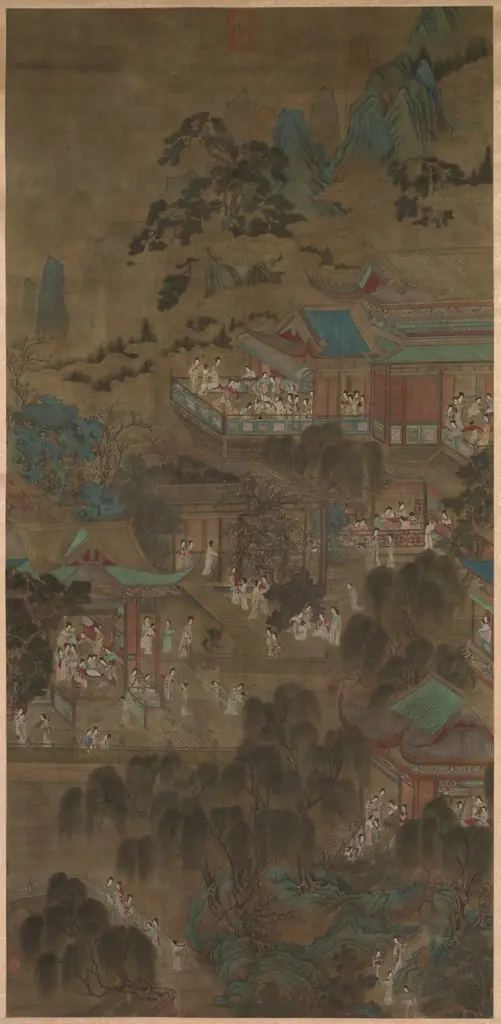
The scene centers on a secluded mansion nestled beside a winding river, accessible via a narrow bridge. Surrounding trees and dense underbrush frame the structure, while distant mountains recede into mist. The absence of human figures and the stillness of the water suggest a contemplative withdrawal from worldly activity. The architecture, though prominent, is softened by nature, implying harmony between human habitation and the natural world.
Technique & Style
Zhang employed fine, controlled brushwork to render foliage, rock formations, and water with subtle variation in ink tone. Gradations of gray and muted ochre suggest depth without bold color, adhering to literati traditions. The brushstrokes convey texture and movement—leaves rustle, river currents flow—without overt drama. His technique prioritizes atmosphere over detail, inviting quiet observation rather than immediate narrative.
History & Provenance
Zhang Yin, born in 1761, adopted the style name Bao Yan and the sobriquet Xi An, reflecting his scholarly inclinations. His works circulated among literati circles in Jiangsu before entering institutional collections. *Mansion by the River* entered the Art Institute of Chicago’s holdings through documented acquisition, likely in the 20th century, preserving its provenance within the broader context of Chinese art collected abroad.
Context
The early 19th century saw Qing-era artists increasingly turning inward, emphasizing personal expression over imperial grandeur. Zhang’s work aligns with this trend, drawing from Song and Yuan precedents while avoiding decorative excess. His landscapes reflect a cultural shift toward solitude and poetic introspection, common among scholar-officials who withdrew from court life. The Dantu School, though regional, contributed to this broader literati aesthetic.
Legacy
Zhang Yin’s oeuvre remains relatively understudied outside China, but his works exemplify the quiet rigor of late Qing literati painting. *Mansion by the River* stands as a representative example of his ability to evoke mood through minimal means. His influence endures in regional collections and among scholars of Chinese ink painting, where his restraint continues to inform interpretations of naturalism in pre-modern art.
Artist & collection
Artist
Zhang Ying (Chinese: 张崟; 1761–1829) was a calligrapher and painter of Qing Dynasty China.

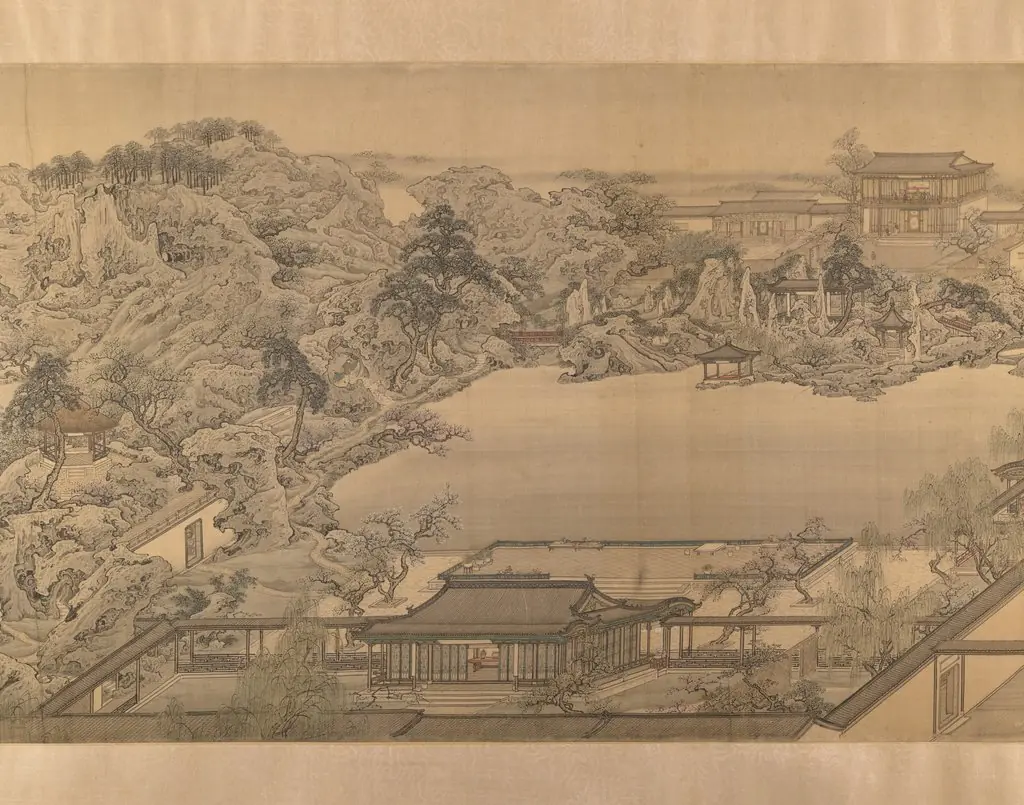 清 佚名 臨袁江瞻園圖 卷|View of a Garden Villa
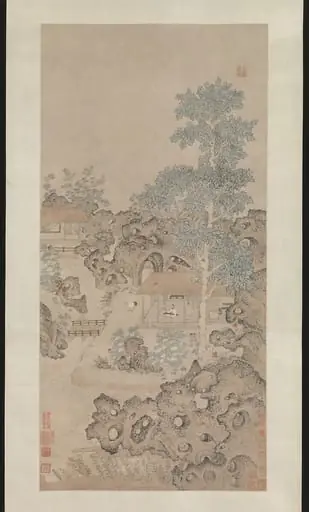 明 佚名 琴鶴圖 軸|Playing the zither for a crane
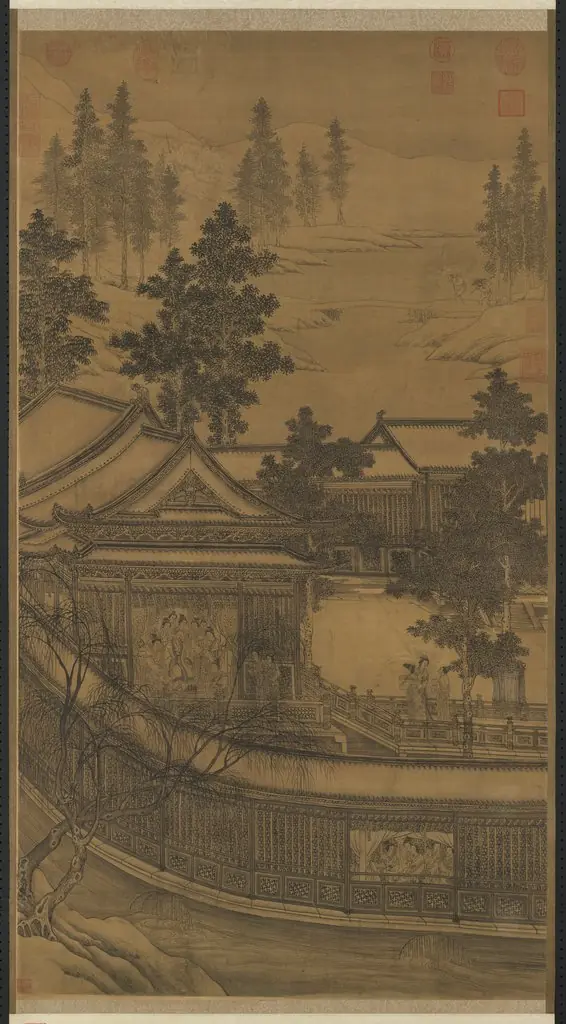 Snow Alchemy by Master Geng of the Southern Tang
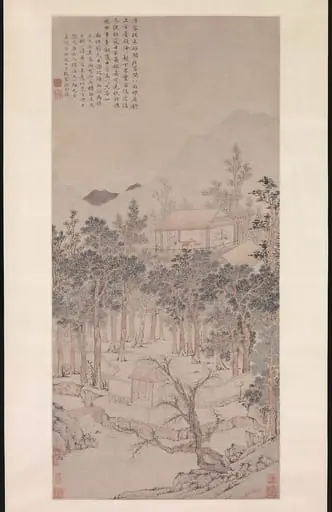 明 文徵明 樓居圖軸|Living Aloft: Master Liu's Retreat
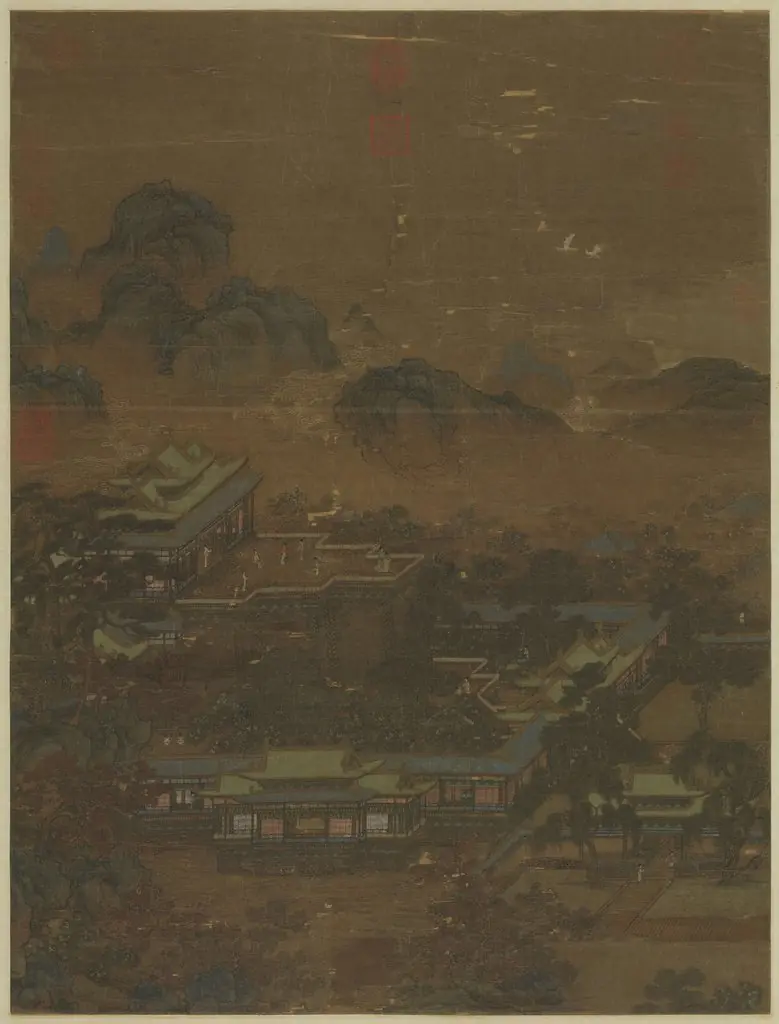 宋趙伯駒阿閣圖 軸
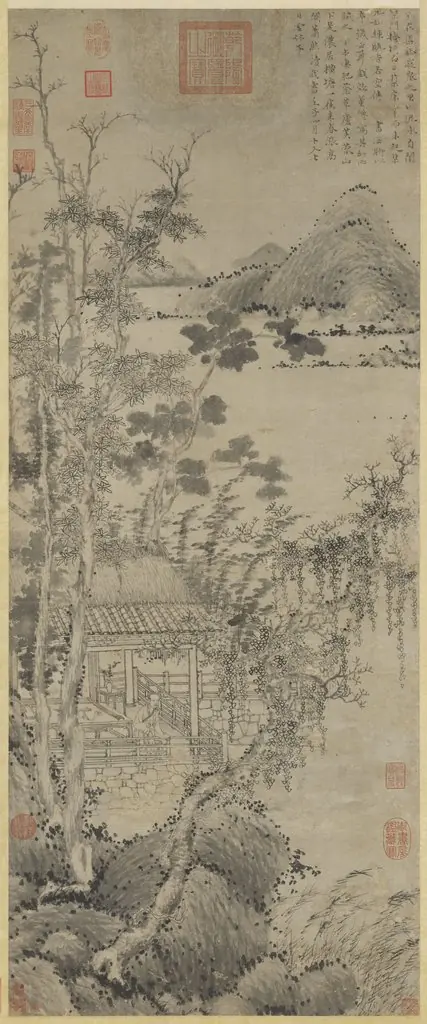 Qing Bi Pavilion
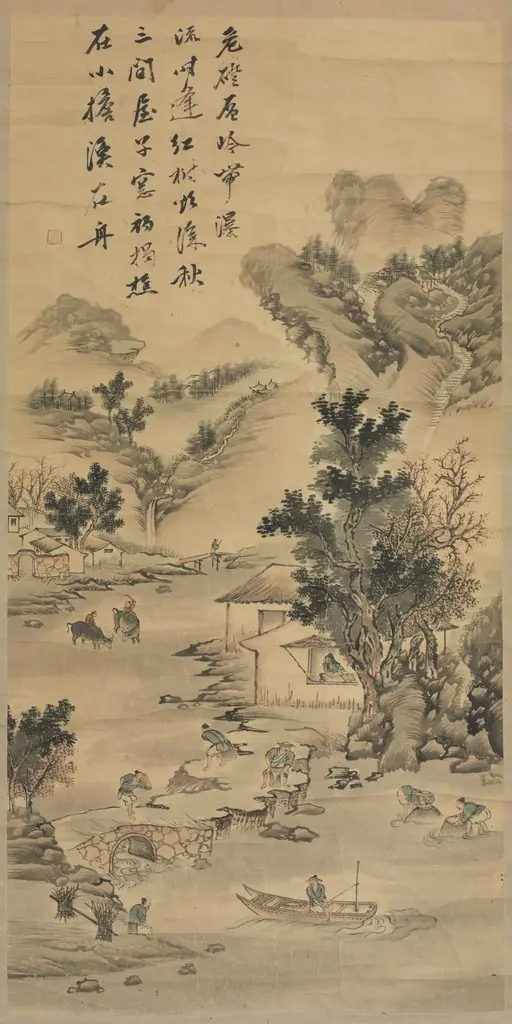 Landscape
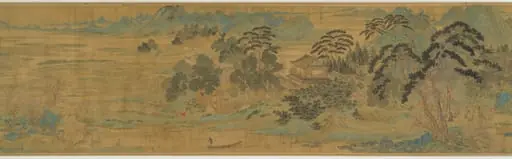 The Peach Blossom Spring 桃花源圖
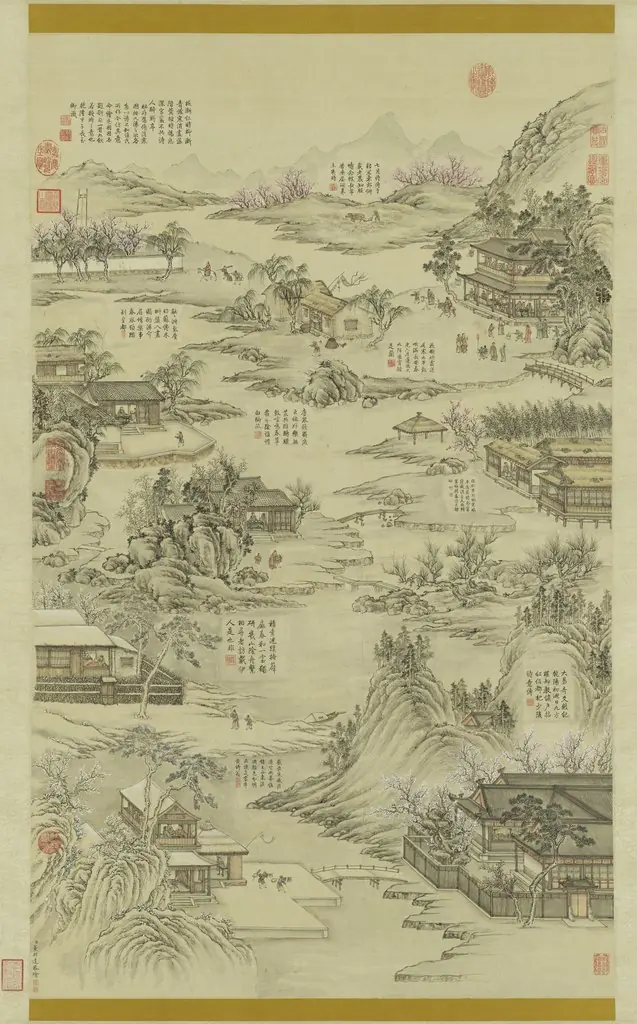 清董邦達九陽消寒 軸
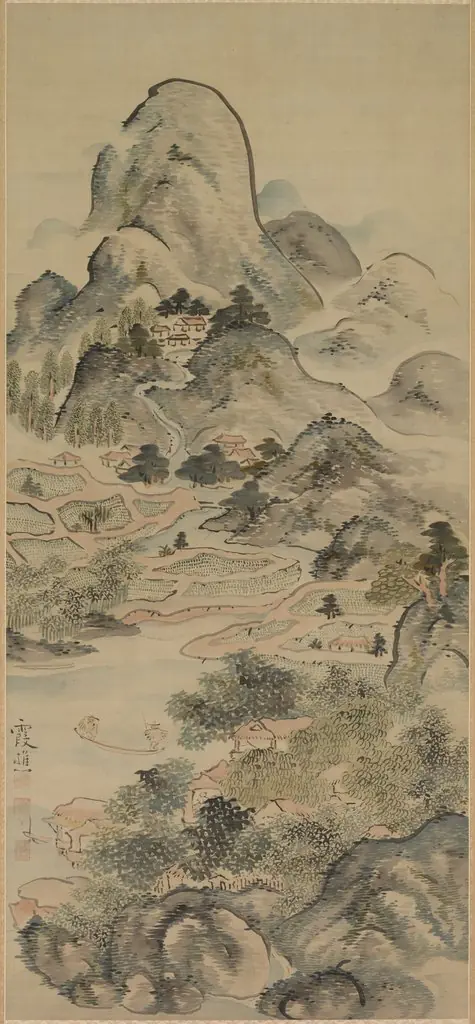 Fishing in Springtime
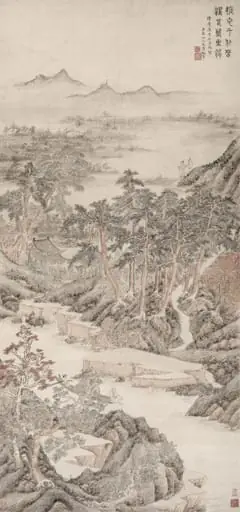 Washing the Feet (from the Dusty World)
 Court Ladies in the Imperial Palace