Artwork
宋郭熙豐年瑞雪圖 軸
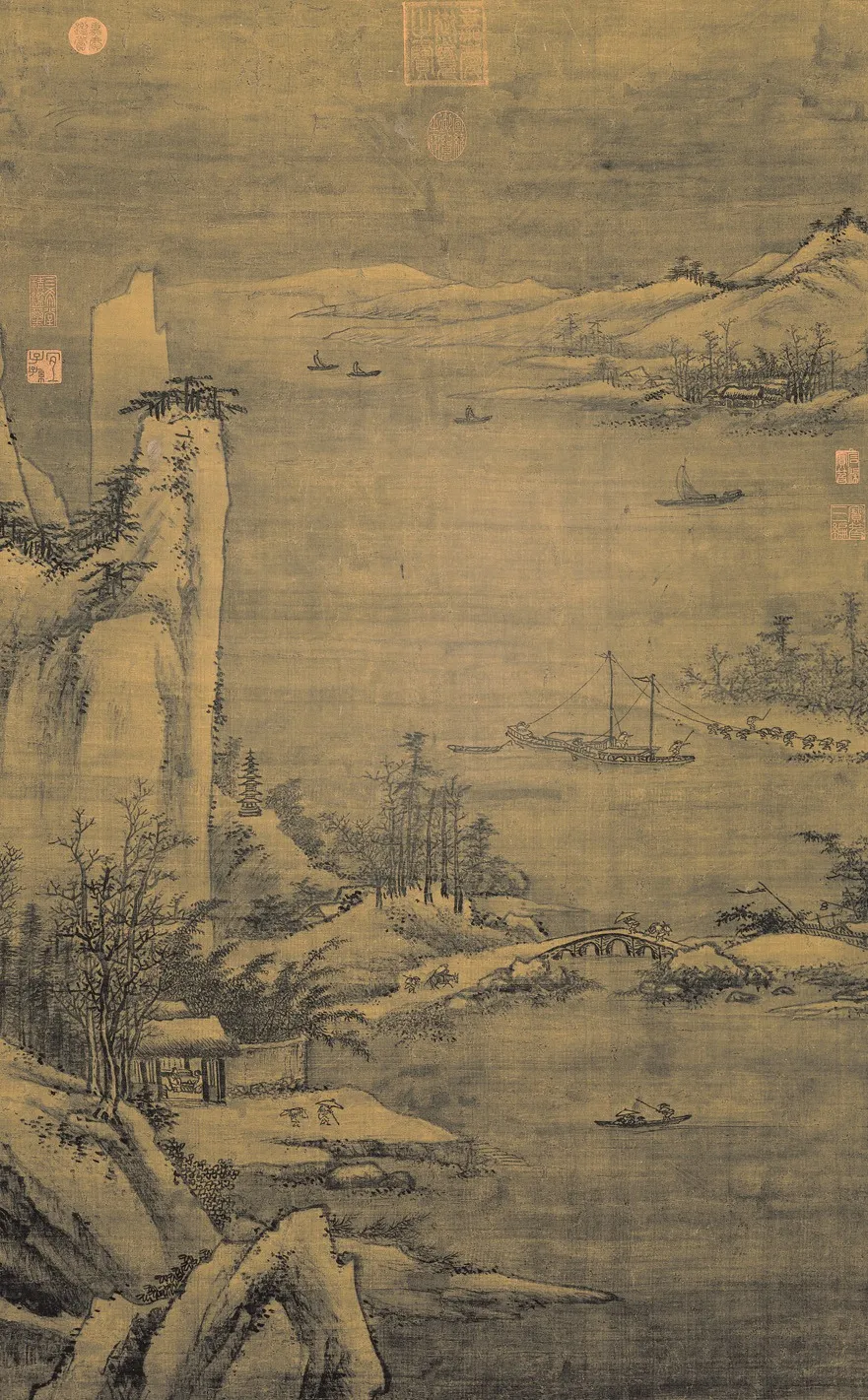
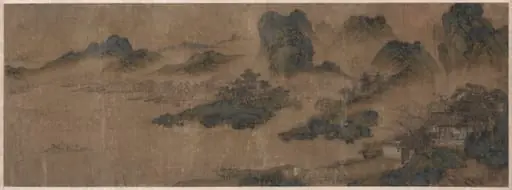
宋郭熙豐年瑞雪圖 軸 is an unspecified painting by Zhou Wenjing. It is held in the collection of the National Palace Museum. The hand‑scroll presents a quiet riverine scene rendered in subdued earth tones.
About this work
Overview
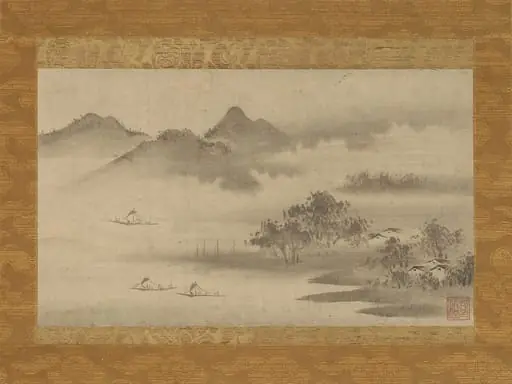
The hand‑scroll presents a quiet riverine scene rendered in subdued earth tones. Low hills recede into misty distance, while modest structures and scattered trees occupy the left foreground. Small boats glide across the water, their silhouettes softened by a gentle light that suggests early morning or late afternoon.
Subject & Meaning
The composition depicts a tranquil rural setting, emphasizing the harmony between human habitation and the surrounding landscape. The modest scale of the buildings and the placid water convey a sense of seasonal stability, reflecting traditional Chinese ideals of prosperity and peace in agrarian life.
Technique & Style
Executed with ink and light washes of pigment, the work employs the Song‑period emphasis on atmospheric perspective. Delicate brushwork defines architectural details, while broader strokes suggest foliage and distant mountains. The muted palette of browns and grays enhances the feeling of quietude and depth.
History & Provenance
The scroll originates from the Song dynasty and bears the inscription of Guo Xi, a noted painter of the era. It has been preserved as a hanging scroll, passing through several private collections before entering a museum setting, where it is displayed as an example of early Chinese landscape painting.
Context
During the Song period, landscape painting evolved to portray natural scenery as a conduit for moral and philosophical reflection. This piece aligns with that tradition, illustrating how everyday rural scenes were elevated to subjects worthy of artistic contemplation.
Artist & collection


 Crossing a Bridge to Visit a Friend
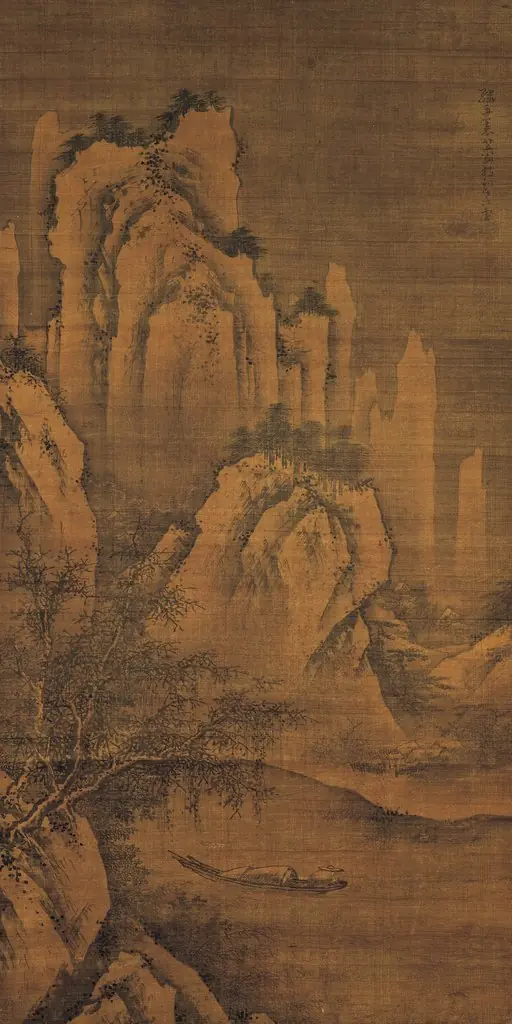 Landscape
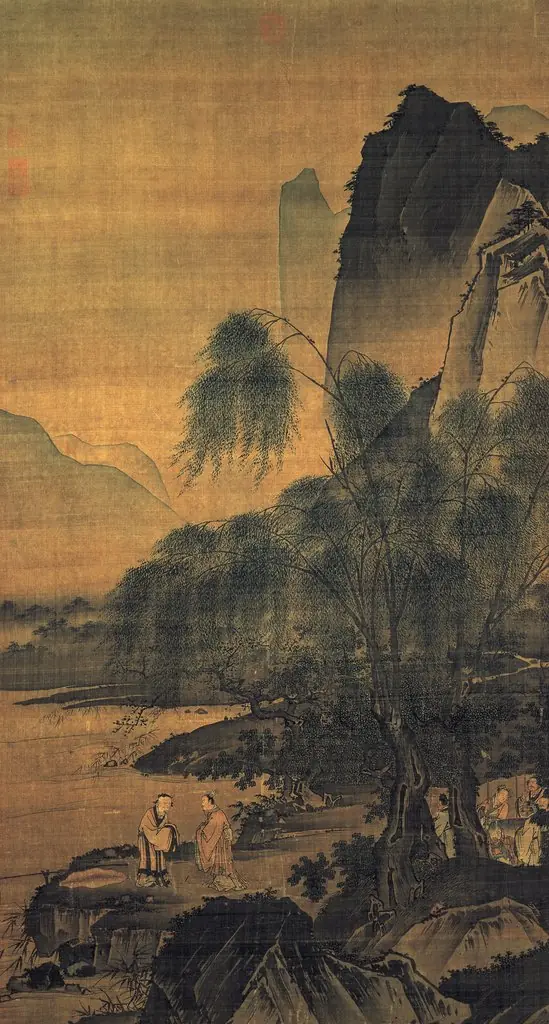 Fish on the Banks of the Wei River
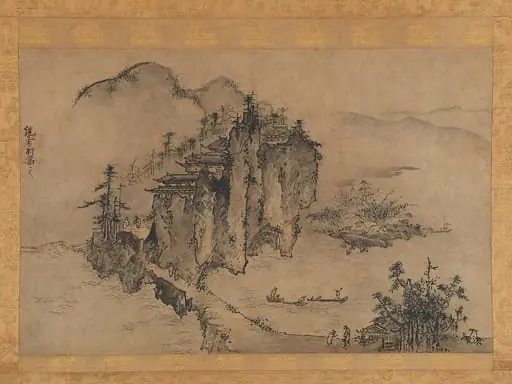 雪村周継筆 山水図|Landscape with Rocky Precipice
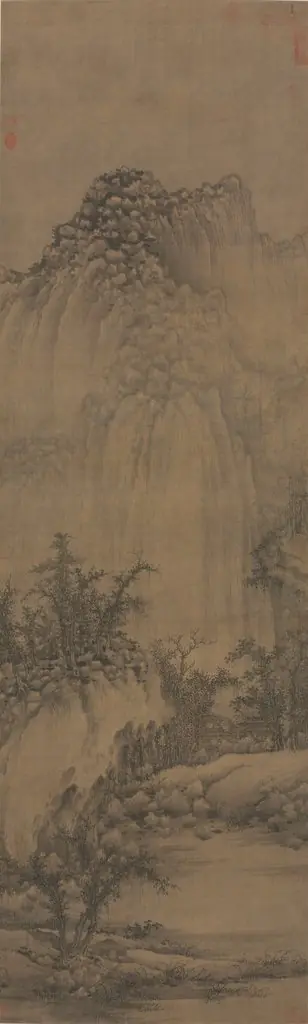 Buddhist Retreat by Stream and Mountains
 Untitled
 Mountain Hermitage
 Crossing a Bridge over a Stream
 The Wangchuan Villa
 Visiting an Old Friend in the Spring Mountains
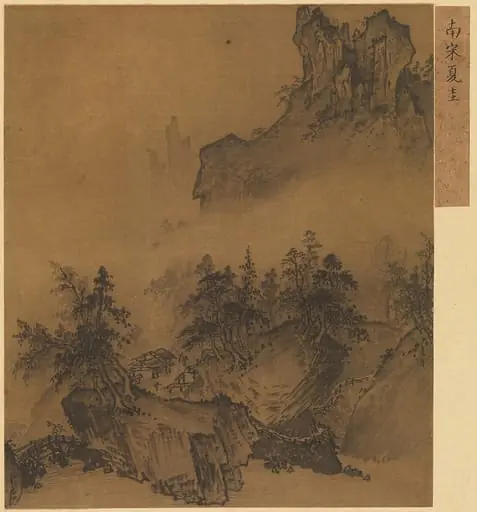 南宋 夏珪 山市晴嵐圖 冊頁|Mountain Market, Clearing Mist