Artwork
Landscape
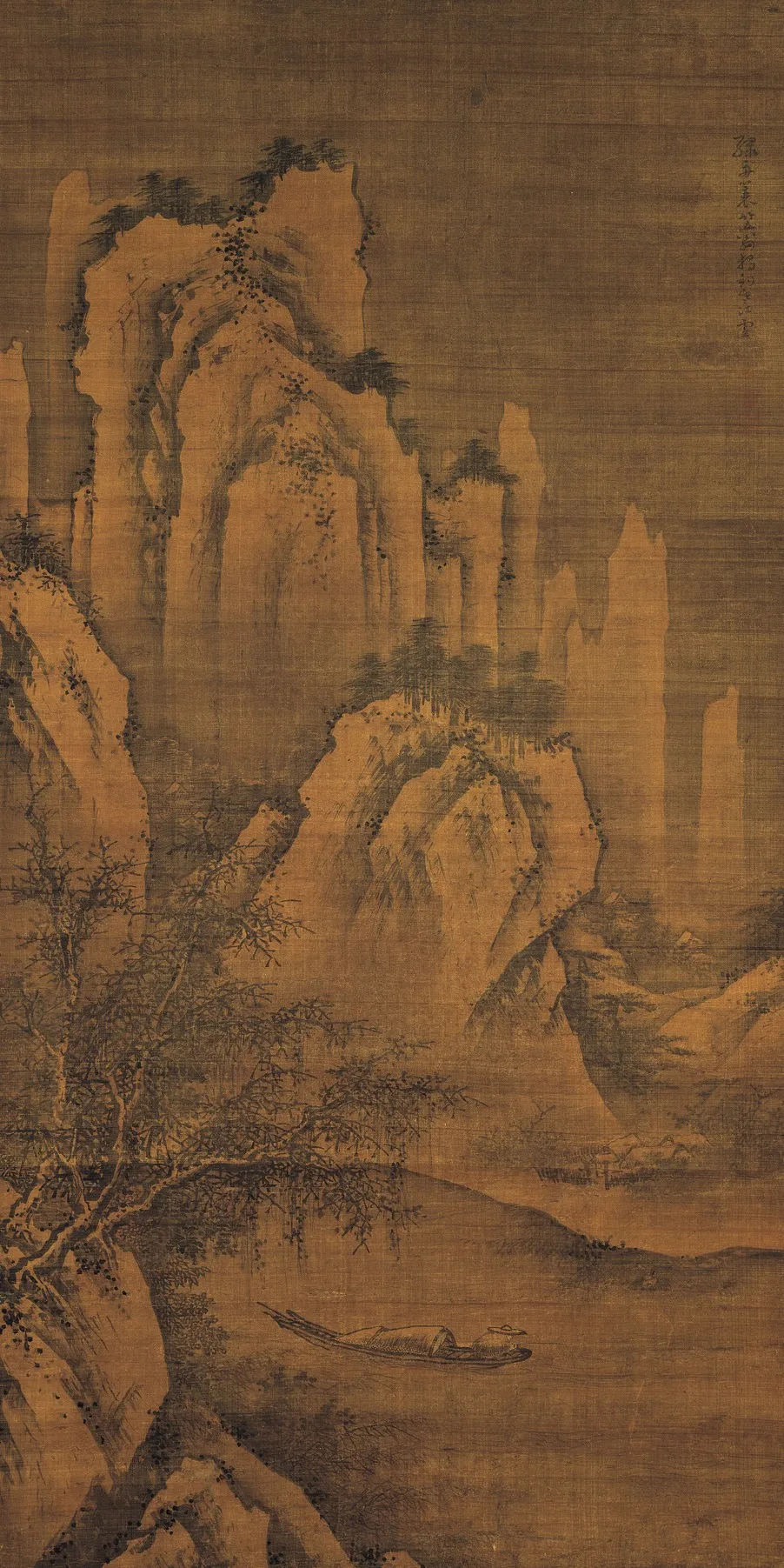
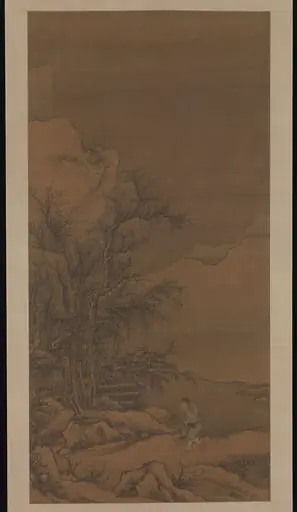
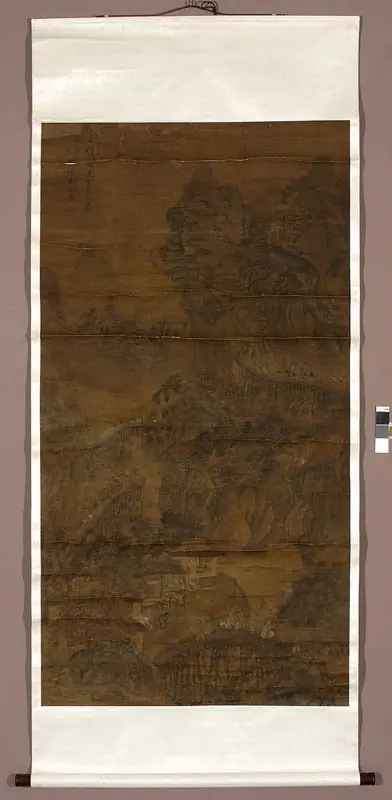
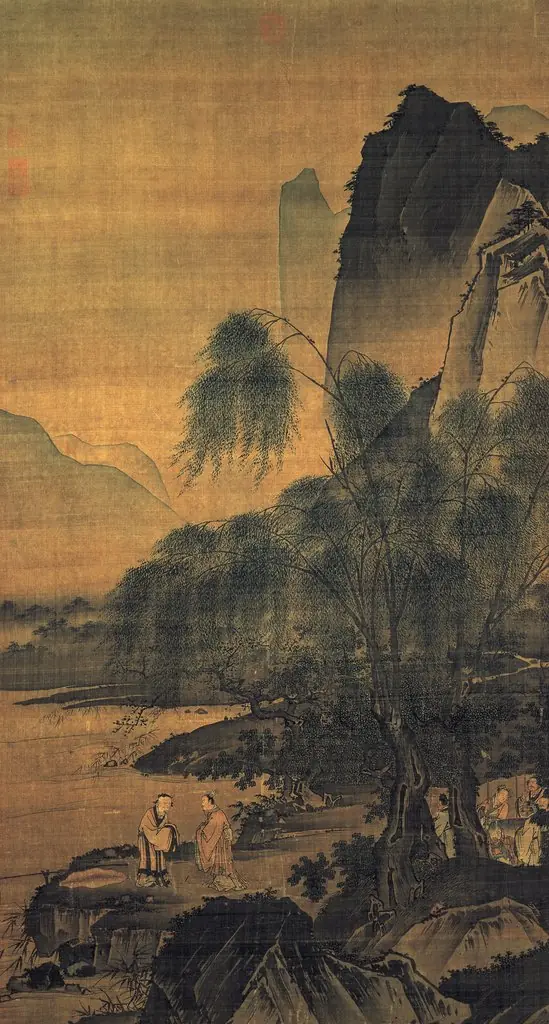
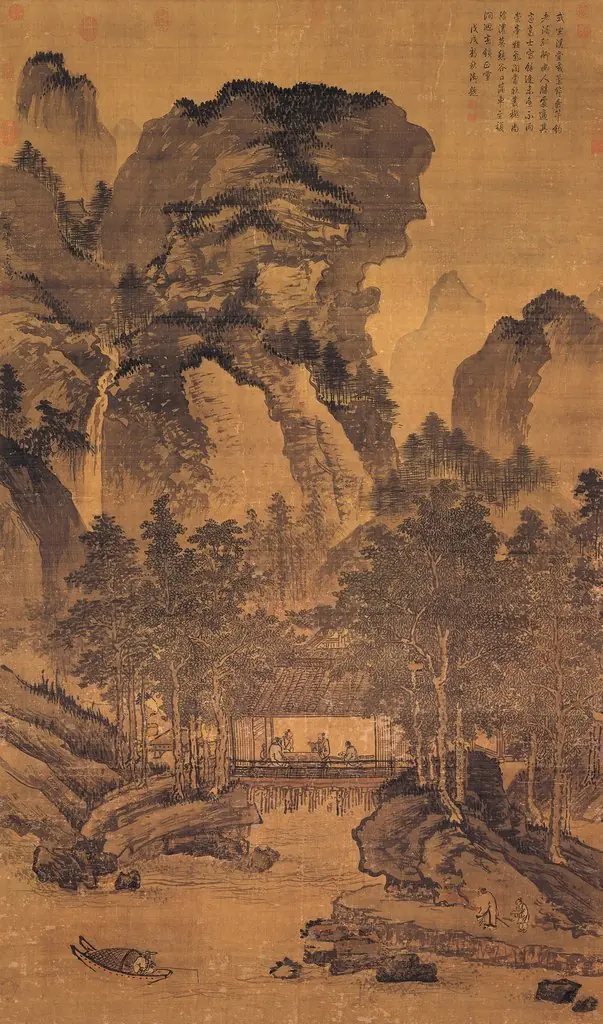
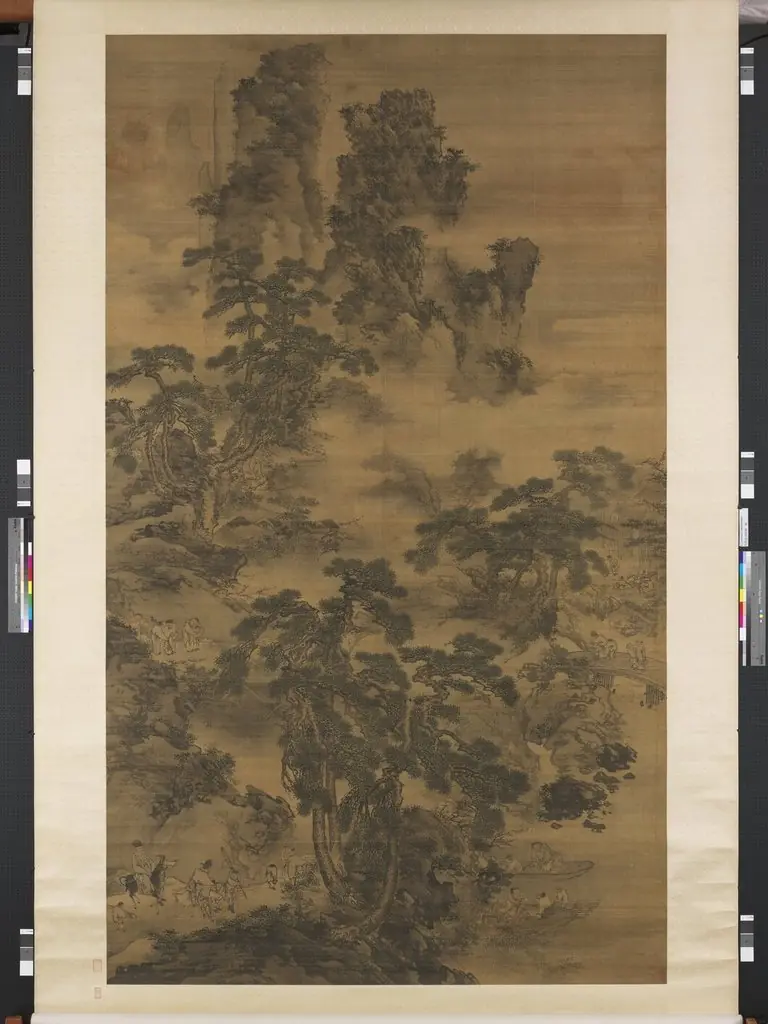
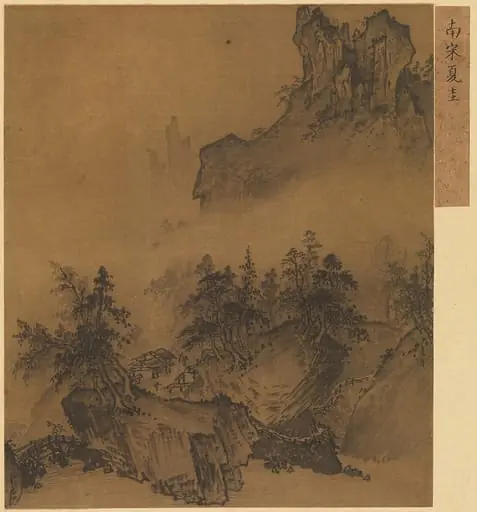
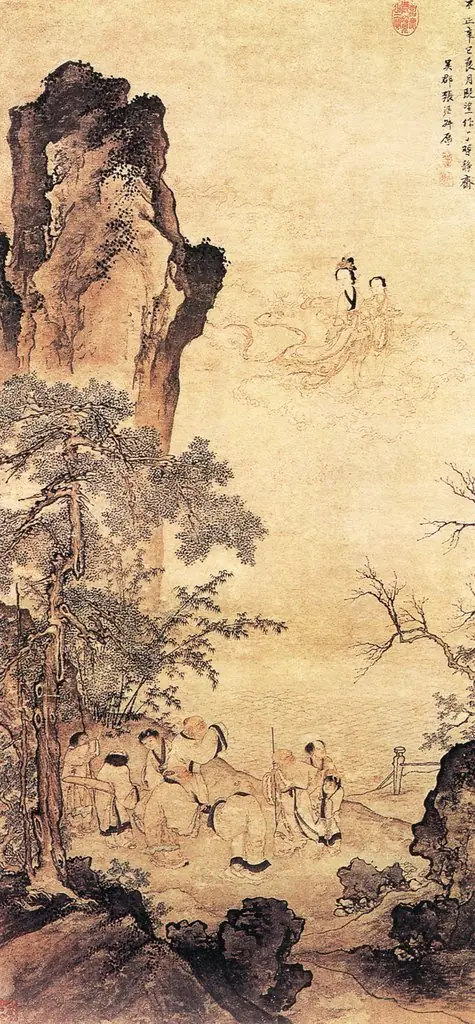
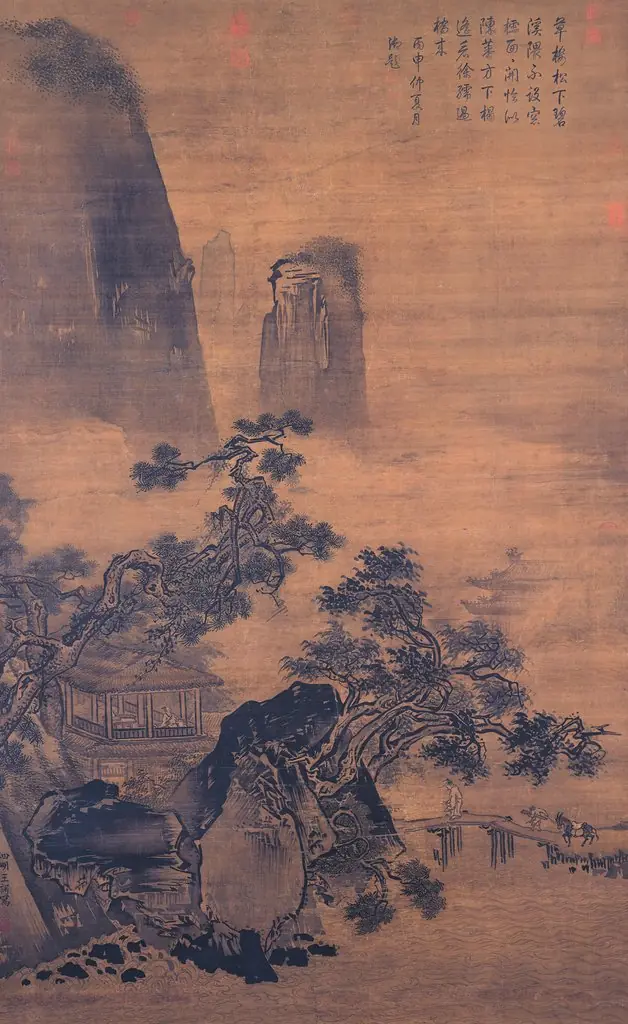
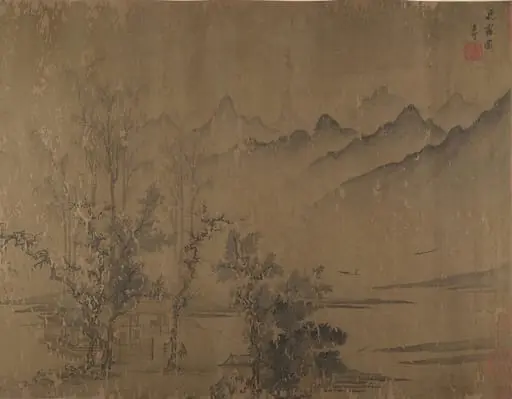
Landscape is an unspecified painting by the Ming dynasty painting artist Dai Jin. It dates from 1435 and is held in the collection of the National Palace Museum.
About this work
Overview
Painted around 1435 by Dai Jin, this landscape work is a representative example of early Ming dynasty ink painting. It resides in the National Palace Museum in Taipei, where it is preserved as part of a significant collection of Chinese court art. The composition balances natural elements with restrained brushwork, reflecting the aesthetic values of the period.
Subject & Meaning
The painting depicts a tranquil mountainous terrain with a quiet body of water in the foreground. A solitary boat and a bare tree suggest themes of solitude and seasonal transition. The scene evokes contemplation rather than narrative, aligning with Daoist and literati ideals that valued harmony with nature and quiet introspection over dramatic spectacle.
Technique & Style
Dai Jin employed fine ink washes and delicate brushstrokes to model forms with subtle gradations of tone. The mountainous backdrop is built through layered, soft contours, while the foreground tree is rendered with crisp, angular lines. The use of negative space and minimal color enhances the monochrome elegance, characteristic of scholarly painting traditions of the time.
History & Provenance
Created during the early Ming court’s patronage of traditional ink styles, the painting likely originated in a scholarly or imperial context. It entered the National Palace Museum’s collection following the relocation of imperial artifacts from Beijing to Taipei in the mid-20th century. Its continuous preservation reflects its recognized status within China’s artistic heritage.
Context
Dai Jin was a painter trained in the Southern Song academy tradition but active during a period when Ming rulers favored classical styles over the more expressive approaches of Yuan artists. This work reflects a revival of Song-era landscape conventions, emphasizing structure and restraint, in contrast to the freer ink styles favored by contemporary literati.
Legacy
Though less widely known than later Ming painters, Dai Jin’s work influenced the development of court-sponsored landscape painting in the 15th century. His synthesis of technical precision and poetic restraint helped define the aesthetic direction of Ming imperial art, bridging earlier traditions with emerging stylistic norms.
Artist & collection
Artist
Dai Jin lived in Hangzhou, where the old Southern Song court had once ruled. He spent his days sketching boats along the river and collecting Ming-era scrolls in the same tea houses where scholars argued about art. He…