Artwork
Punerea în mormânt
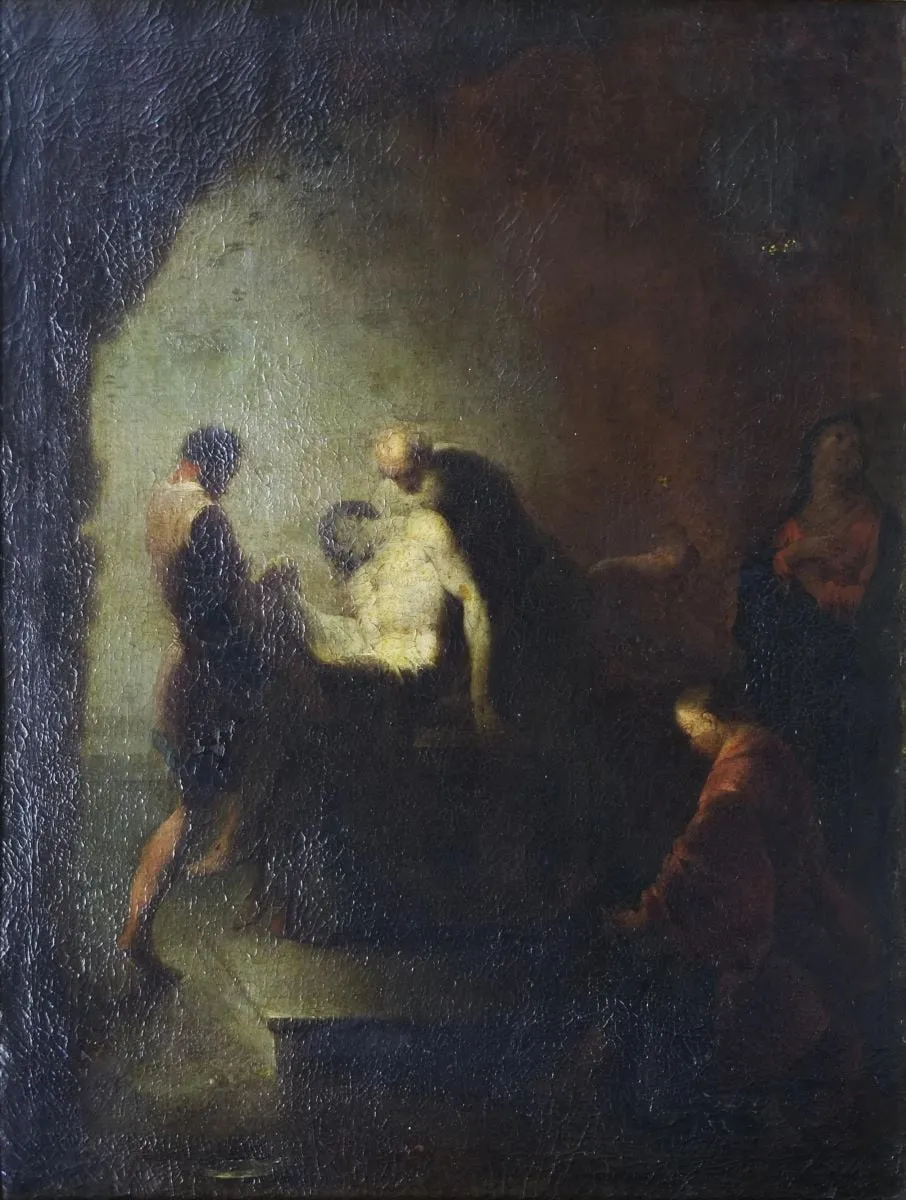
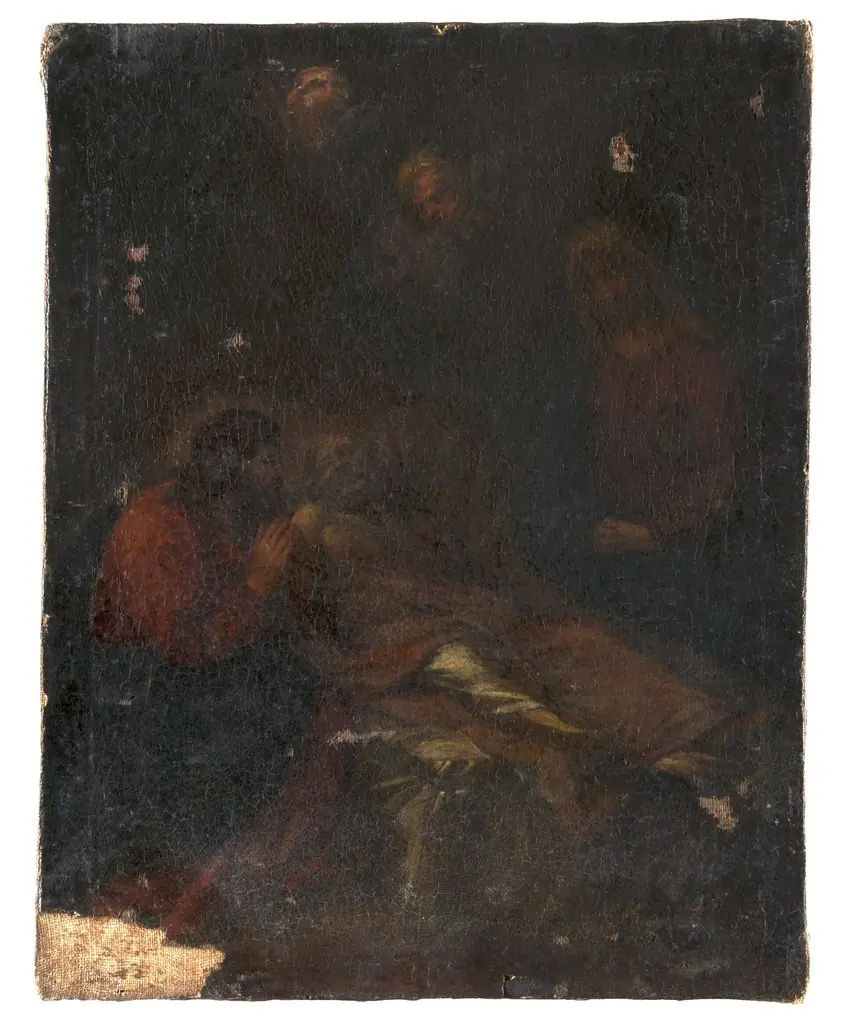
Punerea în mormânt is an unspecified painting by the Barbizon school artist Johannes Zick. It is held in the collection of the National Museum of Art of Romania.
About this work
Overview
Johannes Zick, a German painter active in the early‑18th century, produced this religious work portraying the burial of Christ. Executed in the Baroque idiom, the composition gathers mourners around the lifeless body, emphasizing the solemnity of the moment through restrained colour and controlled lighting.
Subject & Meaning
The scene centers on the entombment of Jesus, a pivotal episode in the Christian narrative. Figures in dark robes surround the pale corpse, their gestures and expressions conveying grief and reverence, inviting contemplation of sacrifice and redemption.
Technique & Style
Zick employs a subdued chiaroscuro, allowing a single light source—suggested by a torch or candle—to illuminate the faces while casting deep shadows across the surroundings. This handling of light and shade creates spatial depth and heightens the emotional intensity characteristic of Late Baroque painting.
History & Provenance
A member of a notable artistic family, Zick was the father of the later painter Januarius Zick. Though primarily known for fresco cycles in southern Germany, this canvas reflects his work in easel painting. Its provenance traces back to ecclesiastical collections in the region, where it has remained associated with devotional contexts.
Context
While the painting is firmly rooted in the Baroque tradition, some catalogues have linked it to the Barbizon School—a movement usually connected with 19th‑century French landscape art. This attribution likely reflects a broader, perhaps mistaken, use of the term rather than a direct stylistic affiliation.
Artist & collection
Artist
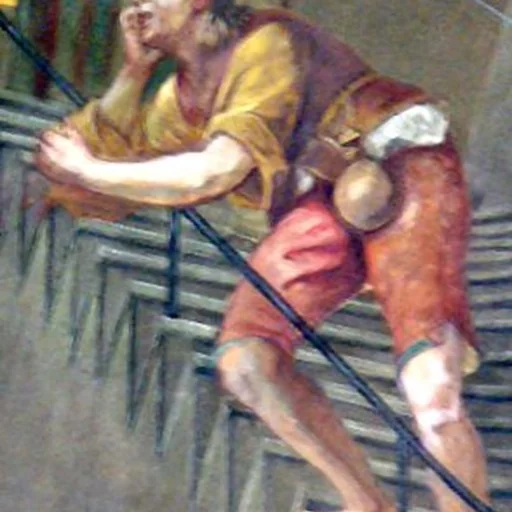
Johannes (Johann) Zick (10 January 1702 – 4 March 1762) was a German painter of frescoes in southern Germany and active during the Baroque period.

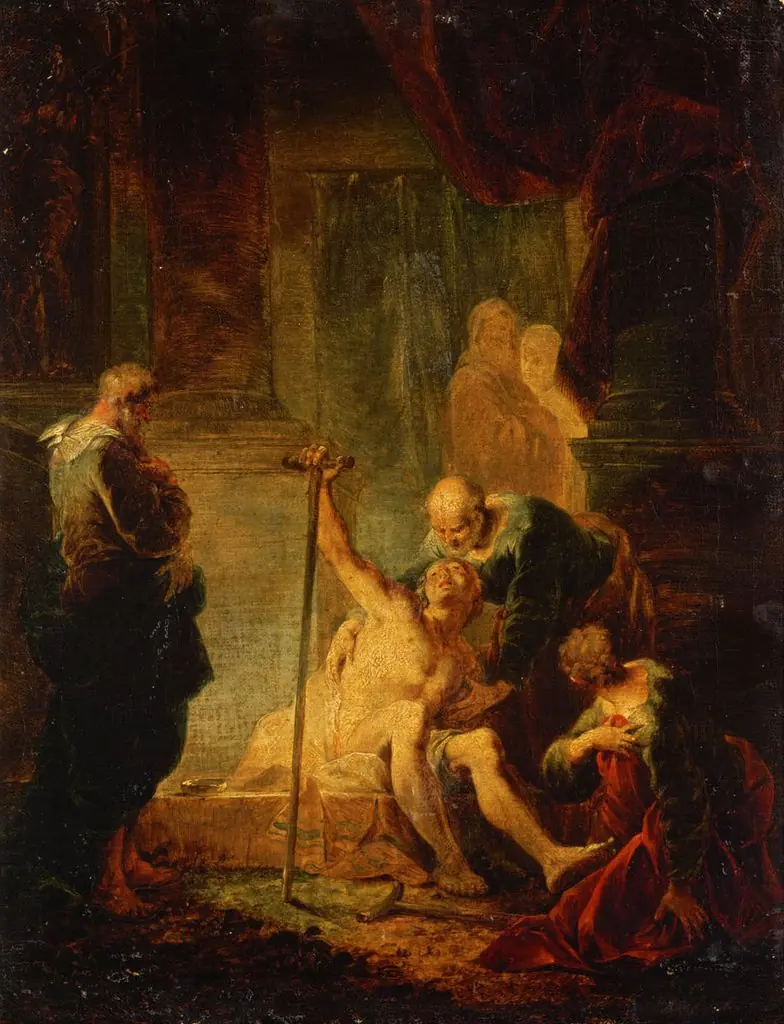 Petrus und Johannes heilen den Lahmgeborenen im Tempel
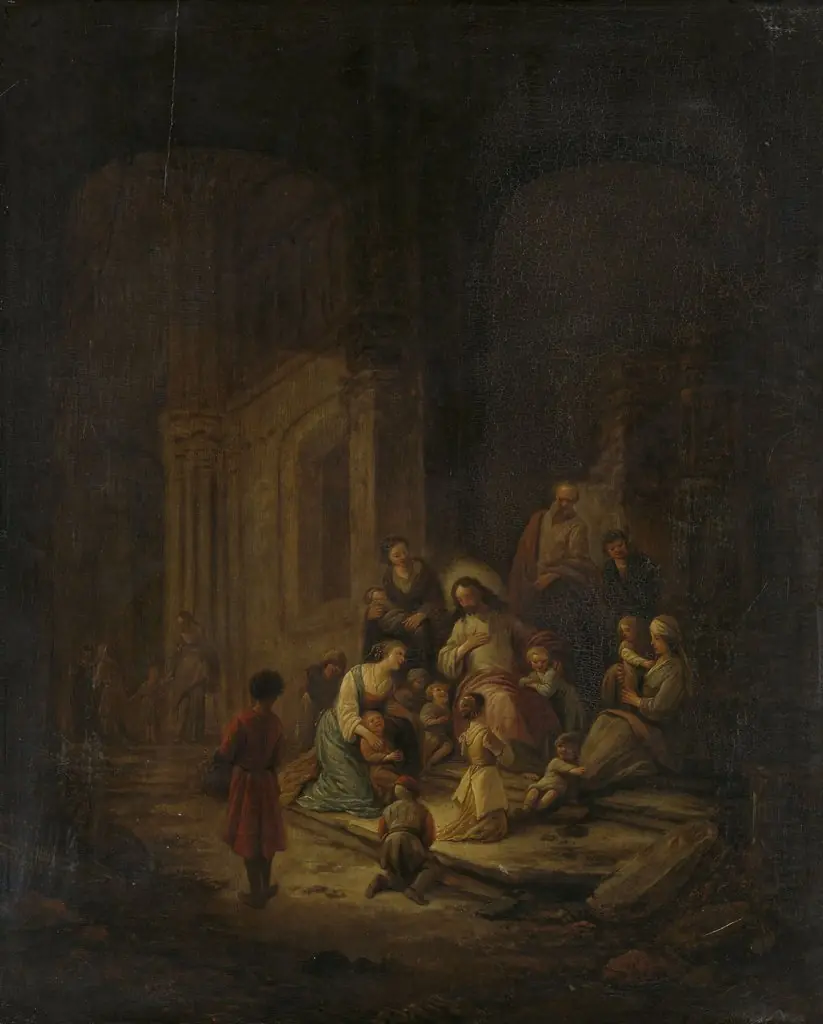 Christ blessing the children
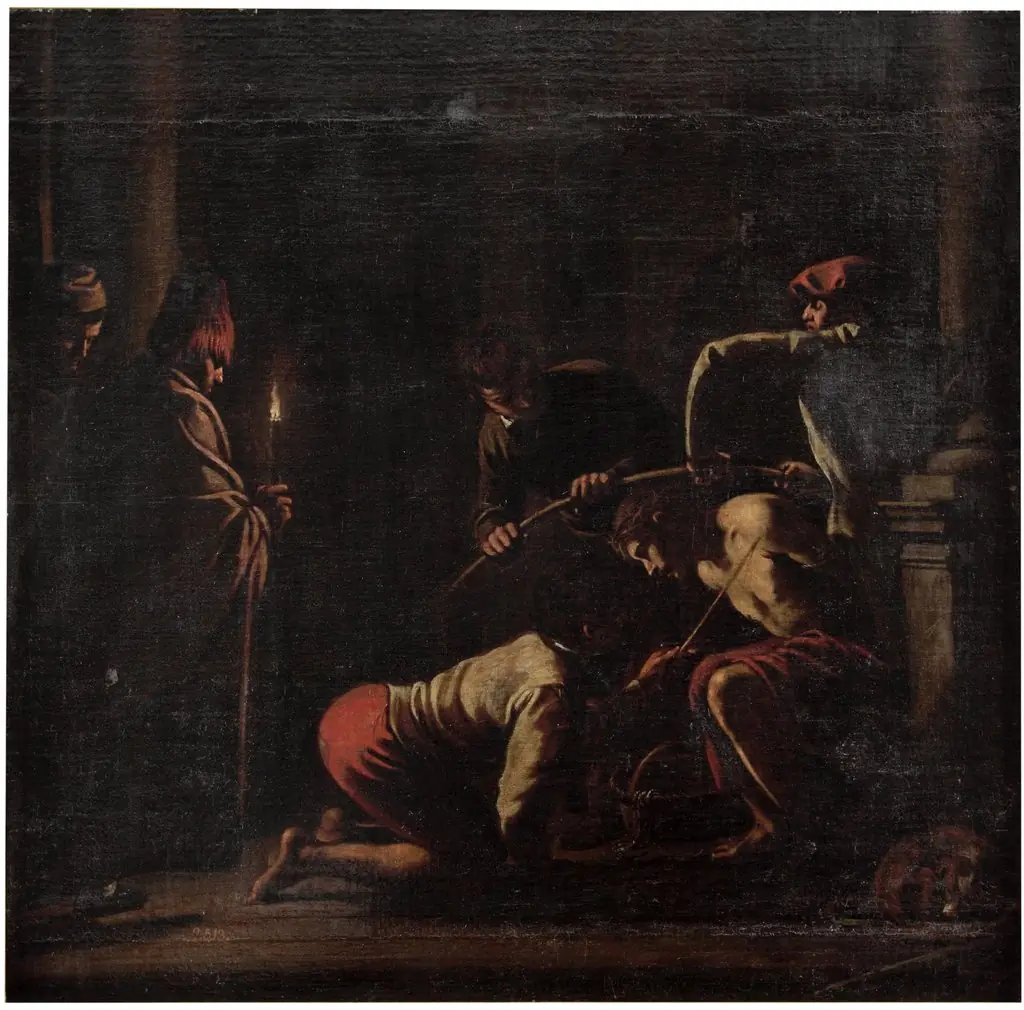 Jesús en el pretorio
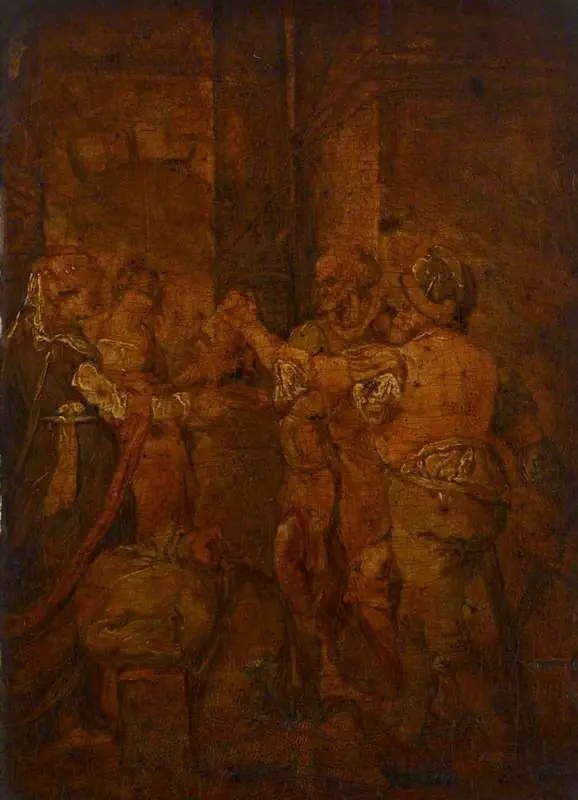 Salome Receiving the Saint John the Baptist's Head
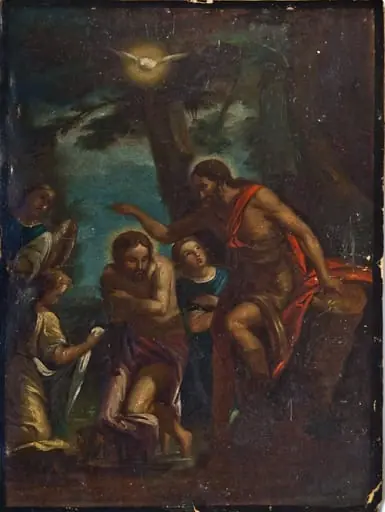 Botezul
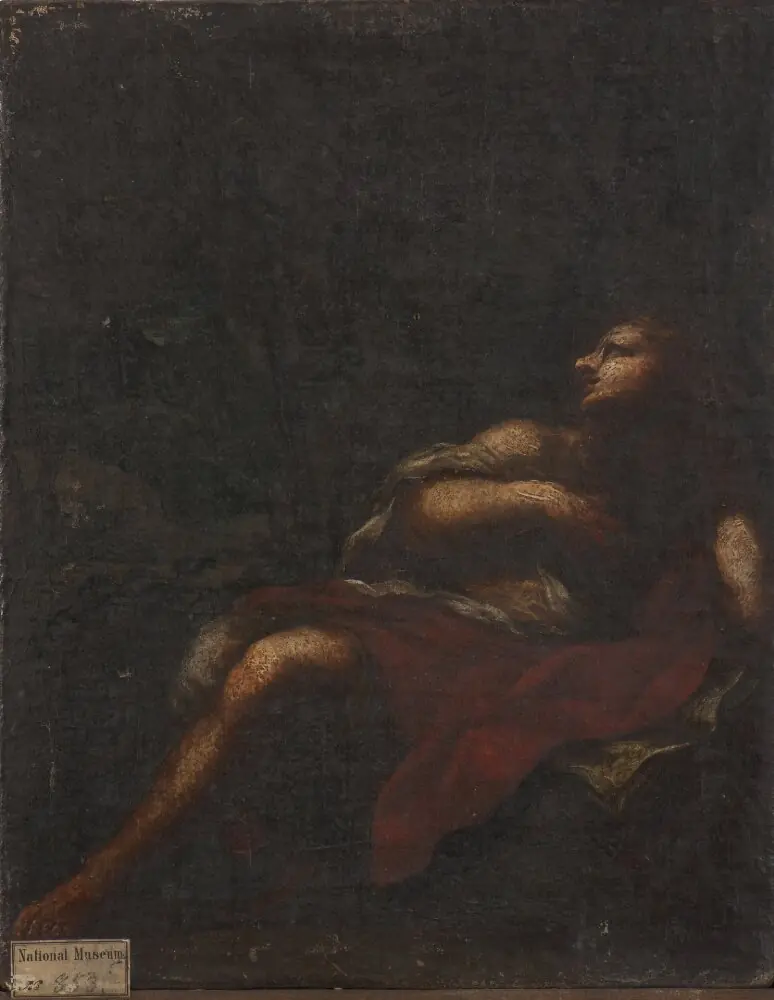 St Mary Magdalen
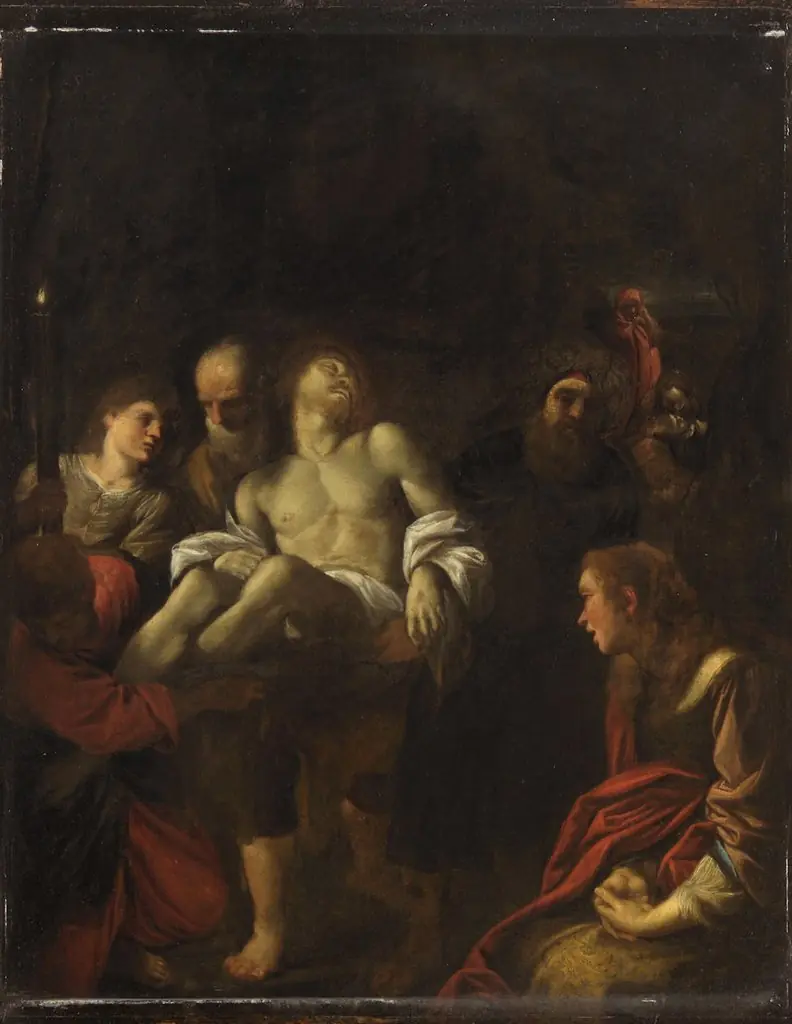 Entombment of Christ
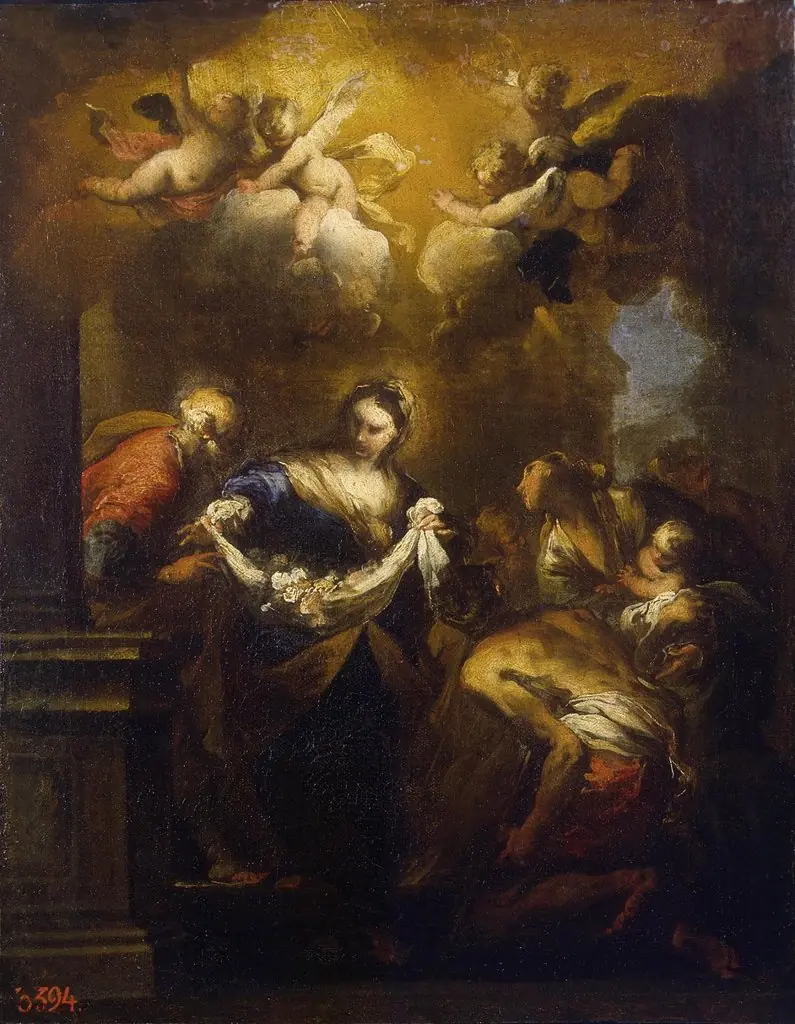 The Miracle of Roses (The Miracle of St Cita)
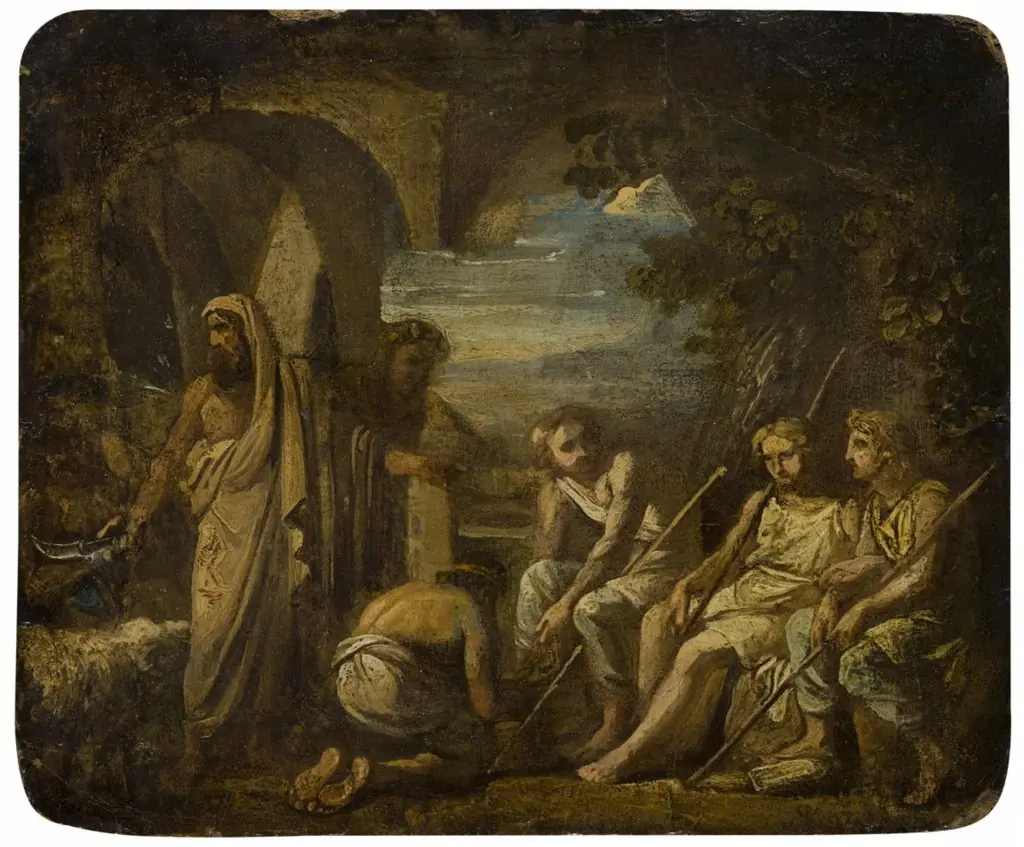 Sketch on the Subject of the Trinity Beneath the Oak of Mambre
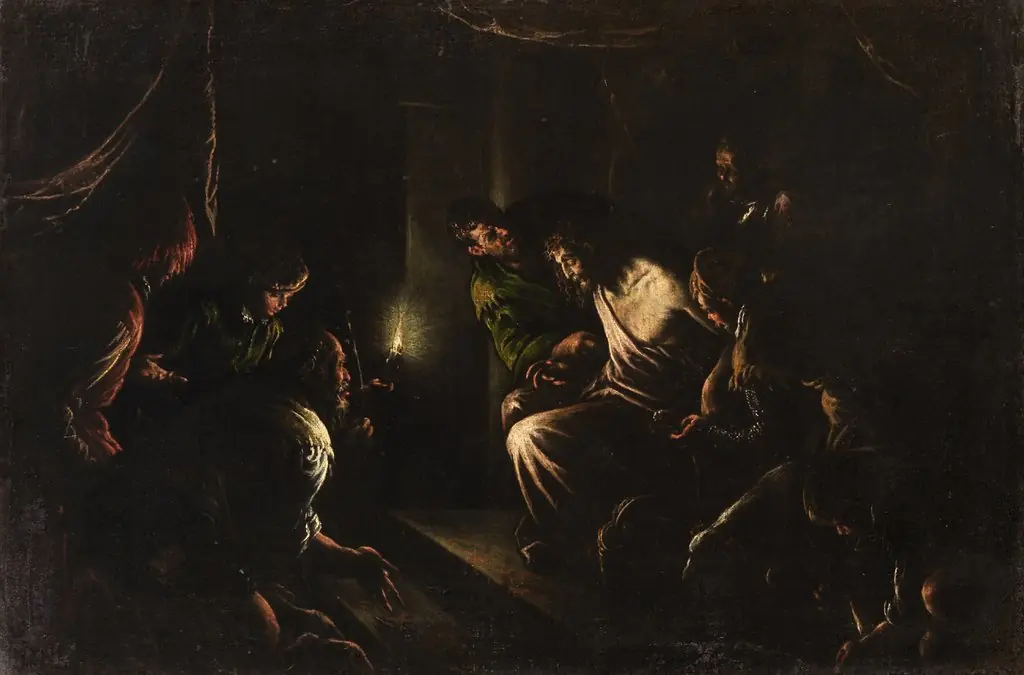 Mocking of Christ
 Josefs death
 The Flight into Egypt (Reni)