Artwork
Jesús en el pretorio
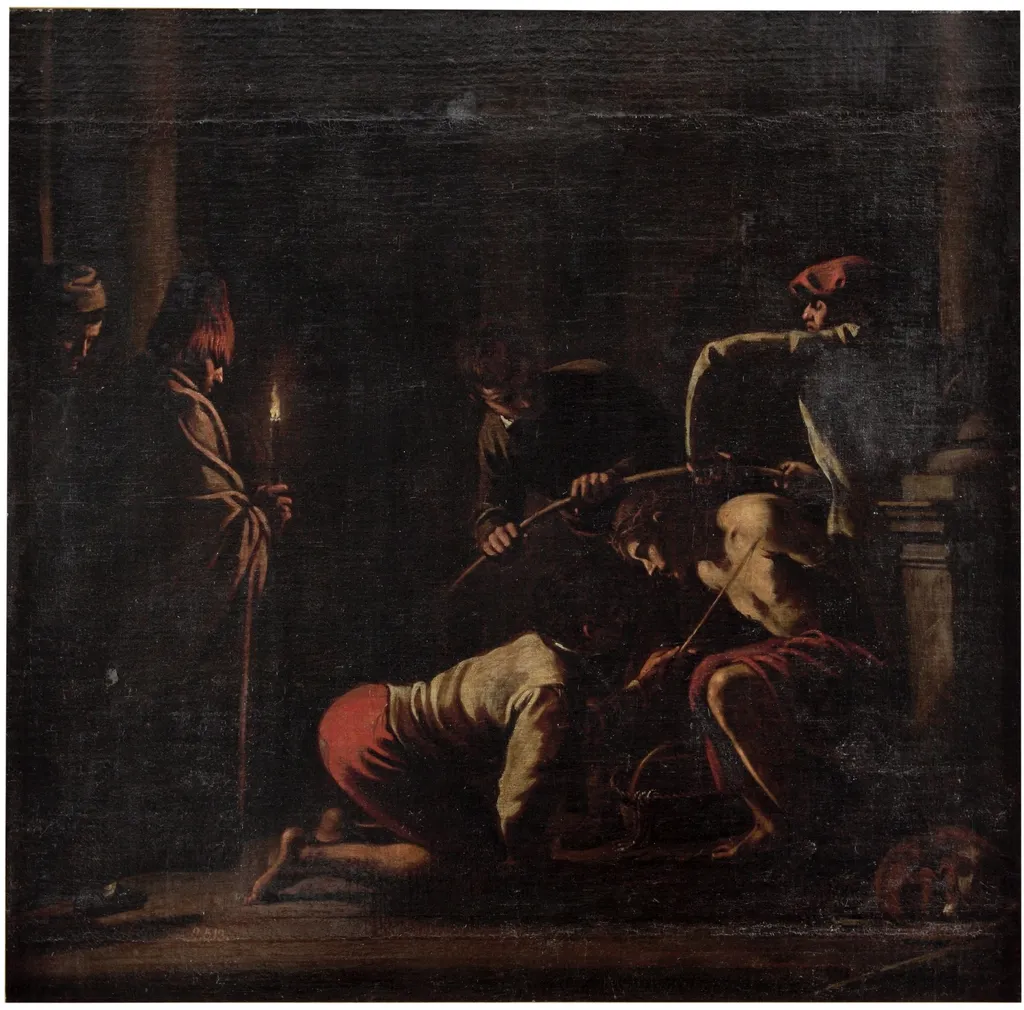
Jesús en el pretorio is an oil painting by the Early Baroque Italian artist Francesco Bassano the Younger. It dates from 1588 and is held in the collection of the Museo del Prado.
About this work
Overview
The painting is part of the Museo del Prado’s permanent collection, where it remains as an example of late 16th-century Italian religious art.
Painted in 1588 by Francesco Bassano the Younger, this oil-on-canvas work depicts a moment from the Passion of Christ. A member of the Bassano family of Venetian painters, Francesco worked within a studio tradition that fused local Venetian colorism with broader Renaissance themes. The painting is part of the Museo del Prado’s permanent collection, where it remains as an example of late 16th-century Italian religious art.
Subject & Meaning
The scene portrays Christ bound and kneeling in the praetorium, surrounded by Roman soldiers and onlookers. One figure grips a rope tied to his wrists, while others observe with varied expressions of tension and indifference. The moment captures Christ’s humiliation before Pilate, emphasizing human cruelty and spiritual resignation. The composition avoids overt grandeur, focusing instead on intimate, unidealized human reactions to suffering.
Technique & Style
Francesco employed chiaroscuro to heighten emotional gravity, directing a narrow beam of light from a high window to illuminate Christ’s red tunic and the faces of the figures. The shadows swallow much of the architecture, isolating the group in psychological space. Brushwork is restrained yet expressive, with textures rendered through subtle tonal shifts rather than fine detail, aligning with the Bassano workshop’s preference for atmospheric realism over Mannerist refinement.
History & Provenance
Commissioned during Francesco Bassano’s mature period, the painting entered the Spanish royal collection in the 17th century, likely through diplomatic or ecclesiastical channels. It was recorded in the Prado’s inventories by the early 1800s and has remained in the museum’s custody since. Its survival through centuries of political and religious upheaval reflects its quiet but enduring presence within Spanish ecclesiastical taste.
Context
Created during the Counter-Reformation, the painting responds to the Church’s call for emotionally engaging religious imagery. Unlike the idealized figures of High Renaissance art, Bassano’s scene embraces physicality and psychological realism, echoing the influence of Northern European prints and the naturalism of artists like Caravaggio, whose work would soon dominate Italian painting. The Bassano studio’s regional style offered an alternative to Roman classicism.
Legacy
While not widely exhibited outside Spain, the painting exemplifies the Bassano family’s role in sustaining a distinct Venetian approach to religious narrative through the late Renaissance. Its restrained drama and focus on human vulnerability influenced later Spanish devotional painting. It stands as a quiet testament to a workshop tradition that prioritized emotional truth over spectacle.
Own this work as a print
Artist & collection
Artist
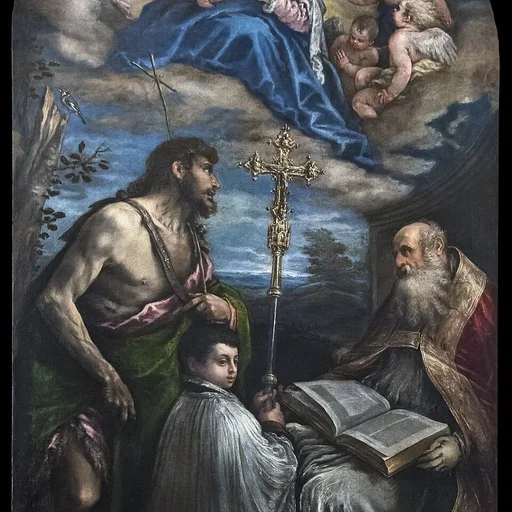
Francesco Bassano the Younger (Italian: Francesco Bassano il Giovane; 26 January 1549 – 4 July 1592), also called Francesco Giambattista da Ponte or Francesco da Ponte the Younger, was an Italian painter of the Renaissance period.

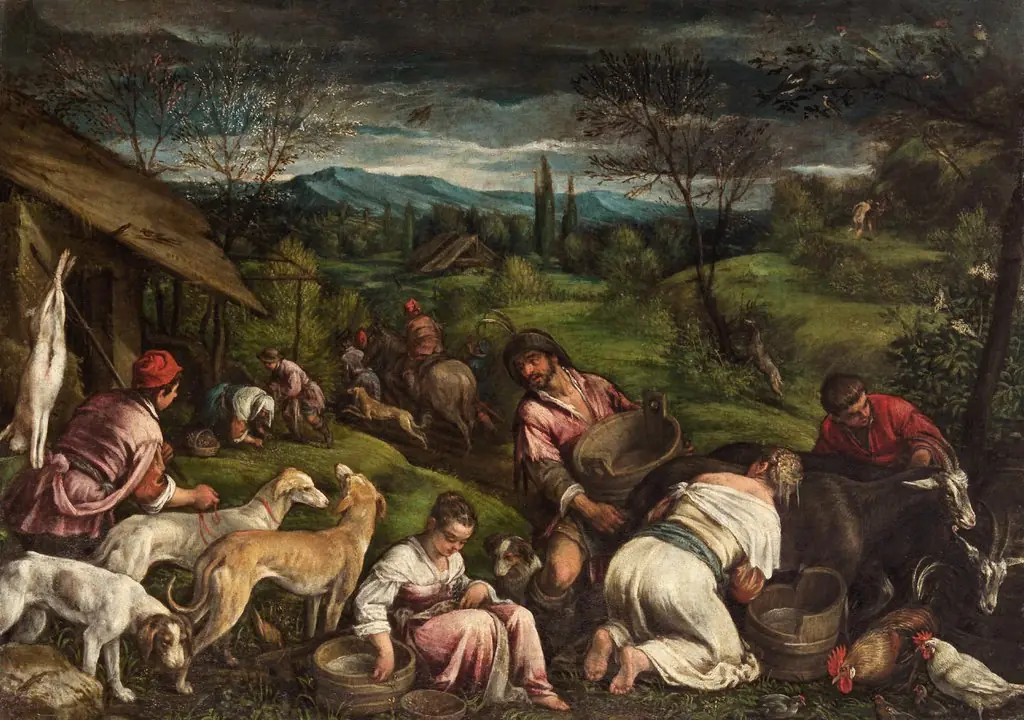
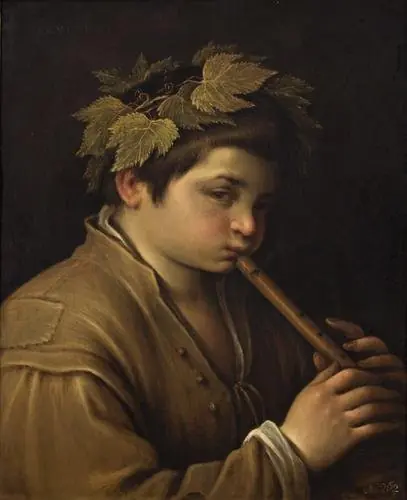
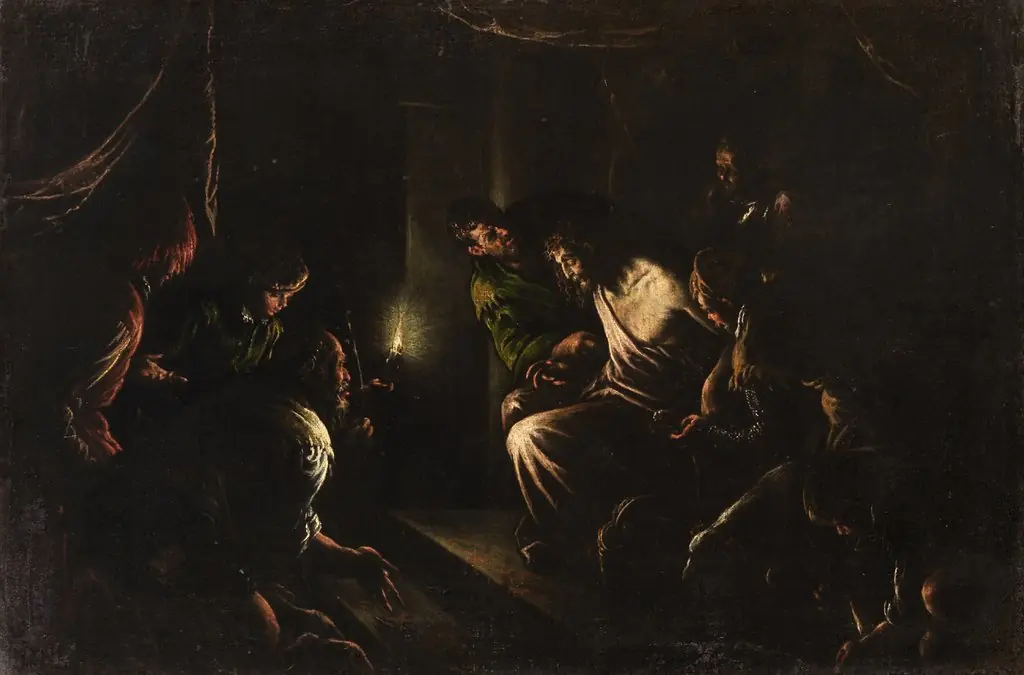 Mocking of Christ
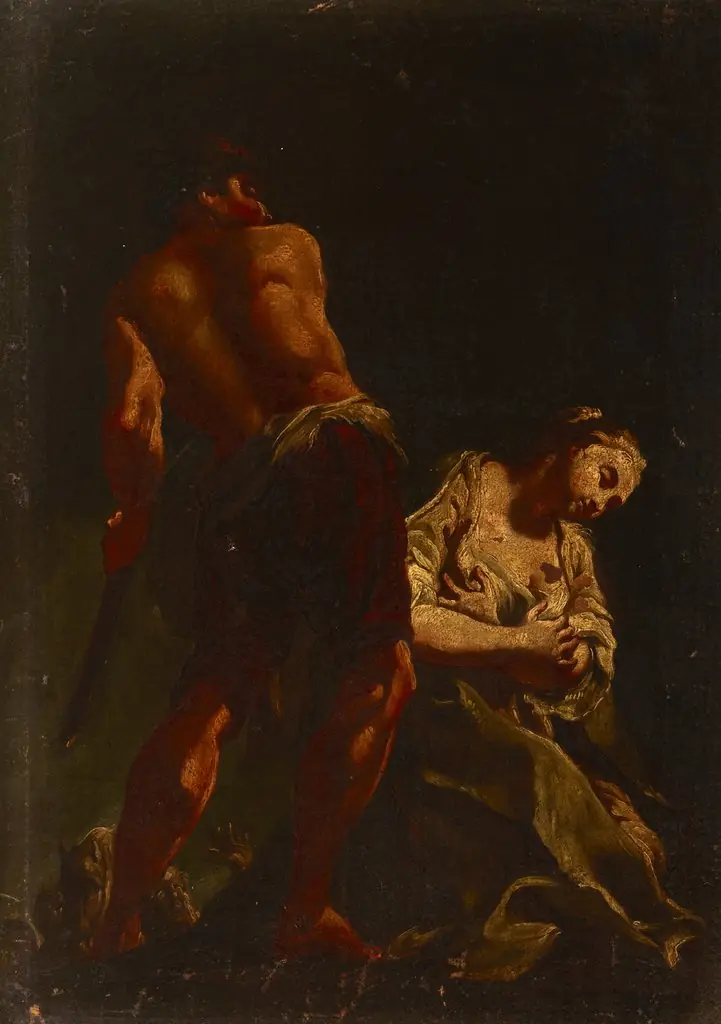 Martyrdom of the Saint Woman
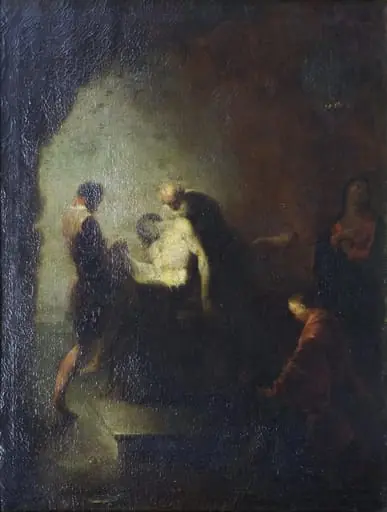 Punerea în mormânt
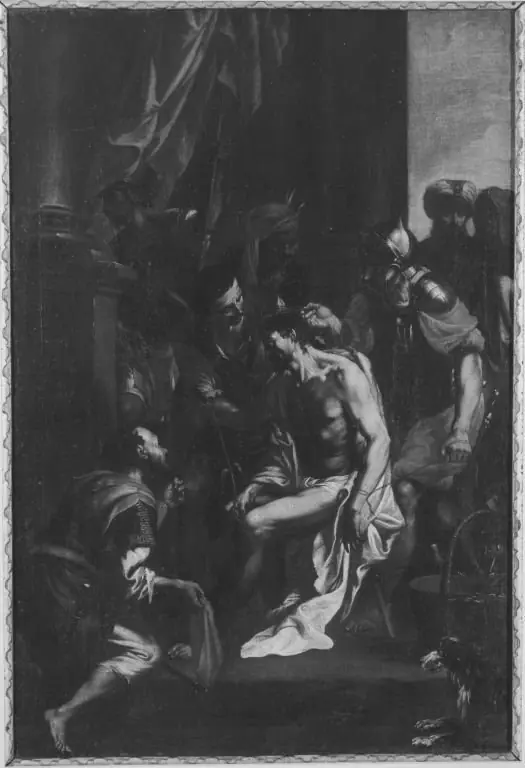 Dornenkrönung Christi
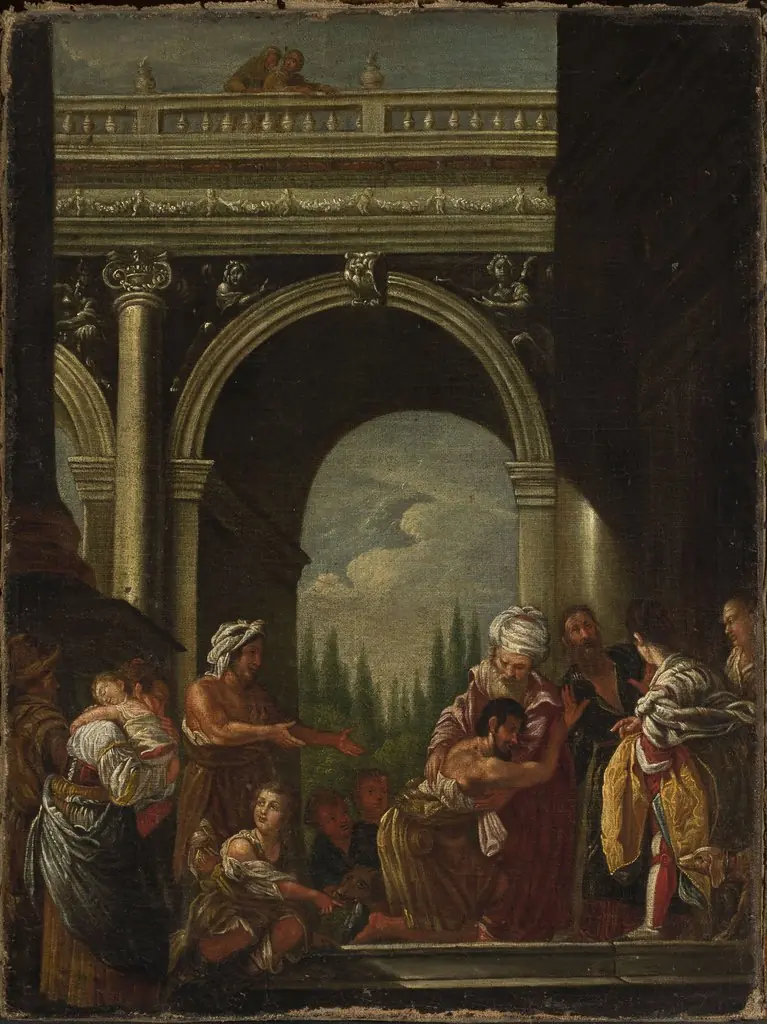 Return of the prodigal son
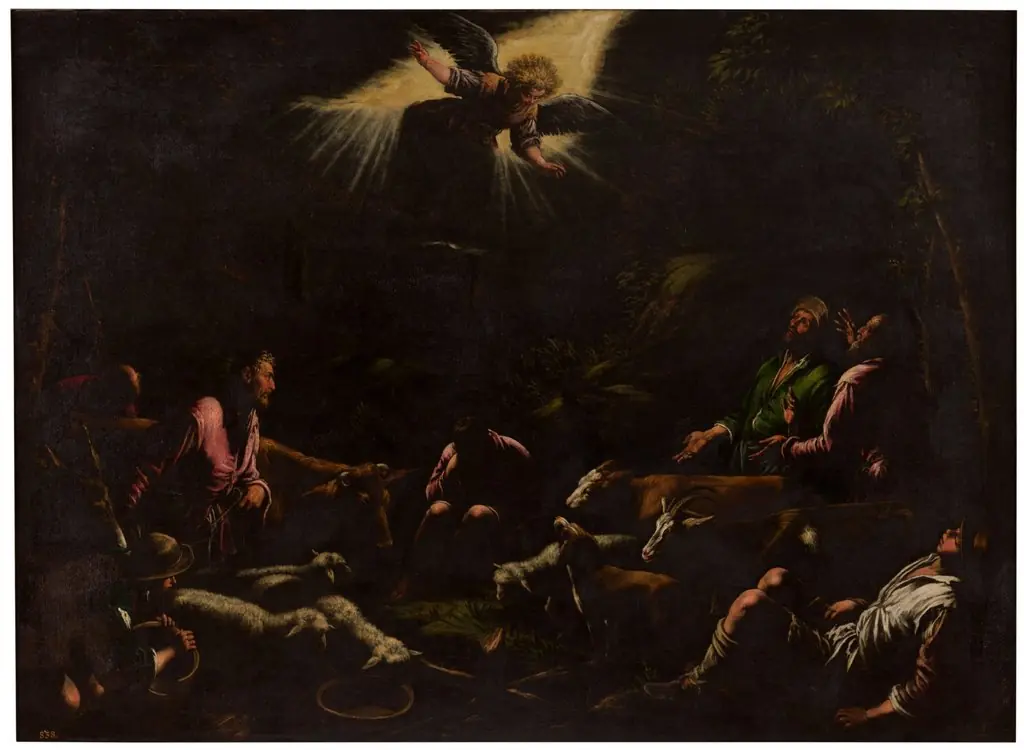 Angels announcing to the shepherds the Birth of Jesus
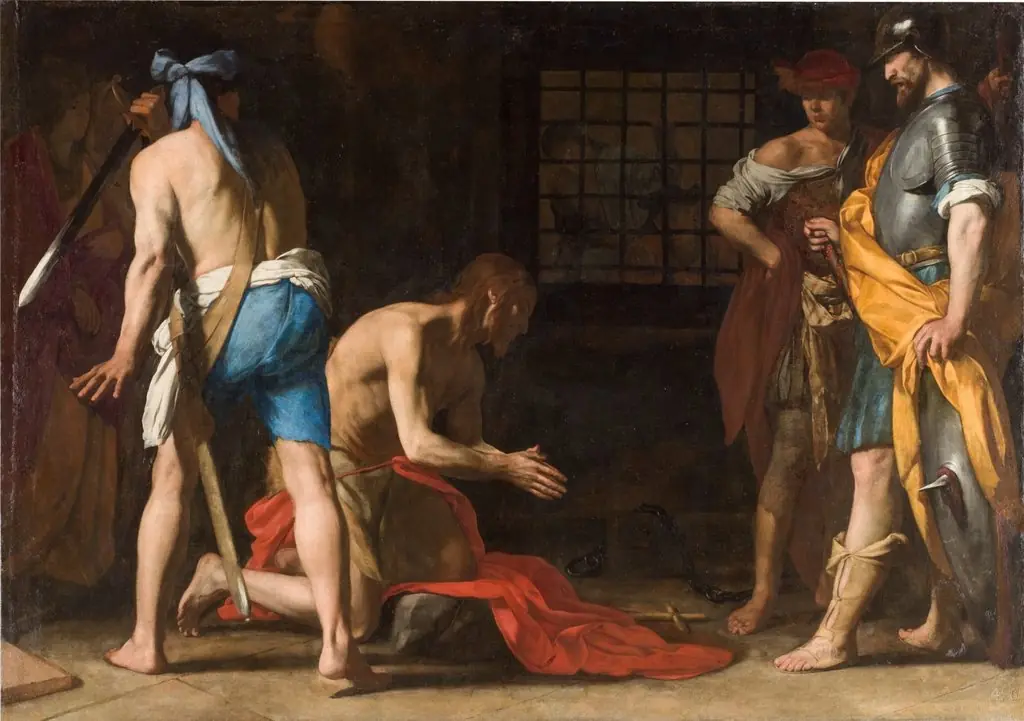 The Beheading of Saint John the Baptist
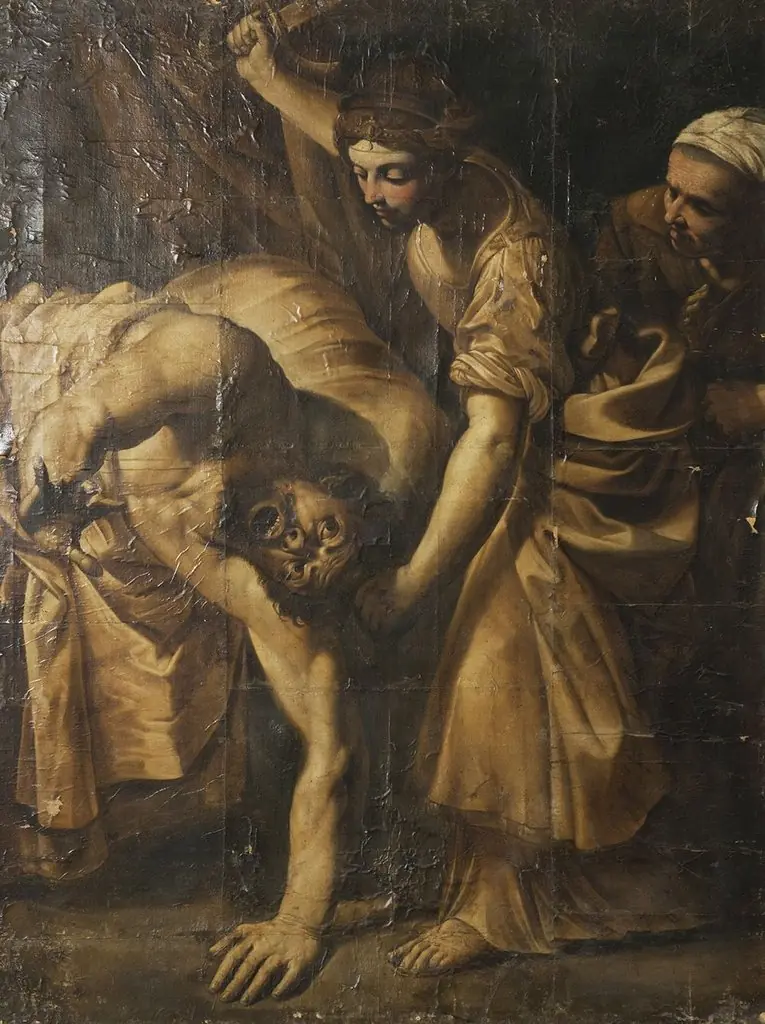 Judith enthauptet Holofernes
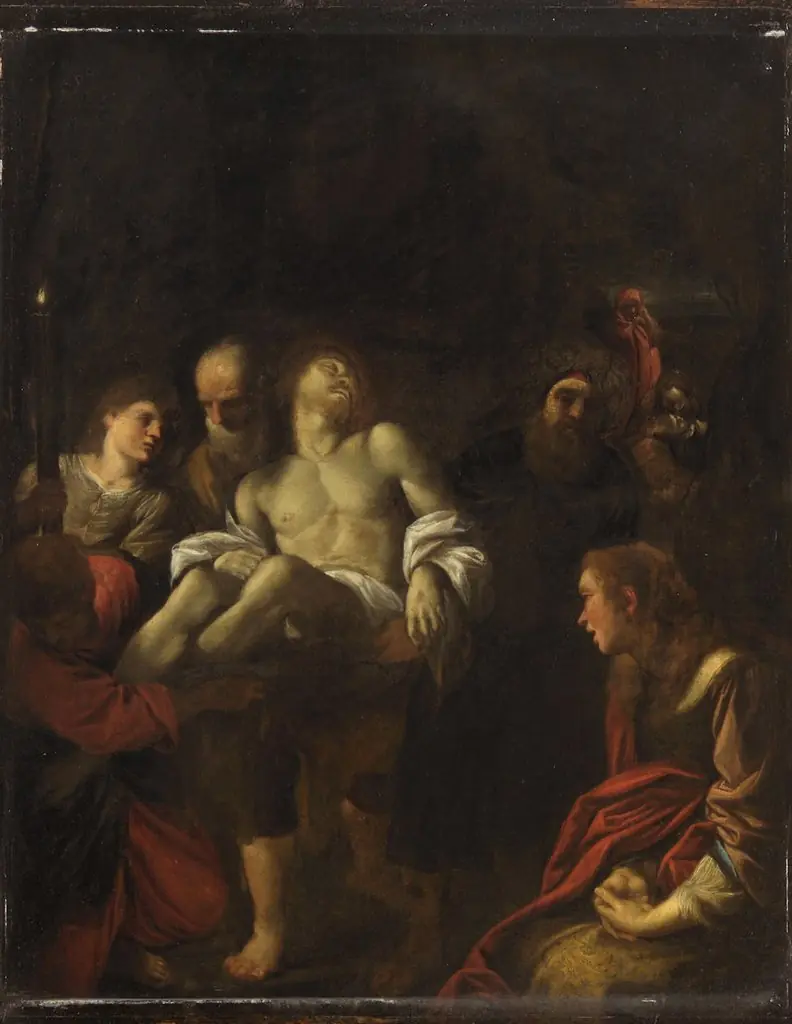 Entombment of Christ
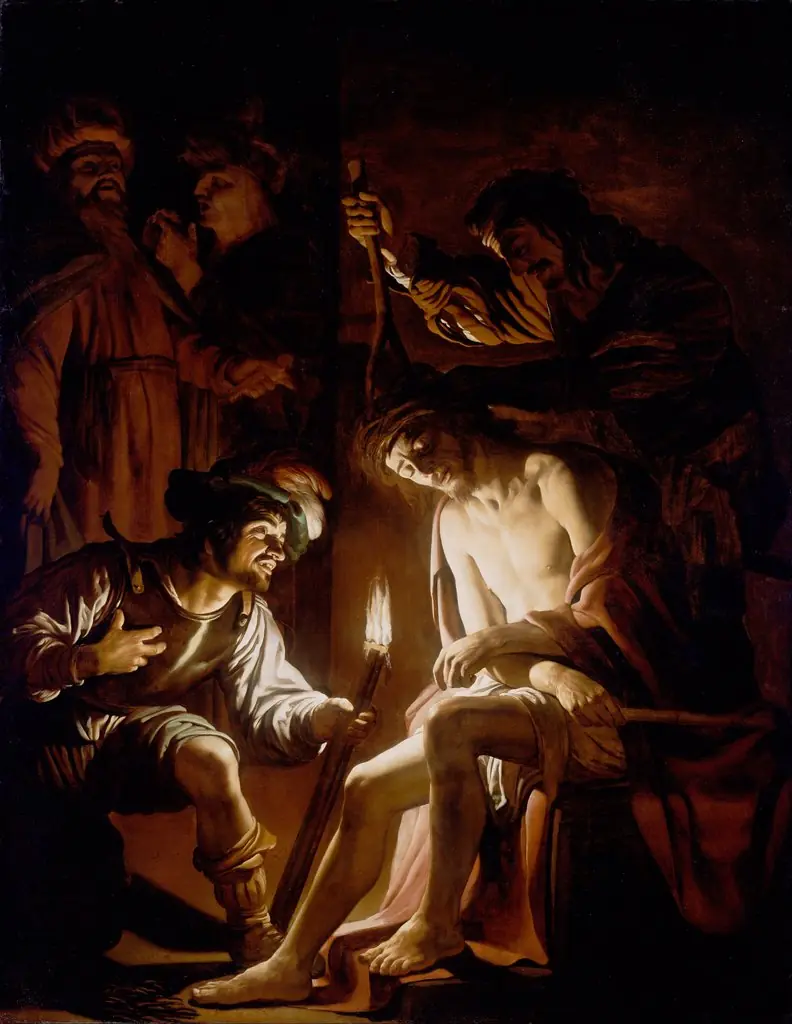 Christ Crowned with Thorns
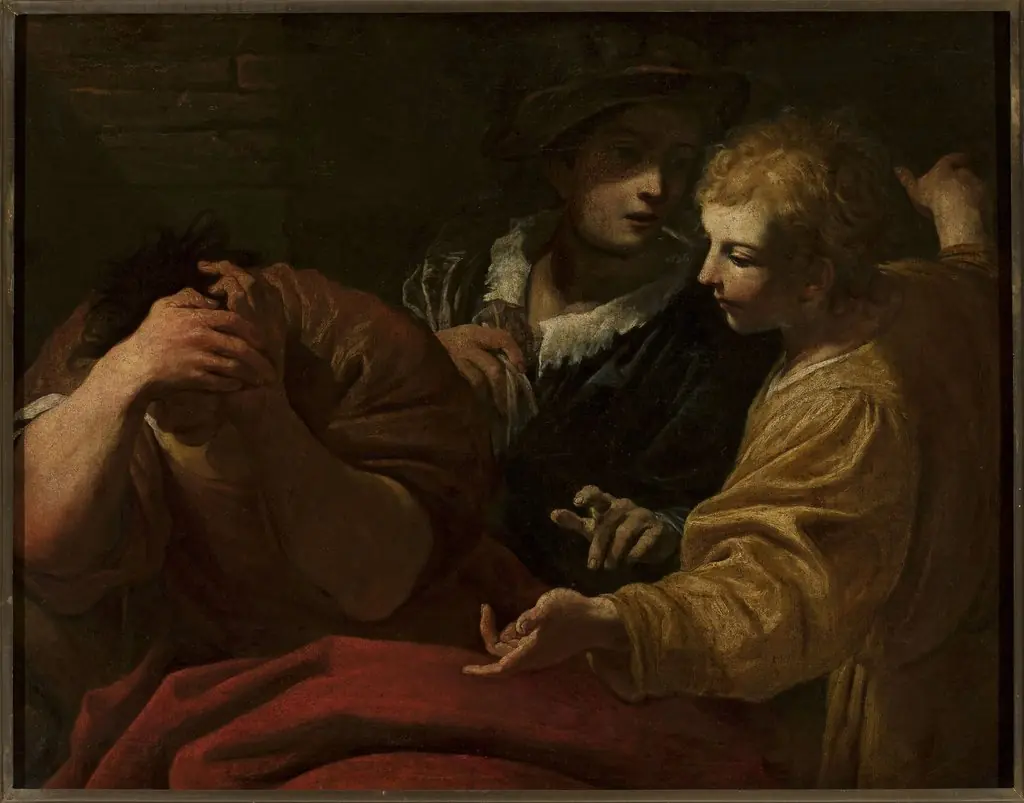 Joseph explaining dreams at the Pharaoh’s court
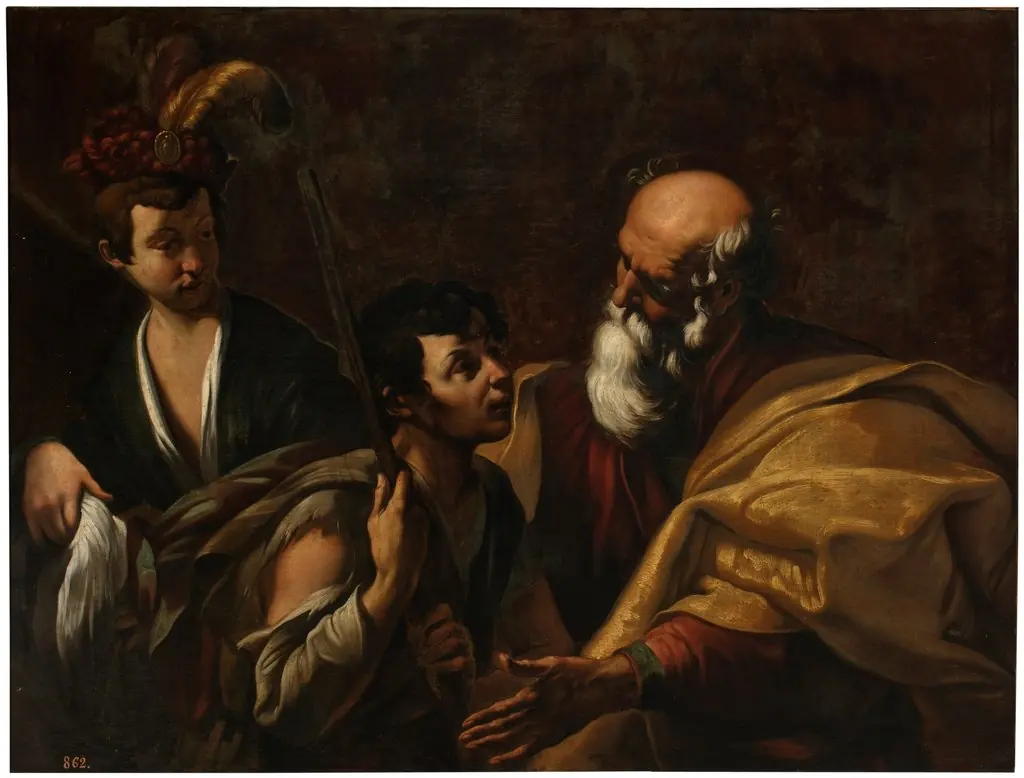 El hijo pródigo