Artwork
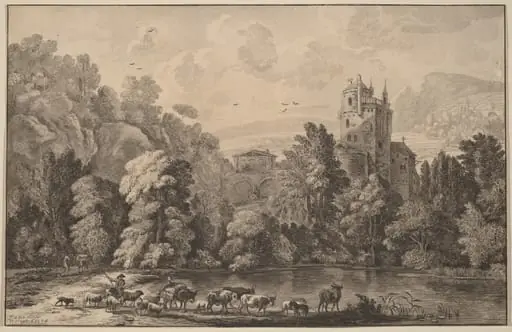
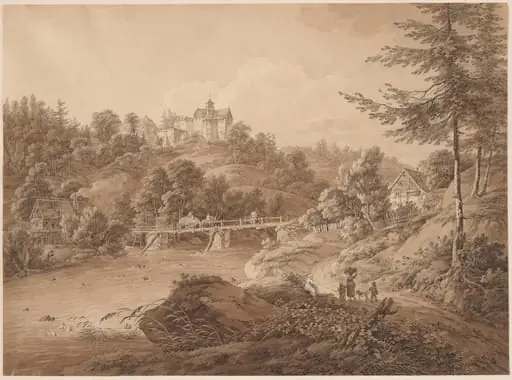
Augustusburg Castle Seen from the River
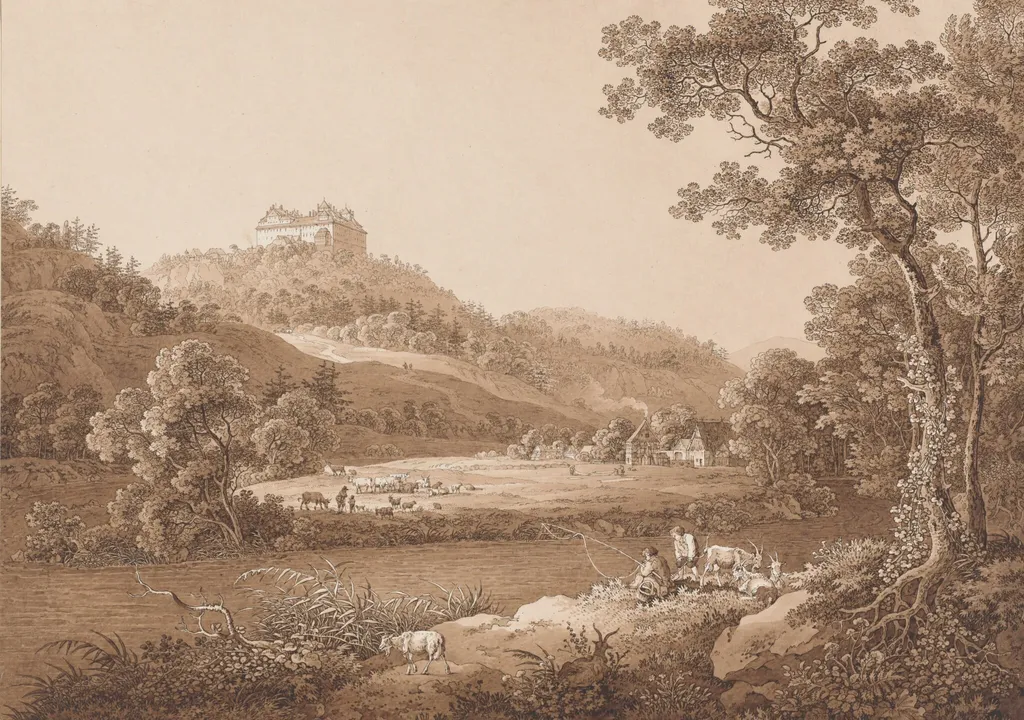
Augustusburg Castle Seen from the River is an ink print by the Romanticist artist Adrian Zingg. It dates from 1794 and is held in the collection of the National Gallery of Art.
About this work
Overview
Created around 1794, this etching by Adrian Zingg depicts Augustusburg Castle as viewed from the riverbank. Executed in brown wash over etched lines on wove paper, the work is mounted on an older support. It belongs to a series of topographical prints Zingg produced during his time in Saxony, capturing architectural landmarks with quiet precision rather than dramatic flourish.
Subject & Meaning
The stillness of the scene suggests contemplation, aligning with late 18th-century interests in quiet observation of the built environment.
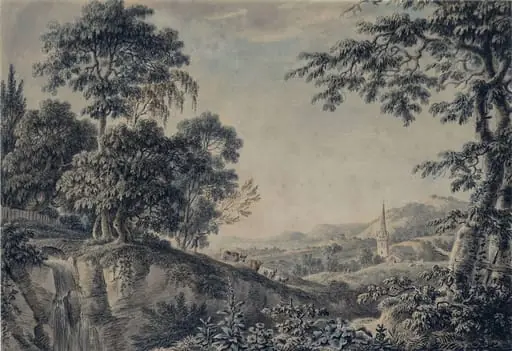
The castle, a Renaissance residence near Brühl, is shown from a low, distant vantage point along the river, emphasizing its integration with the surrounding landscape. The composition avoids idealization, presenting the structure as a functional, inhabited place rather than a symbol of power. The stillness of the scene suggests contemplation, aligning with late 18th-century interests in quiet observation of the built environment.
Technique & Style
Zingg employed fine etched lines to define architectural details, layered with soft brown washes to suggest atmosphere and depth. The use of wove paper allowed for subtle tonal gradations, while the washes modulate light across stone surfaces and water. His approach blends topographical accuracy with a restrained aesthetic, avoiding theatrical lighting in favor of naturalistic observation.
History & Provenance
The print was likely made during Zingg’s tenure at the Dresden Academy, where he taught landscape drawing. It circulated among collectors and students interested in regional architecture. The original mount, now aged, indicates early preservation practices. No definitive record of its first owner exists, but its survival suggests it was valued as a study piece rather than a decorative item.
Context
In the 1790s, German artists increasingly turned to local landscapes and historic buildings as subjects, moving away from grand classical ideals. Zingg’s work reflects this shift, aligning with the rise of empirical observation in art. His prints of Saxon castles contributed to a growing cultural interest in regional heritage during a period of political fragmentation and rising regional identity.
Legacy
Zingg’s etchings of Augustusburg Castle influenced later generations of German topographical artists, particularly those focused on architectural documentation. Though not widely exhibited today, the work remains a key example of late Enlightenment printmaking—modest in scale but significant for its commitment to truthful representation over embellishment.
Artist & collection


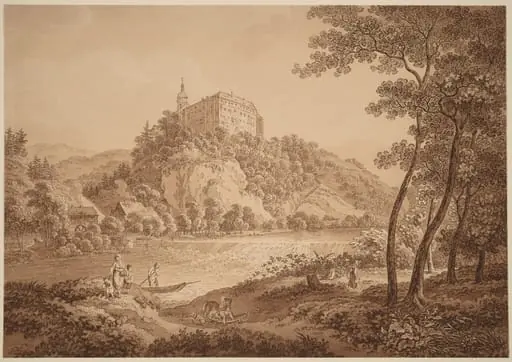 View of Castle Sachsenburg
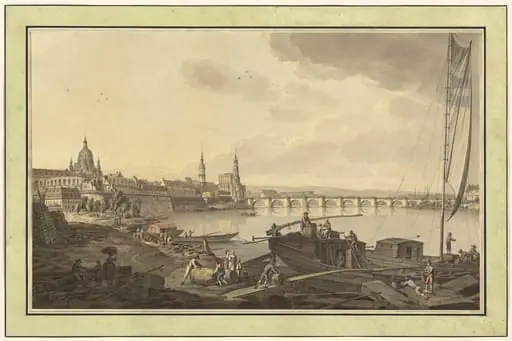 Dresden from the Banks of the Elbe River
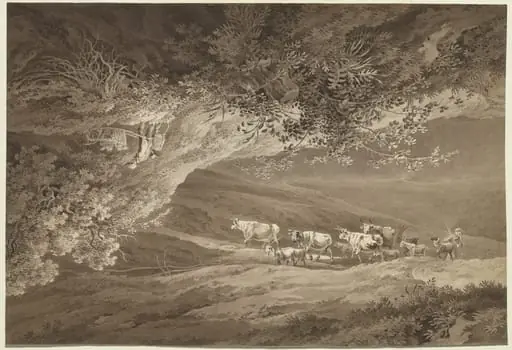 A Landscape with a Herd of Cows and Goats, Surmounted by Another Landscape, Upside-down, with a Man Pushing a Wheelbarrow
 Rauenstein Castle Seen from the River's Edge
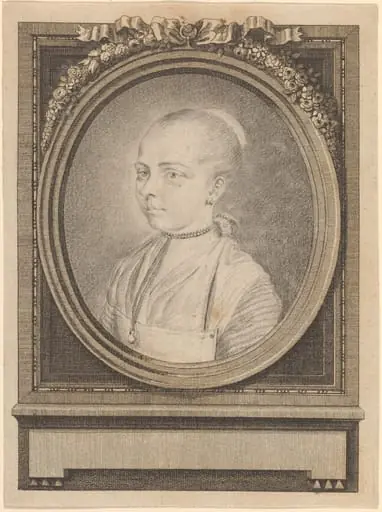 Portrait of a Girl
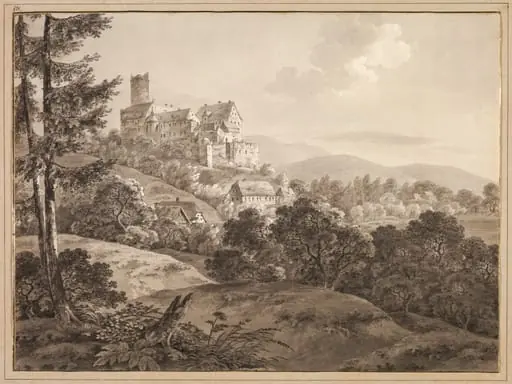 View of the Castle Gnandstein
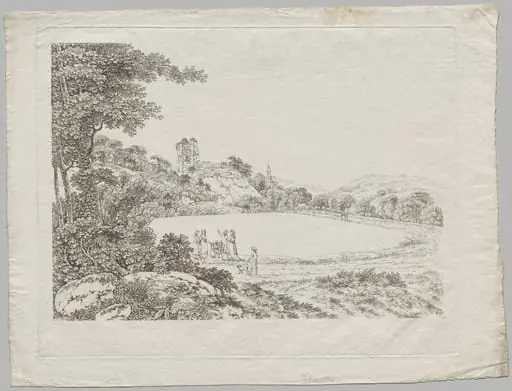 Landscape with Tharandt Castle Ruins
 I was also in Arcadia (Kai ego en Arkadia)