Artwork
Landscape with Tharandt Castle Ruins
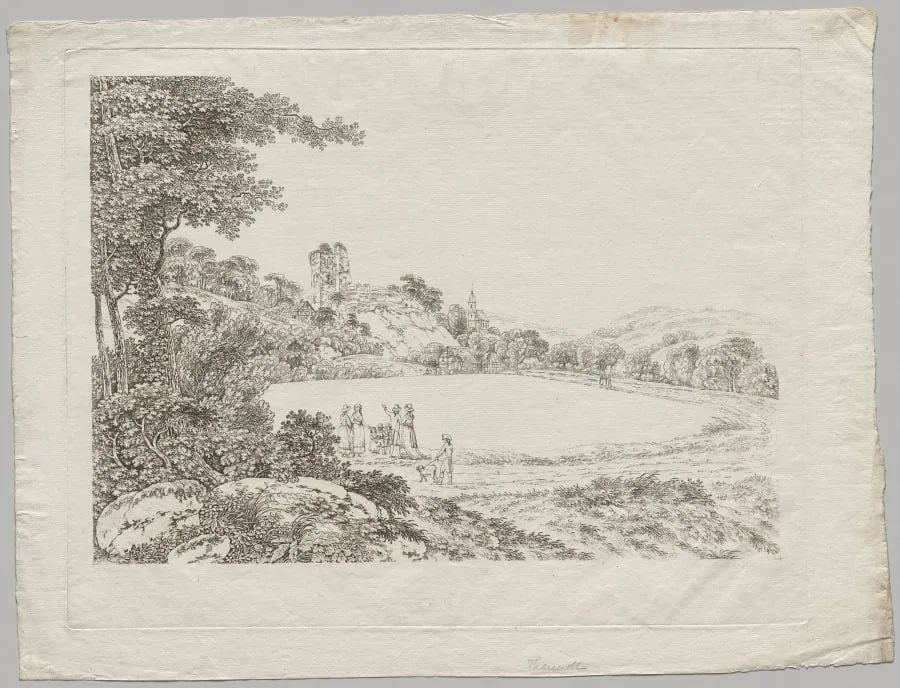
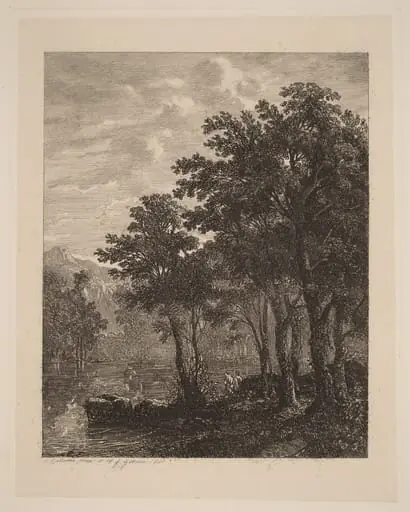
Landscape with Tharandt Castle Ruins is a print by the Romanticist artist Adrian Zingg. It dates from 1800 and is held in the collection of the Cleveland Museum of Art.
About this work
Overview
His prints of Tharandt Castle Ruins reflect a deliberate engagement with place, combining topographical accuracy with emotional resonance.
Adrian Zingg, a Swiss artist active in Saxony, dedicated his career to documenting the region’s natural and architectural landscapes with meticulous attention to detail. His prints of Tharandt Castle Ruins reflect a deliberate engagement with place, combining topographical accuracy with emotional resonance. Rather than idealizing scenery, he captured the quiet tension between human remains and the enduring force of nature.
Subject & Meaning
The ruins of Tharandt Castle, abandoned for centuries, serve as a quiet meditation on time and decay. Zingg framed the crumbling stone towers within dense pine forests and a winding river, emphasizing nature’s gradual reclamation. Small human figures in the foreground underscore the transience of human endeavor against the vastness of the landscape, suggesting a contemplative rather than heroic narrative.
Technique & Style
Zingg employed fine linear detail and subtle tonal gradations to render both the structural decay of the castle and the texture of surrounding foliage. His etching technique allowed for precise control, capturing the interplay of light and shadow across rock, tree, and water. The composition balances architectural fragments with organic forms, avoiding dramatic flair in favor of restrained observation.
History & Provenance
Zingg visited the site of Tharandt Castle during extended sketching trips with fellow artists, documenting its condition firsthand. The resulting prints were produced in the late 18th century, likely as part of a broader effort to record Saxony’s historic sites. These works were circulated among collectors and scholars interested in regional heritage and topographical accuracy.
Context
Zingg’s focus on ruins aligned with broader Enlightenment interests in history, geography, and the sublime. While many contemporaries idealized nature, he emphasized its quiet, persistent transformation of human structures. His work contributed to a growing genre of topographical art in Central Europe, where accuracy and emotional restraint were valued over theatricality.
Legacy
Zingg’s prints of Tharandt and other Saxon sites influenced later generations of landscape artists who sought to document regional identity through careful observation. His approach—grounded in fieldwork and devoid of sentimentality—helped establish a model for landscape representation that prioritized authenticity over embellishment, extending his impact beyond his native Switzerland.
Artist & collection


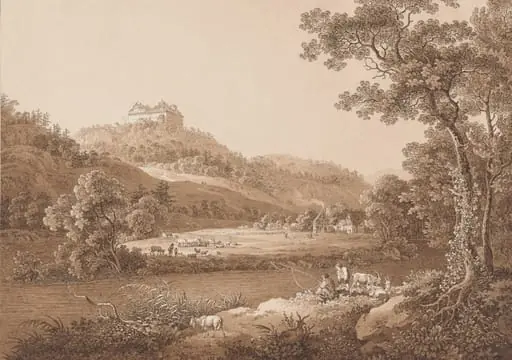 Augustusburg Castle Seen from the River
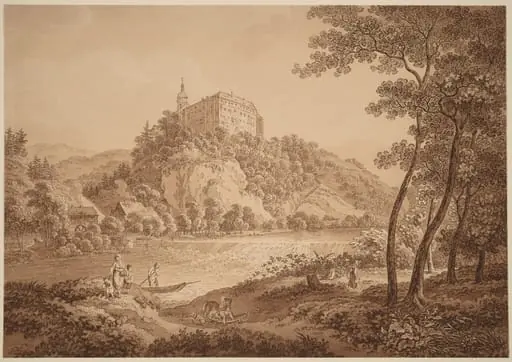 View of Castle Sachsenburg
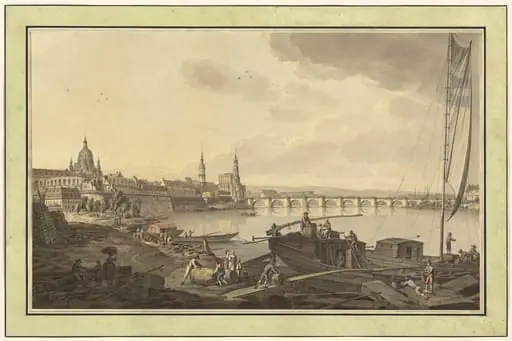 Dresden from the Banks of the Elbe River
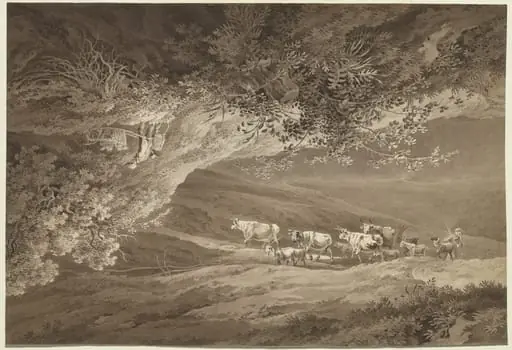 A Landscape with a Herd of Cows and Goats, Surmounted by Another Landscape, Upside-down, with a Man Pushing a Wheelbarrow
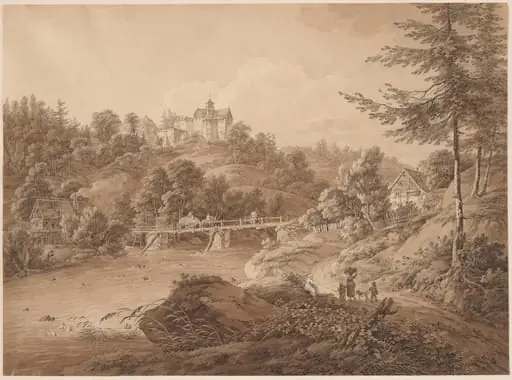 Rauenstein Castle Seen from the River's Edge
 Portrait of a Girl
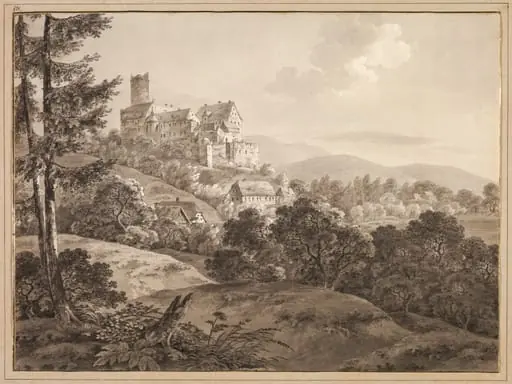 View of the Castle Gnandstein
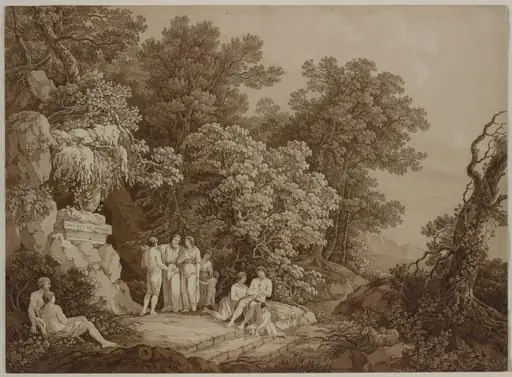 I was also in Arcadia (Kai ego en Arkadia)
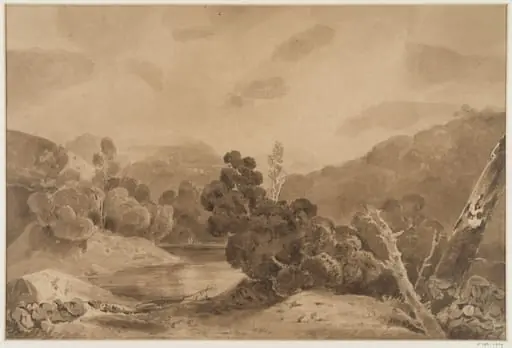 River scene with a temple or palace in the clouds
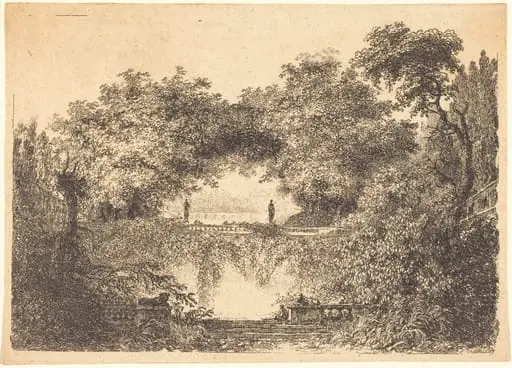 Le Petit Parc
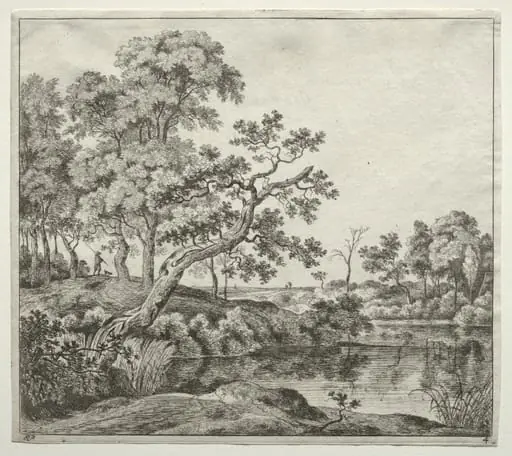 The Bent Tree
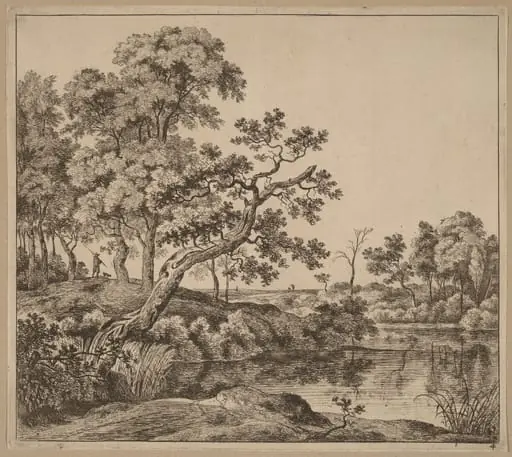 Landscape with a Bending Tree
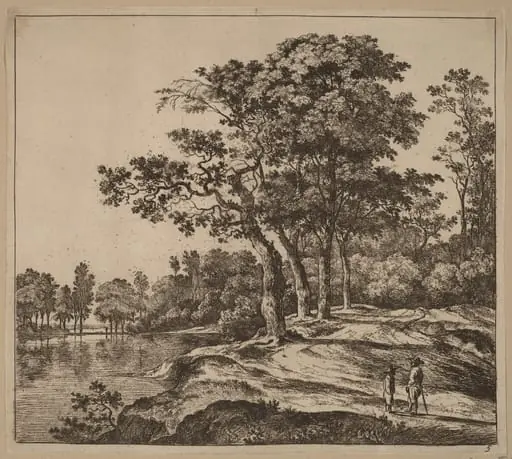 Landscape with Four Trees
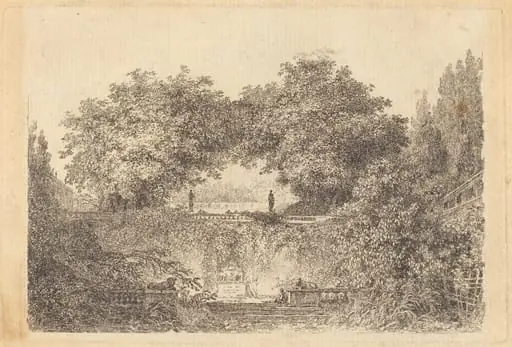 Le Petit Parc
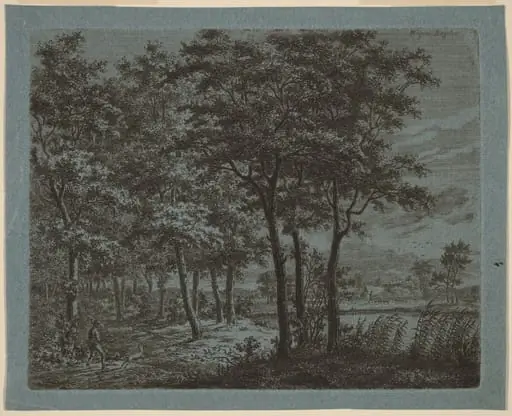 Landscape with a Peasant Carrying Firewood
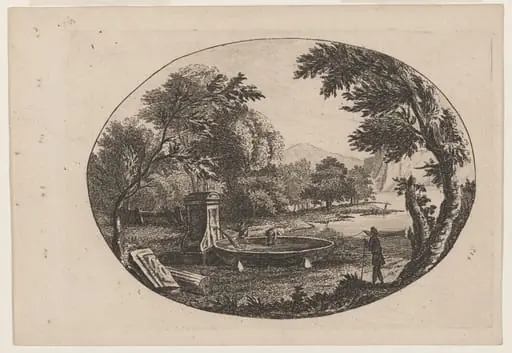 Wooded Landscape with Drinking Spout and Basin
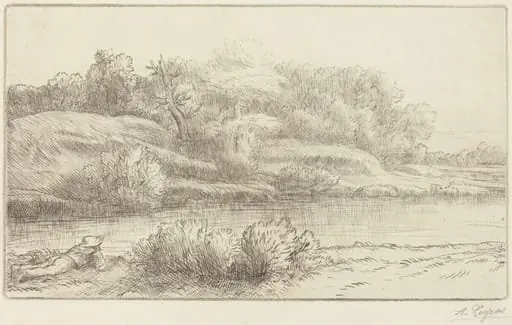 Banks of the Venelle (Bord de la Venelle)
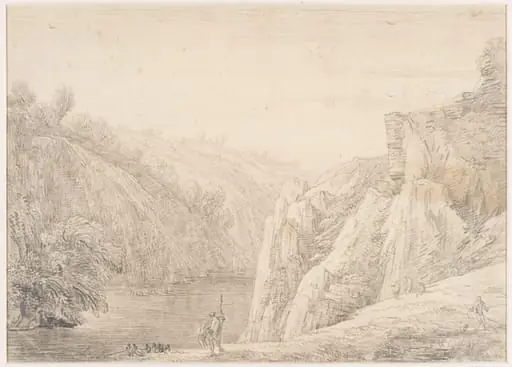 Untitled
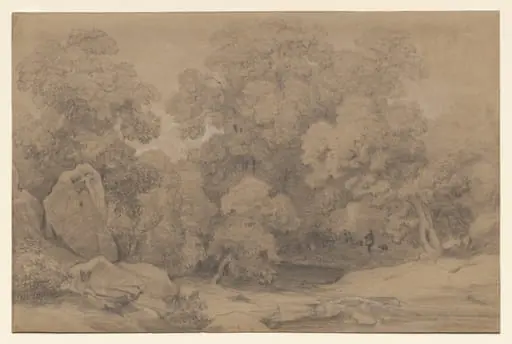 Landscape
 Trees by a River