Museum
Alba Iulia Unification National Museum
Alba Iulia Unification National Museum is a museum.
About Alba Iulia Unification National Museum
Overview
The National Museum of the Union (Muzeul Național al Unirii) is a prominent history and archaeology museum located in Alba Iulia, Romania. Established in 1888, it serves as a central institution for preserving the cultural heritage of the region, with a particular focus on the events leading to the Great Union of 1918. The museum operates across two historic buildings within the Alba Carolina Citadel: the 'Babylon' building and the 'Union Hall' (Sala Unirii), acting as a permanent reminder of the city's two millennia of history.
History & Founding
The museum was founded in 1888 by the Society for History, Archaeology, and Natural Sciences of the Inferior Alba County, with Professor Adalbert Cserni serving as its first custodian and director. Initially, it operated in kindergarten buildings in the Lipoveni and Maieri neighborhoods. During World War I, the museum faced disruption, with artifacts sent to Budapest and its doors sealed by the National Romanian Council in January 1919 to prevent further transport. It reopened under Romanian management in 1920, and the 'Astra' society subsequently drove an extensive project in the 1920s to enlarge the patrimony, focusing on Romanian history.
Building & Architecture
The museum currently occupies two significant structures within the Alba Carolina Citadel. The primary exhibition space is the 'Babylon' building, constructed between 1851 and 1853 in the Romantic architectural style. Originally serving as a residence pavilion for Austro-Hungarian officers, it earned its name because officers from various ethnic backgrounds spoke 'all the languages of the world' there. The building features thick walls over one meter high and contains more than 100 rooms. The second location is the 'Union Hall' (Sala Unirii), built between 1898 and 1900, which the museum received in 1958.
Collection Highlights
The museum's collection is chronologically organized from prehistoric times to the contemporary era, with particularly strong representations of the Dacian and Roman periods. A major focus is placed on the 1848 Revolution and the 1918 Union, housing documents, photographs, and memorial objects related to these events. Notable holdings include the credentials and telegrams of the Union, as well as artifacts from the Great Union celebrations. The collection has grown significantly through donations and archaeological excavations conducted by the museum's early directors.
Significance & Legacy
The National Museum of the Union holds immense symbolic value as it is situated in the city where the Great Union of 1918 was proclaimed. The 'Union Hall' is the specific site where the historic unification of Transylvania with Romania took place. The institution is recognized for organizing approximately 50 temporary exhibitions annually, covering diverse themes beyond history, and for hosting major cultural events such as the 'Night of the Museums.' It stands as a vital repository for the bibliophilic assets and historical memory of the Romanian nation.
What to see at Alba Iulia Unification National Museum
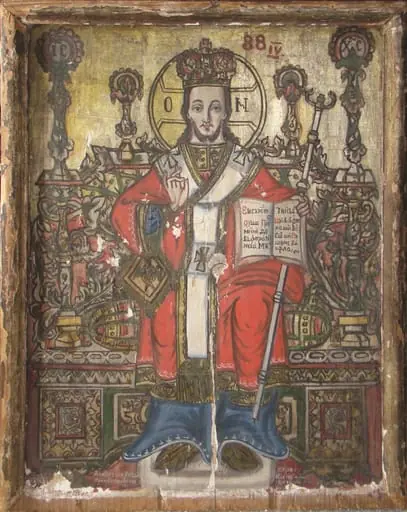
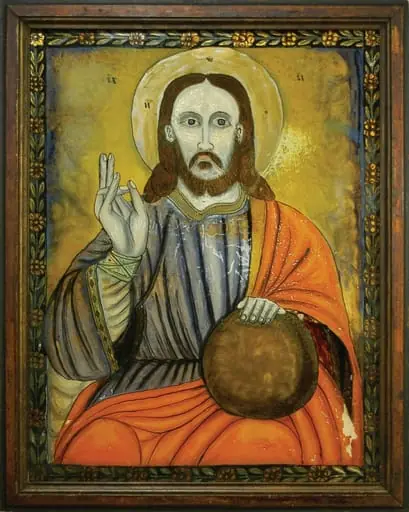
Start with Iisus Hristos Mare Arhiereu și Învățător by Moise Borșoș.
What's on
- Expoziție temporară / Comori bibliofile din secolele XV-XVI în patrimoniul Muzeului Național al Unirii Alba Iulia4 Jun 2026 – 4 Sep 2026
- Exponatul Lunii Iunie / UN OPAIȚ ROMAN CU SIMBOLUL ACVILEI IMPERIALE DESCOPERIT LA APULUM - „ALTIP”3 Jun 2026 – 30 Jun 2026
- Expoziție: Lecturile copilăriei. Cărți, librării și biblioteci din Transilvania (1800-1945)29 May 2026 – 2 Aug 2026