Artwork
Madonna and Child with Saint Anne
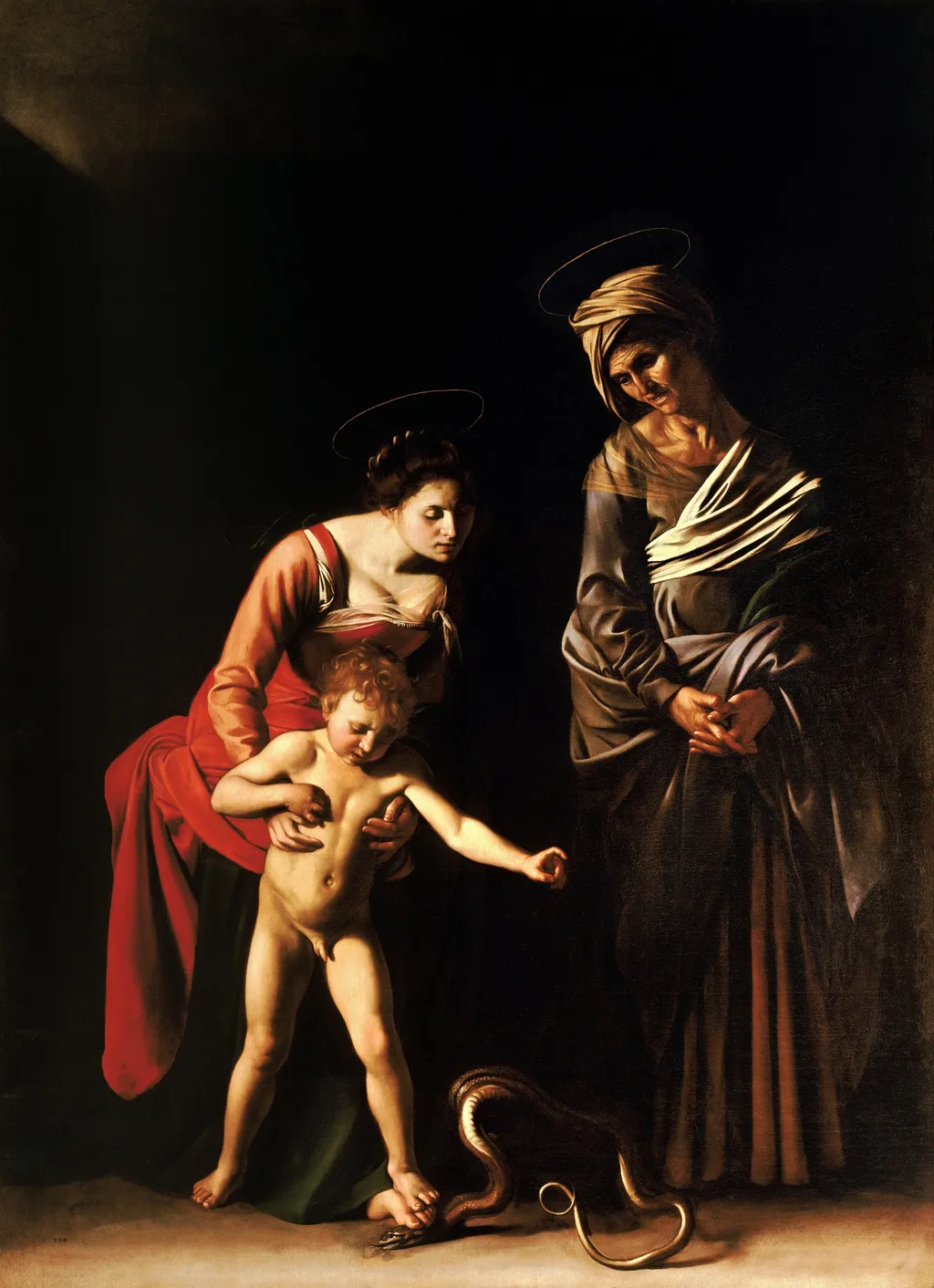
Madonna and Child with Saint Anne is an oil painting by the Baroque artist Caravaggio. It dates from 1605 and is held in the collection of the Galleria Borghese.
About this work
Overview
Caravaggio’s oil painting titled *Madonna and Child with Saint Anne* dates from 1605–1606. Executed for the altar of the Archconfraternity of the Papal Grooms attached to St Peter’s Basilica, the work presents a compact, three‑figure grouping that reflects the artist’s mature phase within the Italian Baroque period.
Subject & Meaning
The composition draws on the biblical promise of Genesis 3:15, linking the Virgin Mary, the infant Jesus, and Saint Anne as a visual embodiment of salvation. The intimate interaction among the figures underscores themes of maternal lineage and divine intervention, while the inclusion of Saint Anne foregrounds the generational aspect of the holy family.
Technique & Style
Caravaggio employs his characteristic chiaroscuro, using a stark contrast between illuminated flesh and deep shadows to model the figures with a palpable realism. The flesh tones are rendered with a naturalistic palette, and the gestures are captured with a immediacy that blurs the line between sacred iconography and everyday observation.
History & Provenance
The painting was subsequently acquired by Cardinal Scipione Borghese and entered the Borghese collection, where it remains housed in the family palazzo.
After a brief display in the Vatican’s parish church of Sant’Anna dei Palafrenieri, the altarpiece was withdrawn, reportedly because the child’s nudity and the Virgin’s exposed breast were deemed too provocative for an altar setting. Additional controversy may have stemmed from the reputation of the model Caravaggio used for Mary. The painting was subsequently acquired by Cardinal Scipione Borghese and entered the Borghese collection, where it remains housed in the family palazzo.
Context
The work reflects the tension between Counter‑Reformation expectations for decorous religious imagery and Caravaggio’s commitment to a raw, humanized portrayal of sacred subjects. Its removal illustrates the period’s sensitivity to visual transgression, while its survival in a private collection testifies to the patronage networks that protected avant‑garde art from ecclesiastical censure.
Own this work as a print
Artist & collection
Artist
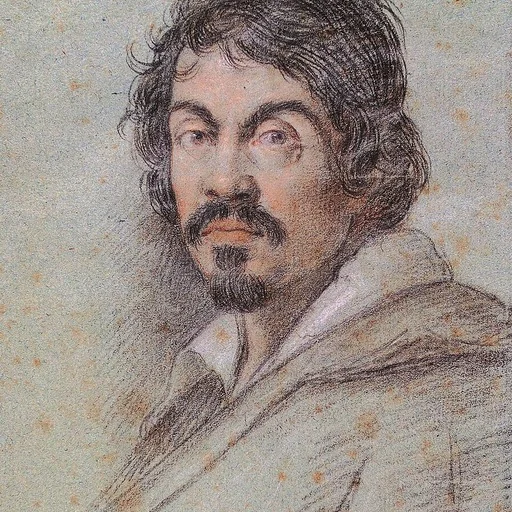
Michelangelo Merisi da Caravaggio (also Michele Angelo Merigi or Amerighi da Caravaggio; 29 September 1571 – 18 July 1610), known mononymously as Caravaggio, was an Italian painter active in Rome for most of his artistic life.

 The House of Saints with Saint Catherine
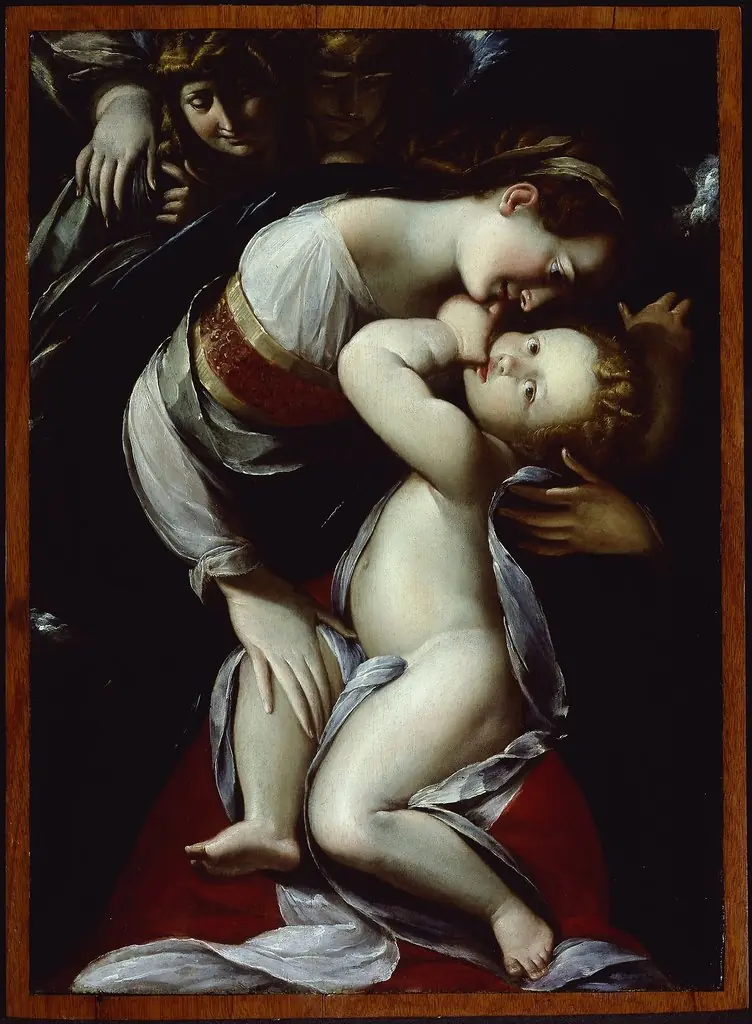 Virgin and Child with Angels
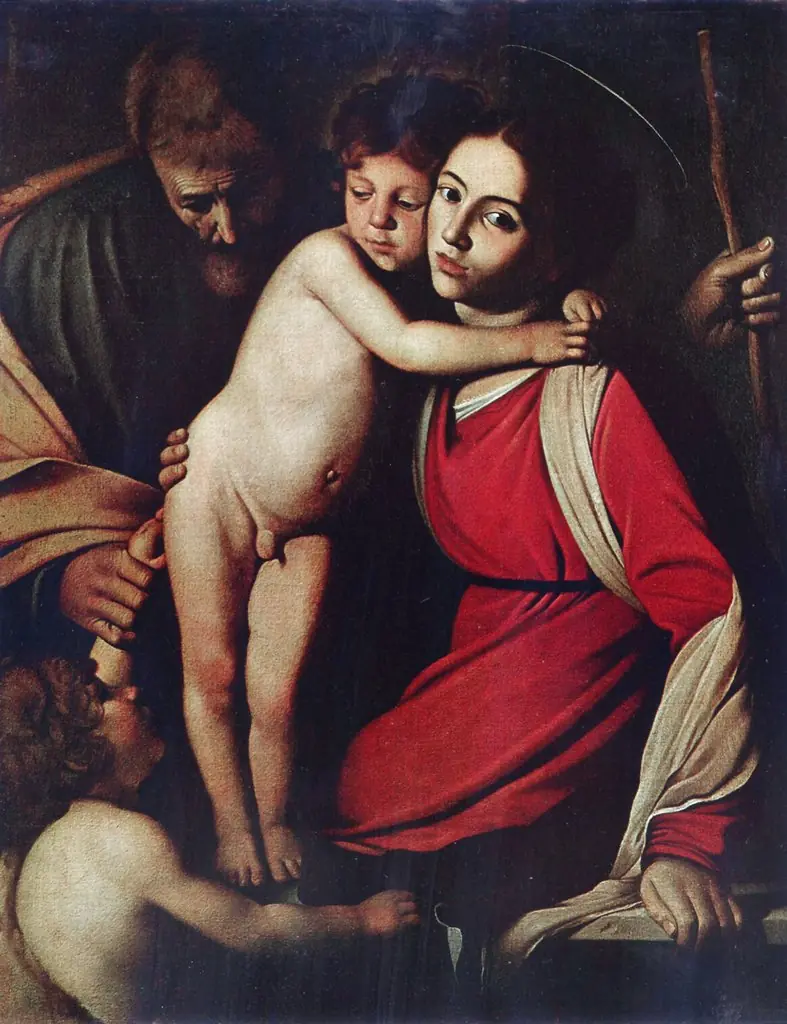 The Holy Family with Child Saint John
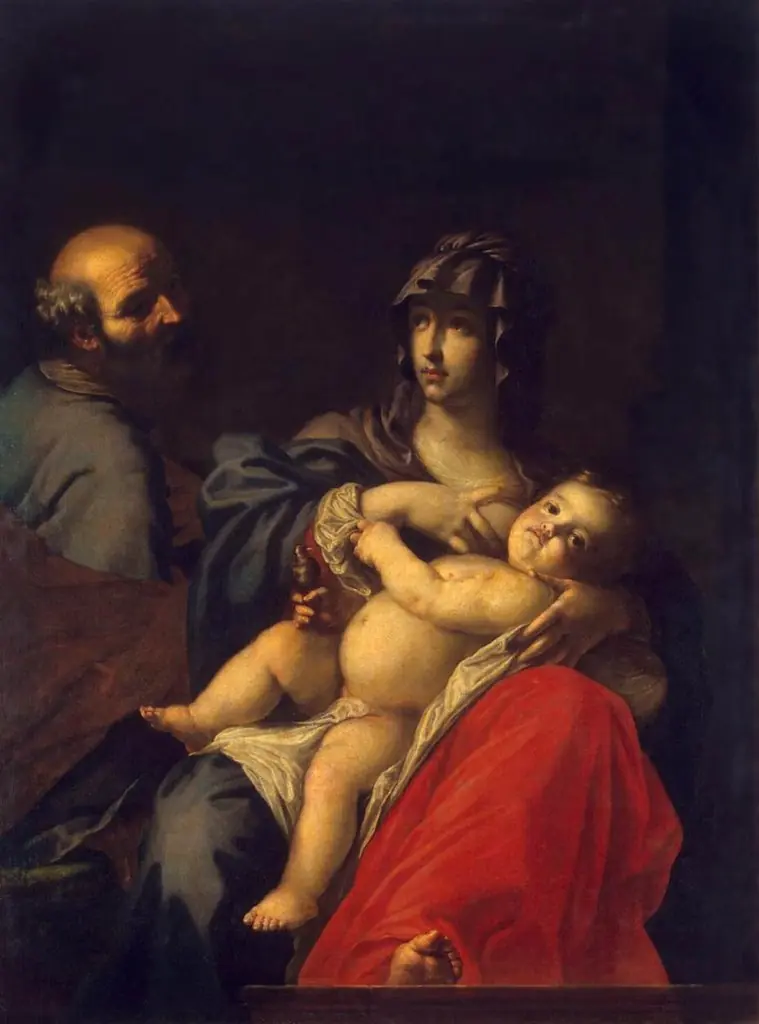 Holy Family
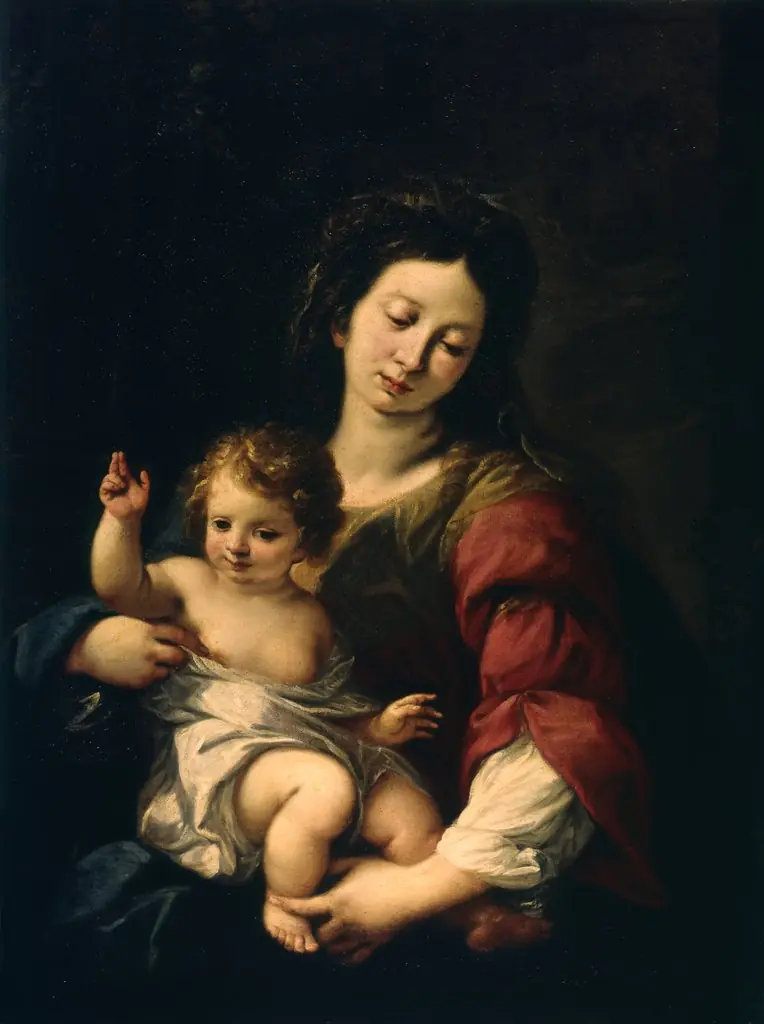 Madonna and Child
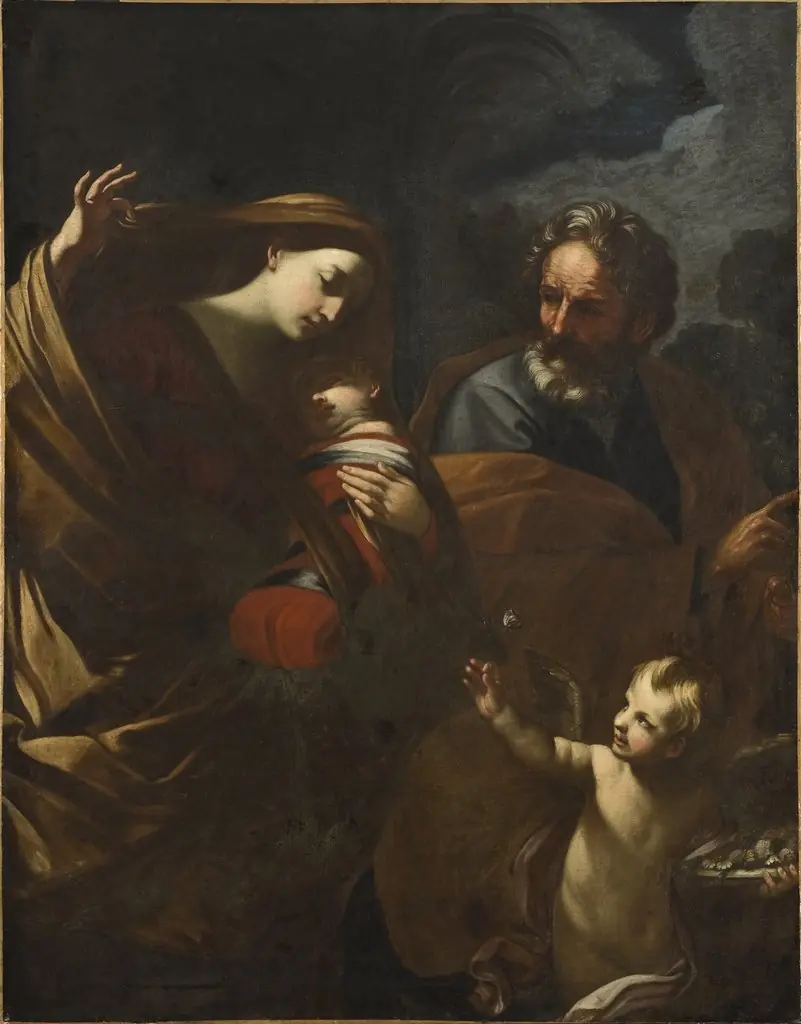 The Flight into Egypt
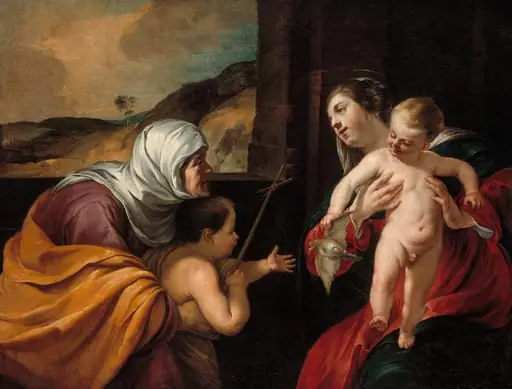 Virgin and Child with Saint Elizabeth and the Infant Saint John the Baptist
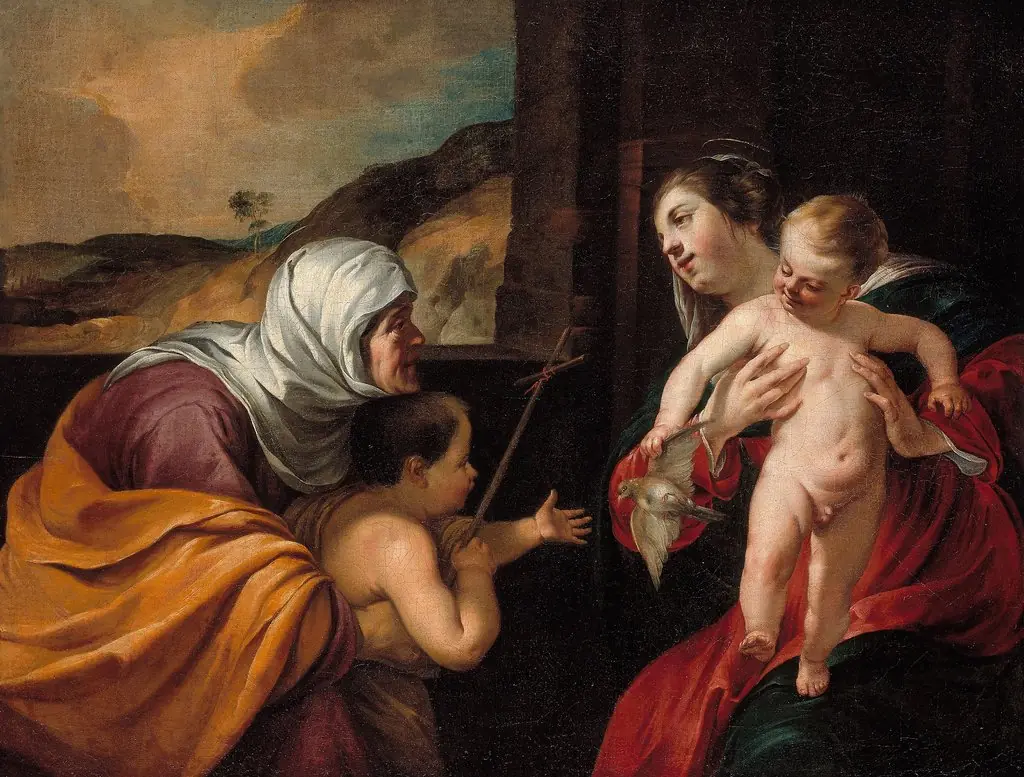 Virgin and Child with Saint Elizabeth and the Infant Saint John the Baptist
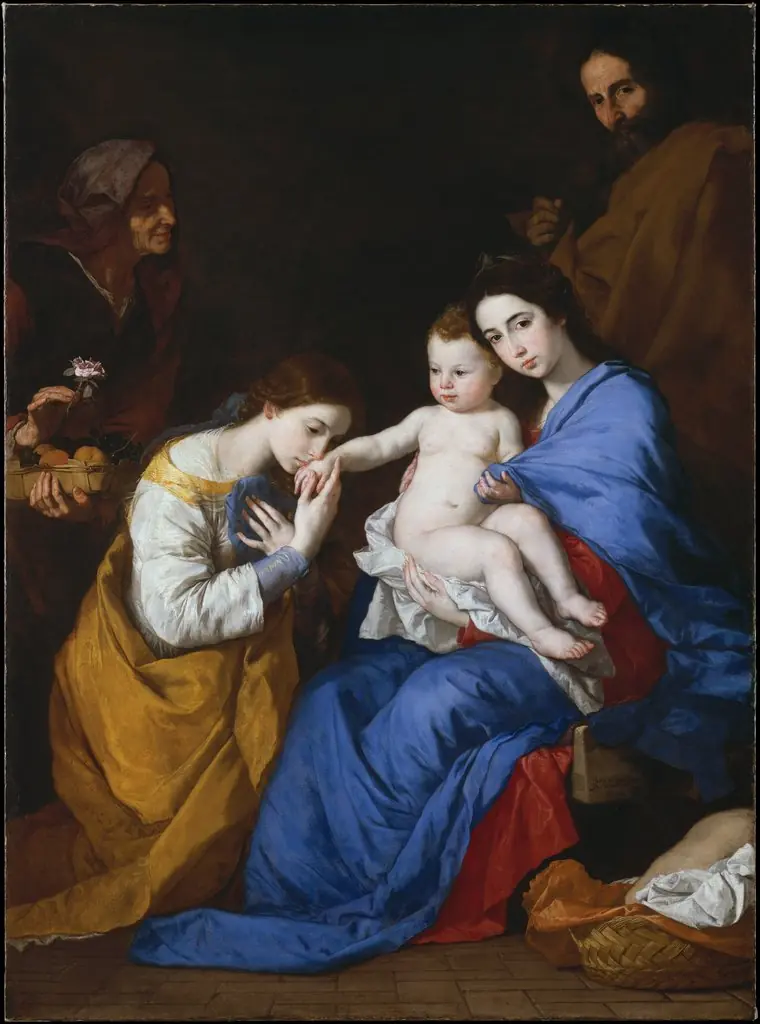 The Holy Family with Saints Anne and Catherine of Alexandria
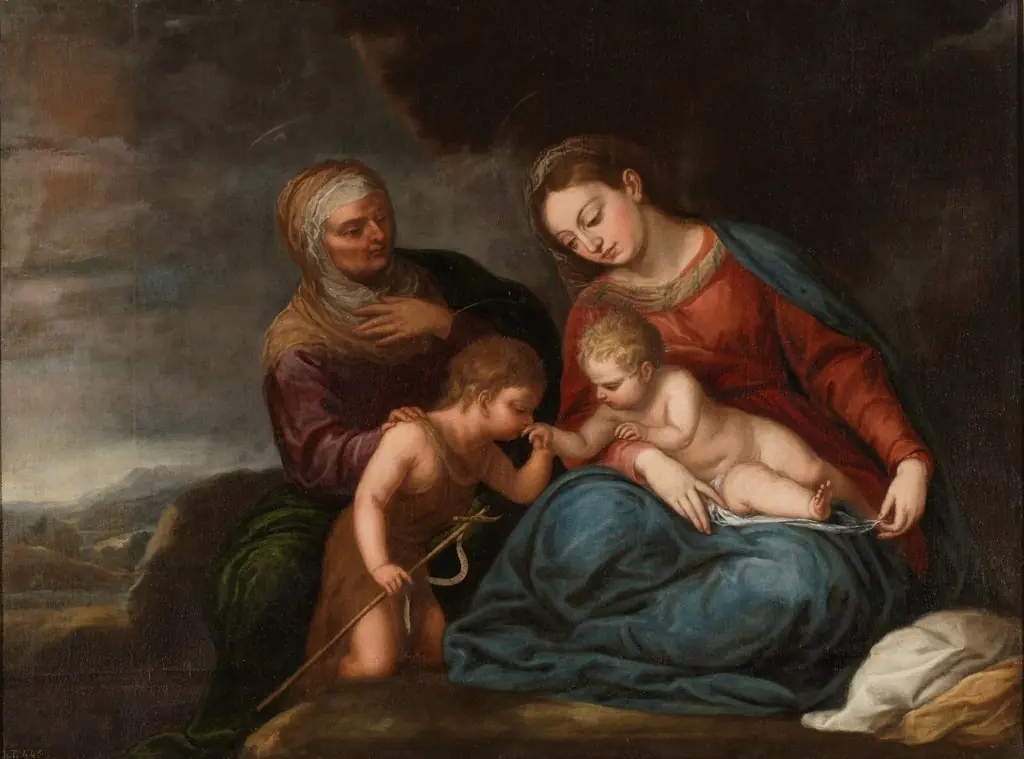 The Virgin and Child with Saints Elizabeth and John
 Mystic Marriage of St Catherine
 Madonna and Child with St Anne