Artwork
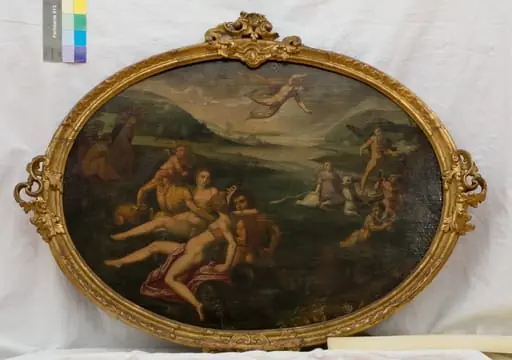
Perseus and Andromeda and Venus and Adonis
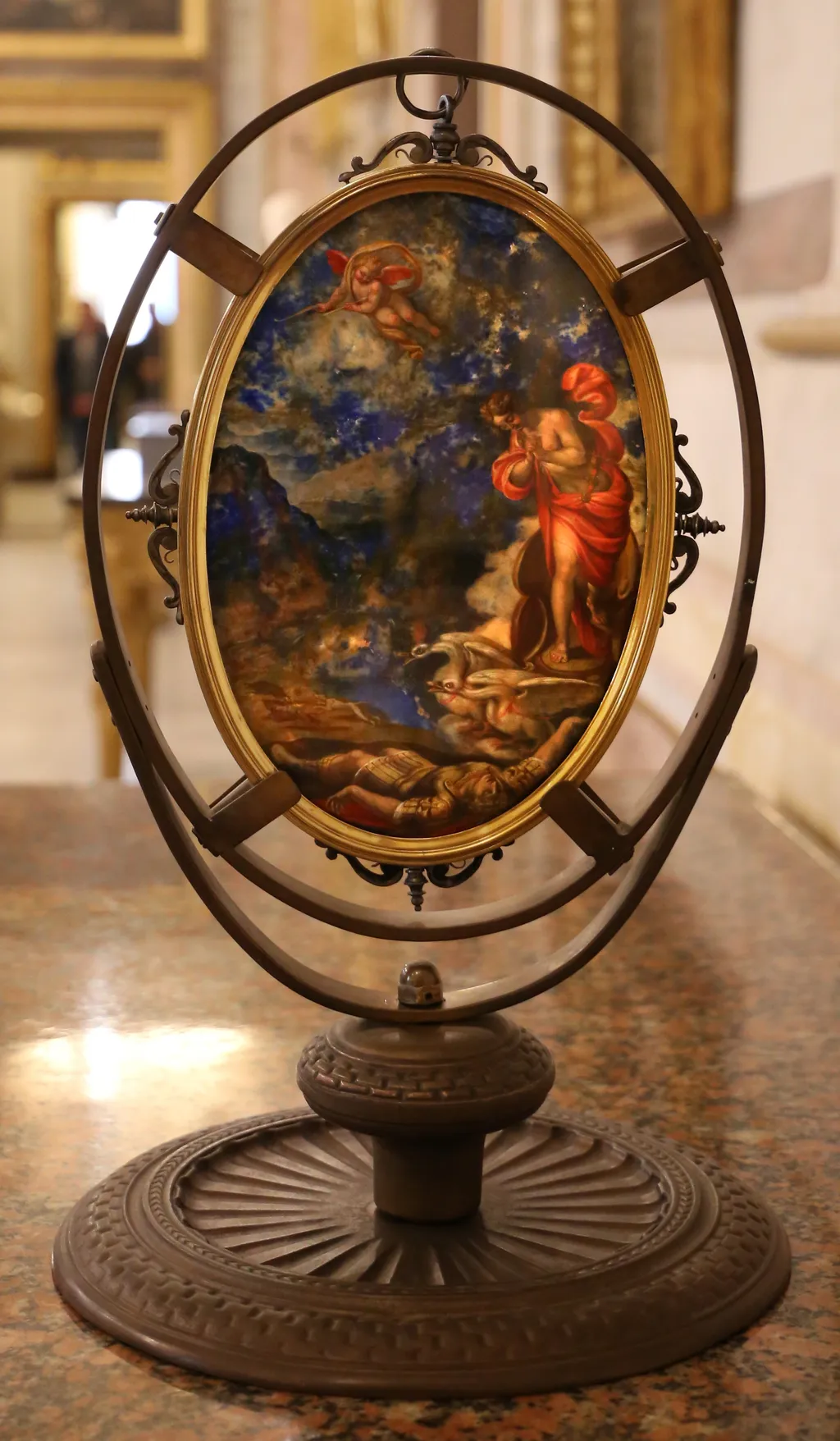
Perseus and Andromeda and Venus and Adonis is an unspecified painting by the Early Baroque Italian artist Antonio Tempesta. It dates from 1615 and is held in the collection of the Galleria Borghese.
About this work
Overview
Created during the early Baroque era, the work reflects Tempesta’s background as a Florentine artist with ties to both Roman and Flemish visual traditions.
Antonio Tempesta’s 1615 painting unites two classical myths—Perseus saving Andromeda and Venus mourning Adonis—into a single narrative space. Created during the early Baroque era, the work reflects Tempesta’s background as a Florentine artist with ties to both Roman and Flemish visual traditions. It is currently held in the Galleria Borghese in Rome, where its complex composition and dramatic energy align with the period’s interest in movement and emotional intensity.
Subject & Meaning
The painting juxtaposes two mythological episodes: Perseus descending to rescue Andromeda, chained to a rock, and Venus grieving over the fallen Adonis. By placing these scenes side by side, Tempesta explores themes of rescue and loss, heroism and sorrow. The pairing suggests a meditation on fate and divine intervention, common in Baroque interpretations of antiquity, where personal tragedy and cosmic order intertwine.
Technique & Style
Tempesta employs bold contrasts in color and light to guide the viewer’s eye through the crowded composition. Figures are rendered with energetic, almost sculptural forms, emphasizing motion and tension. The background’s muted blues and browns recede, allowing the red garments of key figures to stand out. His background in engraving informs the precise linework and clarity of form, even within a painterly context.
History & Provenance
Commissioned during Tempesta’s time in Rome, the painting entered the Borghese collection in the early 17th century, likely under Cardinal Scipione Borghese’s patronage. It remained in the family’s possession until the state acquired the collection in the early 20th century. Its survival in near-original condition reflects its enduring value to collectors who favored mythological narratives with dramatic flair.
Context
In early 17th-century Rome, mythological painting served both aesthetic and intellectual purposes, appealing to humanist tastes among the elite. Tempesta’s fusion of two myths reflects a broader trend of combining classical stories to create layered allegories. His style, blending Italian dynamism with Northern European detail, positioned him as a bridge between regional traditions in a cosmopolitan artistic capital.
Legacy
Though less widely known than his contemporaries, Tempesta’s work influenced later Baroque painters through his narrative complexity and compositional daring. His ability to merge multiple stories into one frame became a model for theatrical storytelling in painting. The persistence of this work in the Borghese collection underscores its role as a significant, if understudied, example of early Baroque mythological synthesis.
Artist & collection
Artist
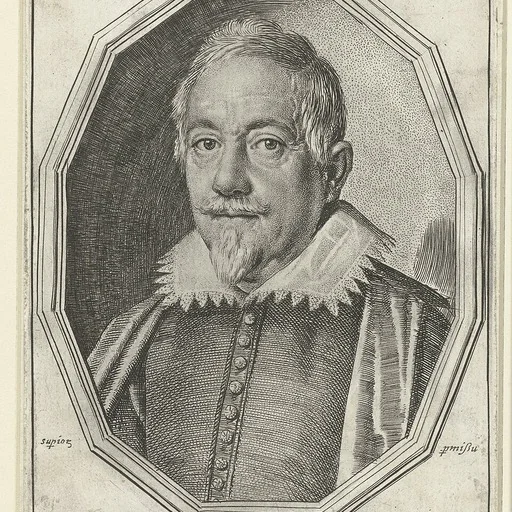
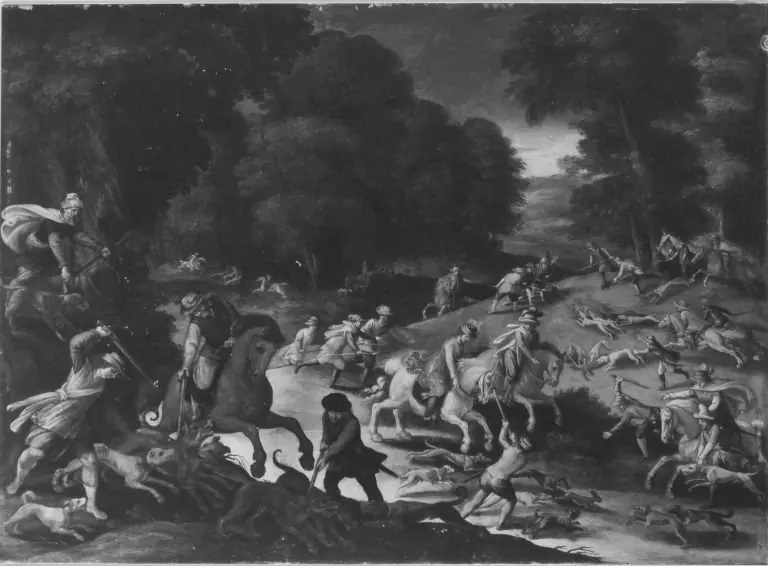
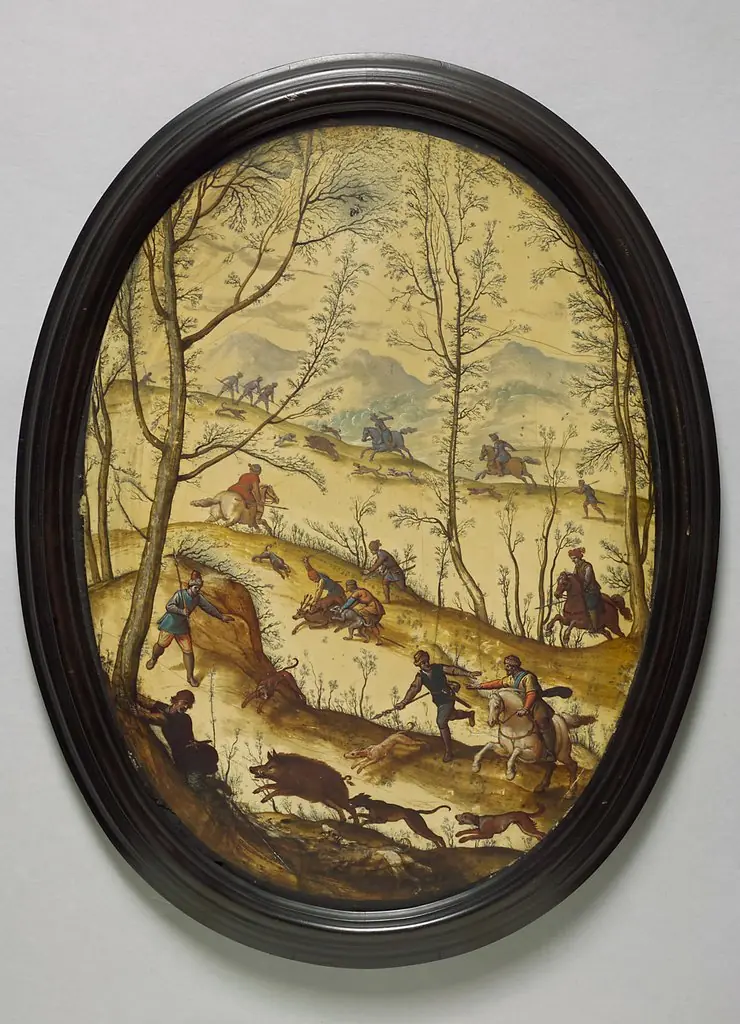
Antonio Tempesta, also called il Tempestino (1555 – 5 August 1630), was an Italian painter and engraver, whose art acted as a point of connection between Baroque Rome and the culture of Antwerp.

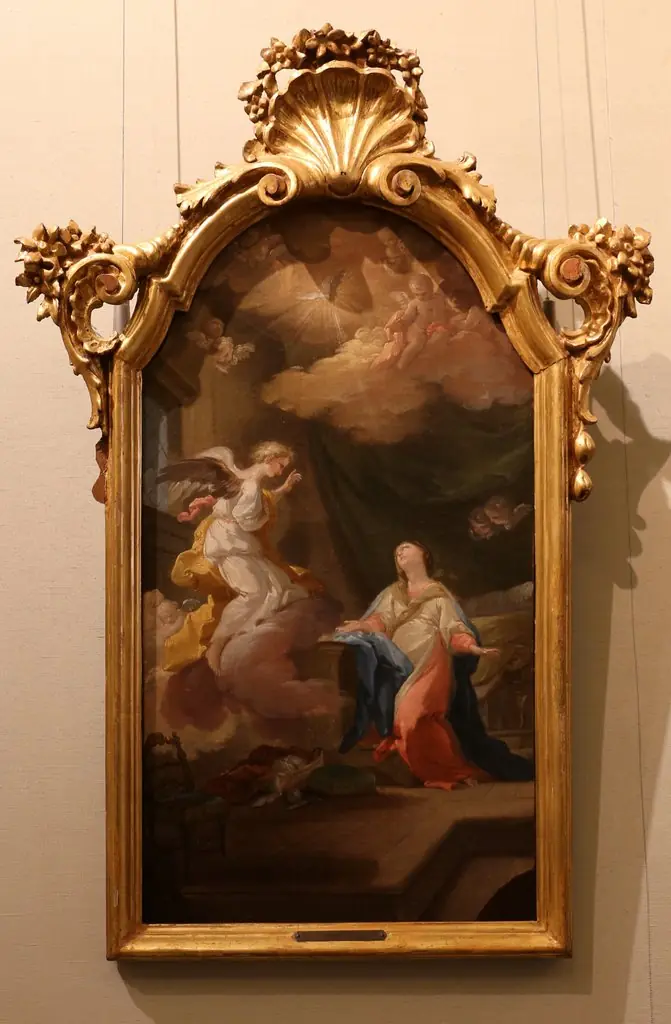 Annunciation
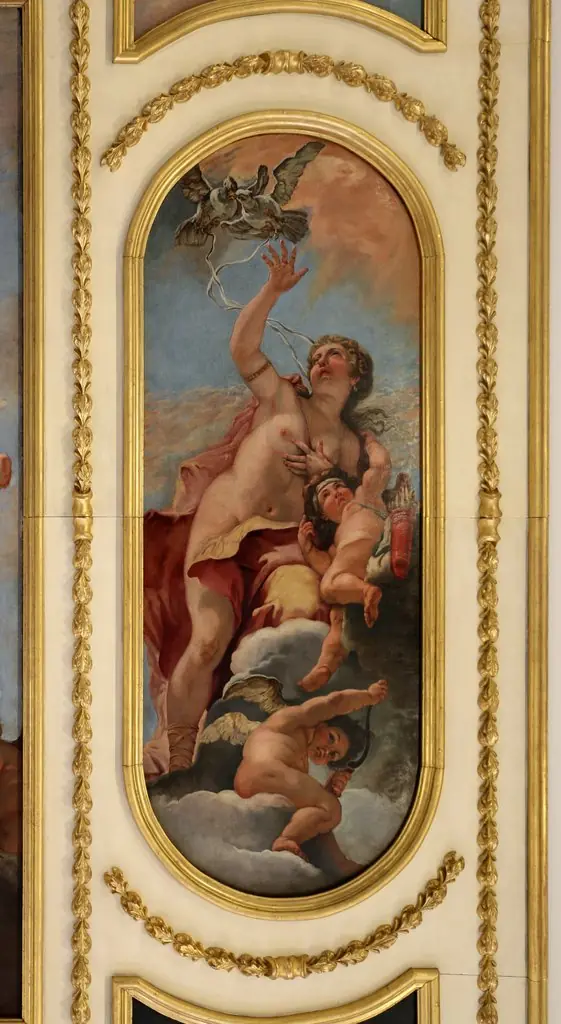 Venus und Cupido
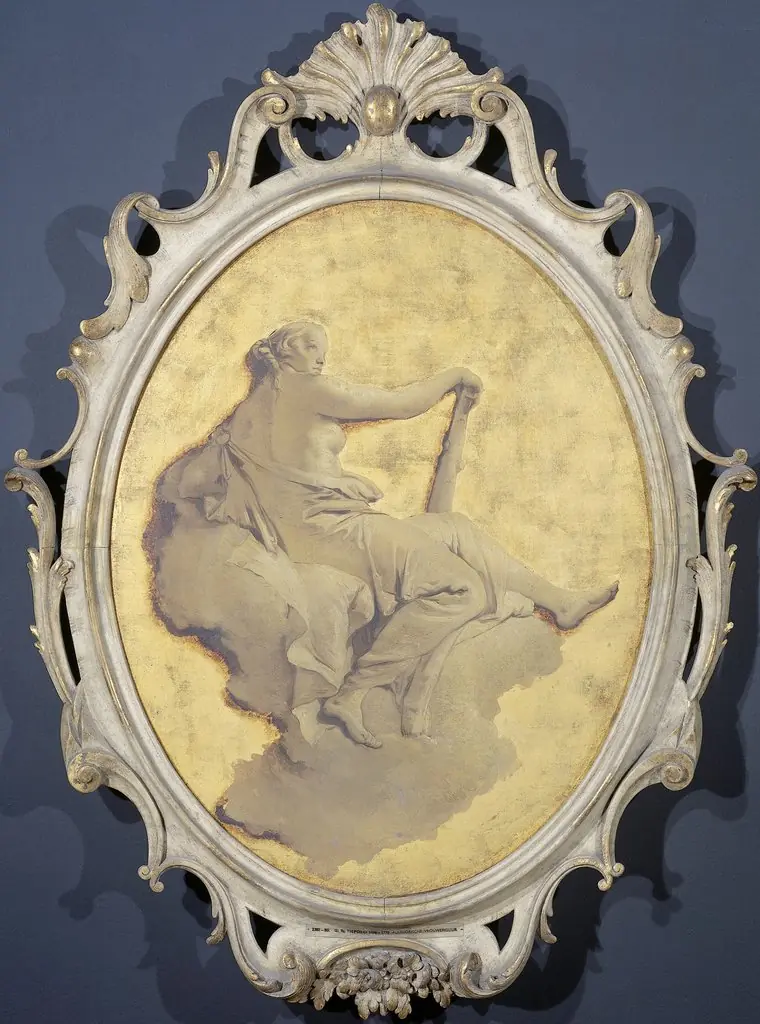 Allegorical Figure of a Woman with a Club (Fortitude?)
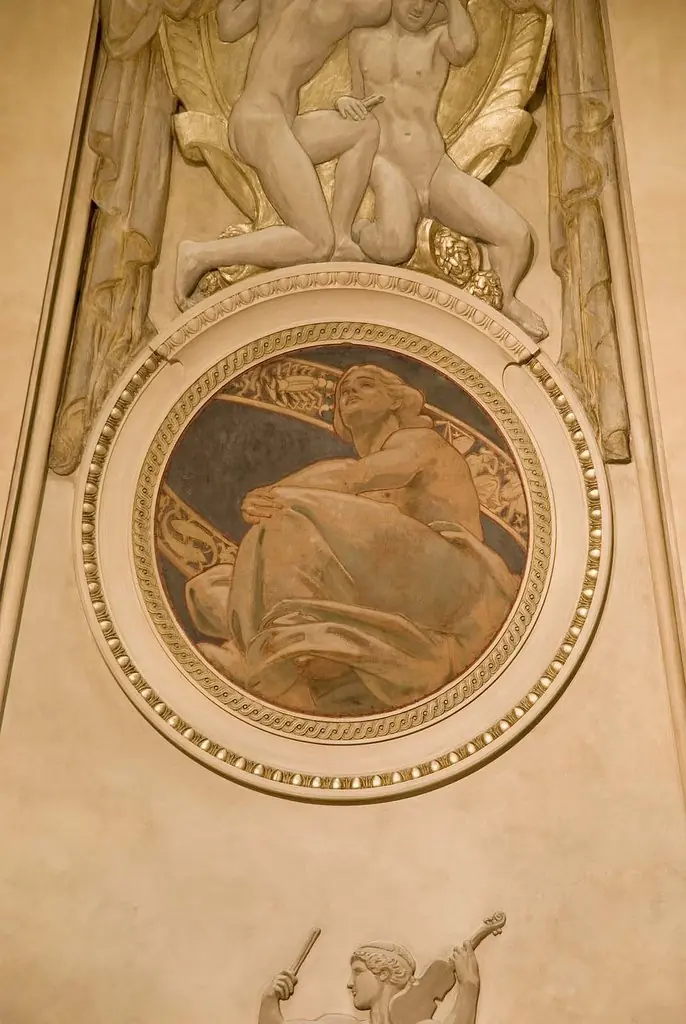 Astronomy
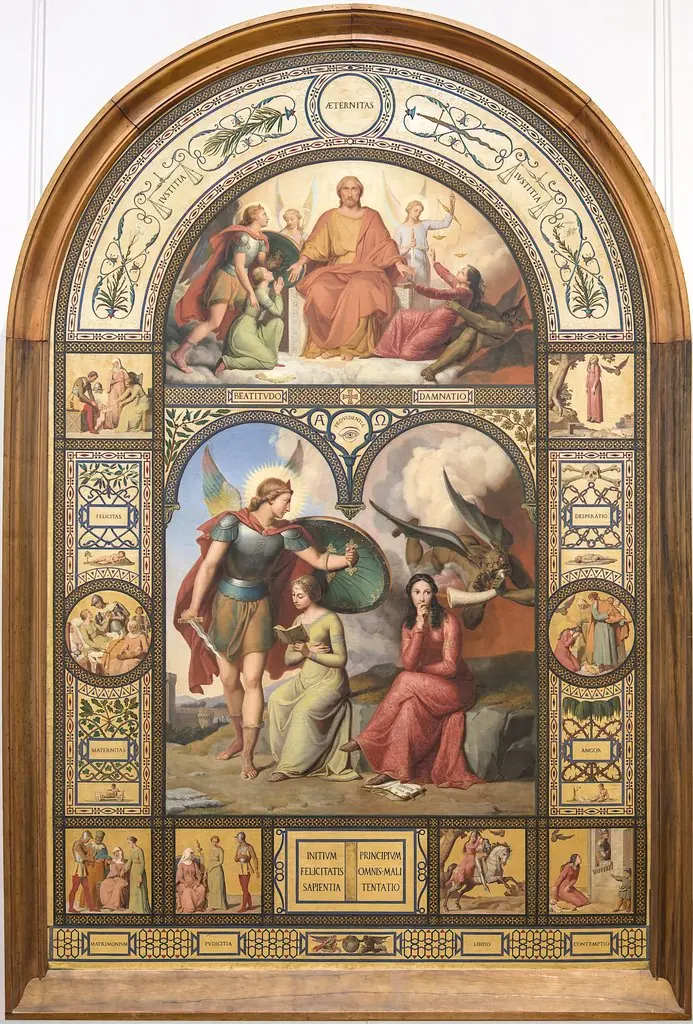 Good and Evil
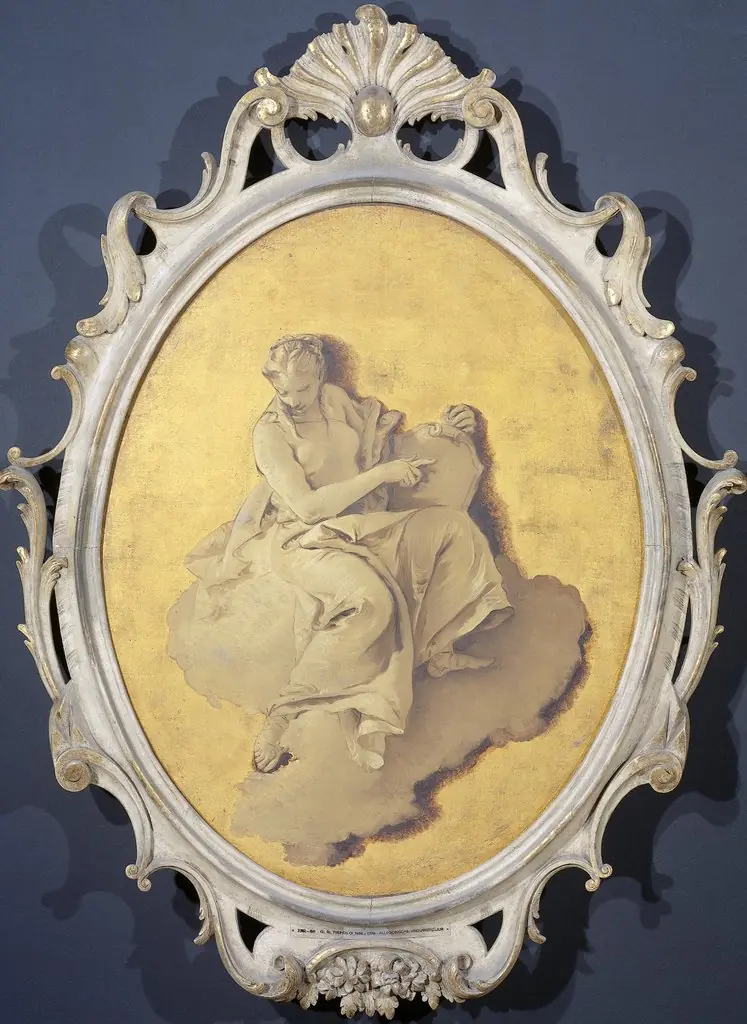 Allegorical Figure of a Woman with a Shield or a Mirror (Prudence?)
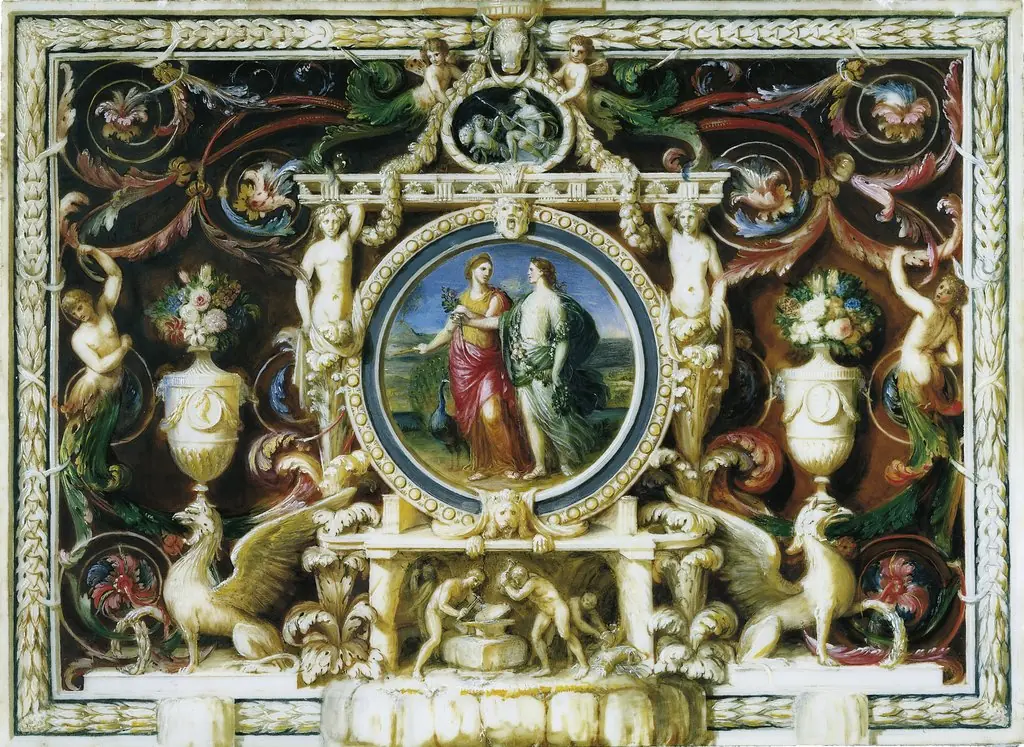 Juno and Flora
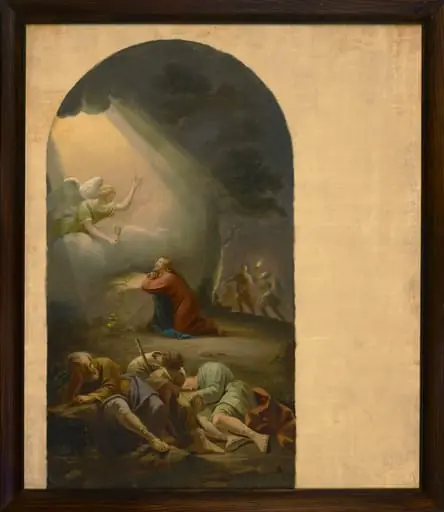 Getsemanen rukous, Kymin kirkon alttaritaulun luonnos
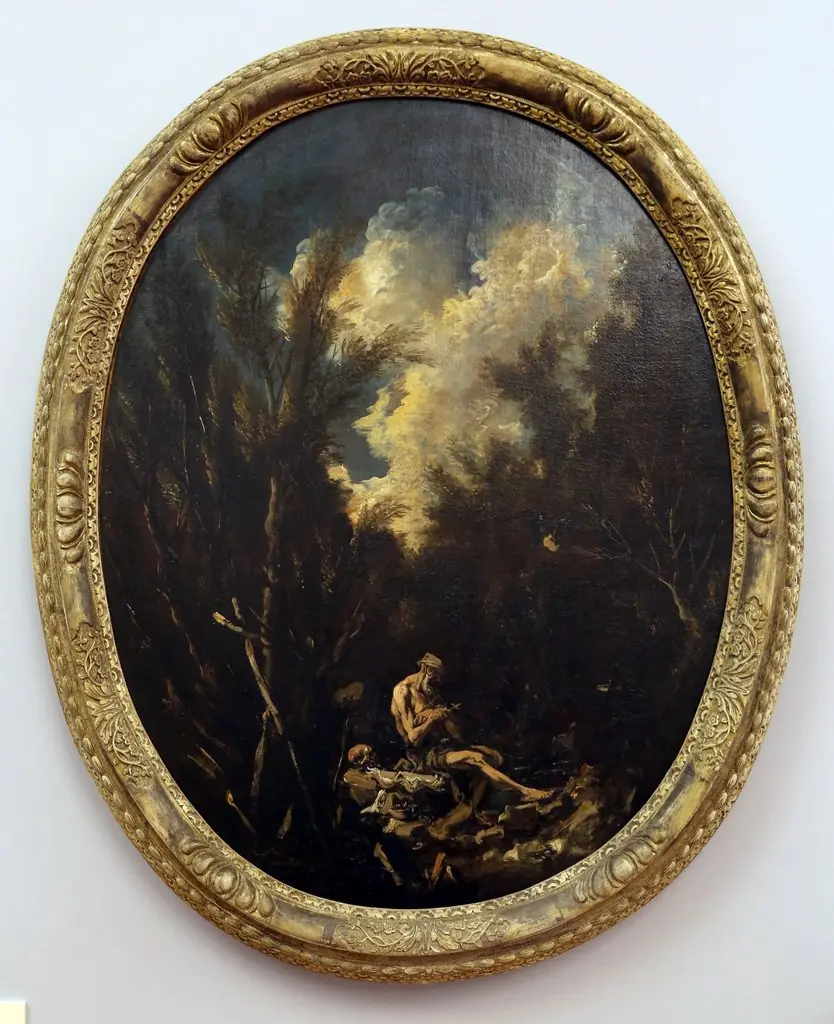 Landscape with saint Paul the Hermit
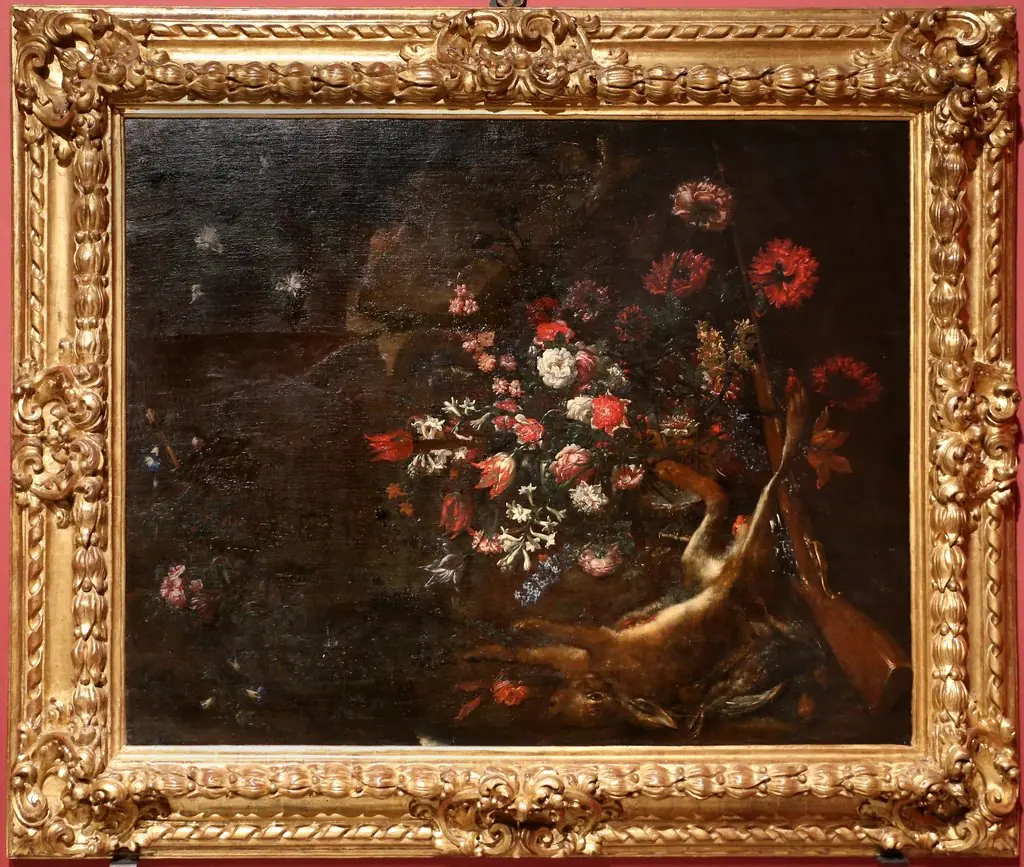 cacciagione e un fucile
 Raub der Europa
 Poets on Mount Parnassus