Art Museum
Gemäldegalerie Berlin

Image: Wikimedia Commons.
Gemäldegalerie Berlin is an art museum in Bezirk Mitte, Germany. 168 works from its collection are in this catalog, including Titian and Paolo Veronese.
About Gemäldegalerie Berlin
Overview & Identity
The Gemäldegalerie (Picture Gallery) in Berlin is one of the world's most important collections of European painting, spanning the 13th to the 18th centuries. It is a constituent part of the Staatliche Museen zu Berlin (National Museums in Berlin). The gallery is renowned for its comprehensive holdings, featuring masterpieces from all major epochs of European art history. The collection is particularly distinguished for its strength in German, Italian, and Netherlandish (Low Countries) painting, offering an unparalleled survey of artistic development from the Middle Ages through the Baroque period.
History & Founding
The origins of the collection date back to the 19th century, with the paintings first opened to the public in 1830 upon the completion of the Royal Museum (now the Altes Museum) on Museum Island. The collection grew significantly throughout the 19th century, with 345 works acquired during the inaugural directorship of Gustav Friedrich Waagen. Following the division of Germany after World War II, the collection was split between East and West Berlin. The West Berlin portion was eventually reassembled and moved to its current location in the Kulturforum in 1998, ending a long period of dispersion and temporary housing.
Architecture & Building
The current building, located in the southwest corner of the Kulturforum, was designed by architects Hilmer & Sattler following an architectural competition in 1986, with the contract awarded in 1987. The structure is characterized by a distinctly Prussian austerity of expression, with a simple façade deliberately reminiscent of Karl Friedrich Schinkel's Altes Museum. Inside, the design features a light-filled central hall from which individual galleries are grouped. The layout allows visitors to weave through the galleries at leisure, with the design emphasizing architectural restraint and classical proportion.
Collection Highlights & Notable Holdings
The gallery houses approximately 850 works on the main floor across 53 rooms, with an additional 400 works in the lower level. The collection includes masterpieces by Jan van Eyck, Pieter Bruegel, Albrecht Dürer, Raphael, Titian, Caravaggio, Peter Paul Rubens, Rembrandt, and Jan Vermeer. The arrangement is largely chronological, guiding visitors through time. The southern side of the museum focuses on Italian and Southern European art, while the northern side covers German, Flemish, and British art. Notable holdings include multiple works by Raphael and Caravaggio, reflecting the museum's status as a premier repository of Old Master paintings.
Significance & Legacy
The Gemäldegalerie is globally significant for the depth and breadth of its collection, particularly its focus on the 13th to 18th centuries. It is one of the few major national European collections that has managed to retain a cohesive narrative of art history despite the political upheavals of the 20th century. The museum's decision to remain in the Kulturforum after a 2012 proposal to move the collection to Museum Island was driven by public backlash and financial considerations, ensuring the stability of its current presentation. The gallery serves as a critical center for research and conservation, maintaining the legacy of the Prussian cultural heritage.
What to see at Gemäldegalerie Berlin
Start with Bathsheba at her bath by Sebastiano Ricci.
Works from Gemäldegalerie Berlin
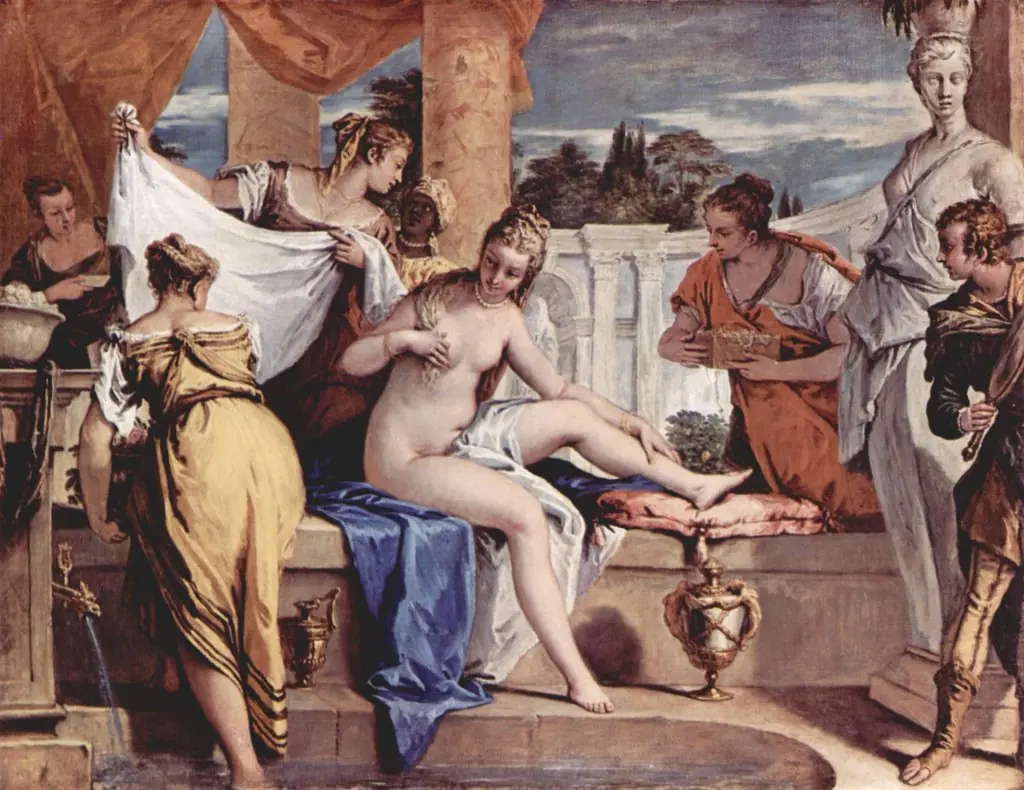 Bathsheba at her bath
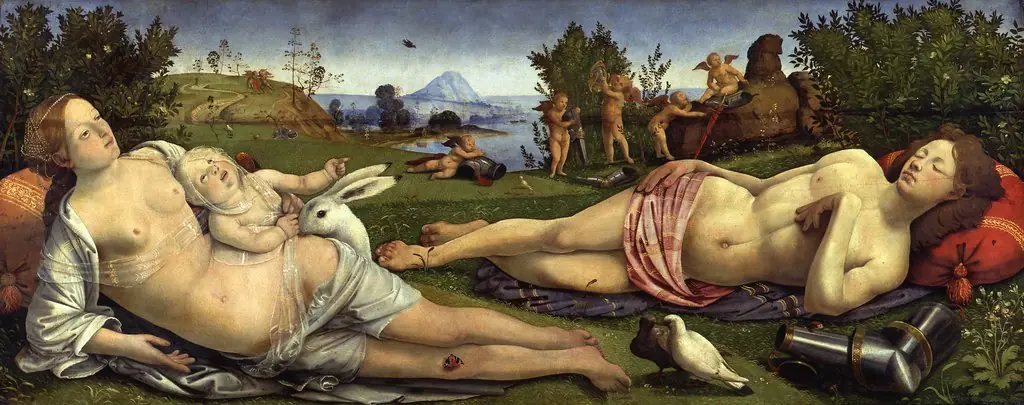 Venus, Mars and Cupid
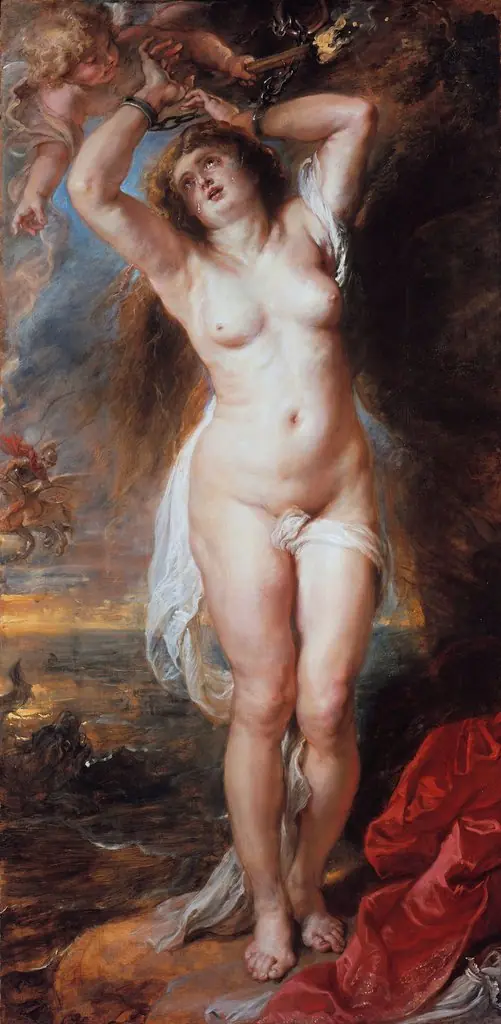 Perseus Freeing Andromeda
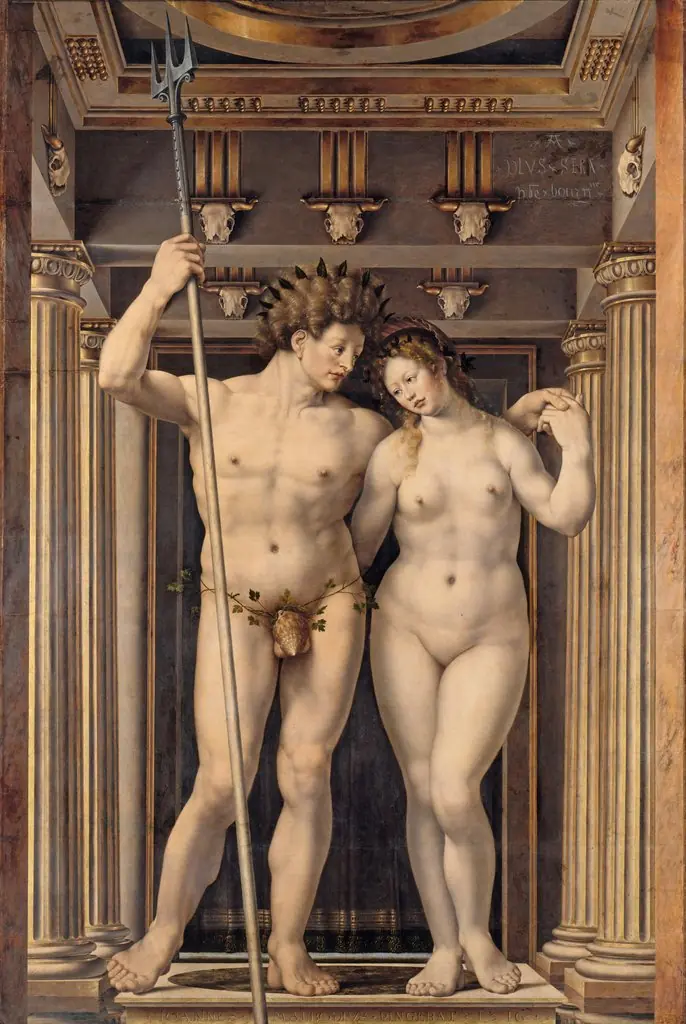 Neptune and Amphitrite
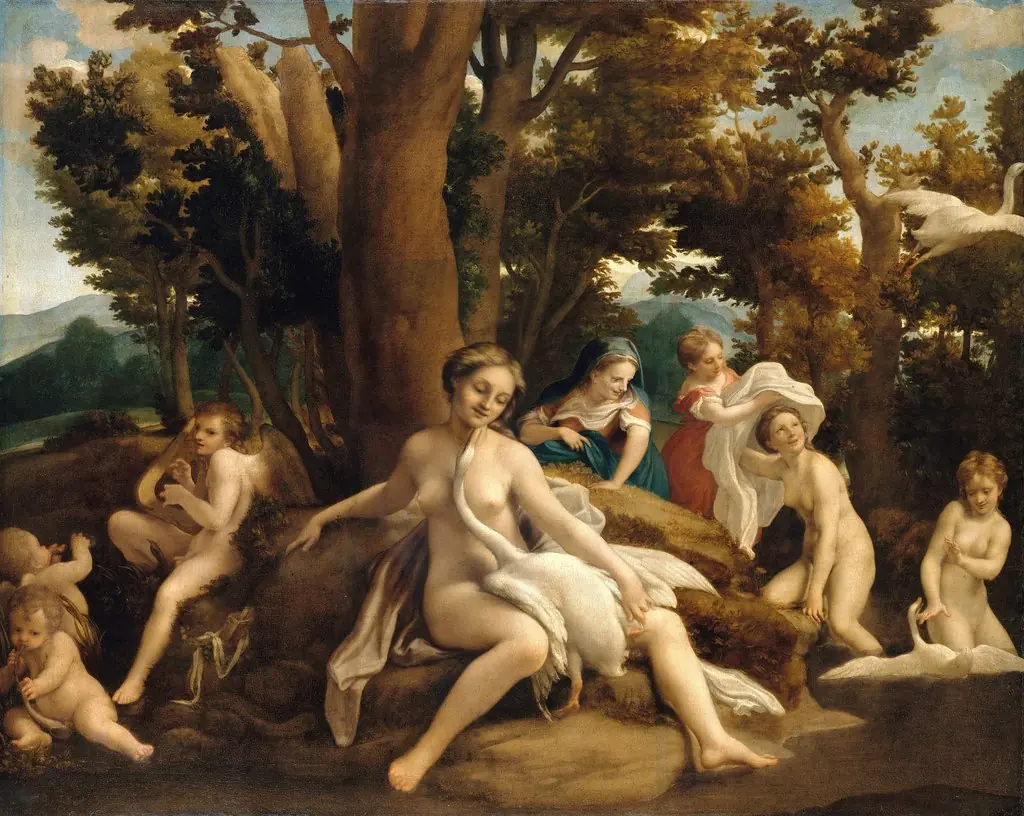 Leda and the Swan
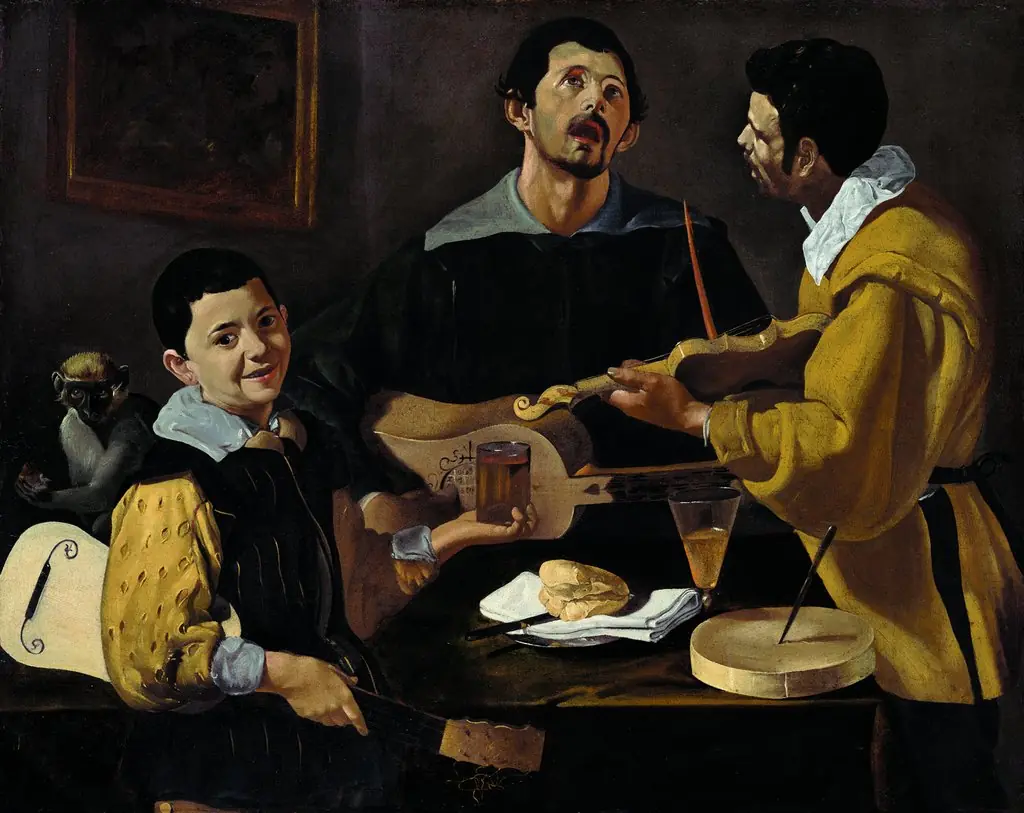 Three Musicians
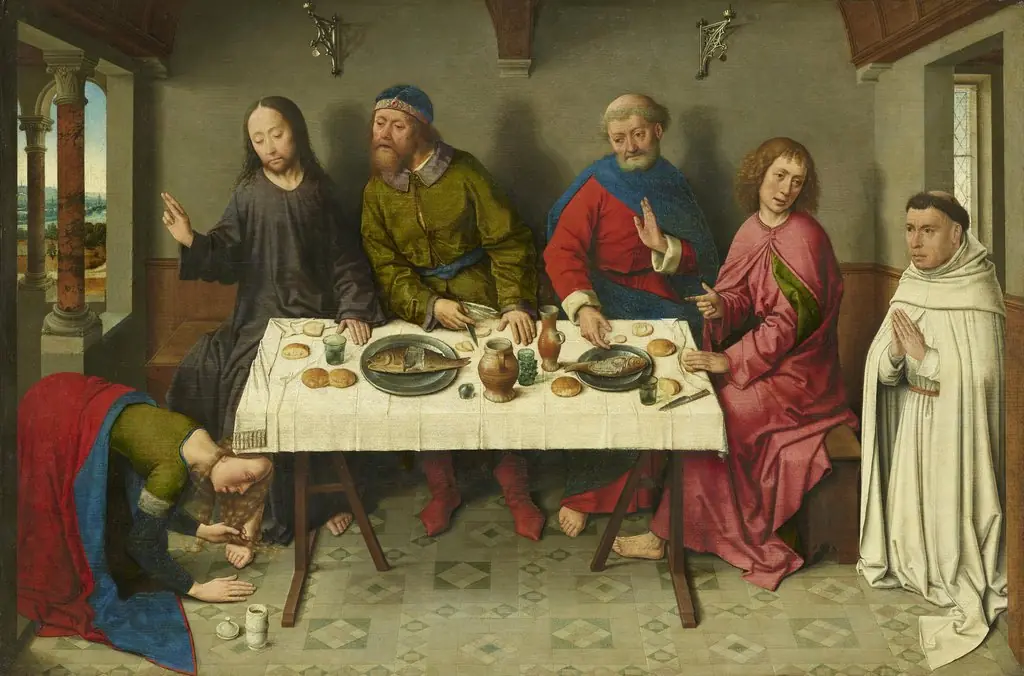 Christ in the house of the Pharisee Simon
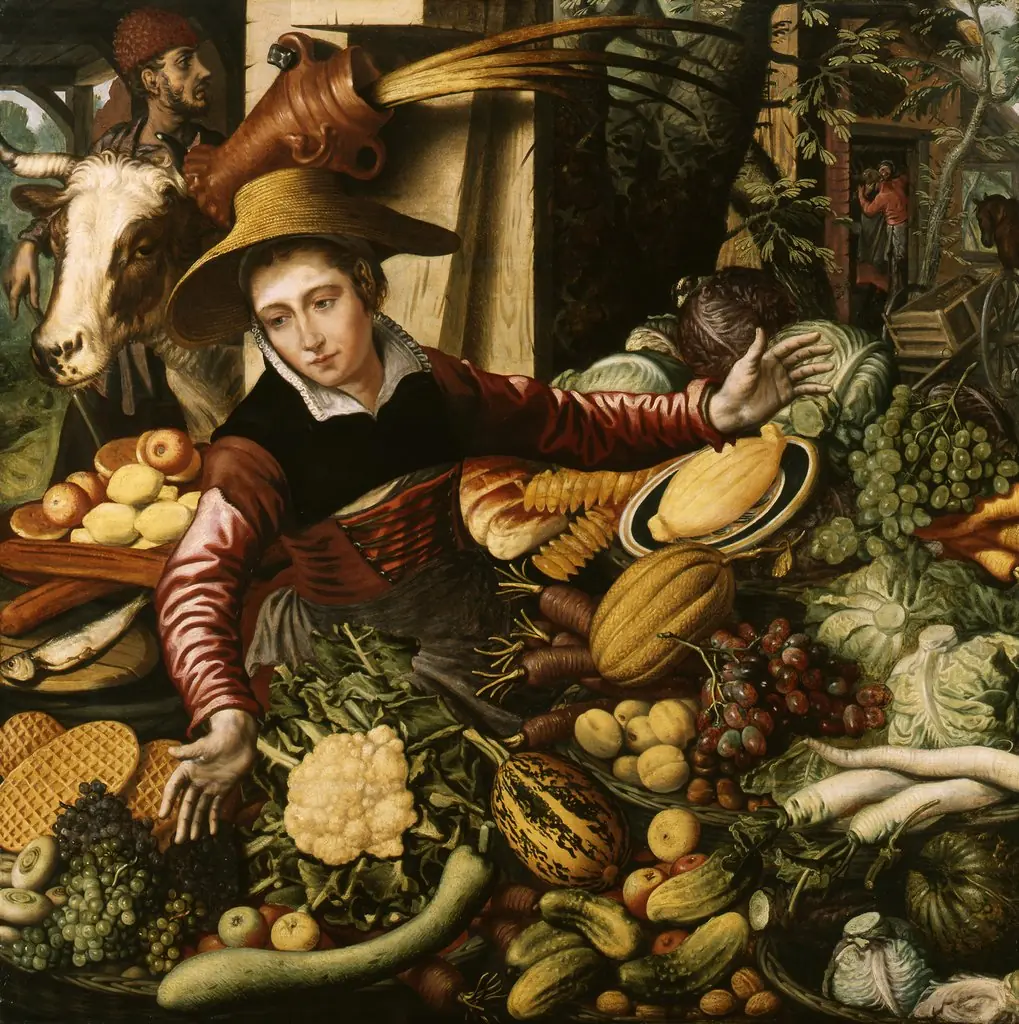 Market Woman at the Vegetable Stall
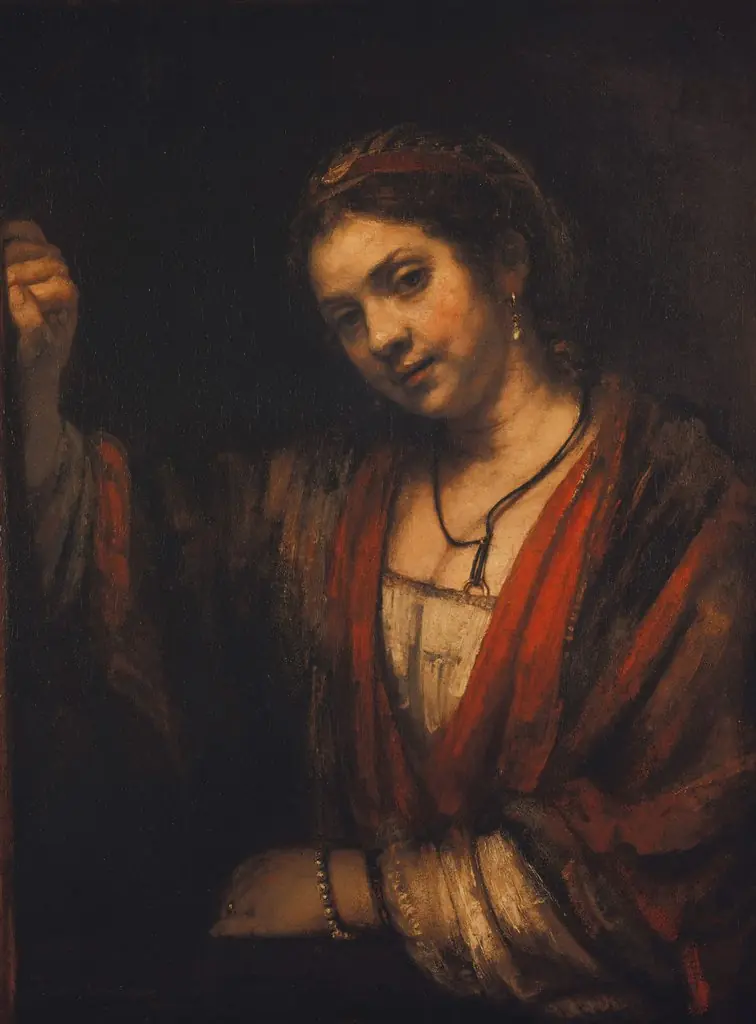 Hendrickje Stoffels by a Door
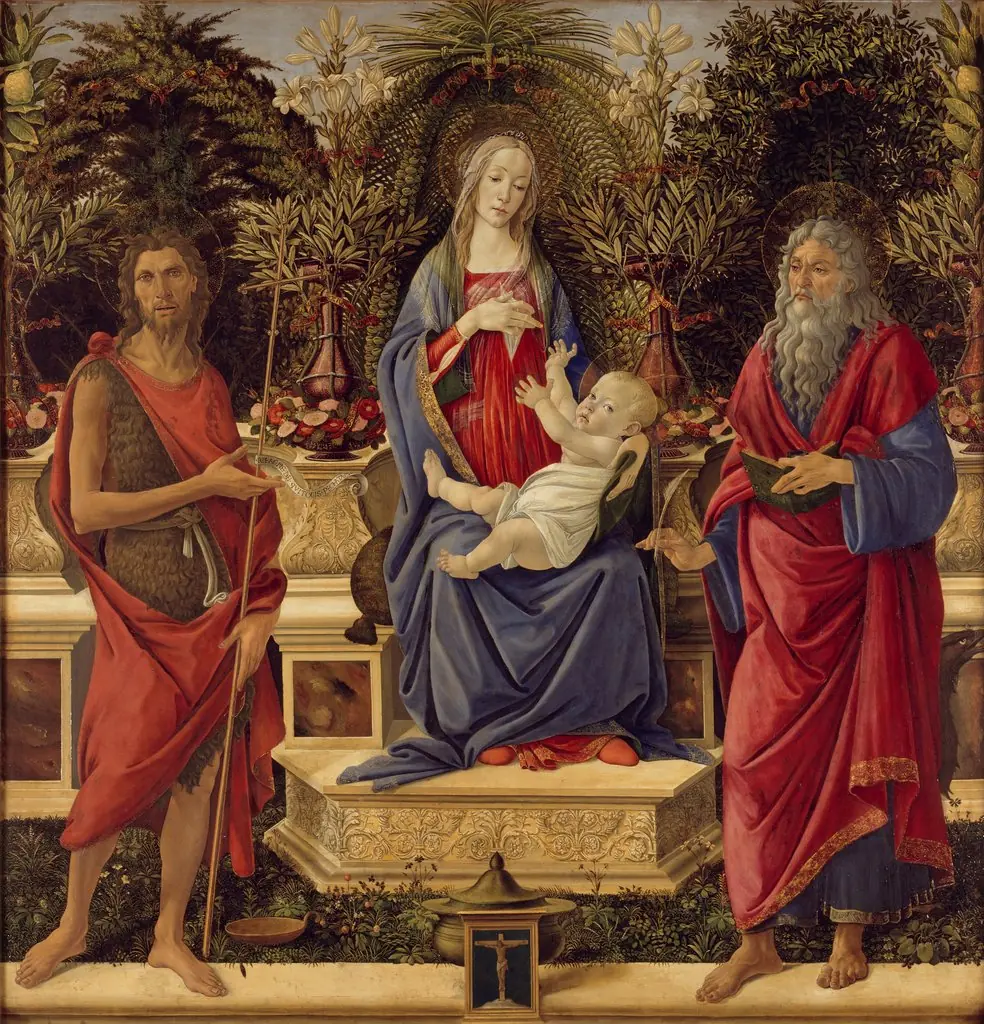 Madonna Bardi
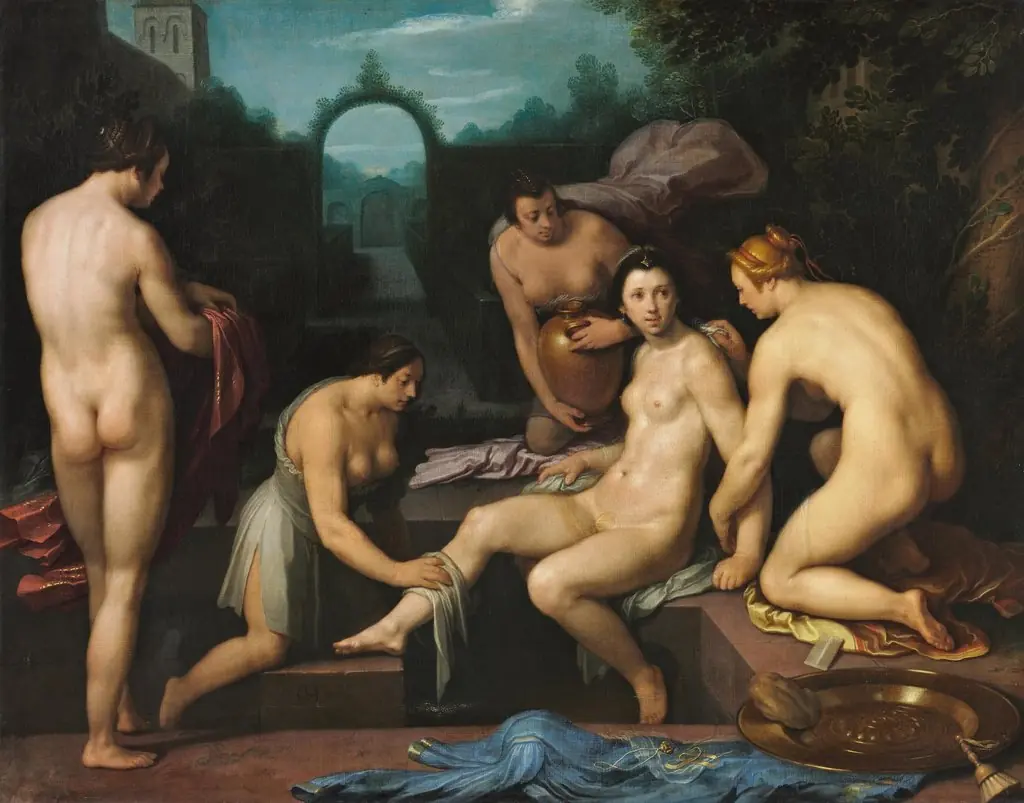 Bathsheba at her toilet
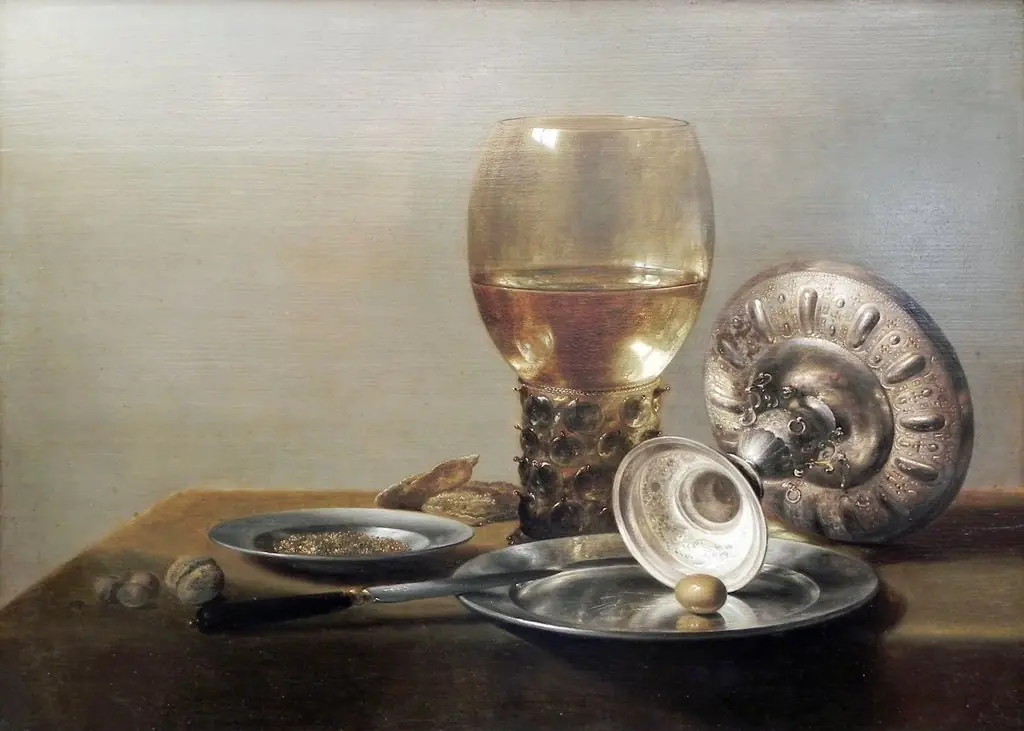 Still-life with Wine Glass and Silver Bowl
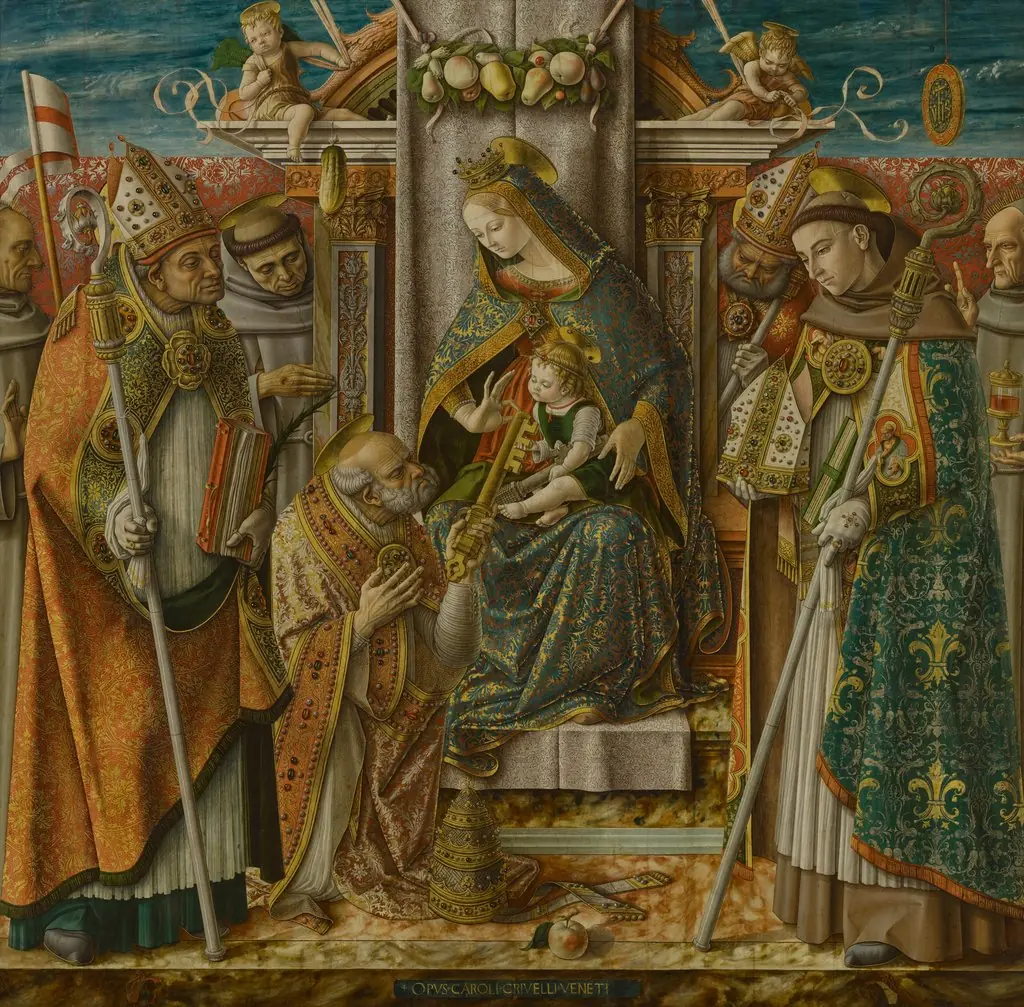 Madonna and Child Enthroned with Saints
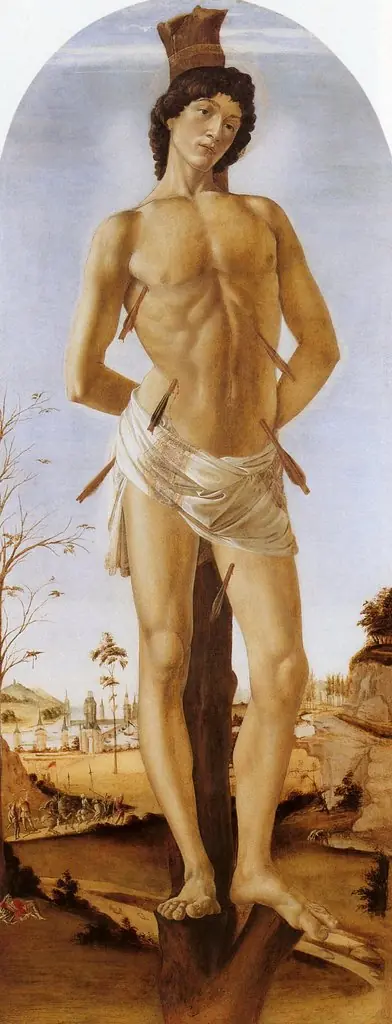 Saint Sebastian
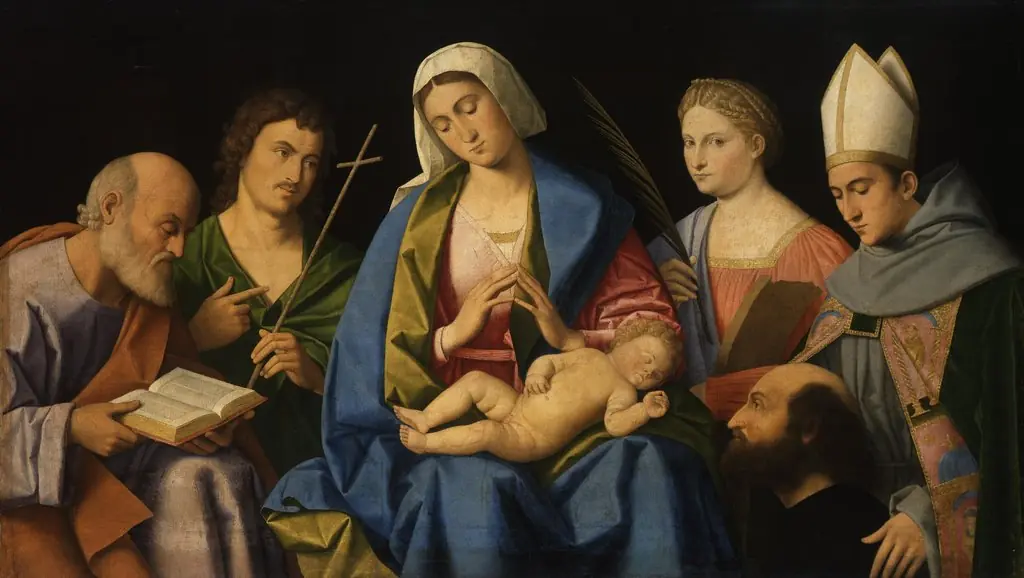 Madonna and Child with Saints and Donor
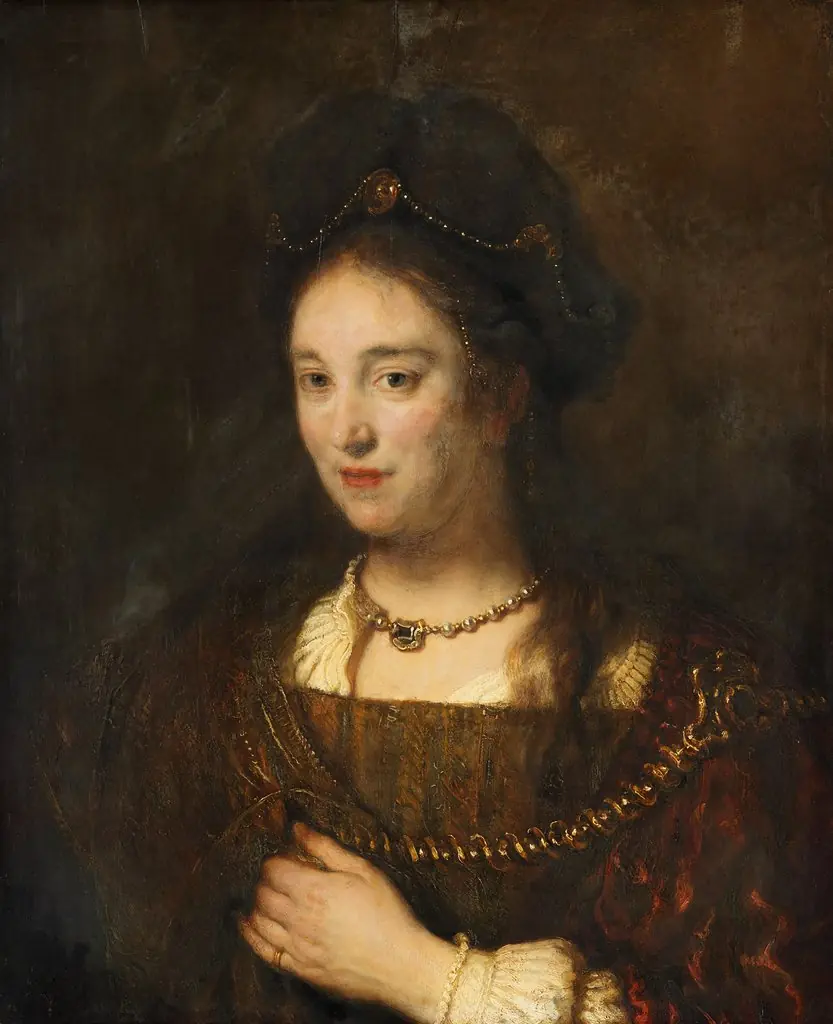 Half-figure of a woman with a beret
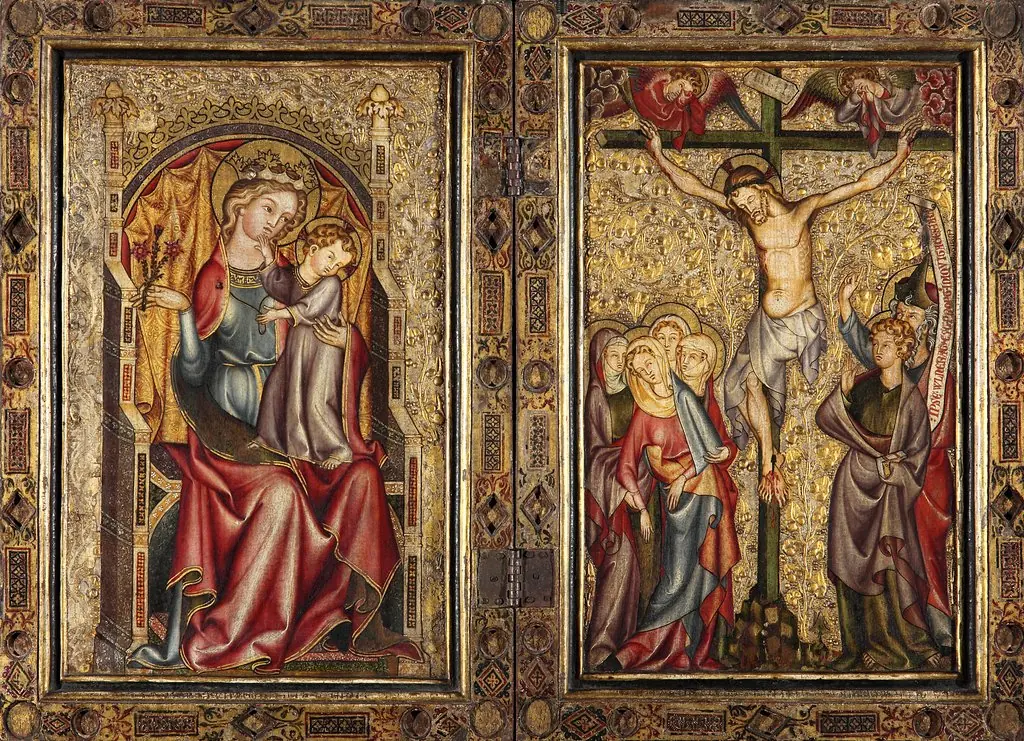 Cologne Diptych
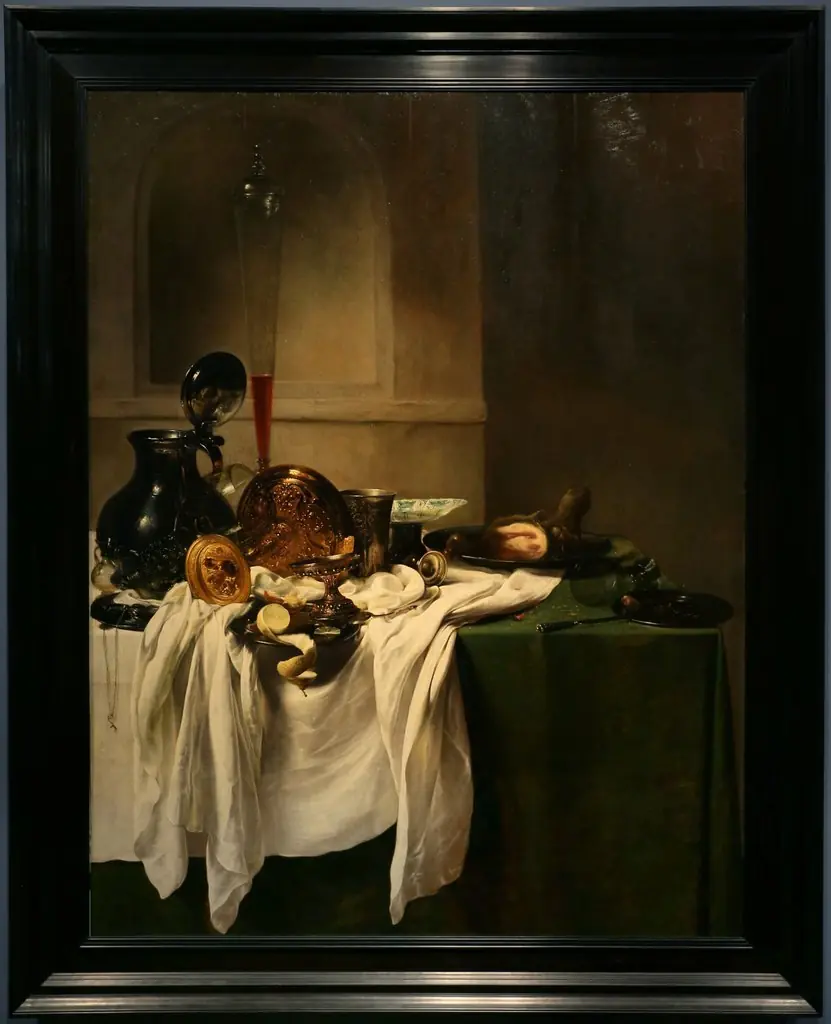 Still life of a laid table with ham and a view of a niche
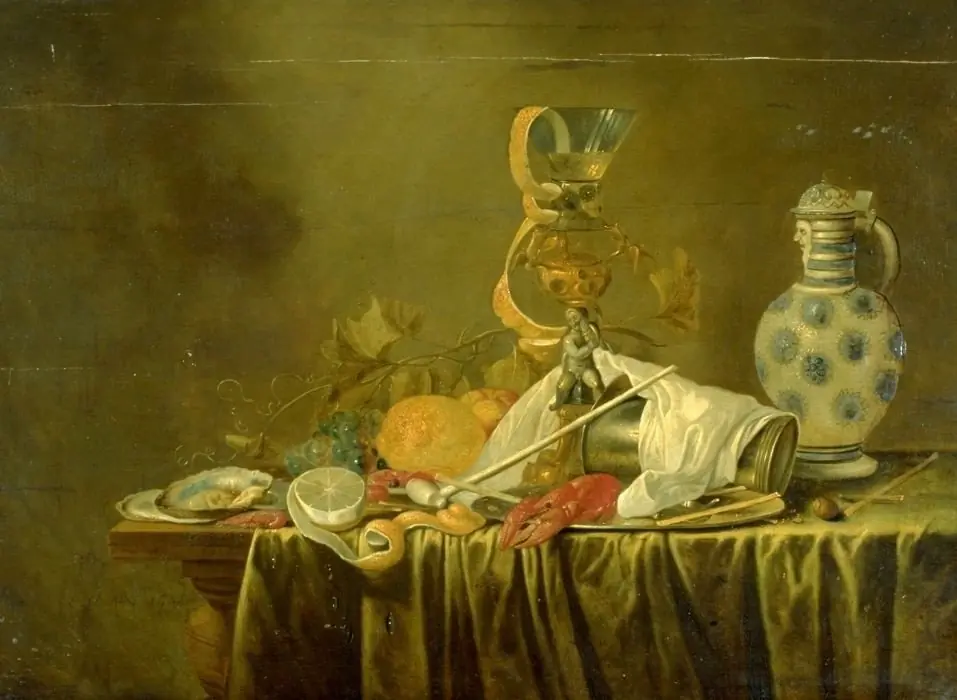 Still life with wine glass and stoneware jug
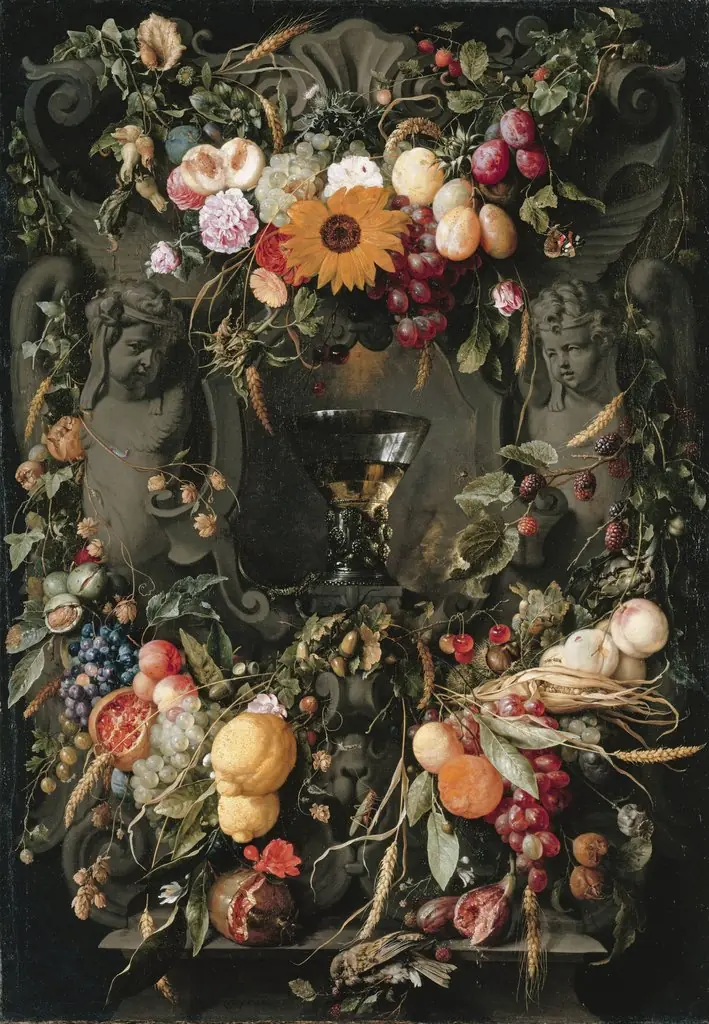 Cartouche with fruit and flowers and wine glass
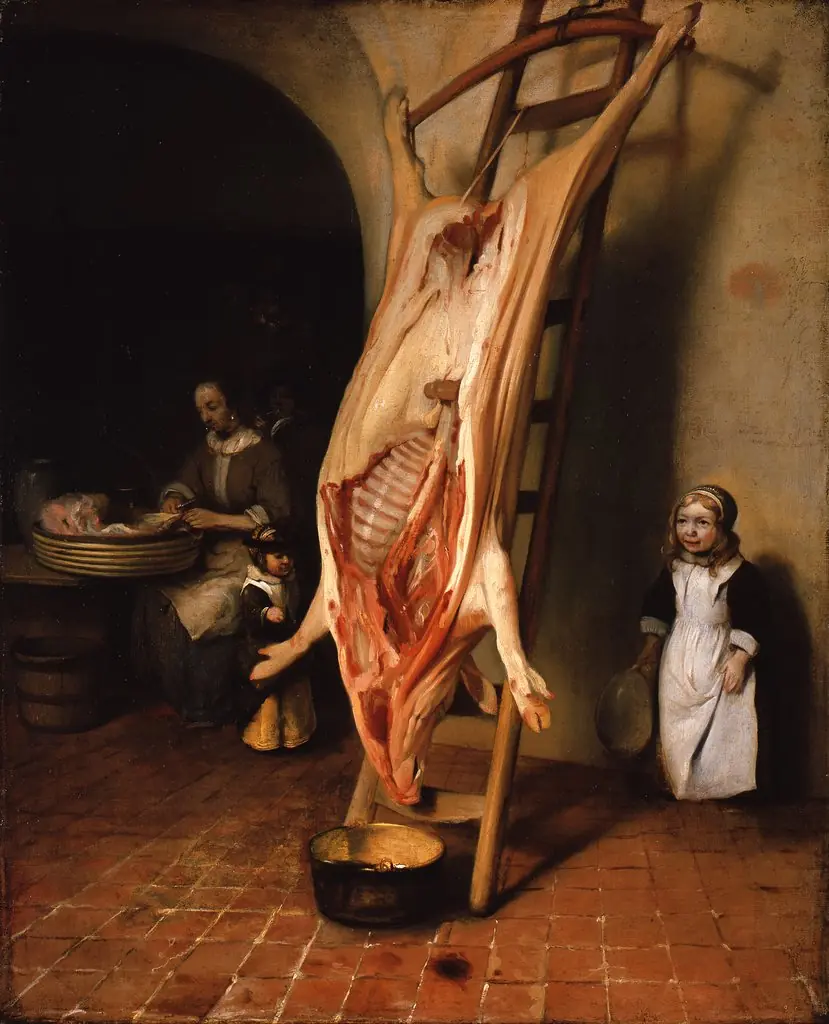 The butchered pig
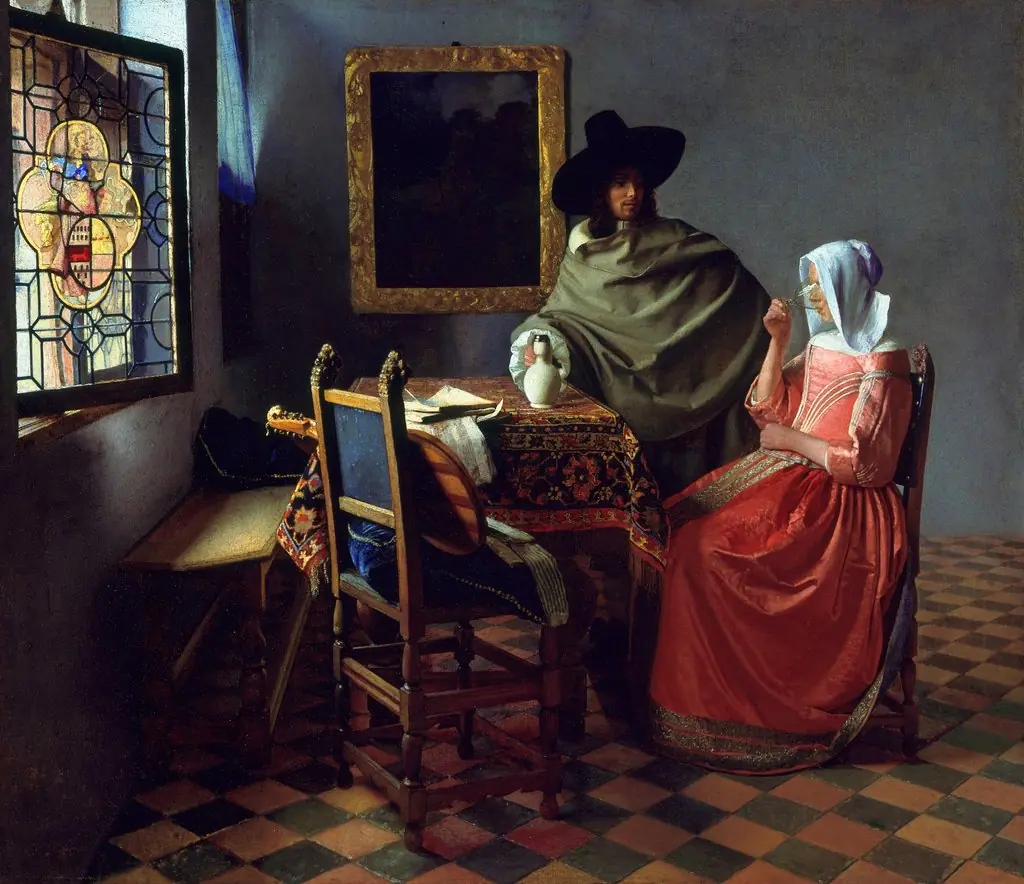 The Wine Glass
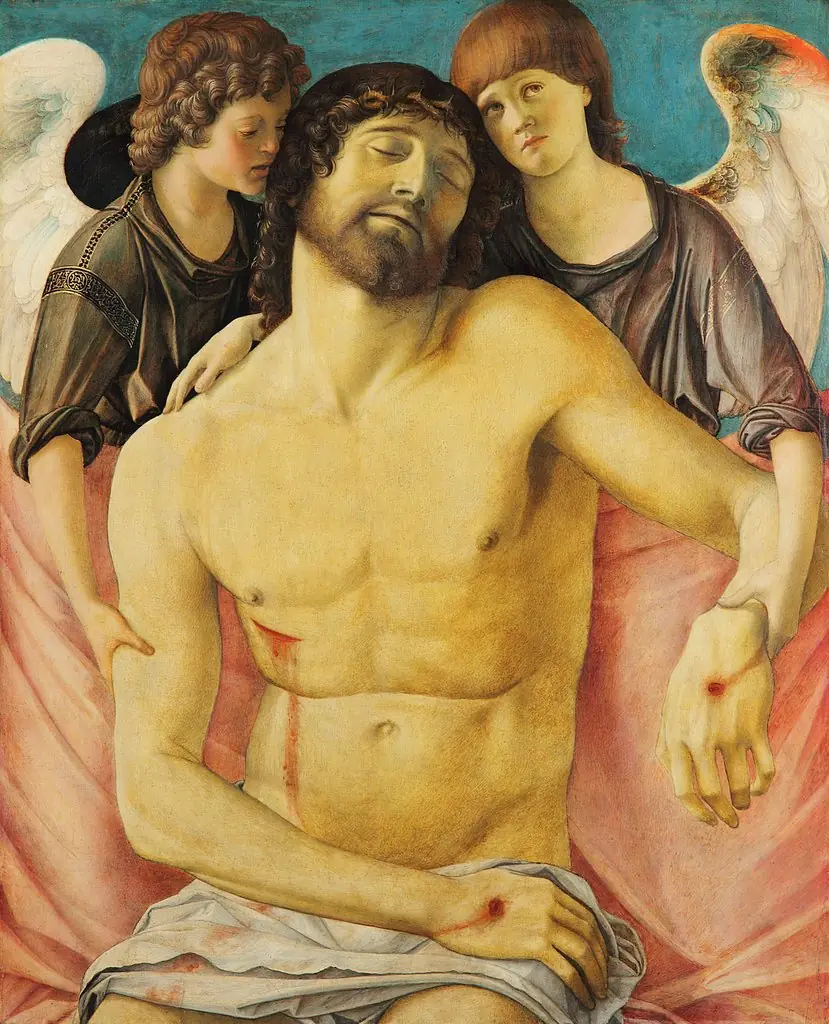 Dead Christ Supported by Two Angels
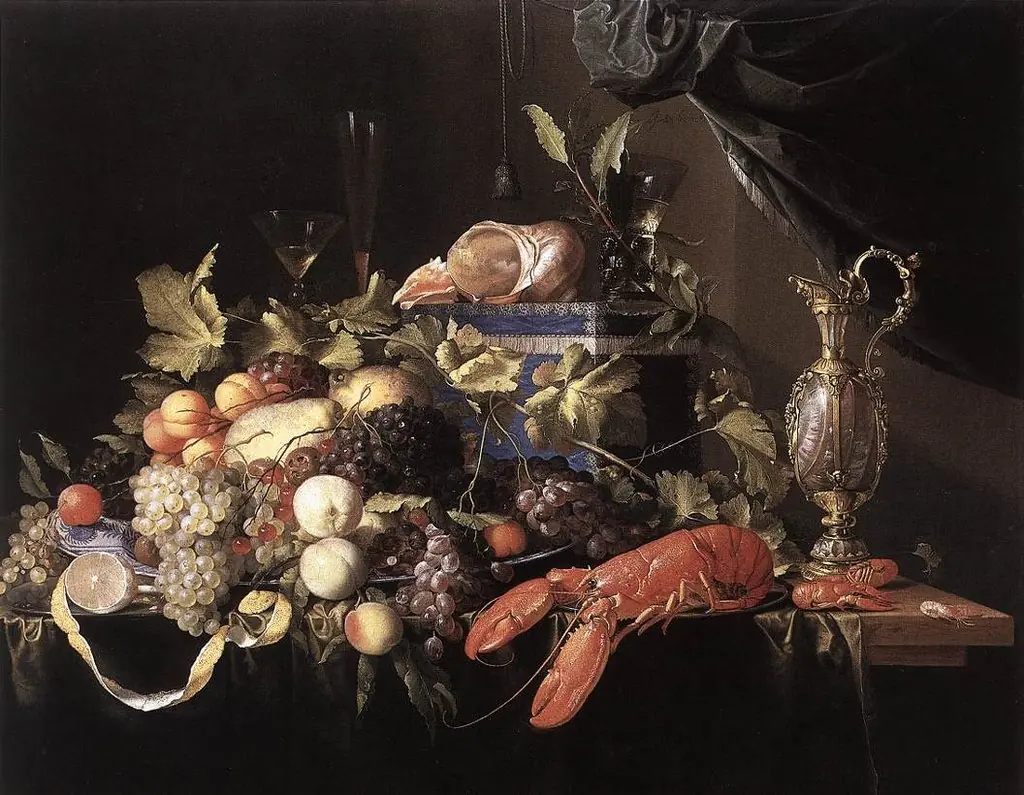 Still Life with Fruit and Lobster
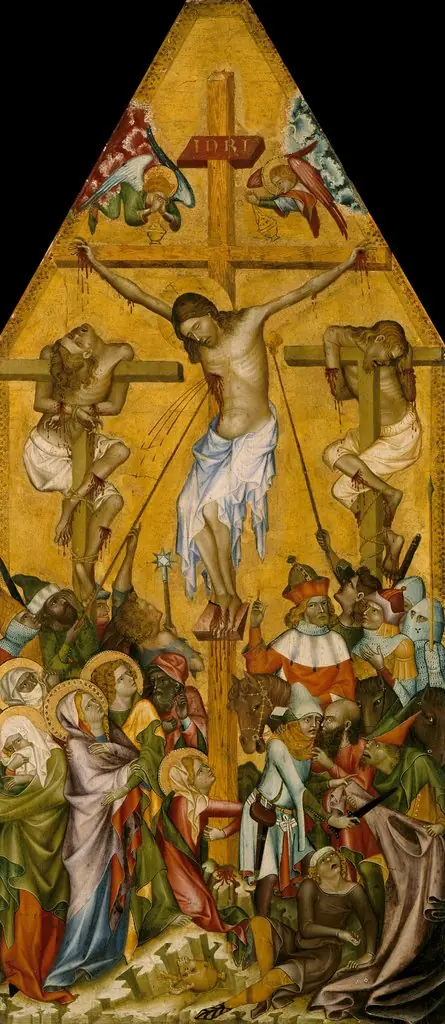 The Crucifixion of Christ
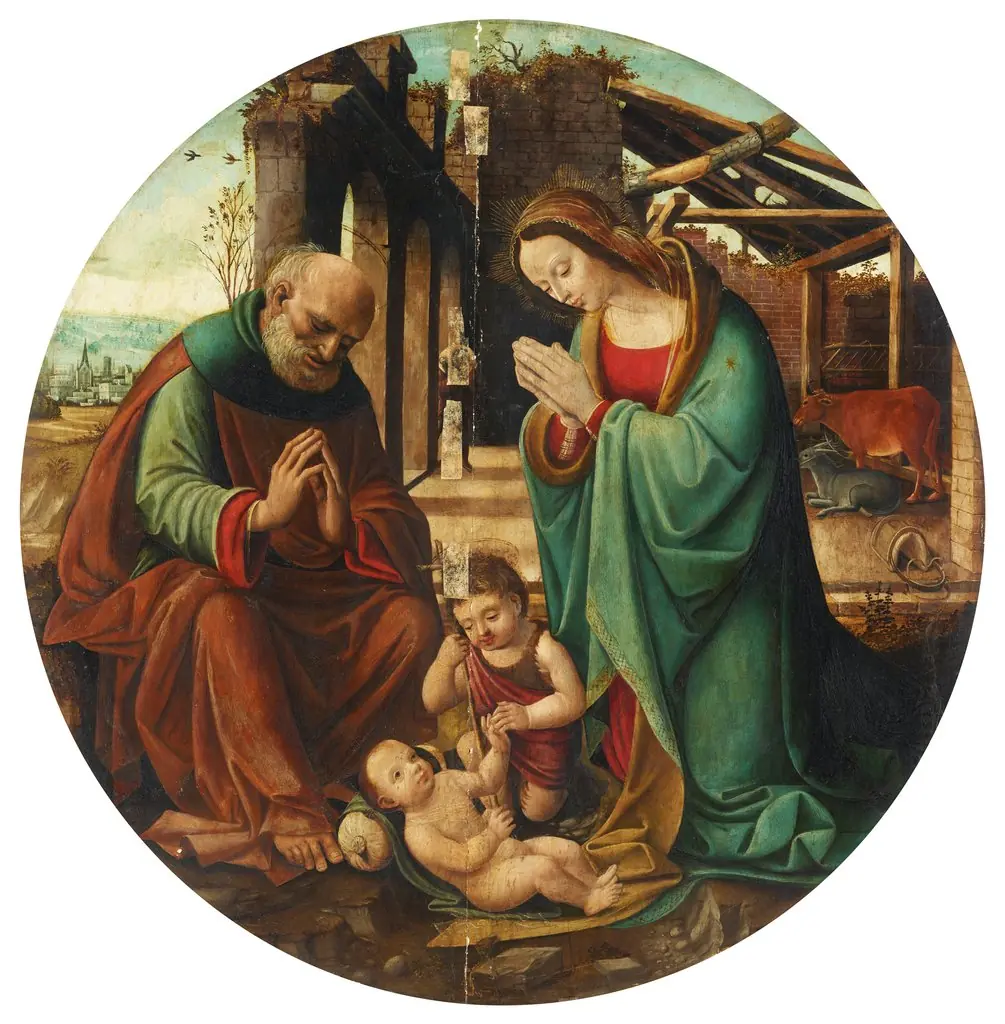 The Holy Family with Young St. John, Adoring the Child
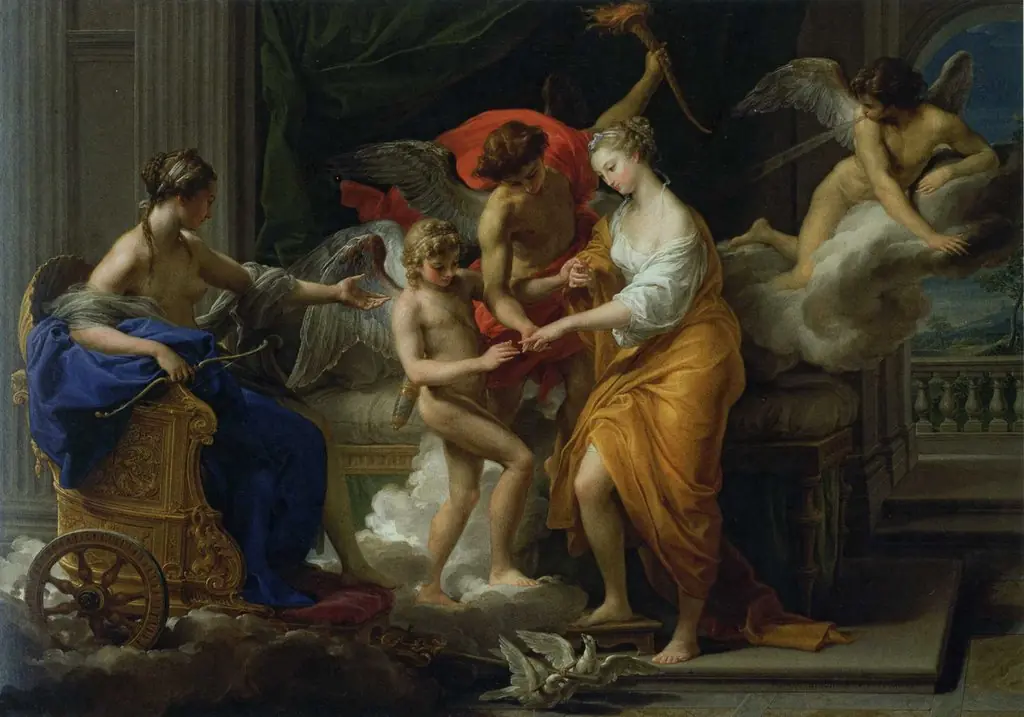 The Marriage of Cupid and Psyche
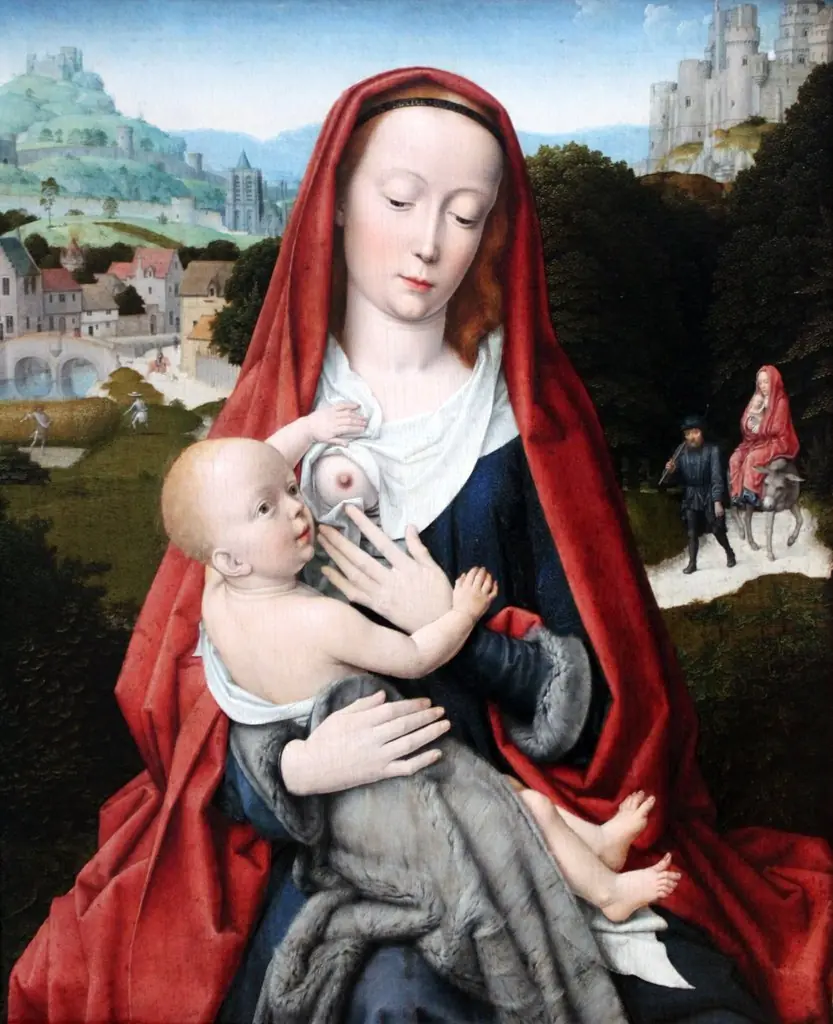 Madonna and Child
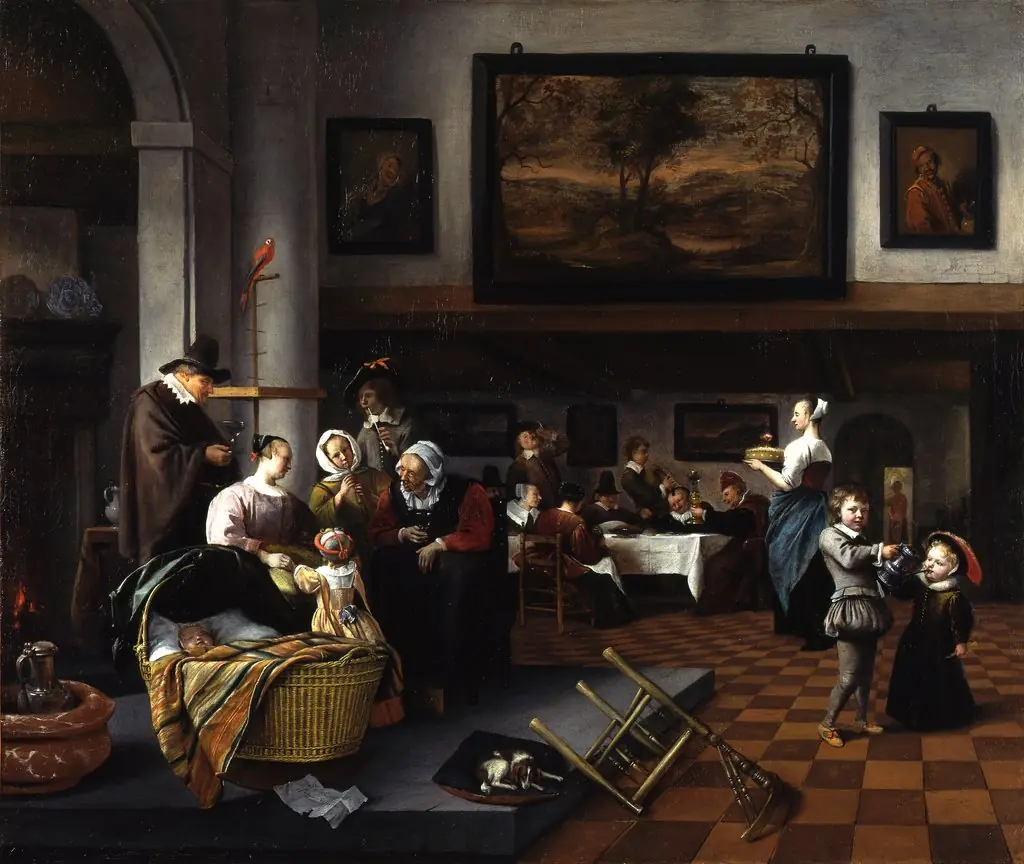 The Christening
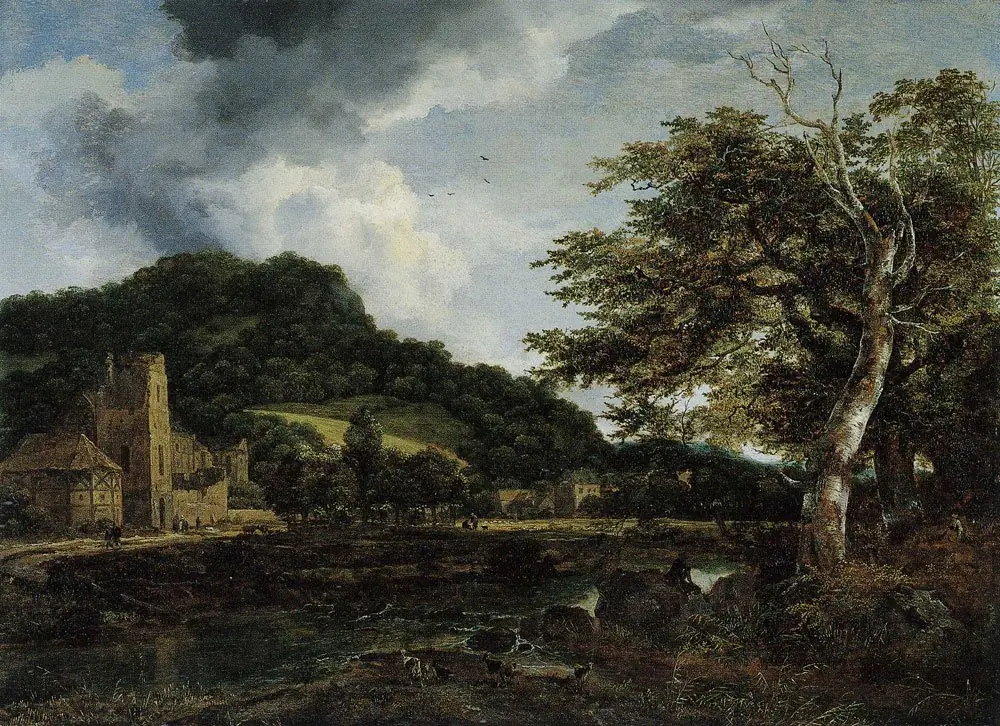 The Cloister
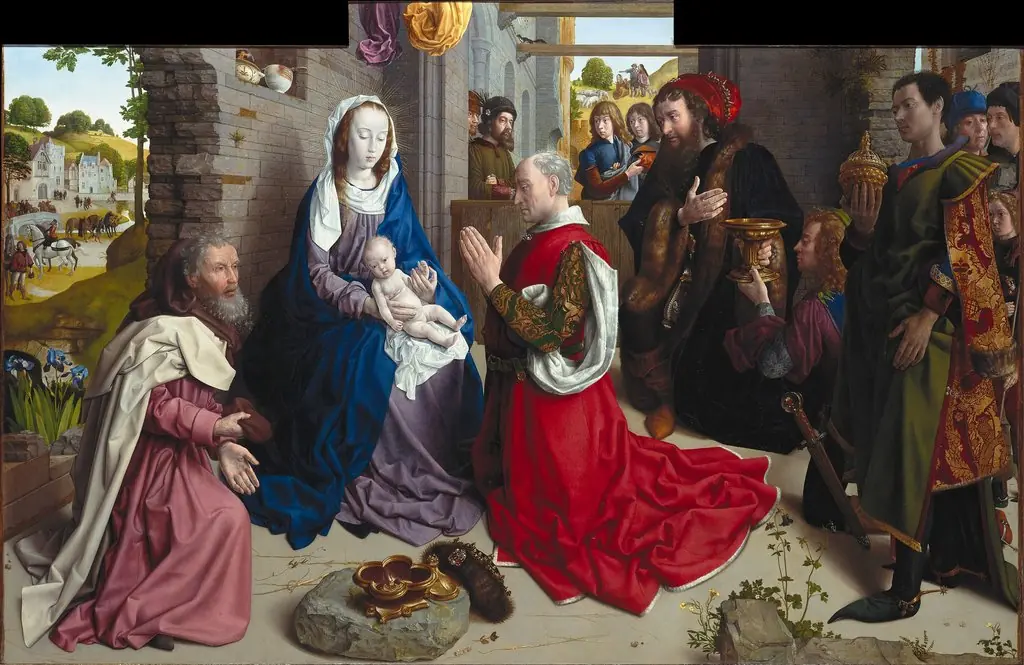 Monforte Altarpiece
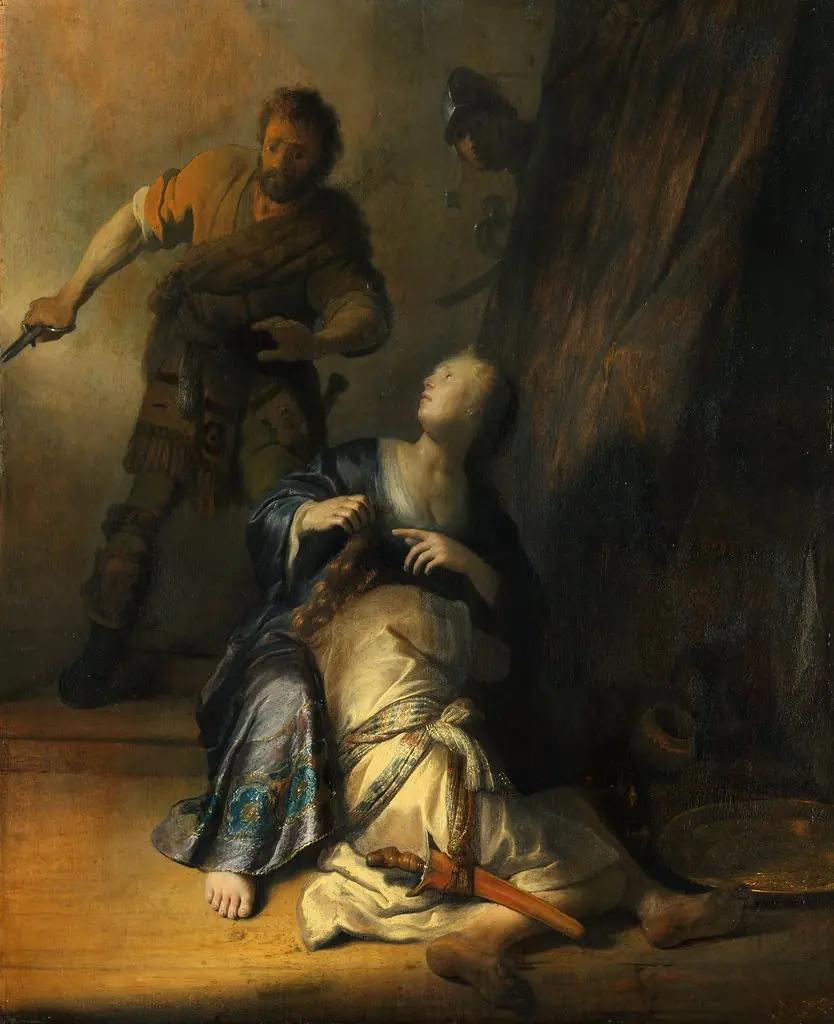 Samson betrayed by Delilah
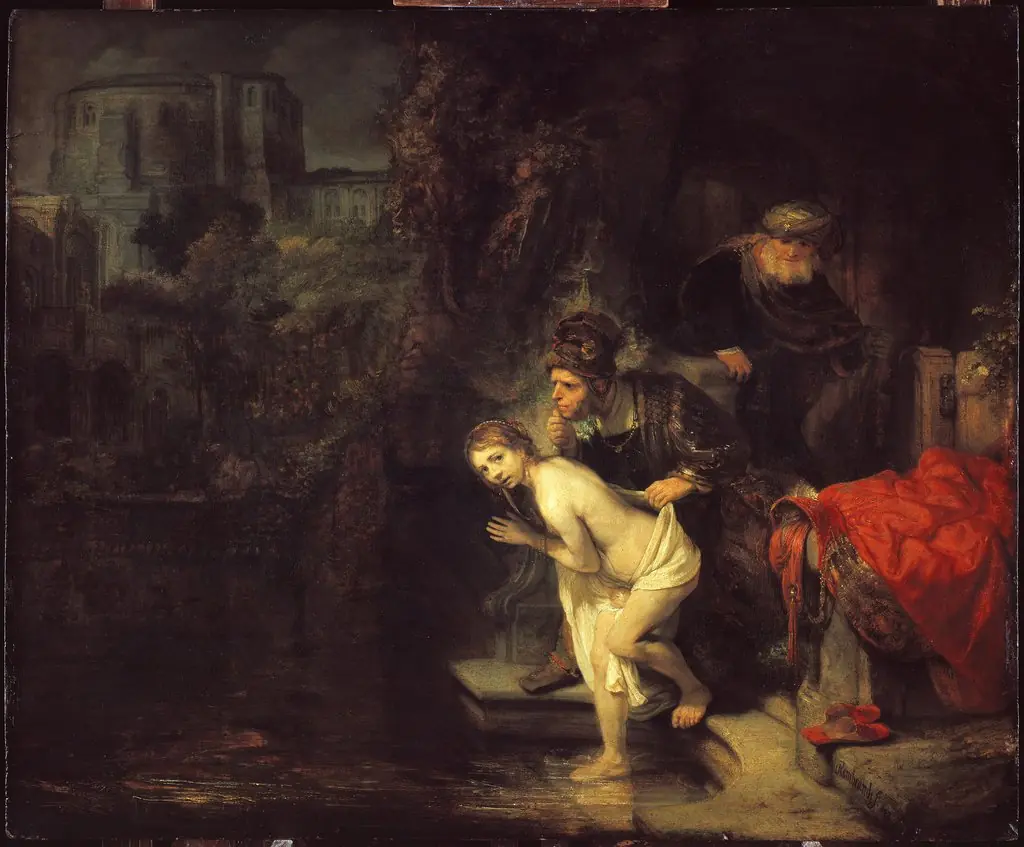 Susanna and the Elders
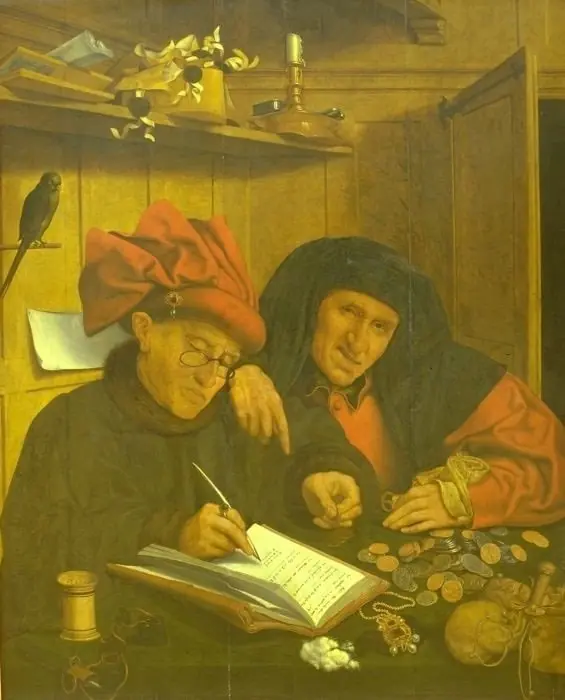 The Two Tax Collectors
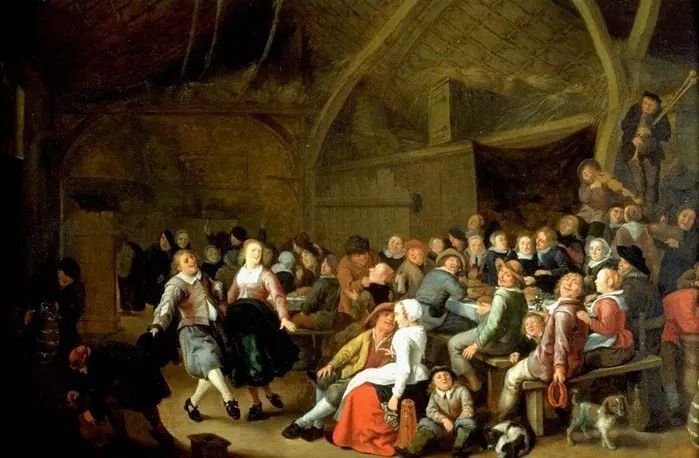 The Village Inn
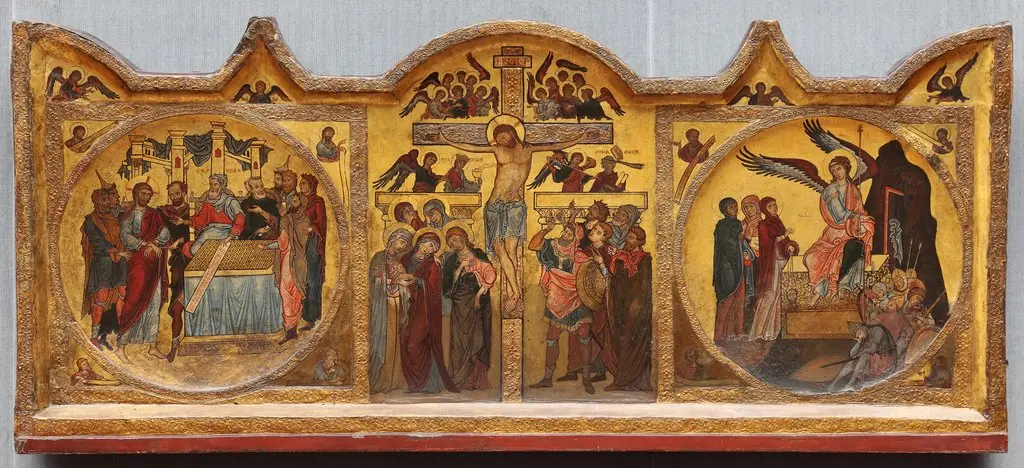 Crucifixion retable from Soest
Plan your visit
Gemäldegalerie Berlin
- Website
- www.smb.museum