Artwork
Portrait of Count Alexander Suvorov
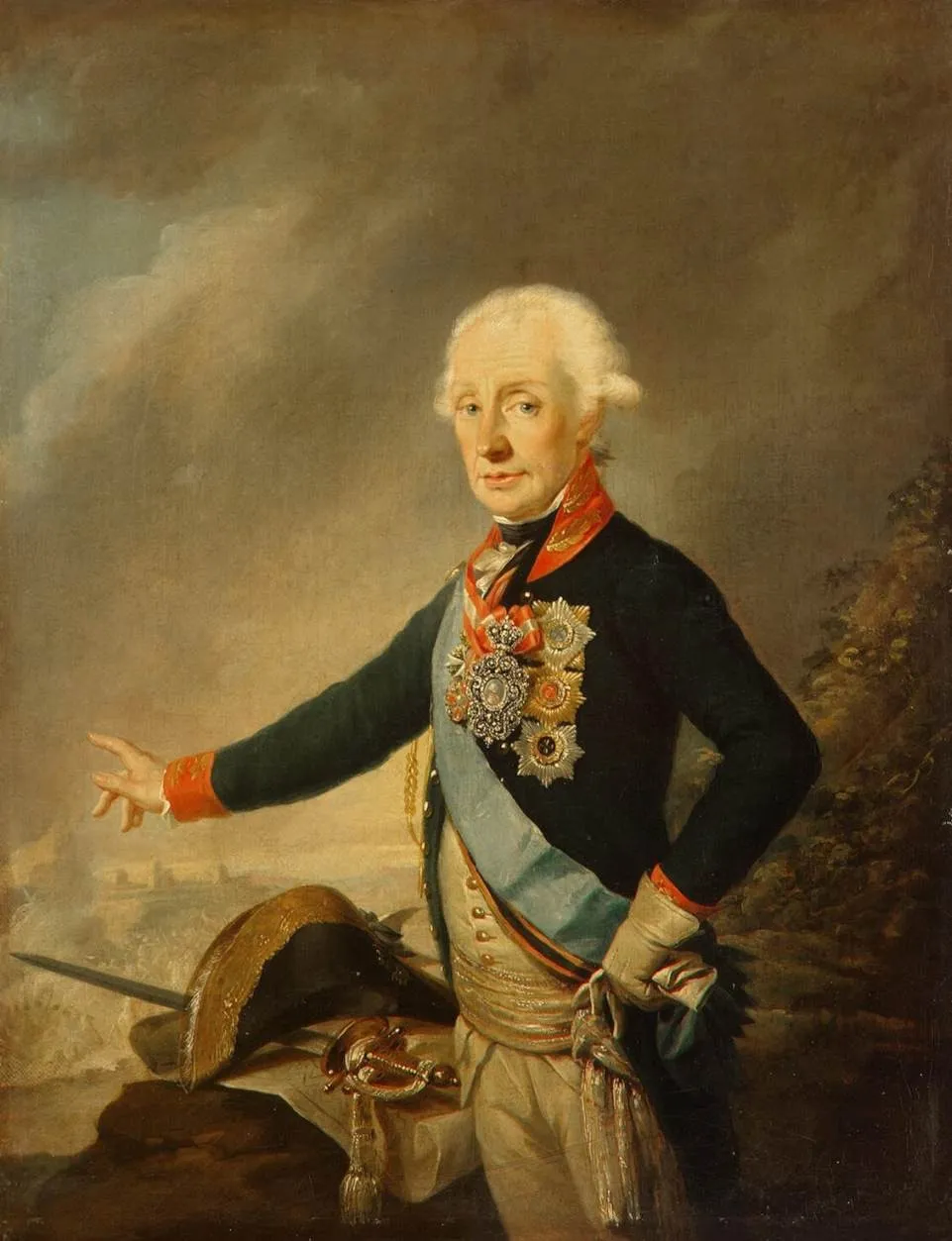
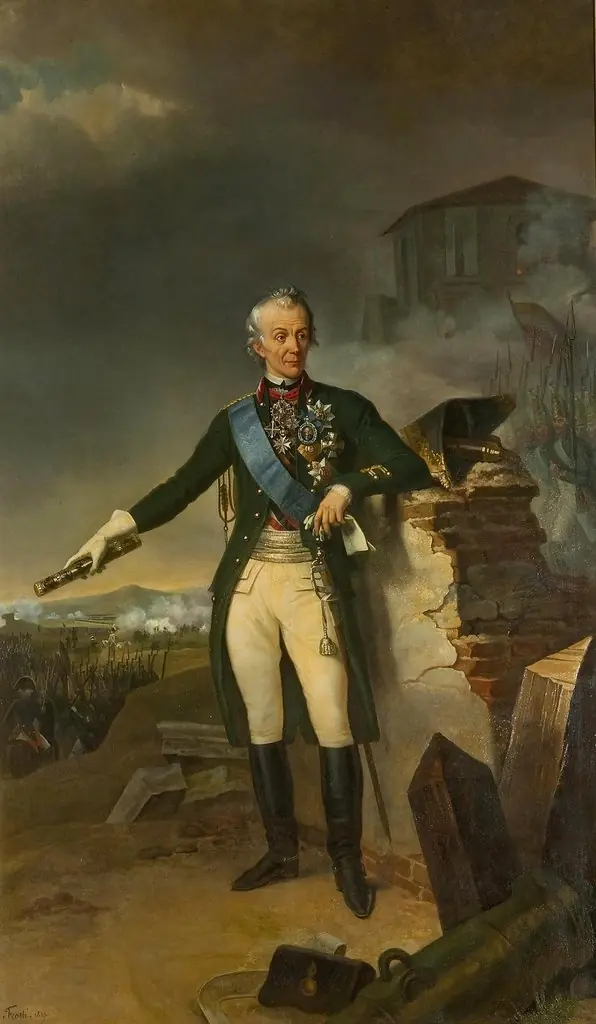
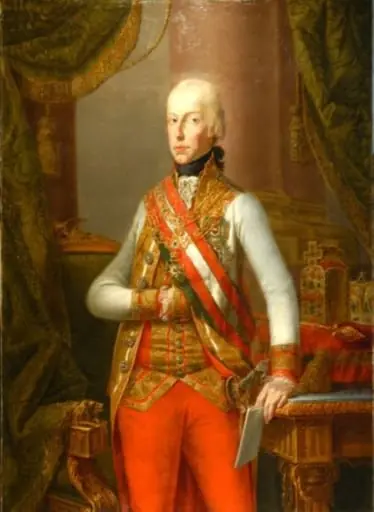
Portrait of Count Alexander Suvorov is an oil painting by the Neoclassicist artist Joseph Kreutzinger. It dates from 1800 and is held in the collection of the Hermitage Museum.
About this work
Overview
The portrait is part of the State Hermitage Museum’s collection, reflecting its historical significance in documenting European military leadership of the era.
Painted in 1800 by Austrian artist Joseph Kreutzinger, this oil portrait captures Russian general Count Alexander Suvorov during his later years. Kreutzinger, then serving as Imperial Royal Court Painter, completed the work in the neoclassical tradition, emphasizing clarity and restrained grandeur. The portrait is part of the State Hermitage Museum’s collection, reflecting its historical significance in documenting European military leadership of the era.
Subject & Meaning
Suvorov, depicted in his sixties, is portrayed with composed authority, one hand extended as if issuing command. His attire—dark military coat with red trim, light blue vest adorned with medals, and white gloves—signals his high rank and decorated service. The sword resting beside him on a stone suggests readiness and legacy, while the muted background focuses attention on his presence, reinforcing his stature as a disciplined and respected commander.
Technique & Style
Kreutzinger employed precise brushwork and a restrained palette to convey texture and form without theatricality. The rendering of metallic medals, fabric folds, and the soft gradation of the sky reflect neoclassical ideals of order and restraint. Lighting is even and naturalistic, avoiding dramatic contrasts, which enhances the portrait’s dignified, unembellished tone. The composition centers the figure against a minimal backdrop, emphasizing psychological presence over environmental narrative.
History & Provenance
Commissioned during a period of close diplomatic ties between Austria and Russia, the portrait was likely intended to honor Suvorov’s military achievements. Kreutzinger, known for his portraits of aristocracy, completed it in Vienna. It entered the Hermitage collection in the early 19th century, possibly through imperial exchange or acquisition, aligning with the Russian court’s practice of collecting portraits of allied leaders.
Context
Created shortly after Suvorov’s retirement and just before his death in 1800, the portrait coincides with the twilight of his public life. European courts were keenly aware of his reputation as a tactician who never lost a battle. Kreutzinger’s depiction aligns with contemporary efforts to visually codify military leadership, blending personal identity with institutional authority in a time of shifting alliances and revolutionary upheaval.
Legacy
The portrait remains a key visual record of Suvorov’s public image, valued for its factual representation rather than idealization. It contributes to the Hermitage’s broader collection of 18th- and early 19th-century military portraiture, offering insight into how leadership was visually constructed across national boundaries. Kreutzinger’s approach influenced later court painters seeking to balance individual character with ceremonial gravitas.
Artist & collection
Artist
Joseph Kreutzinger (10 January 1757 – 14 July 1829) was an Austrian painter and engraver.

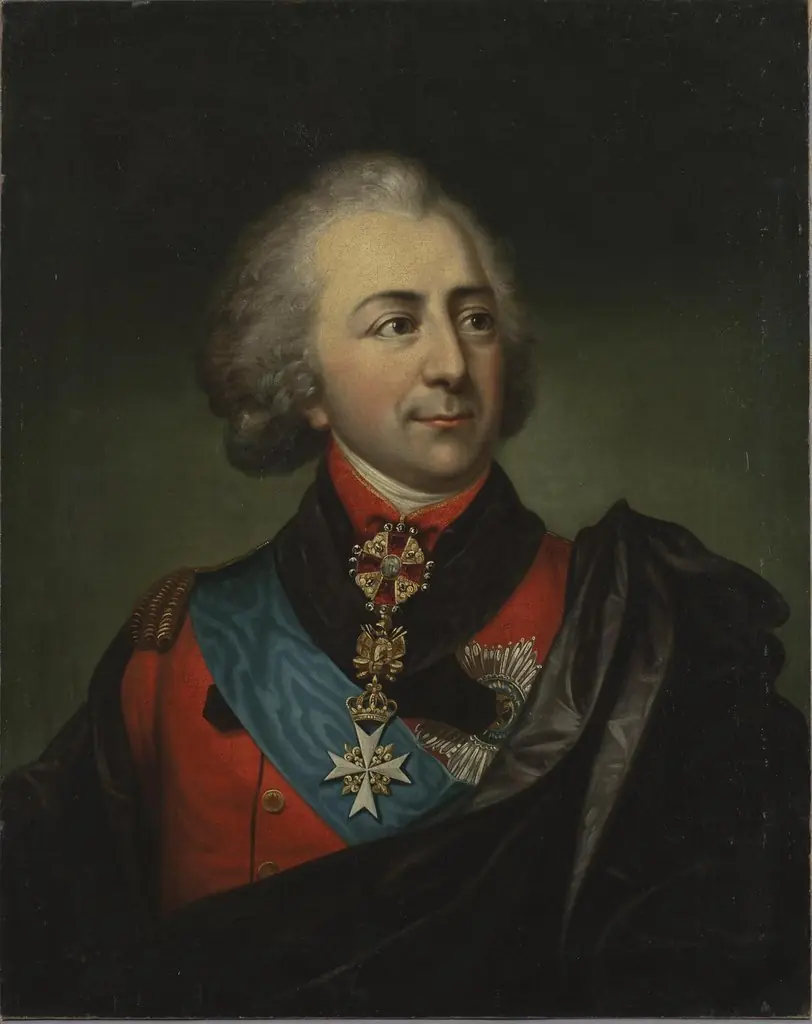 Portrait of Count Ivan Kutaisov
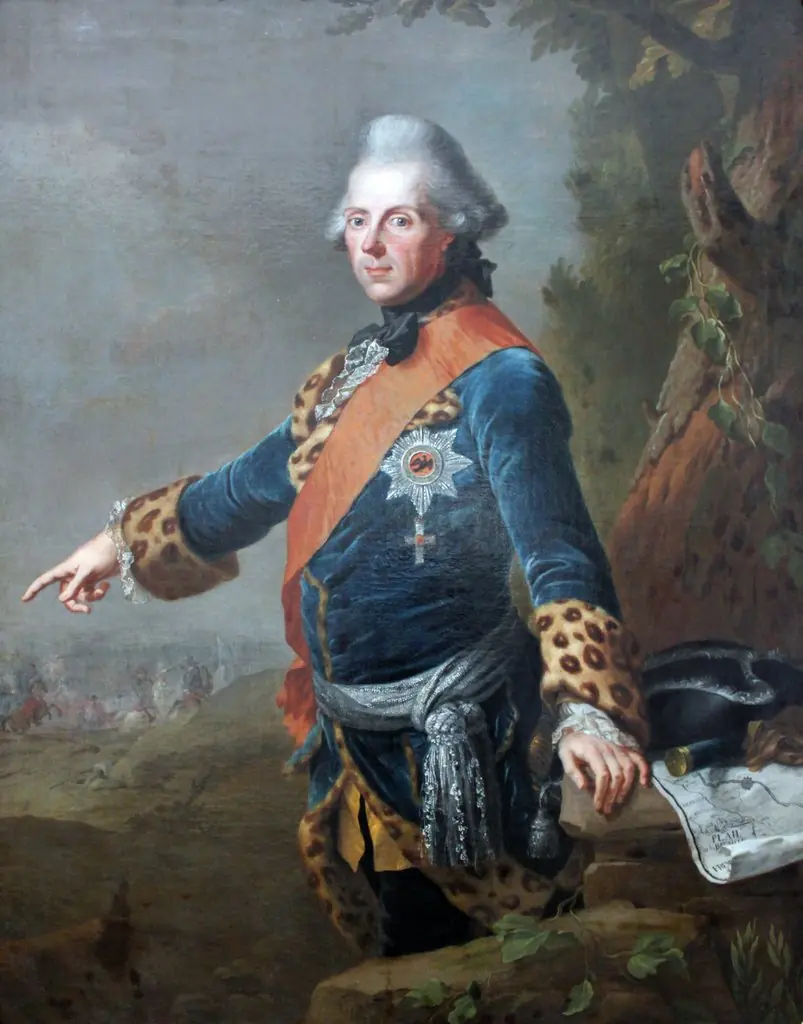 Prince Henry of Prussia (1726-1802)
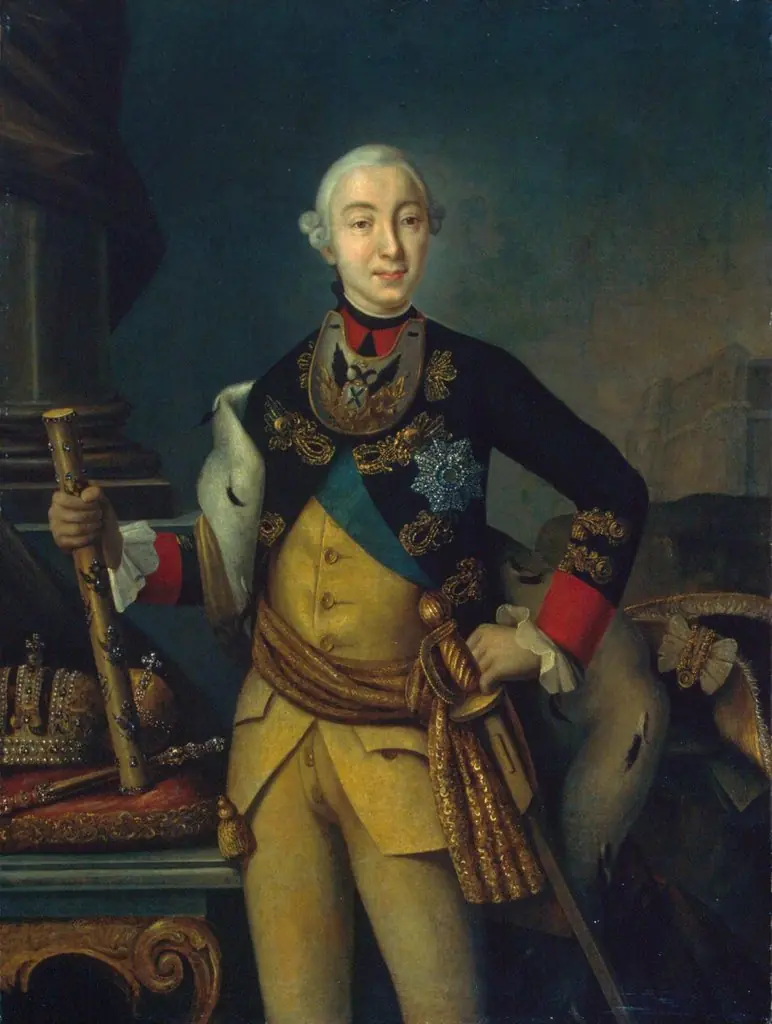 Portrait of Emperor Peter III
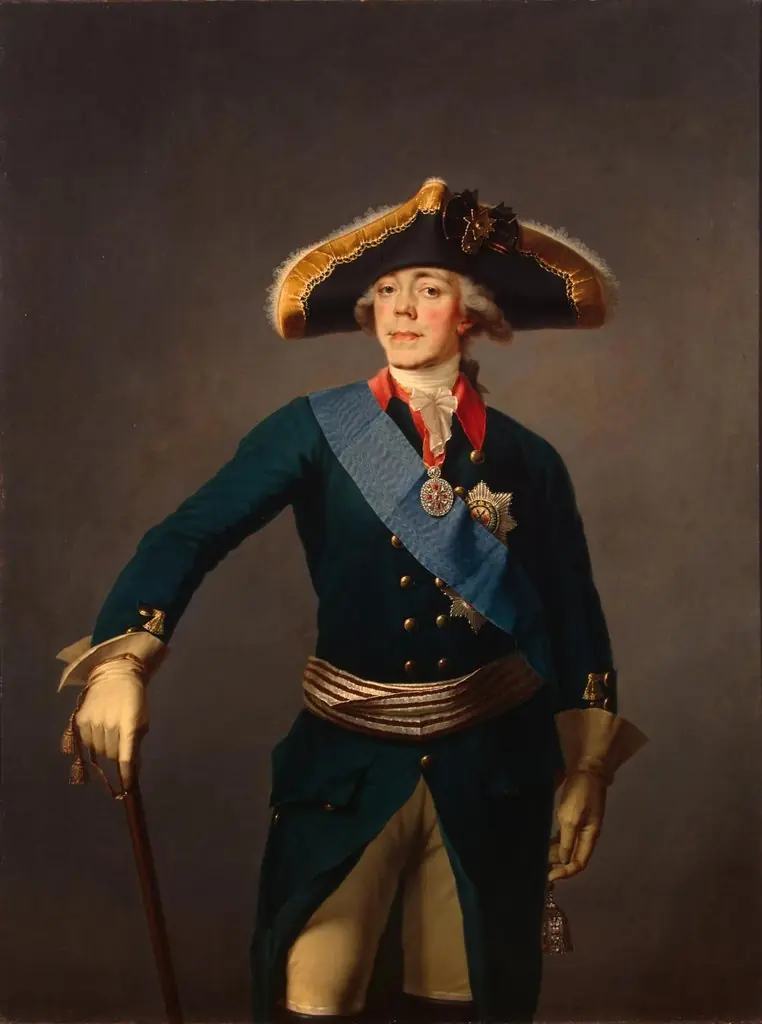 Portrait of Paul I
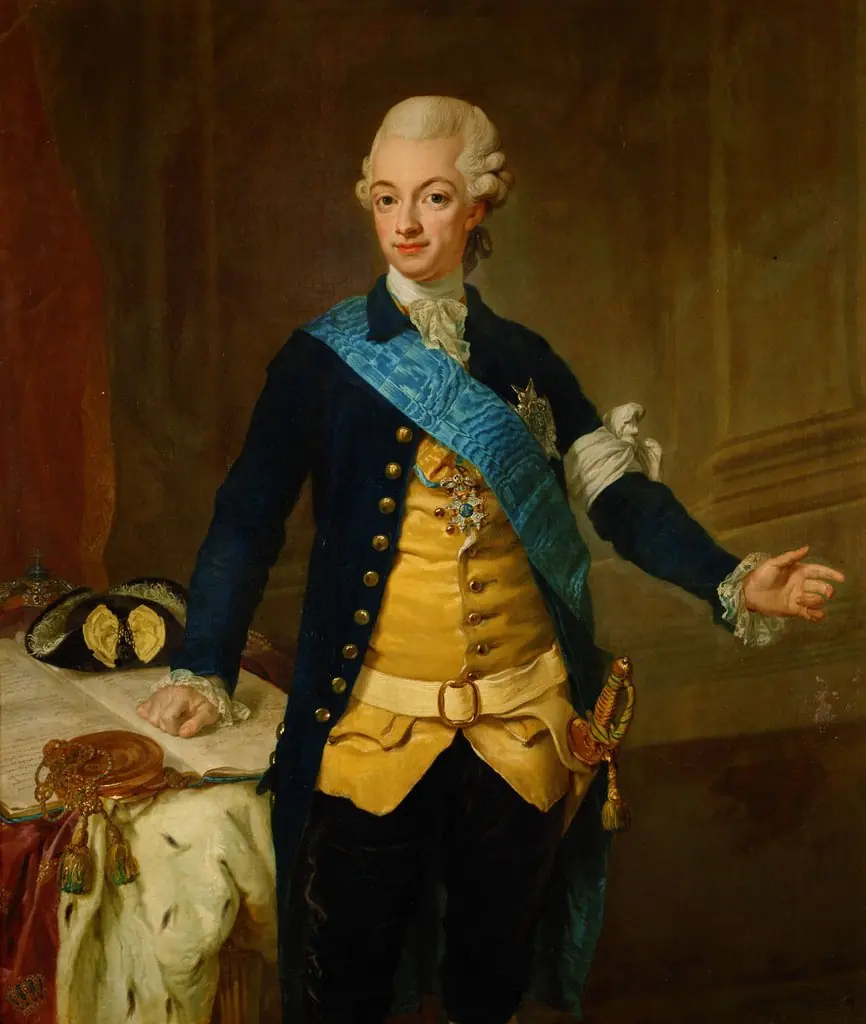 König Gustav III. (1746-1792) von Schweden in Uniform, Kniestück
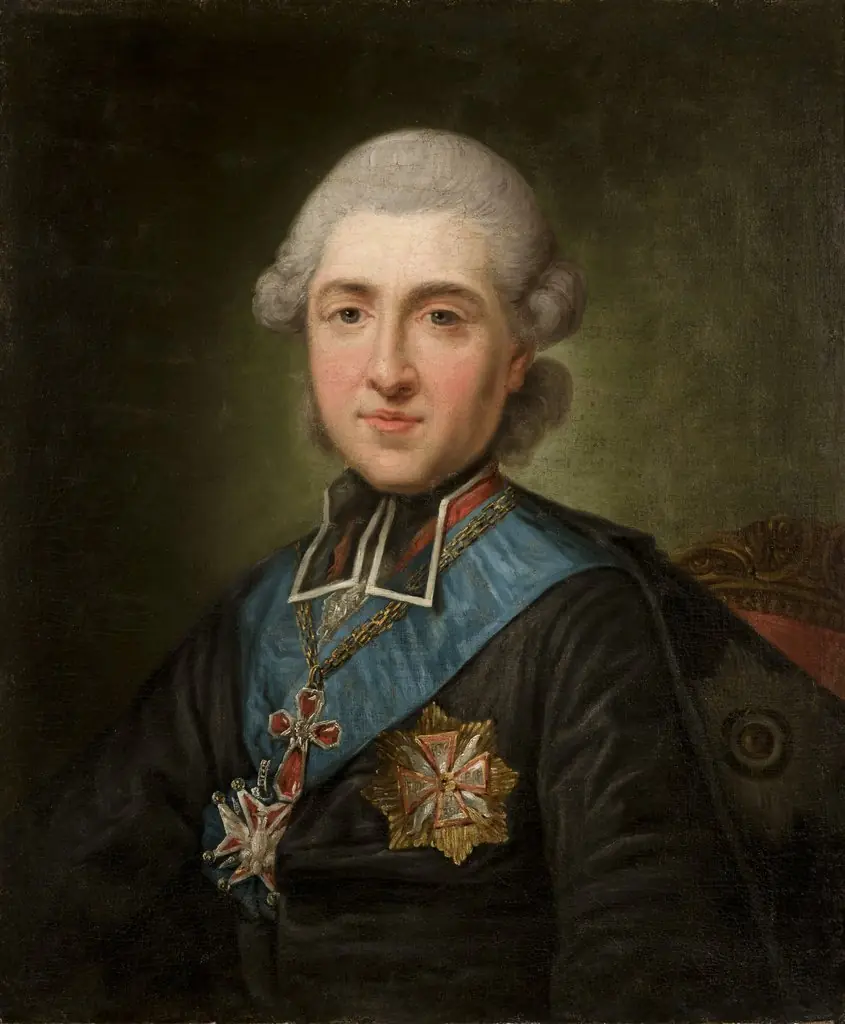 Portrait of Primate Michał Poniatowski
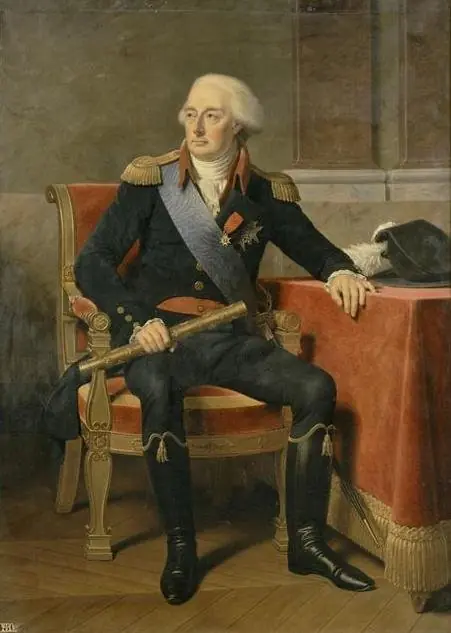 Portrait of Louis Joseph de Bourbon, Prince of Condé (1736-1818)
 Împăratul Iosif al II lea