Artwork
Portrait of a German prince
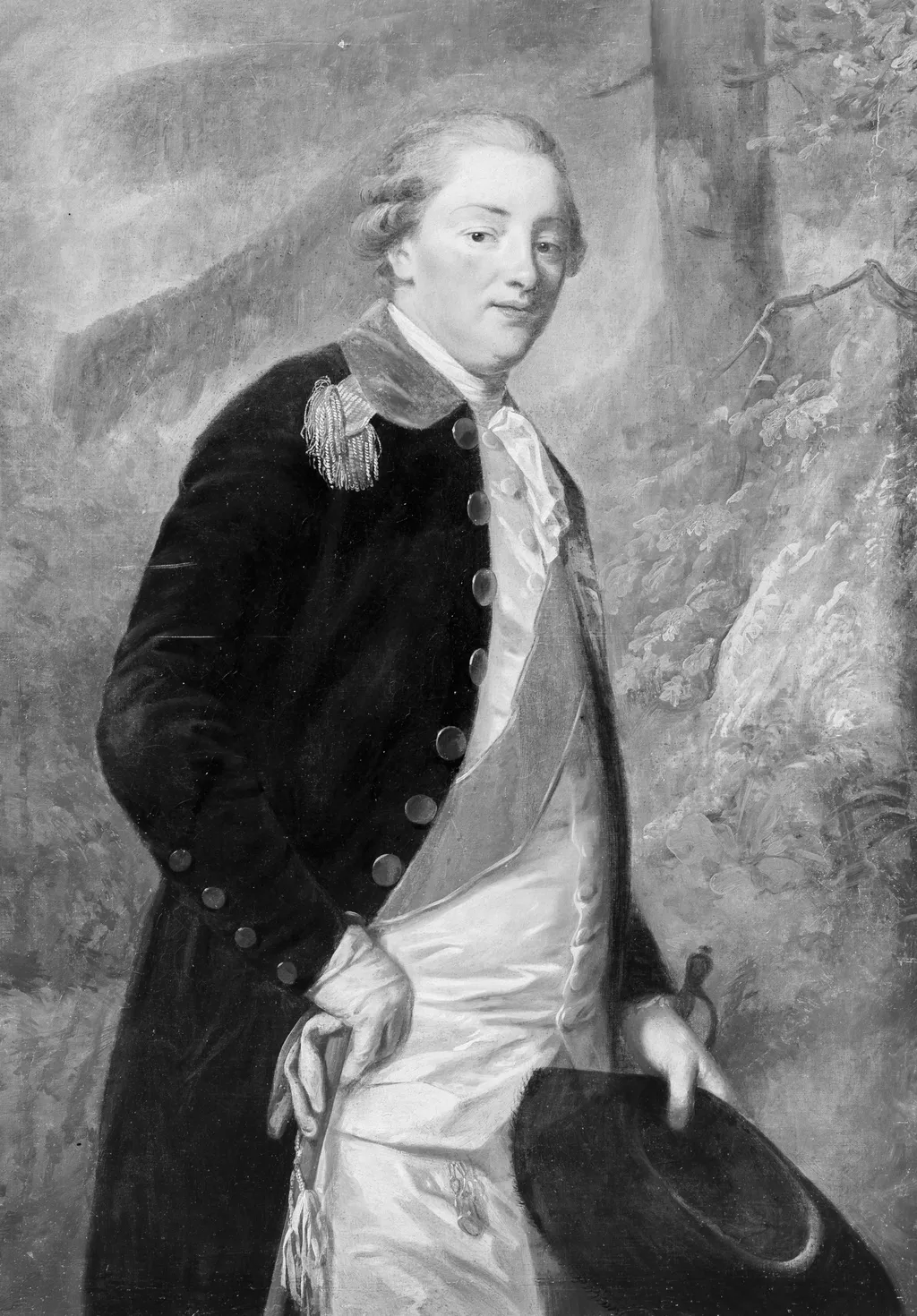
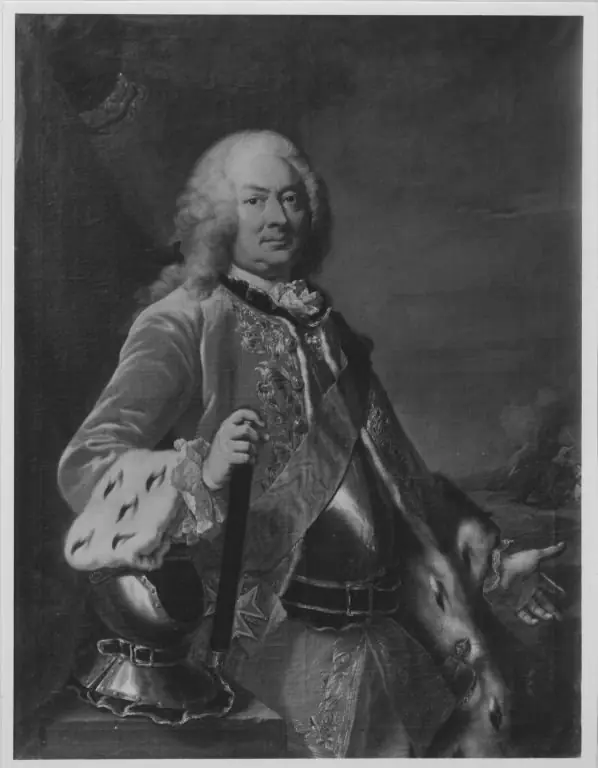
Portrait of a German prince is a paint painting by the Biedermeier artist Johann Friedrich August Tischbein. It dates from 1796 and is held in the collection of the Gemäldegalerie Berlin.
About this work
Overview
The subject’s poised stance and controlled expression reflect the era’s ideals of aristocratic composure, rendered with quiet precision rather than flamboyance.
Painted in 1796 by Johann Friedrich August Tischbein, this portrait captures a German nobleman in formal attire. The work resides in the Gemäldegalerie Berlin, part of a broader tradition of late 18th-century portraiture that emphasized dignity and restraint. The subject’s poised stance and controlled expression reflect the era’s ideals of aristocratic composure, rendered with quiet precision rather than flamboyance.
Subject & Meaning
The sitter, though unidentified by name, is clearly a member of the German nobility, indicated by his tailored dark coat, white sash, and the hat held with deliberate formality. His serious gaze and slightly turned head suggest introspection or solemn authority. The absence of overt symbols of power—no medals, no heraldry—points to a preference for understated status, aligning with Enlightenment-era values of restraint over display.
Technique & Style
Tischbein employs a muted palette dominated by deep browns and grays, with subtle contrasts from the white shirt and sash to draw attention to the figure. Brushwork is refined but not overly polished, allowing texture in the fabric and rock to emerge naturally. The rocky backdrop, partially veiled by sparse foliage, creates depth without distraction, reinforcing the subject’s isolation and gravitas.
History & Provenance
The painting entered the collection of the Gemäldegalerie Berlin in the 19th century, likely through royal or aristocratic acquisition. Its presence in the museum’s holdings reflects its recognized status among German portraiture of the period. No significant alterations or documented restorations are recorded, suggesting it has been preserved in its original state since completion.
Context
Created during the twilight of the ancien régime, the portrait reflects a transitional moment in European aristocratic representation. While still rooted in Baroque formality, it anticipates the more naturalistic, psychologically nuanced approaches of early Romanticism. Tischbein’s style, influenced by both French and English portraiture, bridges these traditions without overtly aligning with either.
Legacy
Though not widely exhibited outside Germany, the portrait remains a representative example of late 18th-century German noble portraiture. It contributes to scholarly understanding of how aristocratic identity was visually constructed during a period of political upheaval, offering insight into the quiet endurance of tradition amid changing social orders.
Artist & collection

Artist
Johann Friedrich August Tischbein
Johann Friedrich August Tischbein, known as the Leipziger Tischbein was a German portrait painter from the Tischbein family of artists.

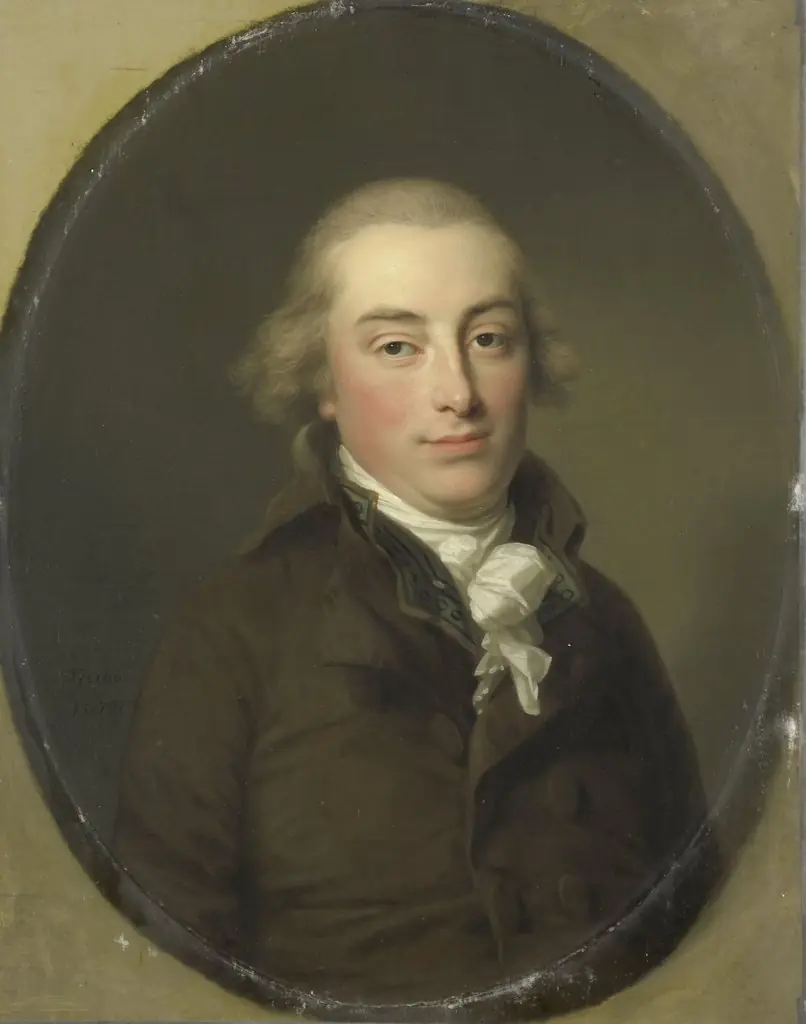 Portrait of Salomon Rendorp, Brewer in Amsterdam
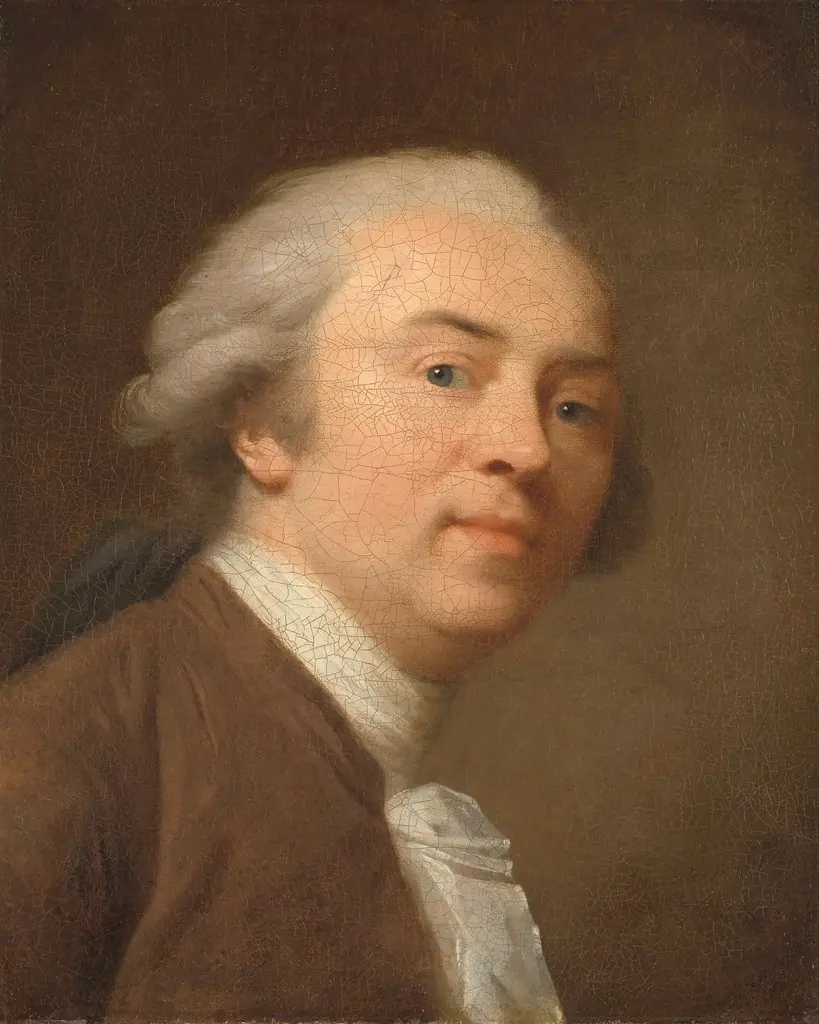 Self-portrait
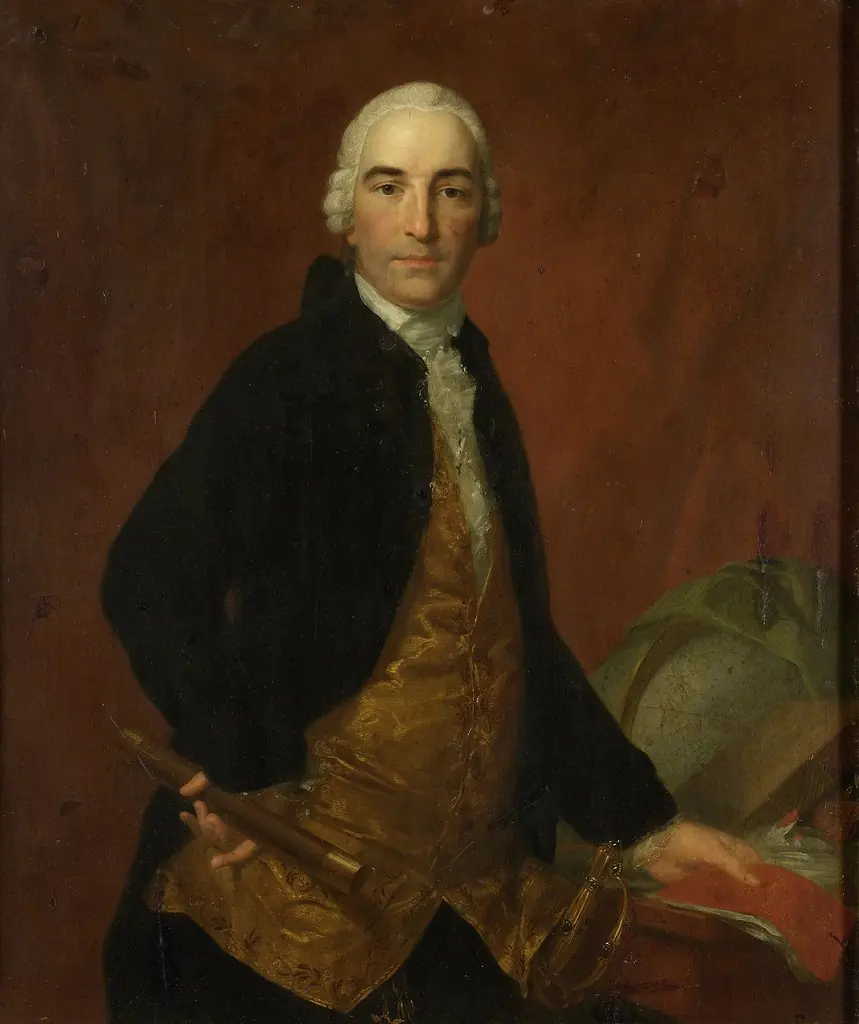 Portrait of Willem Arnold Alting, Governor-General of the Dutch East India Company
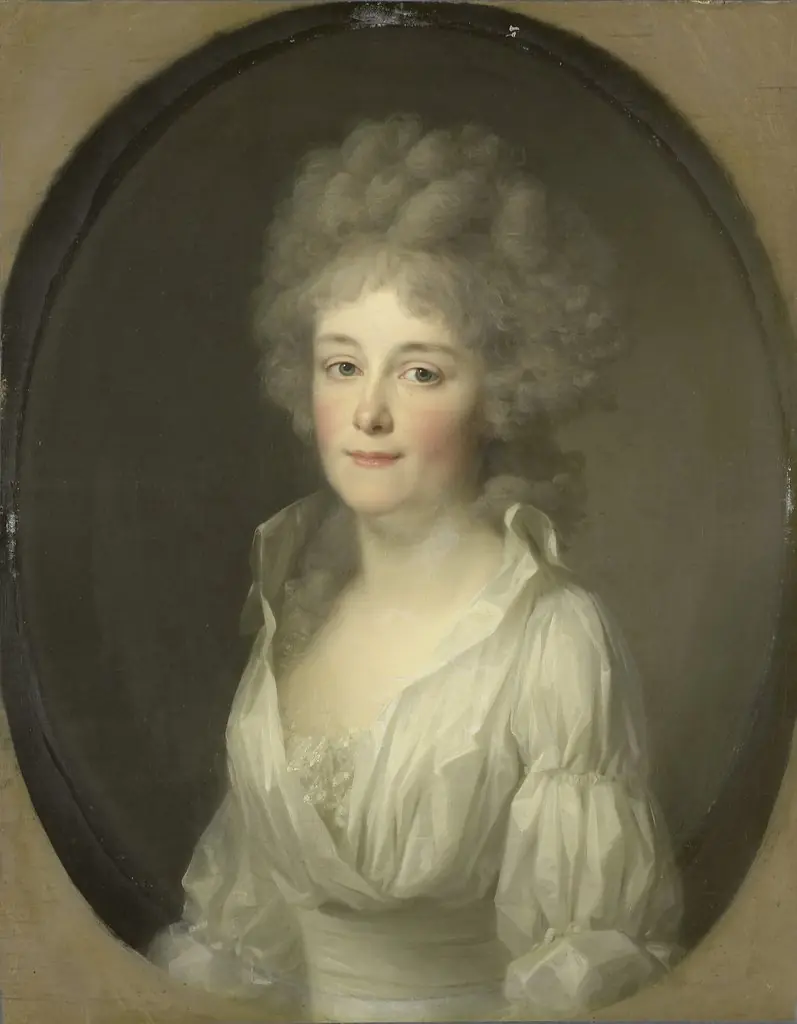 Portrait of Johanna Ferdinanda van Collen, Wife of Salomon Rendorp
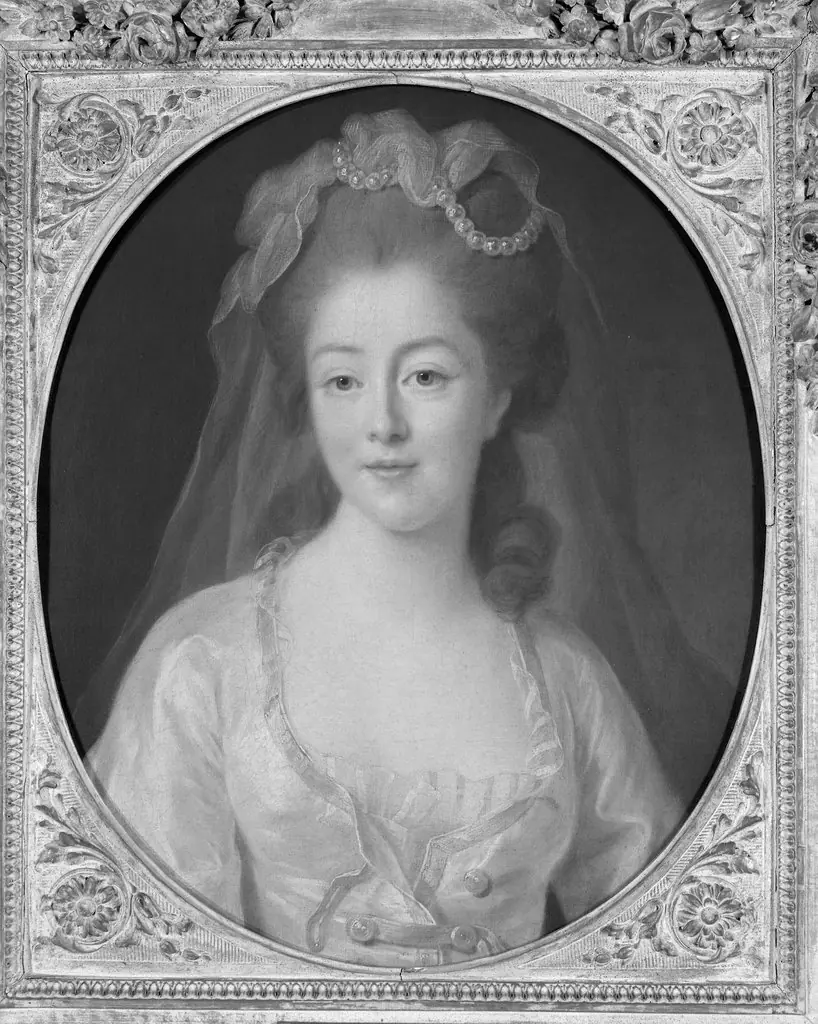 A Lady
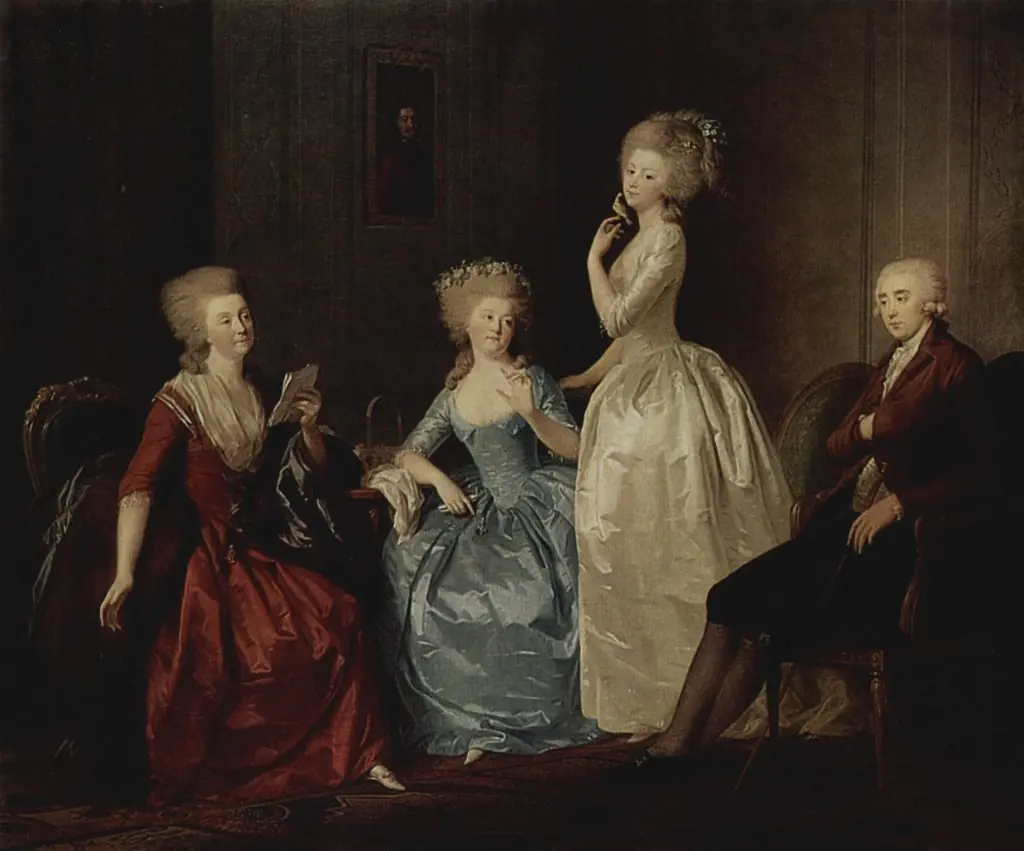 Portrait of the Saltykov Family
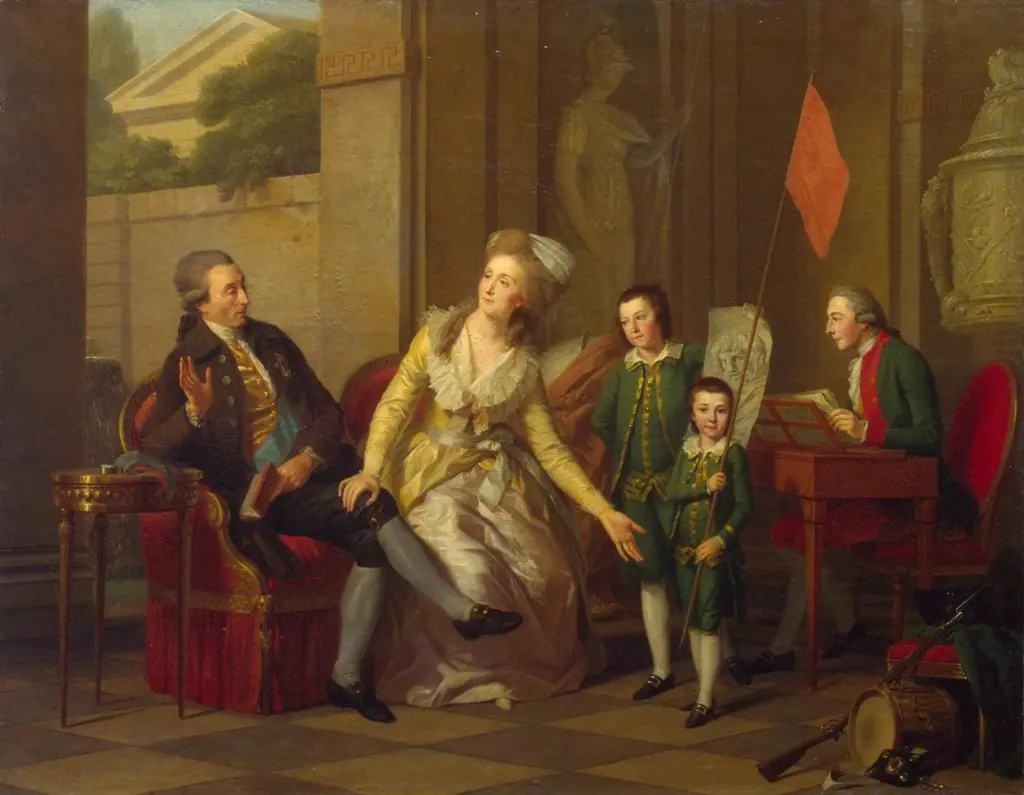 Portrait of the Saltykov Family
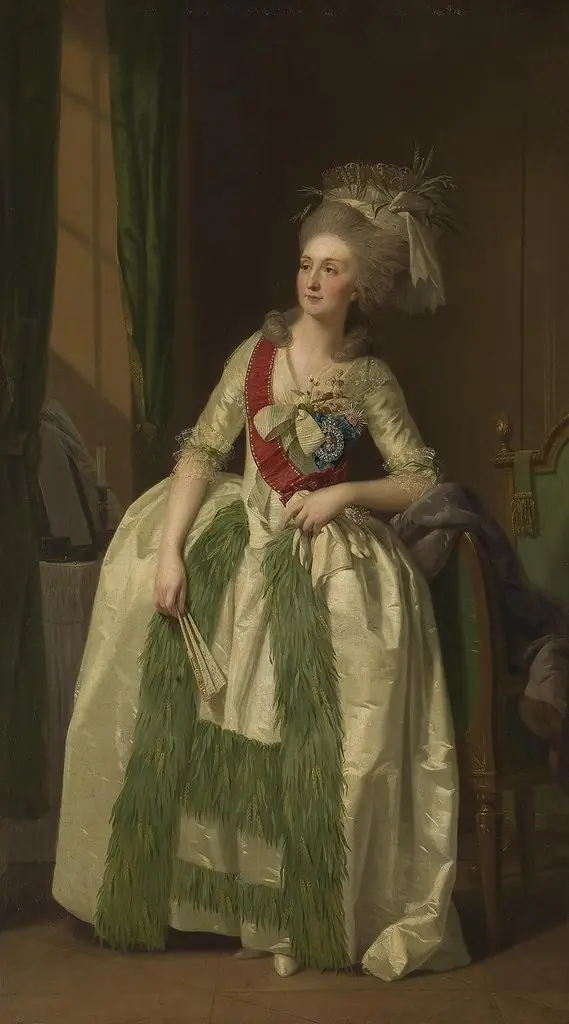 Portrait of N.V. Saltykova
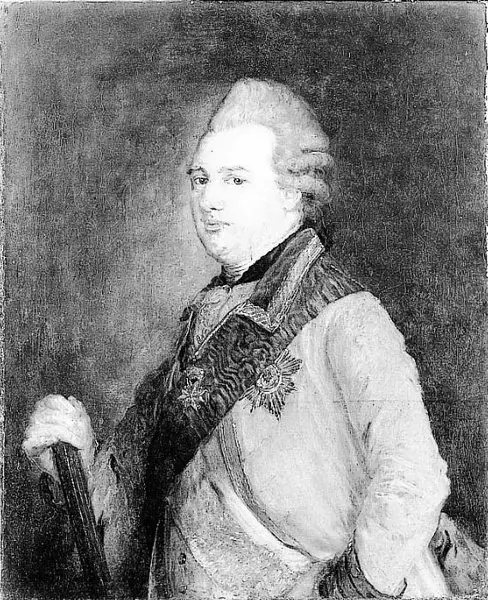 Carl Landgraf von Hessen-Kassel
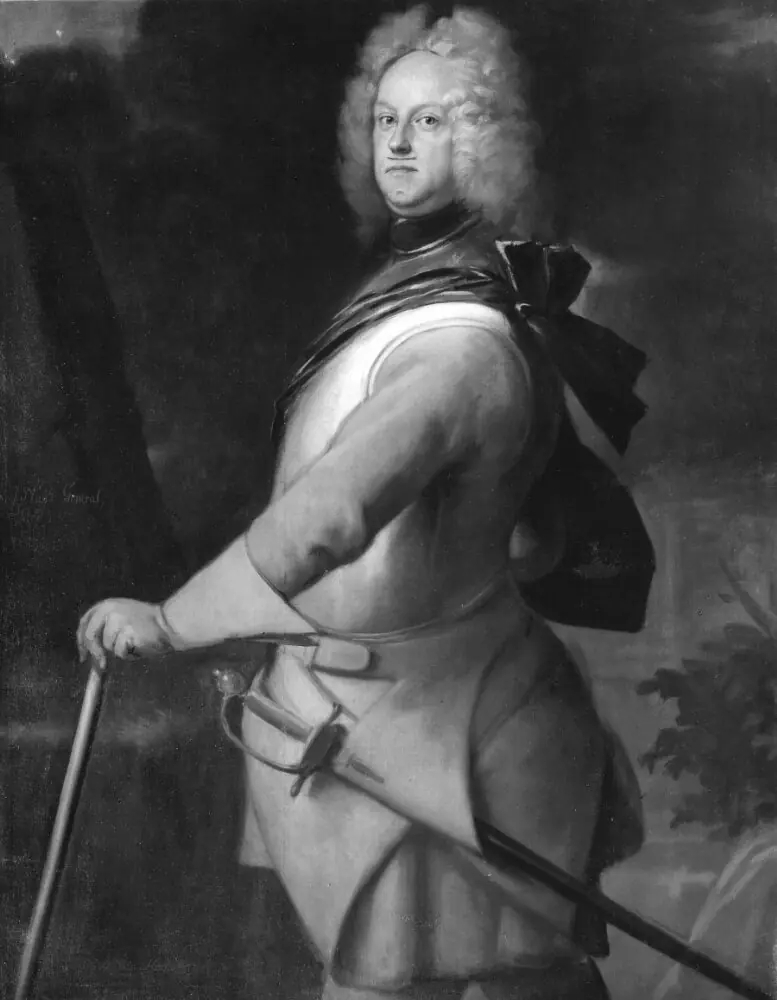 Carl Gustaf Hård (1674-1744), greve, riksråd, general
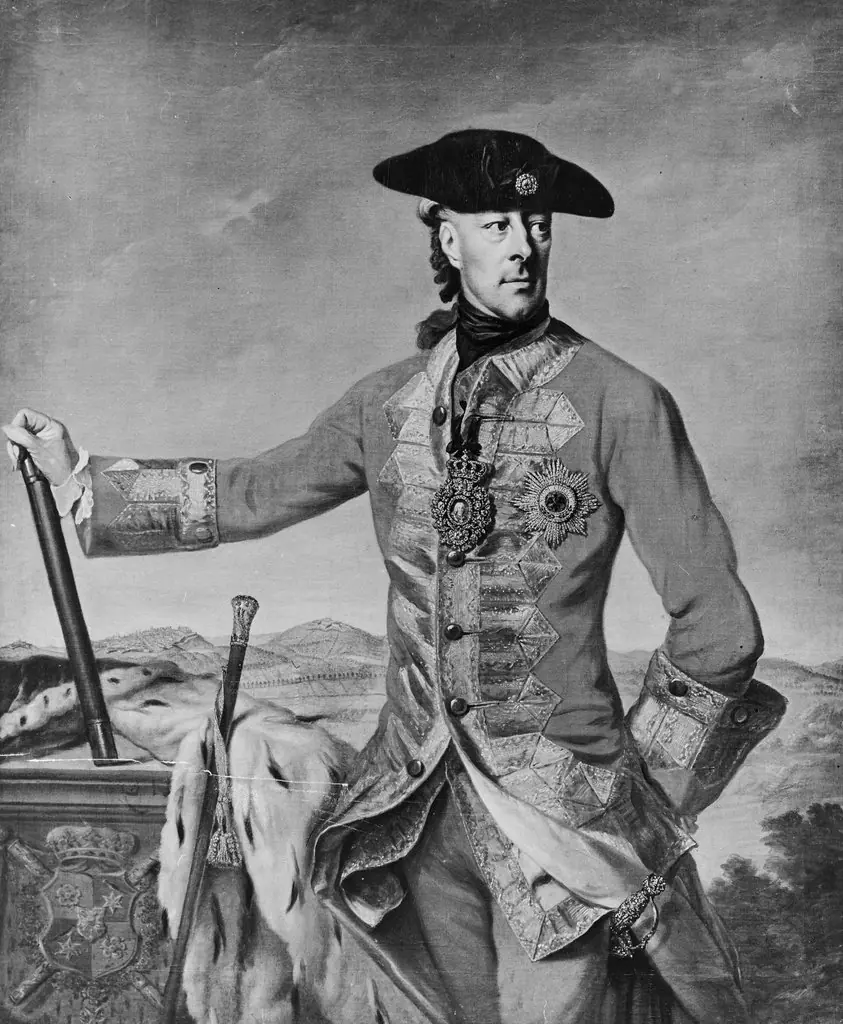 Portrait of Count Wilhelm Friedrich Ernst zu Schaumburg-Lippe
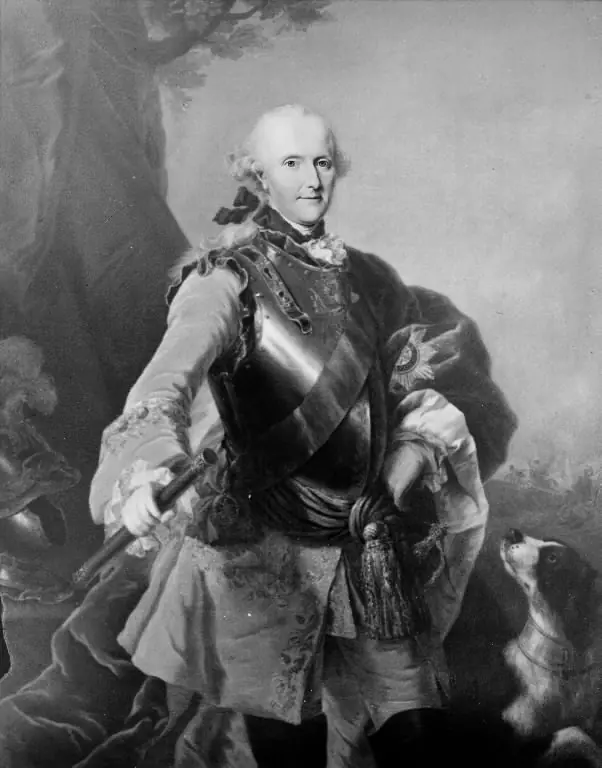 Portrait of Ferdinand of Brunswick
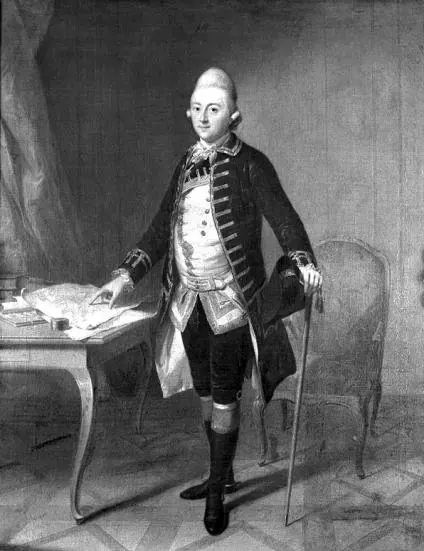 Major General Christopher Nugent (d.1742)
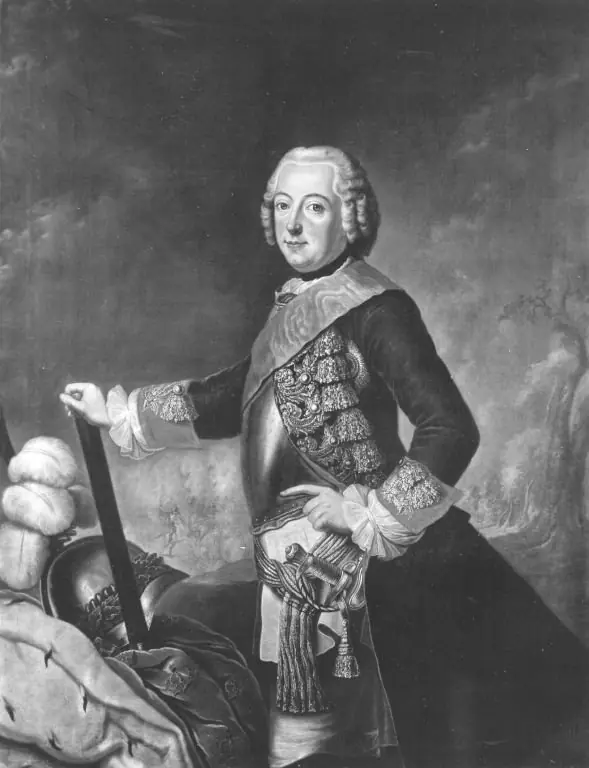 Friedrich II. der Große
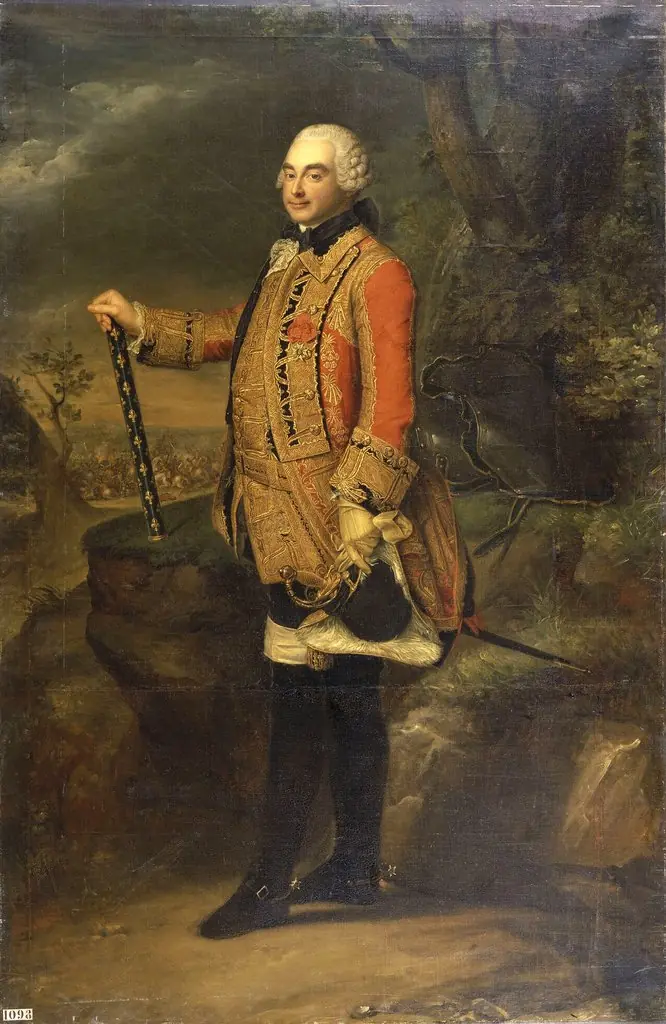 Portrait of Charles de Rohan, Prince of Soubise
 Landgraf Wilhelm VIII. von Hessen-Kassel