Artwork
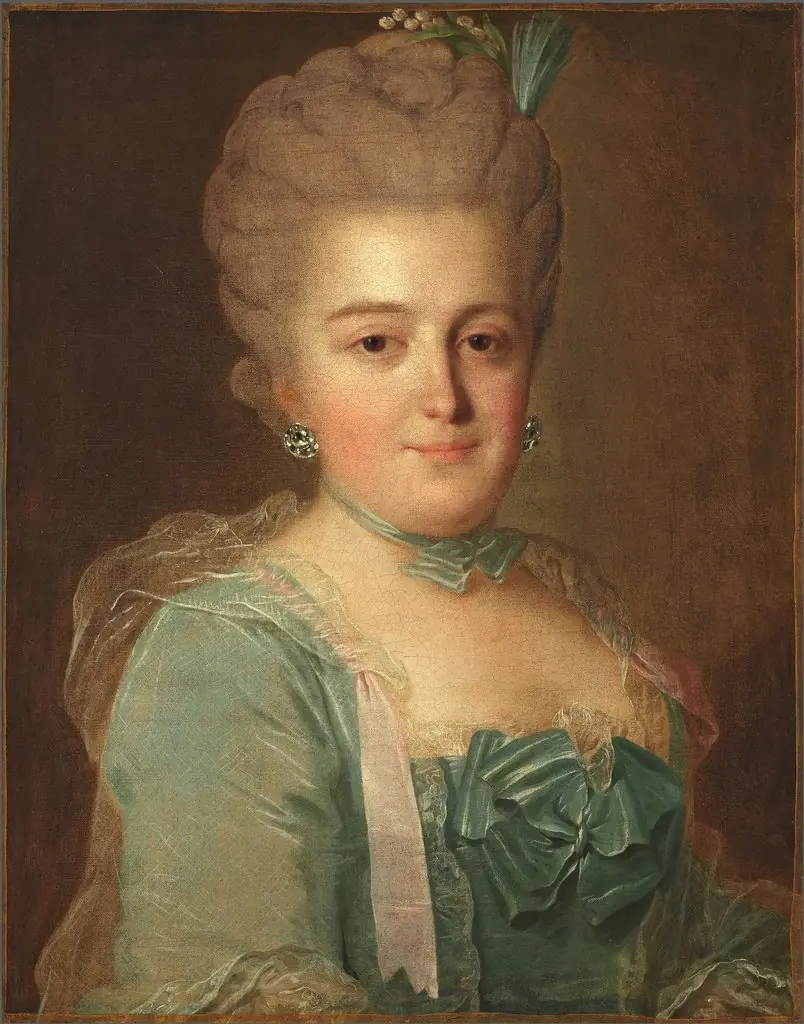
Portrait of an unknown woman in a Blue Dress with Yellow Trimmings
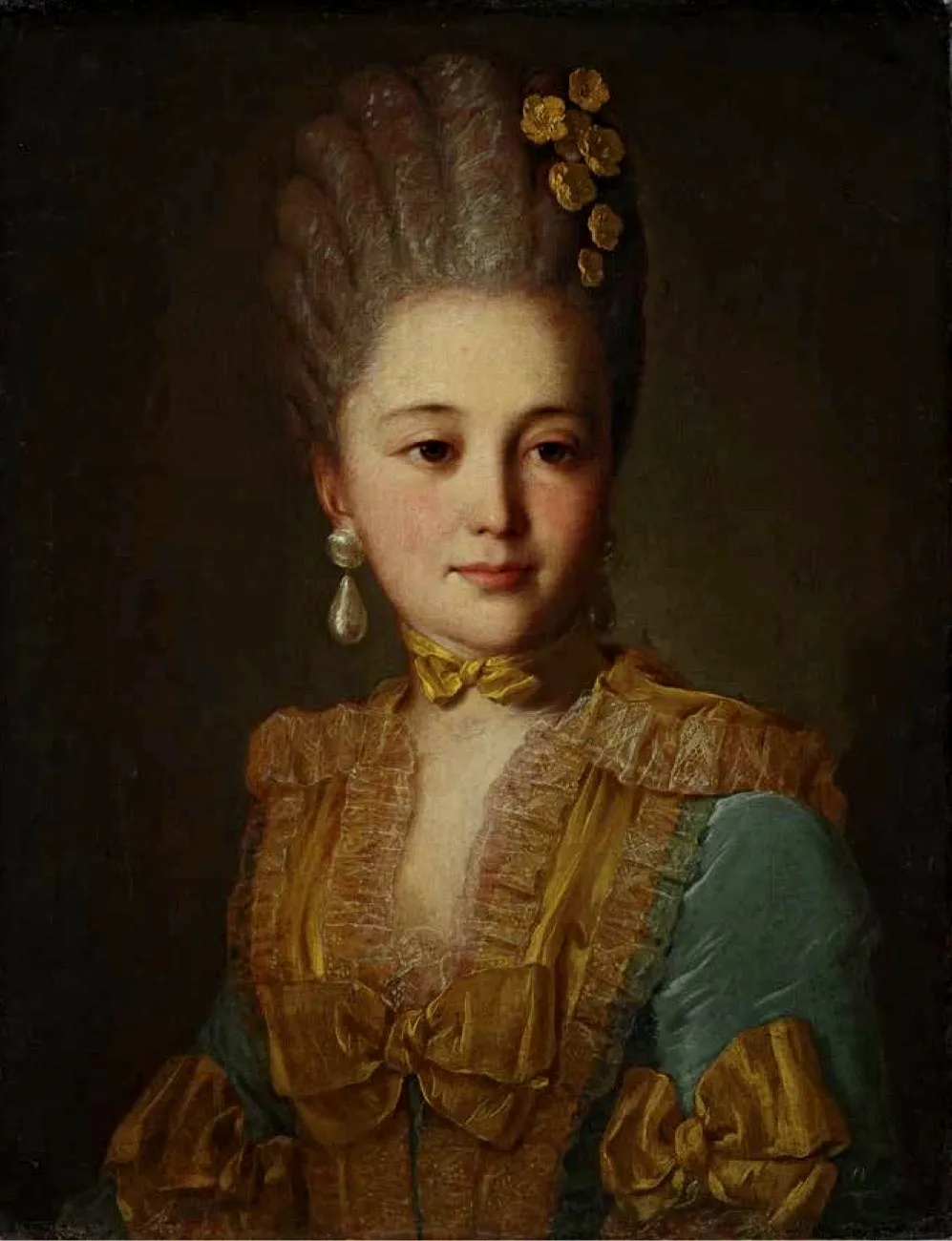
Portrait of an unknown woman in a Blue Dress with Yellow Trimmings is an oil painting by the Rococo painting artist Fyodor Rokotov. It dates from 1760 and is held in the collection of the Tretyakov Gallery.
About this work
Overview
Painted in 1760 by Fyodor Rokotov, this oil portrait captures an unidentified woman dressed in a blue gown with yellow decorative trim.
Painted in 1760 by Fyodor Rokotov, this oil portrait captures an unidentified woman dressed in a blue gown with yellow decorative trim. Rokotov, who had recently gained his freedom from serfdom, was emerging as a sought-after portraitist in Moscow. The work reflects his growing technical confidence and his ability to convey quiet dignity through subtle observation. It is now part of the Tretyakov Gallery’s permanent collection.
Subject & Meaning
The sitter’s identity remains unknown, but her refined attire and composed demeanor suggest she belonged to the Russian gentry. Her neutral gaze and unadorned expression convey introspection rather than theatricality, distinguishing the portrait from more flamboyant aristocratic depictions of the era. The inclusion of pearls and floral hair装饰 hints at personal taste and social standing, yet the focus remains on her presence rather than narrative.
Technique & Style
Rokotov employed delicate brushwork to render the textures of silk, lace, and pearls with precision. The dark, unmodeled background isolates the figure, heightening the luminosity of her dress and the softness of her skin. His handling of light, particularly on the yellow trim and hair ornaments, reveals a sensitivity to tonal gradation influenced by Rococo aesthetics, though without excessive ornamentation.
History & Provenance
Created shortly after Rokotov secured his freedom, the painting emerged during a period of rapid professional ascent. He was admitted to the Saint Petersburg Academy of Arts in 1765, partly due to works like this. The portrait remained in private Russian collections before entering the Tretyakov Gallery, where it has been preserved as a representative example of mid-18th-century Russian portraiture.
Context
In 1760s Russia, portraiture was becoming a vehicle for expressing individual identity among the non-noble elite. Rokotov’s work stood apart from formal imperial commissions by focusing on intimate, psychologically nuanced depictions. His style bridged Western European Rococo influences with a distinctly Russian restraint, reflecting broader cultural shifts toward personal expression in art.
Legacy
Rokotov’s portraits, including this one, helped redefine Russian portraiture by emphasizing emotional subtlety over ceremonial grandeur. Though less known internationally, his influence endured among Russian artists who valued psychological depth. The painting remains a key example of how art from marginalized backgrounds contributed to national artistic development in the 18th century.
Artist & collection
Artist
Fyodor Stepanovich Rokotov (Fedor Rokotov) (Russian: Фёдор Степа́нович Ро́котов; 1736 – December 24, 1808) was a Russian painter who specialized in portraits.

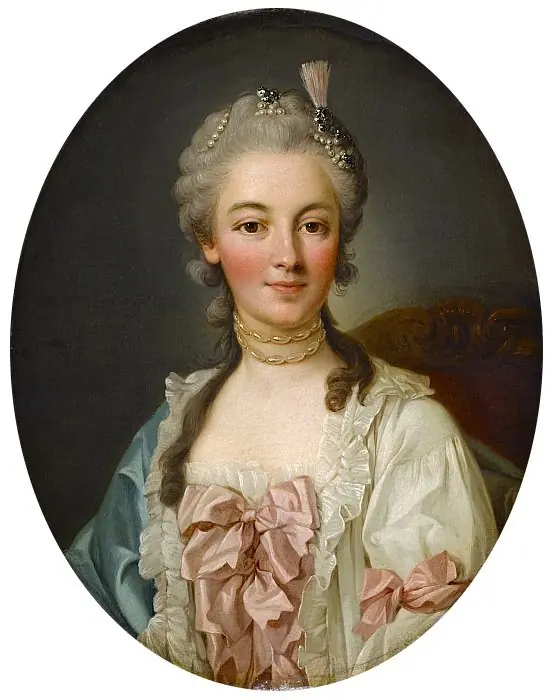 Countess Teresa Kinska Poniatowska
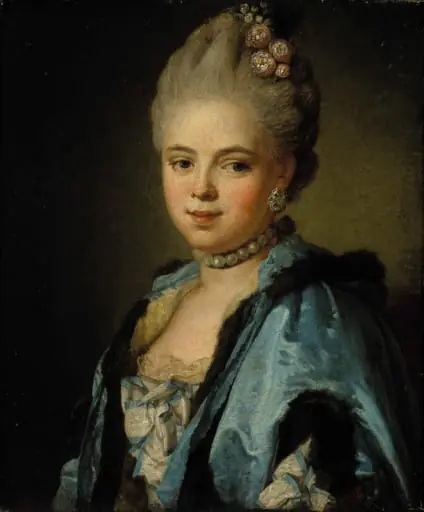 Naisen muotokuva
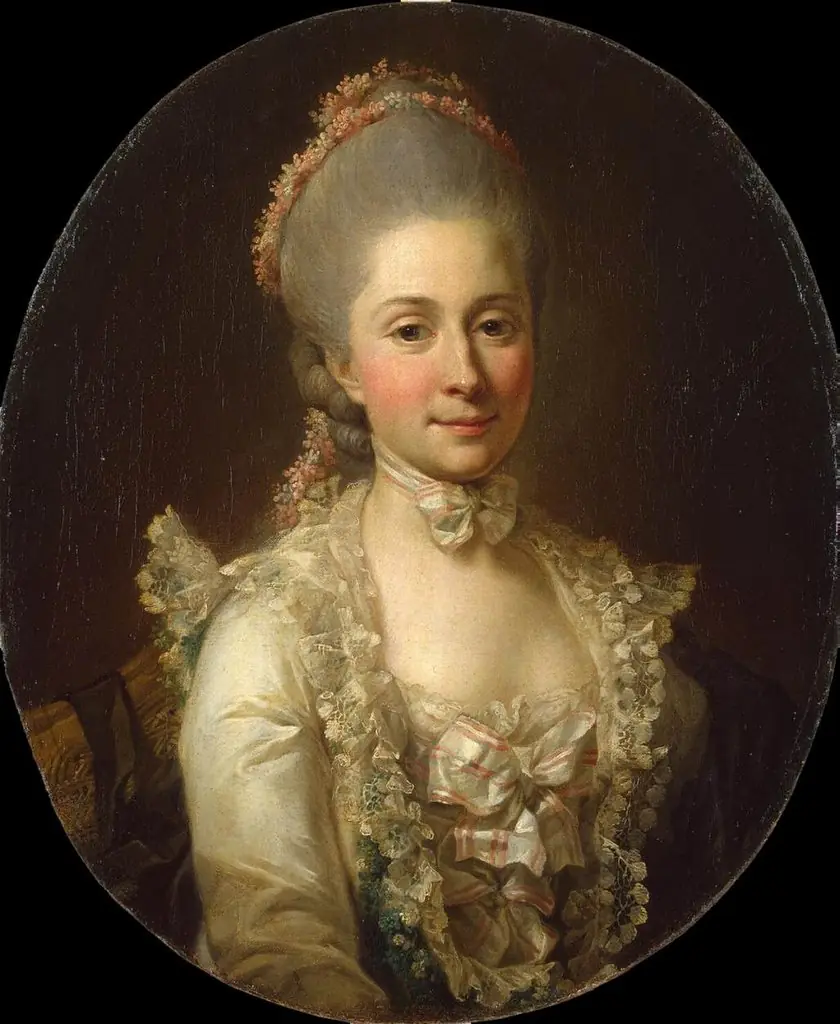 Portrait of a Woman
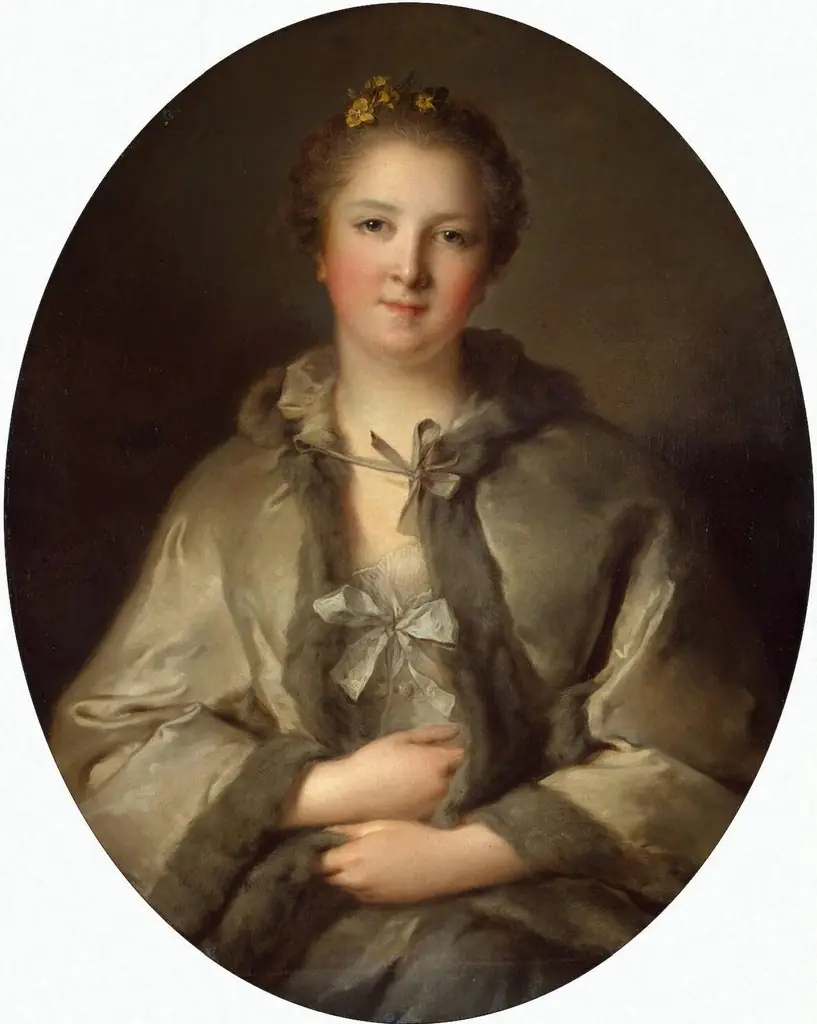 Portrait of a Woman in Grey
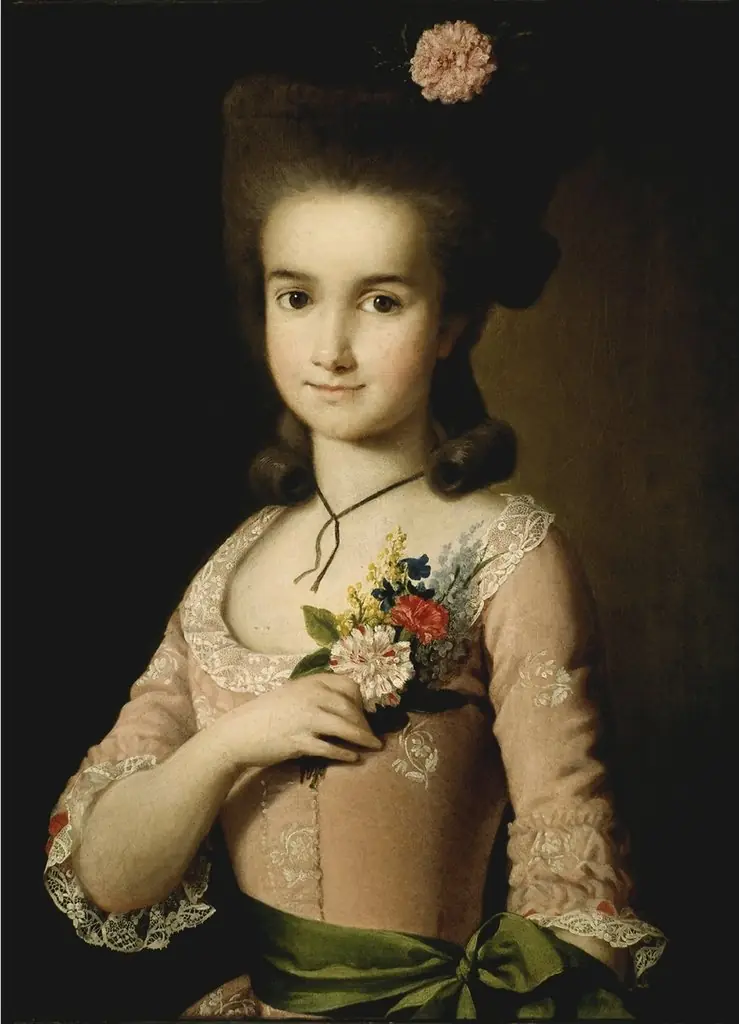 Portrait of a girl
 Portræt af en lille pige
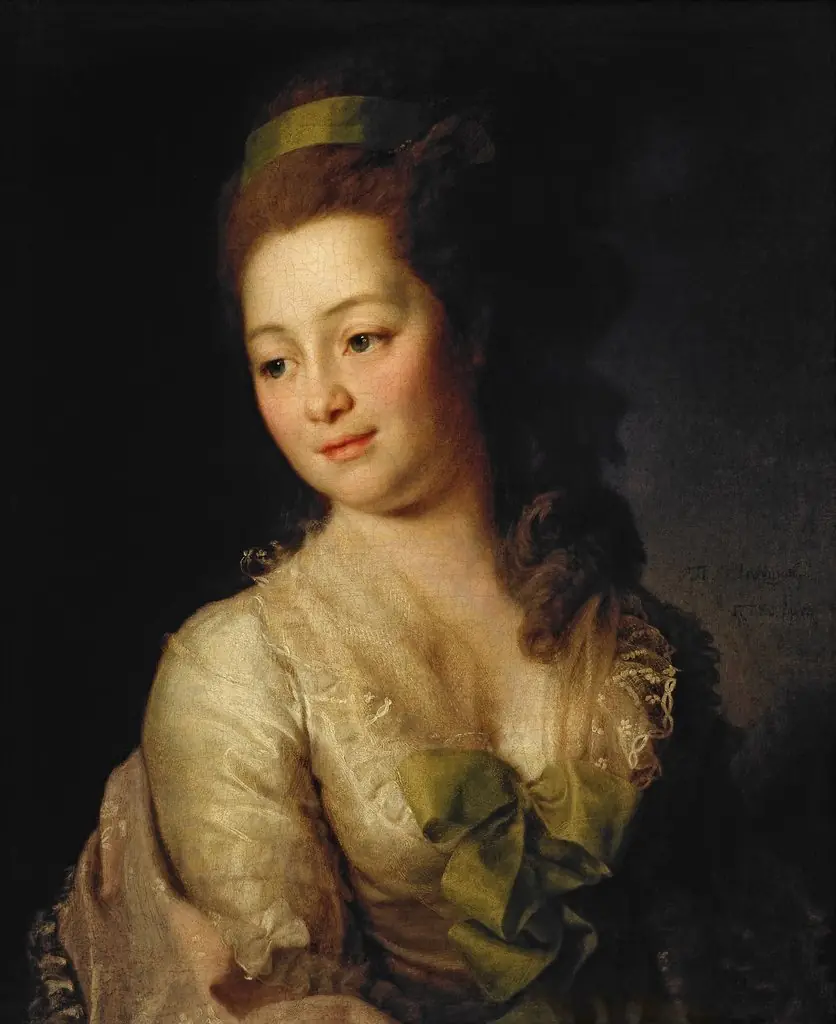 Portrait of Maria Dyakova
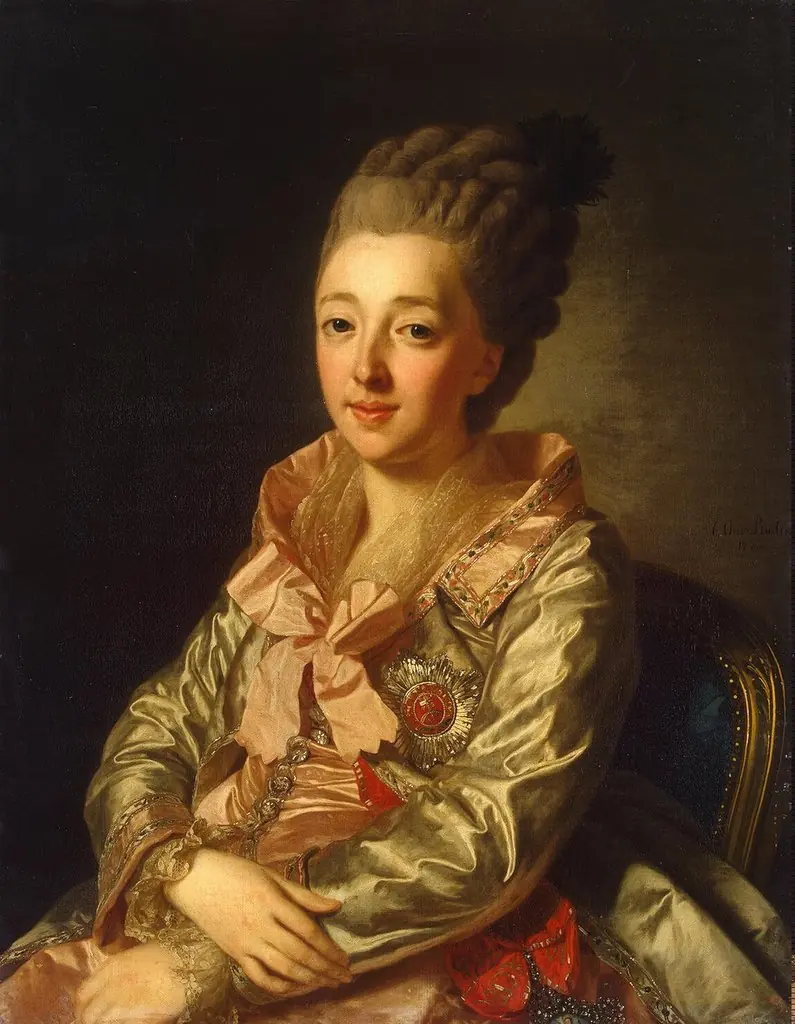 Portrait of Grand Duchess Natalia Alexeyevna
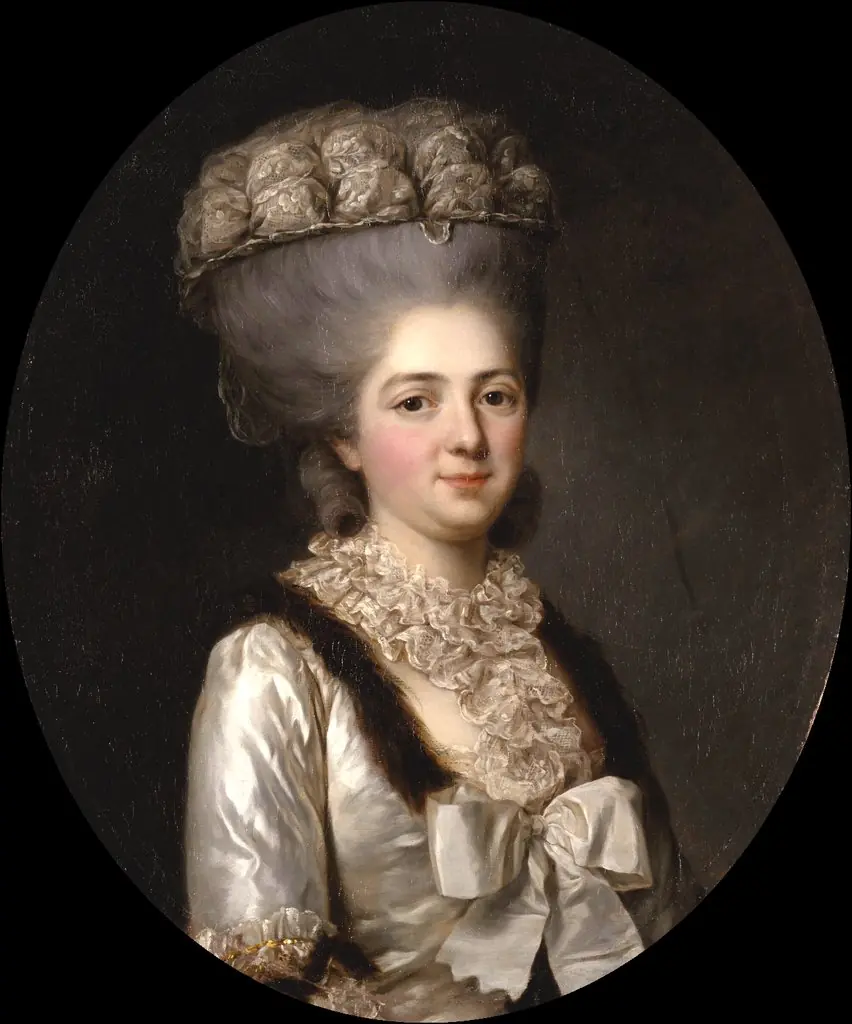 Marie-Louise-Thérèse-Victoire de France, dite Madame Victoire (1733-1799)
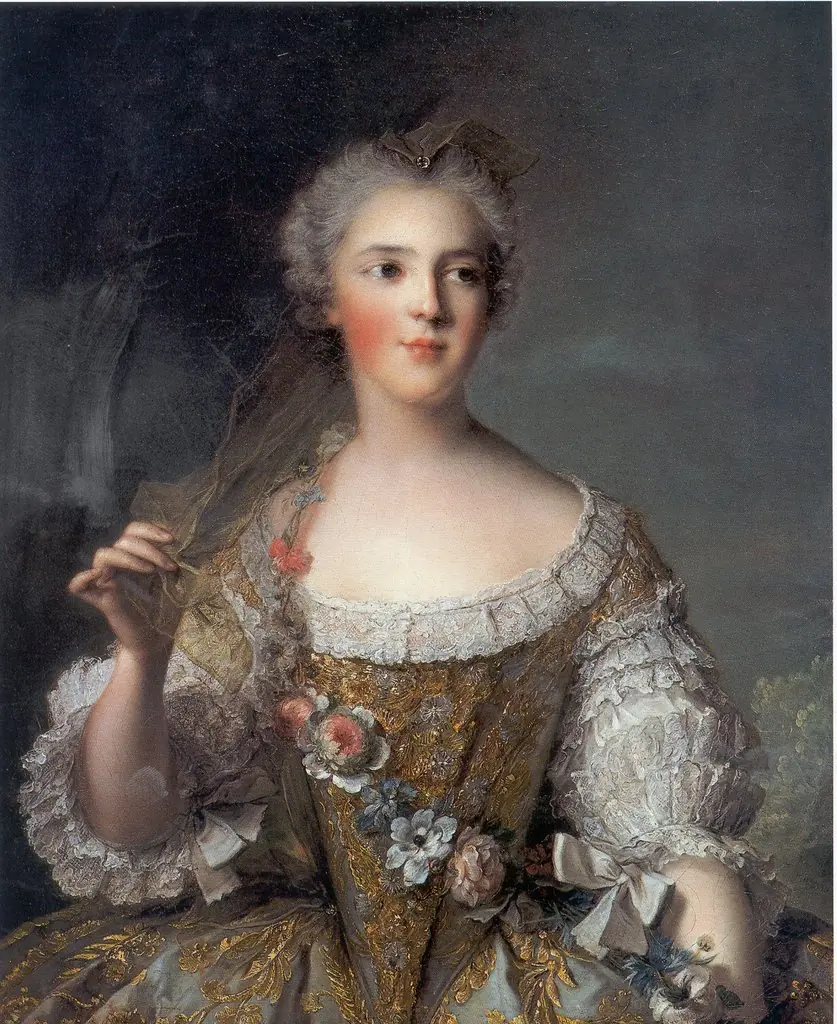 Madame Sophie of France
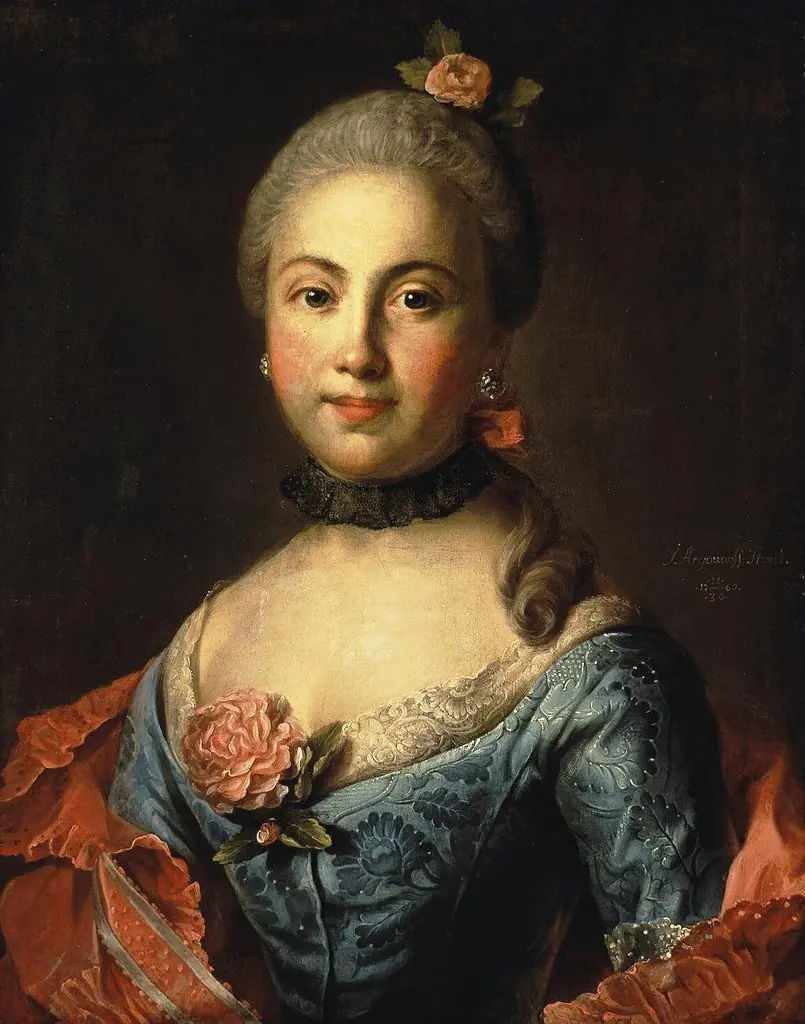 Portrait of a Woman in a Blue Dress