Artwork
Caroline Mathilde, Christian VII's Queen
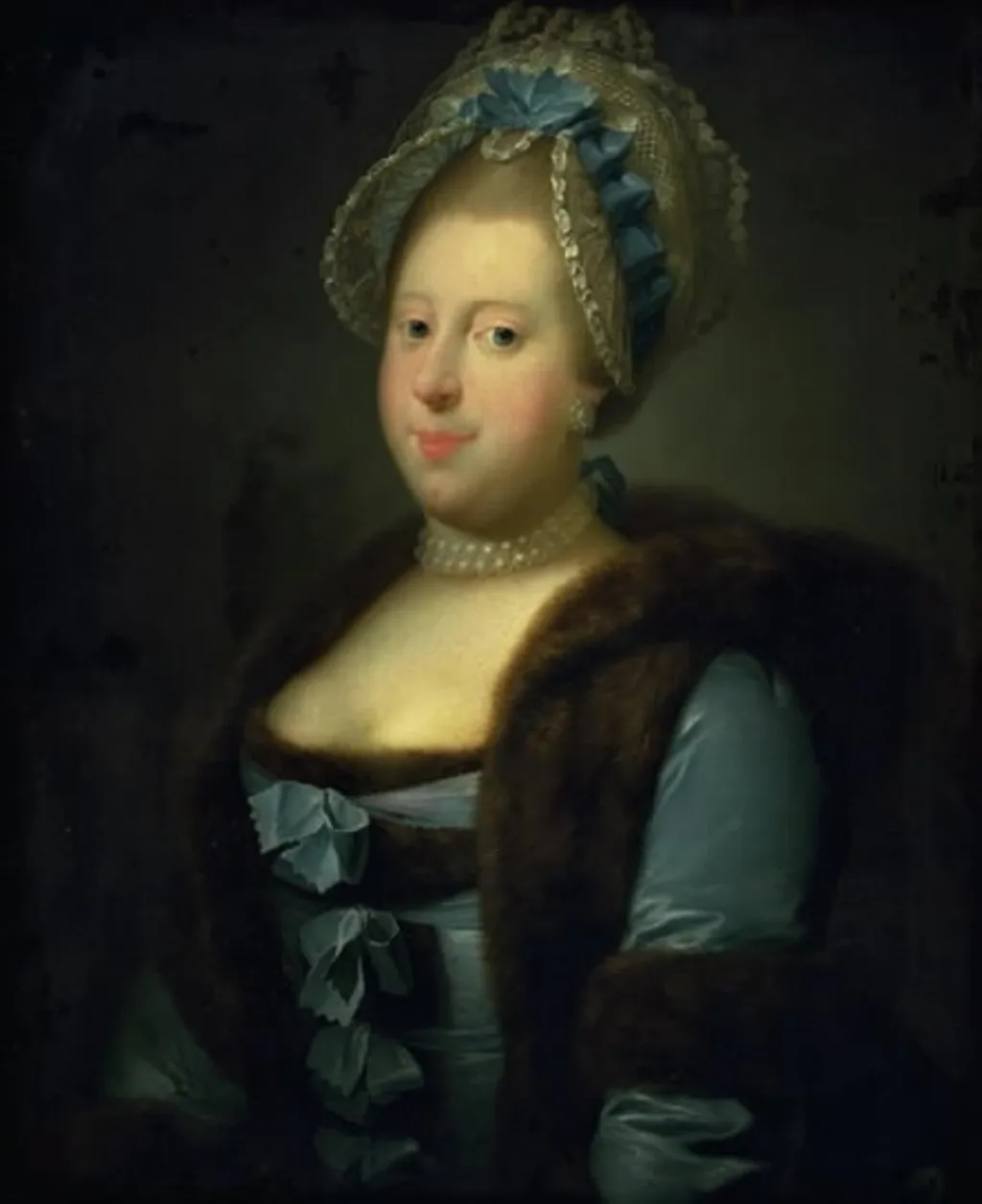
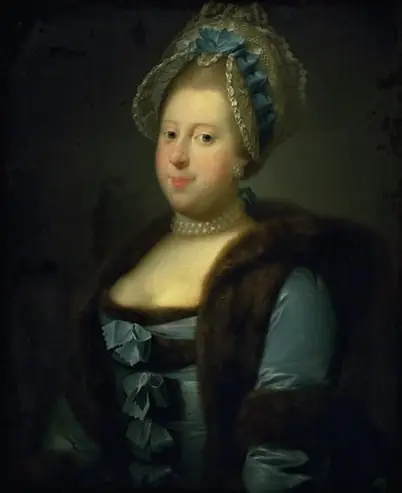
Caroline Mathilde, Christian VII's Queen is a photography by the Romanticist artist Unknown. It dates from 1769 and is held in the collection of the Statens Museum for Kunst. This portrait, dated 1769, depicts Caroline Mathilde, queen consort of Denmark and Norway, as the wife of King Christian VII.
About this work
Overview
This portrait, dated 1769, depicts Caroline Mathilde, queen consort of Denmark and Norway, as the wife of King Christian VII.
This portrait, dated 1769, depicts Caroline Mathilde, queen consort of Denmark and Norway, as the wife of King Christian VII. Executed in oil on canvas, it presents her in formal court attire against a dark, unobtrusive background. The composition emphasizes her presence through precise rendering of fabric and jewelry, reflecting the conventions of royal portraiture in late 18th-century Northern Europe.
Subject & Meaning
Caroline Mathilde is shown in a pose of quiet dignity, her gaze meeting the viewer directly. Her attire—blue silk, brown fur trim, lace bonnet, and pearl jewelry—signals her royal status and adherence to contemporary court fashion. The neutrality of her expression conveys composure rather than emotion, aligning with expectations of royal decorum during a period of political instability in her marriage and reign.
Technique & Style
The artist employs a restrained realism, focusing on the texture of silk, the sheen of pearls, and the softness of fur. Brushwork is precise but not ornate, avoiding theatricality. The dark background isolates the figure, enhancing three-dimensionality and drawing attention to her garments and accessories. Lighting is even, favoring clarity over dramatic contrast, typical of court portraiture in the mid-to-late 1700s.
History & Provenance
The portrait was likely commissioned during Caroline Mathilde’s tenure as queen, shortly before her political downfall and exile in 1772. It remained in Danish royal collections before entering the Museum of Ethnography, possibly through a transfer of cultural artifacts in the 19th century. Its presence there reflects institutional shifts in how royal imagery was categorized and preserved.
Context
Painted during the Enlightenment, the portrait reflects the influence of European courtly traditions on Danish monarchy. While Romanticism was emerging in art, this work adheres to earlier conventions of portraiture focused on status and representation rather than emotional expression. Caroline Mathilde’s image was part of a broader effort to project stability and legitimacy amid court intrigue.
Legacy
The portrait endures as a visual record of a queen whose life was marked by personal tragedy and political marginalization. Though not widely exhibited, it remains a key artifact in understanding Danish royal identity and the role of portraiture in reinforcing monarchical authority during a turbulent era in Scandinavian history.
Artist & collection

 Domestic Scene
 Giacomo and Cardinal Marco, investing Andrea, Abbot of San Zeno, with his Benefice
 The Nymph of Fontainebleau
 Portrait of a Woman
 Madonna and Child with Saints in the Enclosed Garden
 Venus and Minerva
 Family Group of Four on Sofa
 Wall painting from Room H of the Villa of P. Fannius Synistor at Boscoreale
 Portret Anny Ludwiki z Mycielskich Radziwiłłowej (1729-1771), żony Michała Kazimierza Radziwiłła "Rybeńki", hetmana wielkiego litewskiego i wojewody wileńskiego
 Kreivitär Poaton (?)
 Maria Charlotta Wrangel
 La emperatriz Isabel Cristina de Brunswick
 Naisen muotokuva
 Juliane Marie, Frederik V's anden dronning
 Porträt der Daria Golitsyna
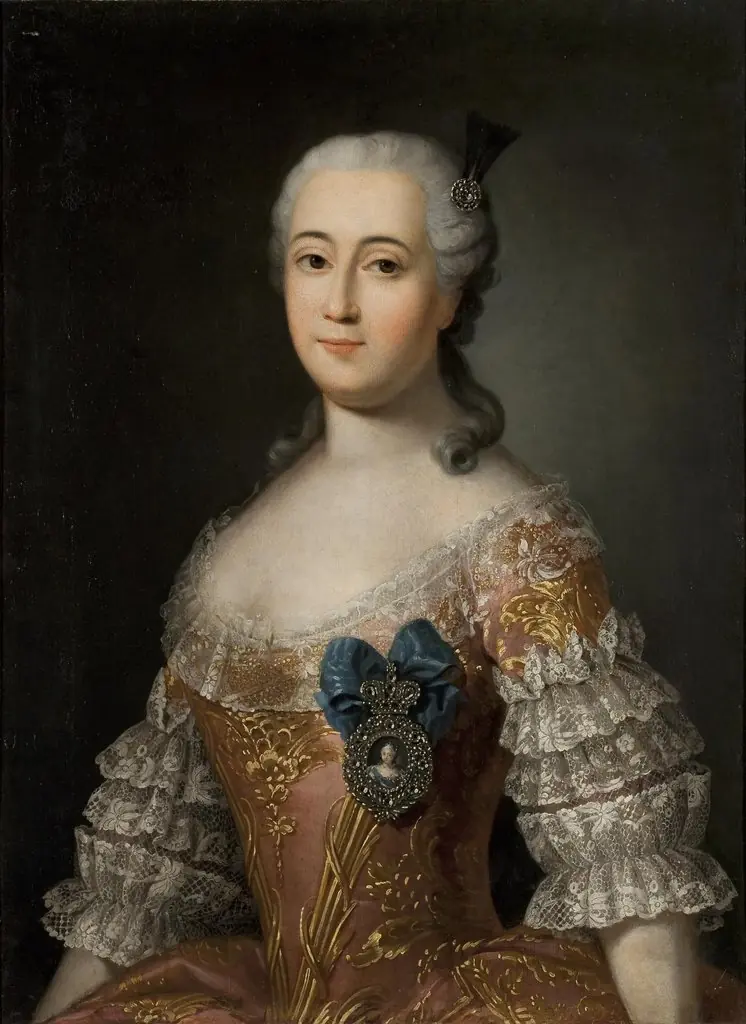 Portrait of a Woman
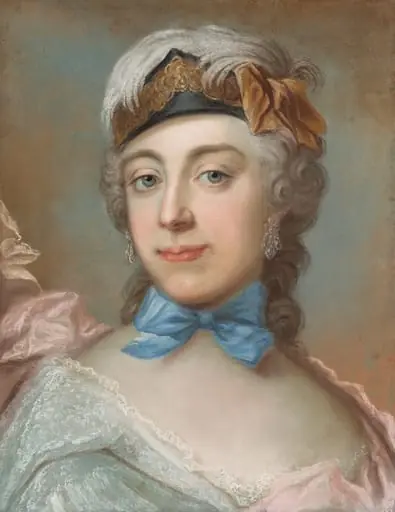 Kreivitär Ulrika Charlotta Sprengtporten
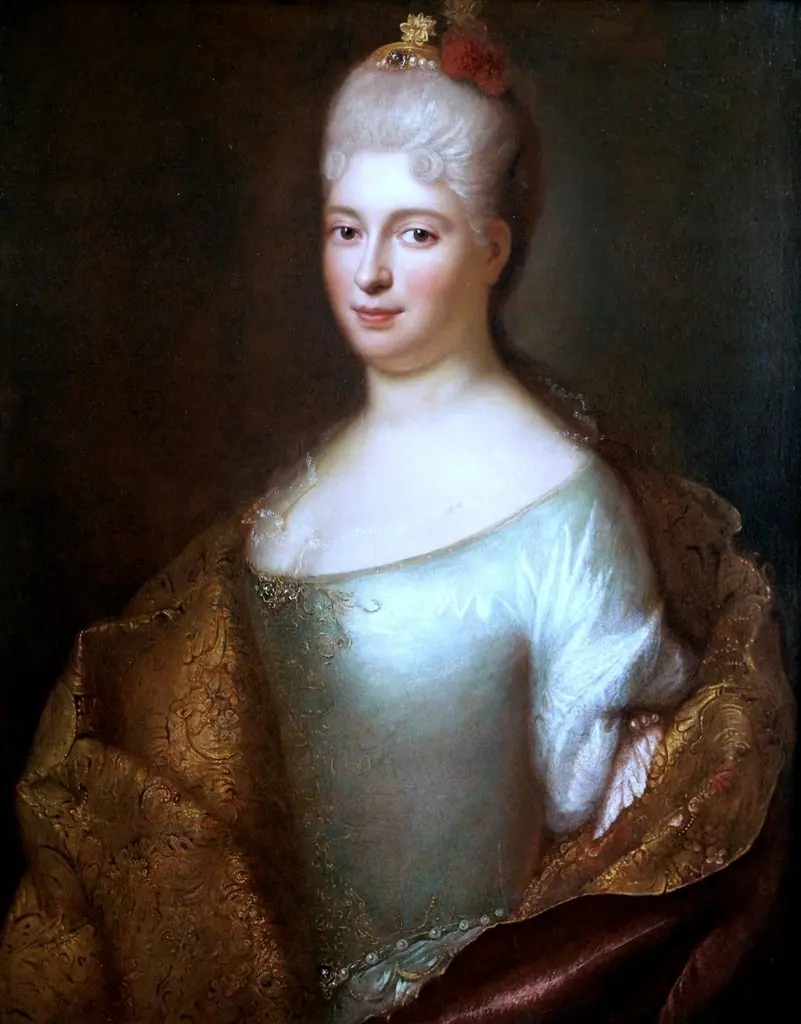 Portrait of Elżbieta Sieniawska.
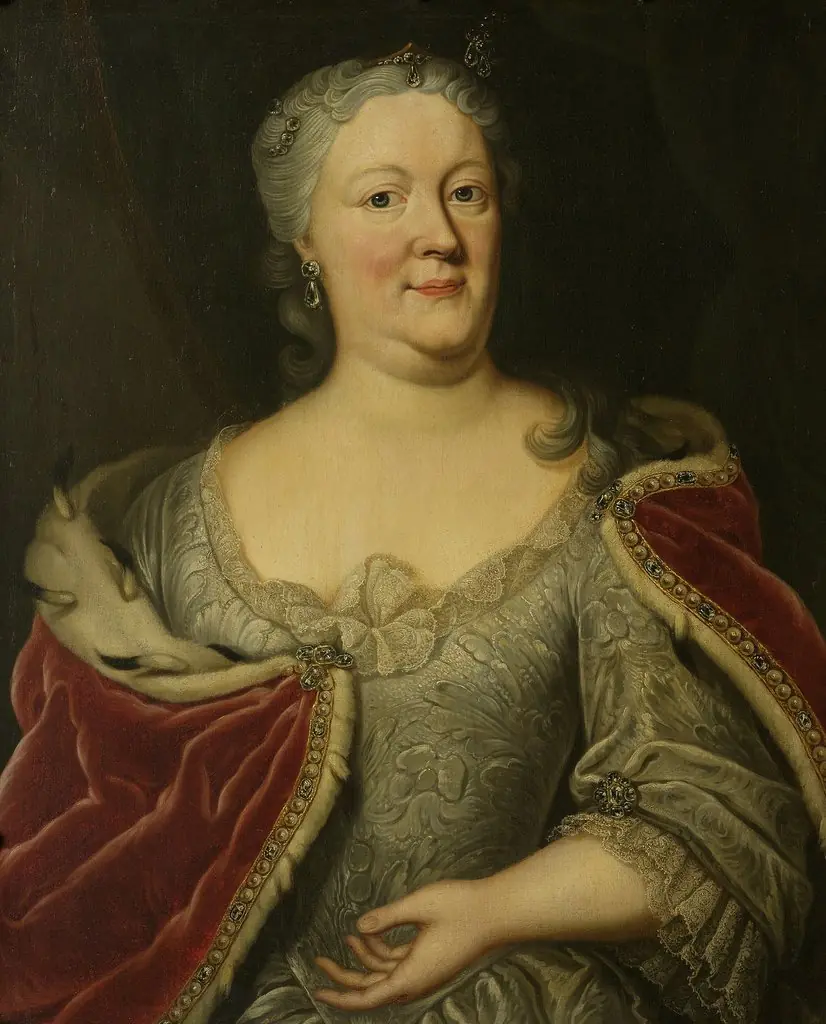 Portrait of Maria Louisa van Hessen-Kassel, called Maaike-Meu. Widow of the Stadtholder of Friesland John Willem Friso, Prince of Orange-Nassau
 Caroline Mathilde, Christian VII's Queen