Artwork
Leonora Christina being Examined in Prison
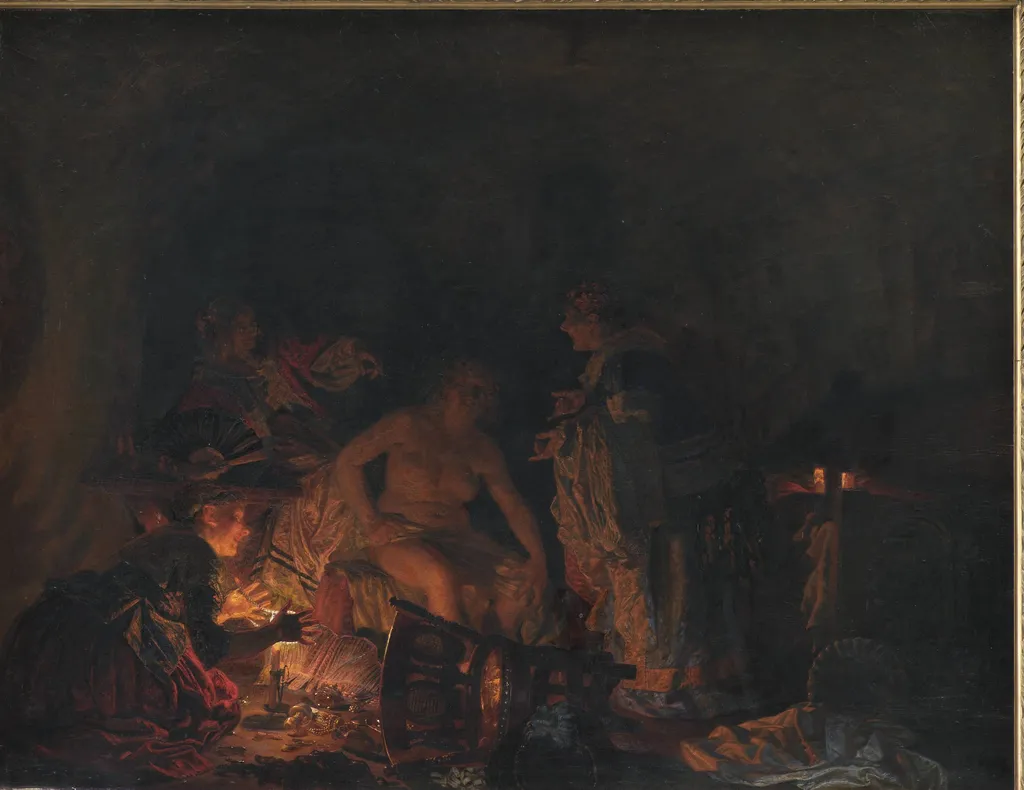
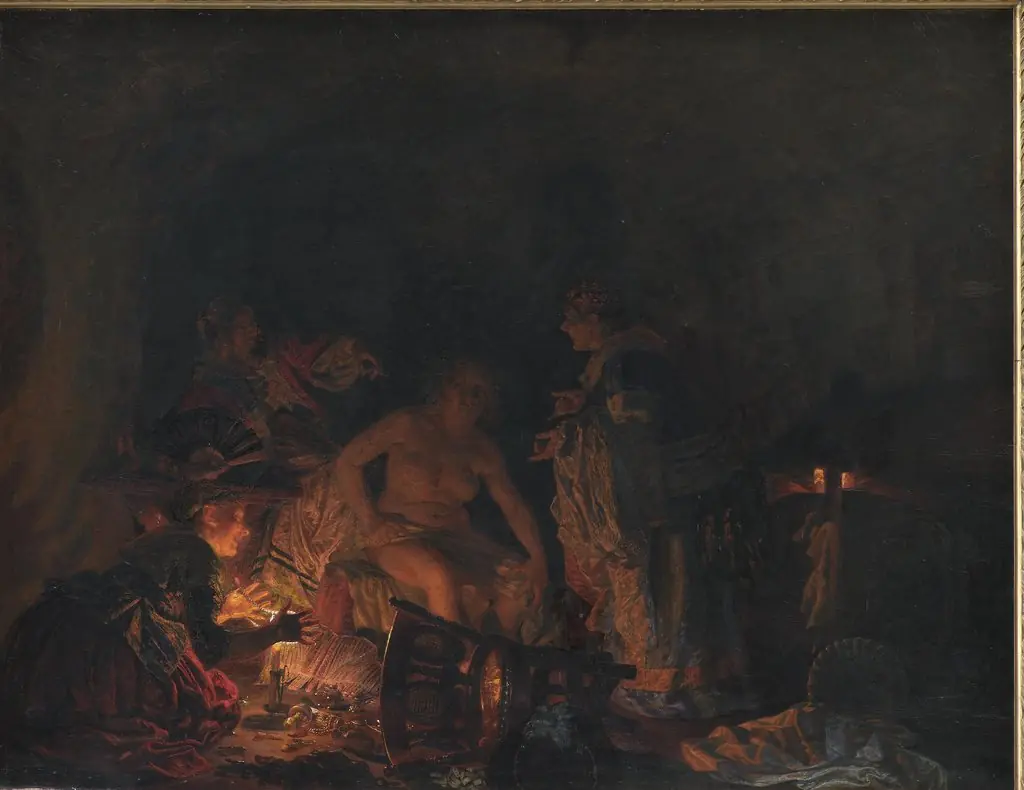
Leonora Christina being Examined in Prison is a photography by the Impressionist artist Unknown. It dates from 1885 and is held in the collection of the Statens Museum for Kunst. Painted in 1885, this work depicts a moment from the imprisonment of Leonora Christina Ulfeldt, daughter of Danish King Christian IV.
About this work
Overview
The painting resides in the Museum of Ethnography, where it is presented as a study of power, confinement, and gendered authority in early modern Europe.
Painted in 1885, this work depicts a moment from the imprisonment of Leonora Christina Ulfeldt, daughter of Danish King Christian IV. The scene is rendered in a somber, intimate setting, emphasizing psychological tension rather than historical detail. The painting resides in the Museum of Ethnography, where it is presented as a study of power, confinement, and gendered authority in early modern Europe.
Subject & Meaning
Leonora Christina, once a noblewoman, is shown in a vulnerable state, partially clothed and supported by another figure, surrounded by interrogators. The presence of papers and a book suggests an official inquiry, possibly related to her political activities. The composition conveys isolation under state surveillance, highlighting the erosion of dignity in the face of institutional power.
Technique & Style
The artist employs chiaroscuro to heighten emotional intensity, with narrow beams of candlelight carving out faces and textures from deep shadow. The dim interior, cluttered floor, and hunched figures create a claustrophobic atmosphere. Brushwork is restrained, favoring mood over detail, with emphasis on the contrast between the illuminated central figure and the indistinct, looming forms around her.
History & Provenance
The painting was completed in 1885 and entered the collection of the Museum of Ethnography shortly thereafter. Its origins lie in 19th-century Nordic interest in historical female figures who resisted authority. Though not contemporary to Leonora Christina’s 17th-century imprisonment, the work reflects a later cultural fascination with her story as a symbol of endurance.
Context
Leonora Christina was imprisoned for over two decades after her husband’s treasonous actions against the Danish crown. Her ordeal became a touchstone in Danish national memory. This 19th-century depiction draws on memoirs and biographies that portrayed her as a victim of political vengeance, aligning with Romantic-era themes of suffering and moral resilience.
Legacy
The painting contributes to a broader 19th-century visual tradition that reimagined historical women as symbols of quiet resistance. While not widely exhibited outside Nordic institutions, it remains a significant example of how historical trauma was translated into intimate, emotionally charged imagery during the period’s renewed interest in personal narratives of power and oppression.
Artist & collection

 Domestic Scene
 Giacomo and Cardinal Marco, investing Andrea, Abbot of San Zeno, with his Benefice
 The Nymph of Fontainebleau
 Portrait of a Woman
 Madonna and Child with Saints in the Enclosed Garden
 Venus and Minerva
 Family Group of Four on Sofa
 Wall painting from Room H of the Villa of P. Fannius Synistor at Boscoreale
 Priam Pleading with Achilles for the Body of Hector
 Pashur smiting Jeremiah in the Temple
 Adoration of the Magi
 Mucius Scaevola Confronting King Porsenna
 Bloody feast of Count Gero
 Samson and Delilah
 John the Baptist Preaching
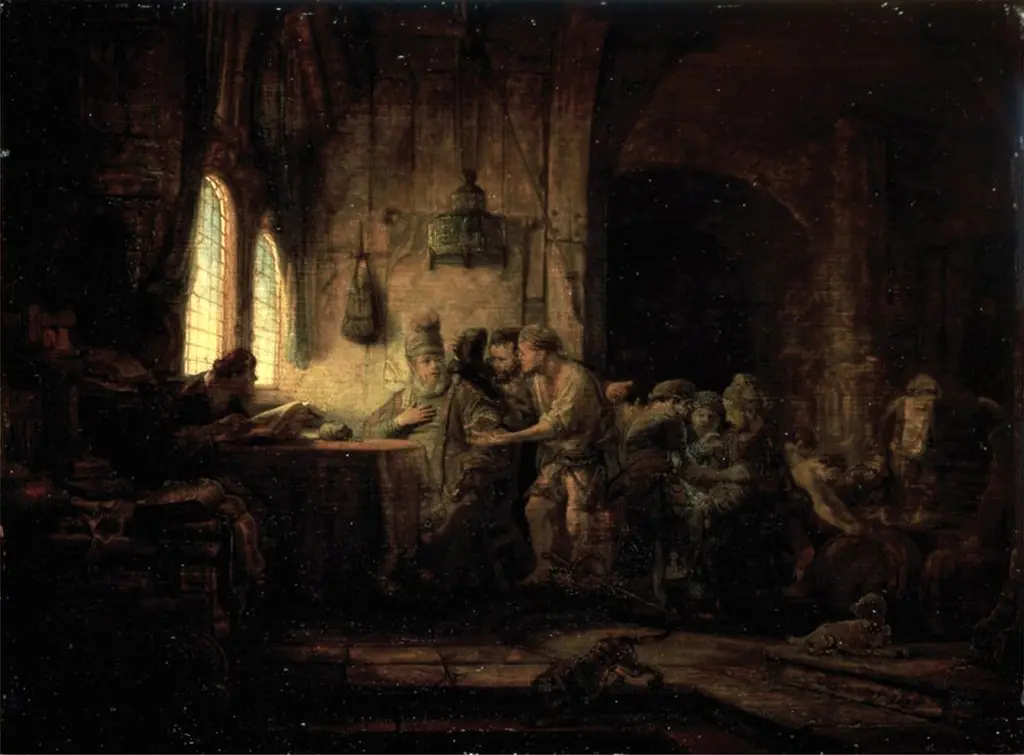 Parable of the Laborers in the Vineyard
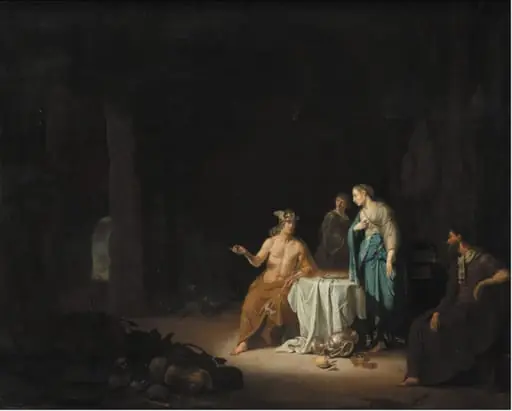 Mercury and Proserpina
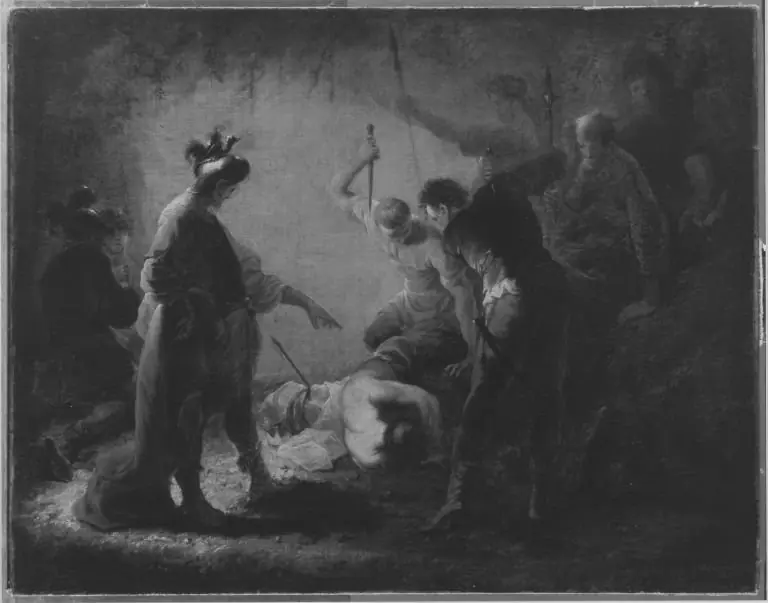 Die Ermordung des hl. Severus
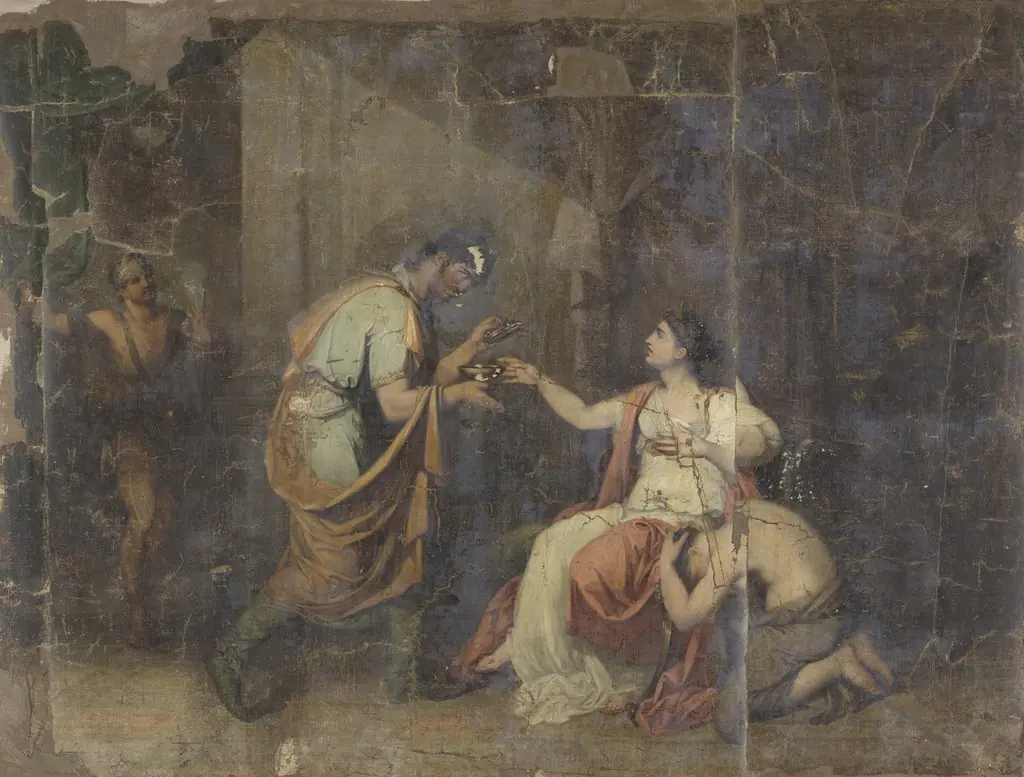 The Death of Sophonisba, Queen of Numidia
 Leonora Christina being Examined in Prison