Artwork
Studie af død flagspætte og gulspurv, ophængt
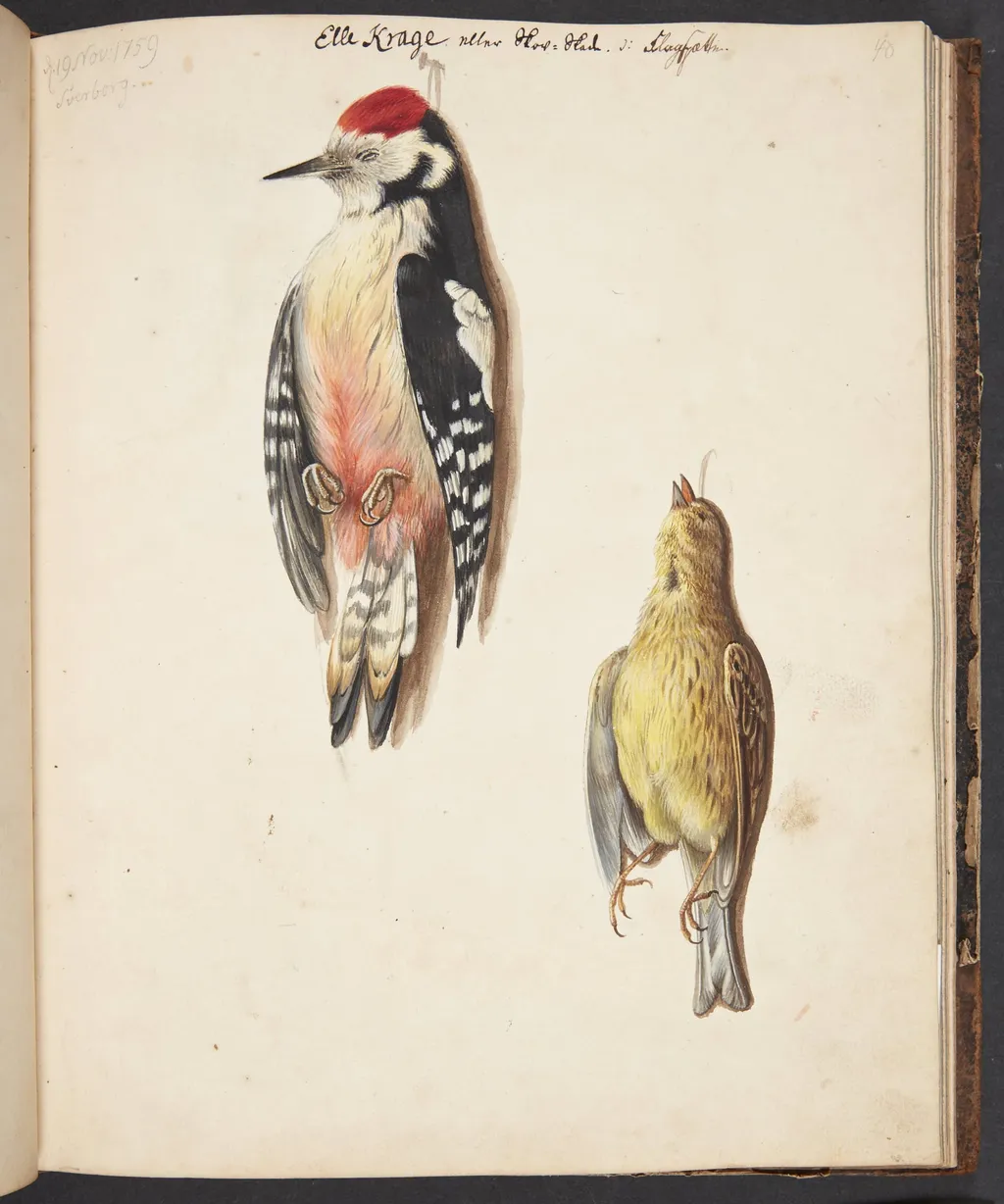
Studie af død flagspætte og gulspurv, ophængt is an unspecified work on paper by the Rococo painting artist Unknown. It dates from 1759 and is held in the collection of the Statens Museum for Kunst. Created in 1759 by an unnamed artist, this watercolor study depicts two deceased birds suspended as specimens.
About this work
Overview
Created in 1759 by an unnamed artist, this watercolor study depicts two deceased birds suspended as specimens. The larger bird, a flagspætte, and the smaller, a gulspurv, are rendered with careful attention to anatomical detail. The work is held in the collection of the Museum of Ethnography, where it functions as a natural history record rather than a decorative piece.
Subject & Meaning
The two birds—identified as a flagspætte and a gulspurv—are presented as pinned specimens, suggesting scientific documentation rather than artistic expression. Their stillness and orientation imply an intent to catalog physical traits, possibly for educational or taxonomic purposes. The absence of a landscape or context emphasizes their role as biological specimens.
Technique & Style
Watercolor is used with precision: the larger bird’s feathers are sharply defined, with layered washes capturing the contrast of black, white, and vivid red plumage. The smaller bird is rendered more loosely, with minimal detail, suggesting a preliminary or comparative sketch. The technique balances scientific accuracy with the fluidity of the medium, allowing both clarity and subtlety.
History & Provenance
The work dates to 1759 and has remained in institutional custody since at least the early 20th century. It entered the Museum of Ethnography’s collection as part of a broader assembly of natural history illustrations, likely collected during a period of heightened interest in regional ornithology and specimen preservation.
Context
In the mid-18th century, detailed bird studies were common among naturalists documenting regional fauna. This piece reflects a tradition of combining artistic skill with scientific observation, often produced for academic or colonial collections. The absence of a named artist suggests it may have been created by a technician or amateur naturalist rather than a professional painter.
Legacy
This study contributes to a historical archive of ornithological illustration, preserving visual records of bird species as they appeared in 18th-century Scandinavia. Its preservation in a museum of ethnography underscores its value as both biological evidence and a cultural artifact of scientific practice during the Enlightenment.
Artist & collection

 Domestic Scene
 Giacomo and Cardinal Marco, investing Andrea, Abbot of San Zeno, with his Benefice
 The Nymph of Fontainebleau
 Portrait of a Woman
 Madonna and Child with Saints in the Enclosed Garden
 Venus and Minerva
 Family Group of Four on Sofa
 Wall painting from Room H of the Villa of P. Fannius Synistor at Boscoreale
 Hairy Woodpecker
 Studie af to døde sangdrosler?
 Sutherland Album
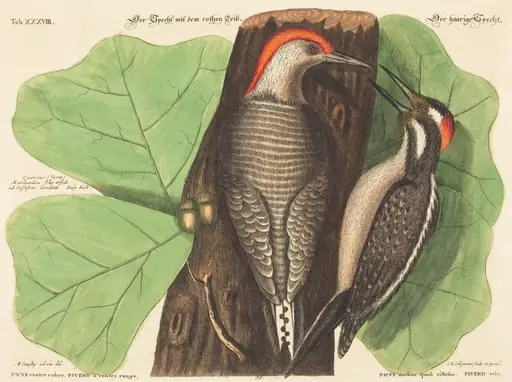 The Red Bellied Woodpecker (Picus Carolinus)
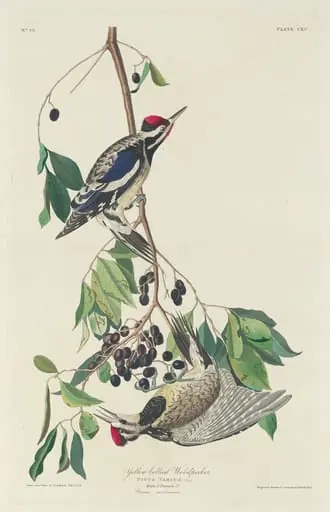 Yellow-bellied Woodpecker
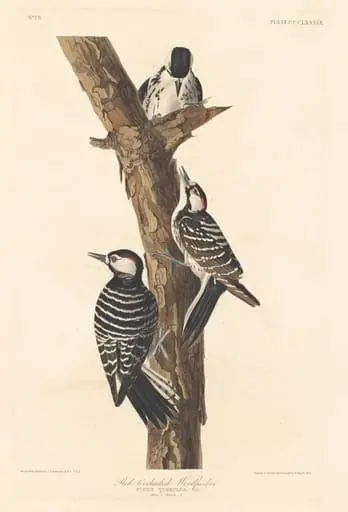 Red-cockaded Woodpecker
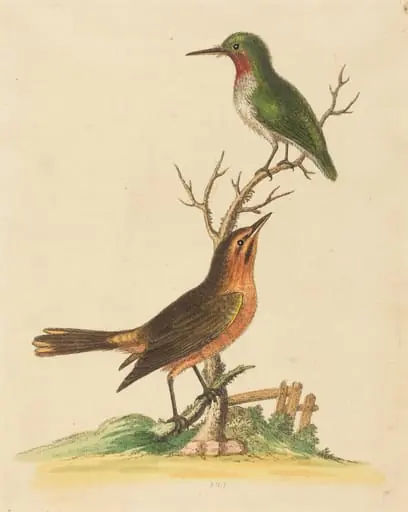 Green Bird with Red Throat and Brown and Orange Bird
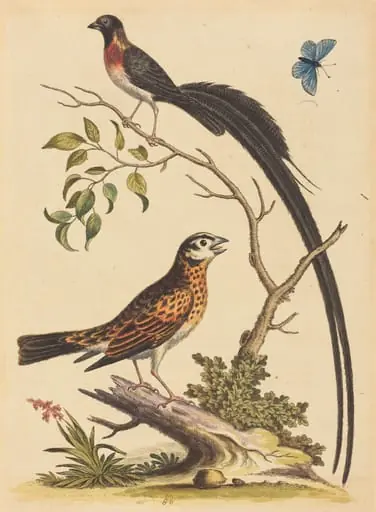 Two Birds, One with Very Long Tailfeathers, and Blue Butterfly
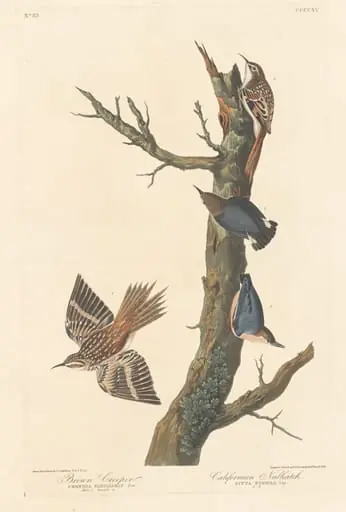 Brown Creeper and Californian Nuthatch