Artwork
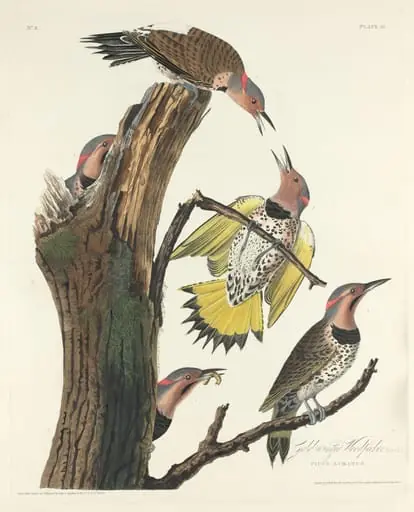
Yellow-bellied Woodpecker
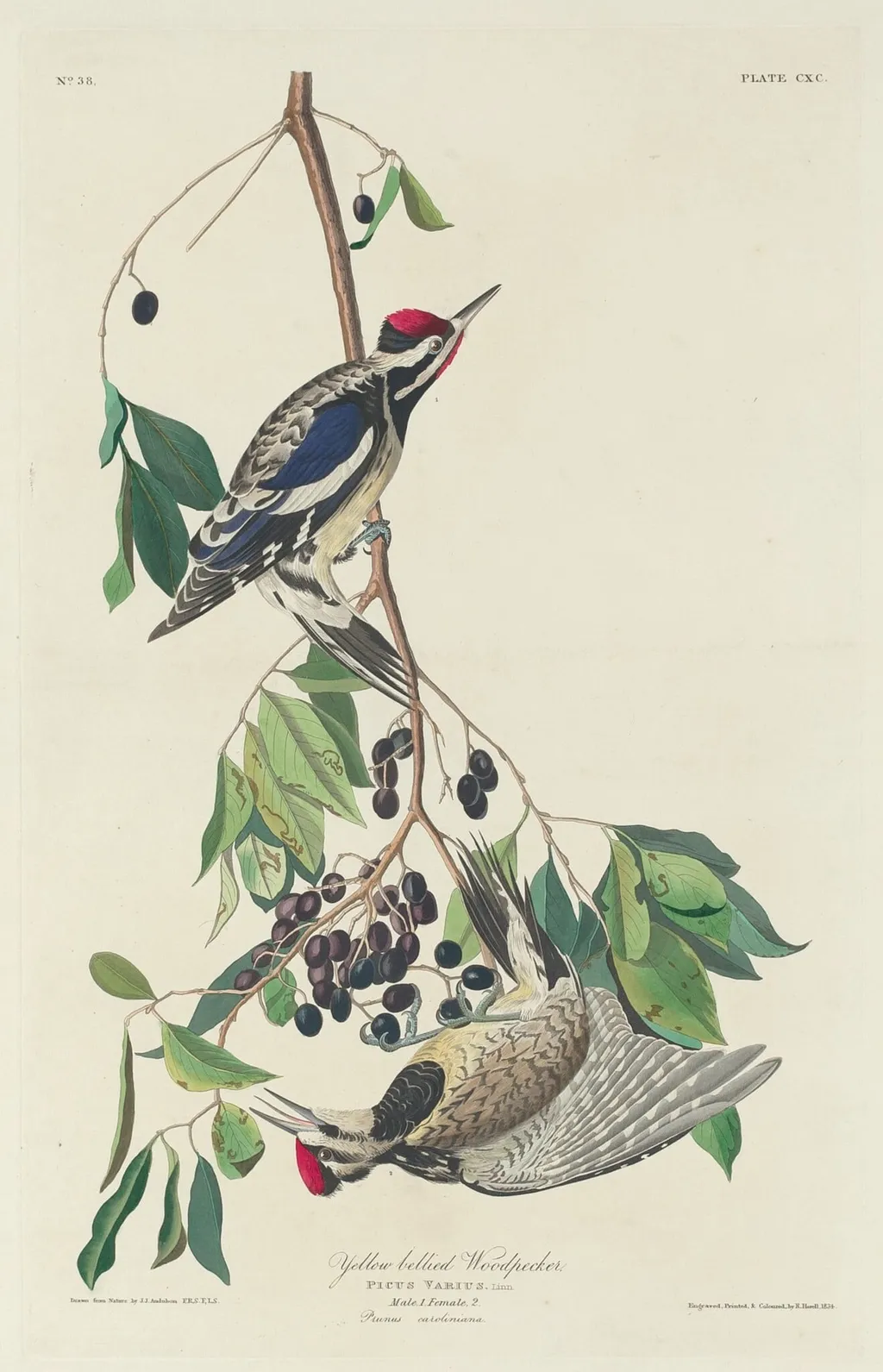
Yellow-bellied Woodpecker is an ink print by the Romanticist artist Robert Havell Jr.. It dates from 1834 and is held in the collection of the National Gallery of Art.
About this work
Overview
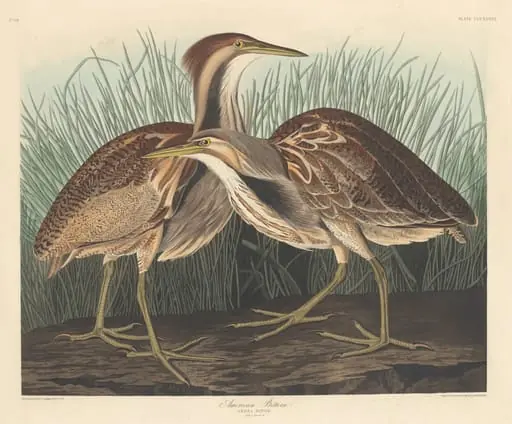
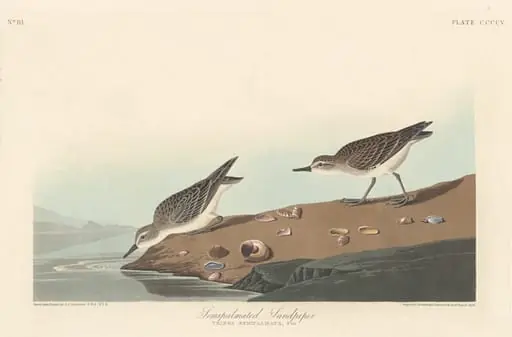
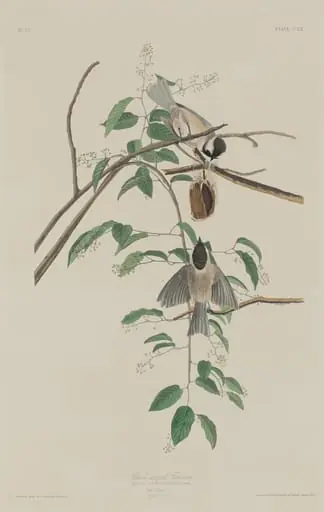
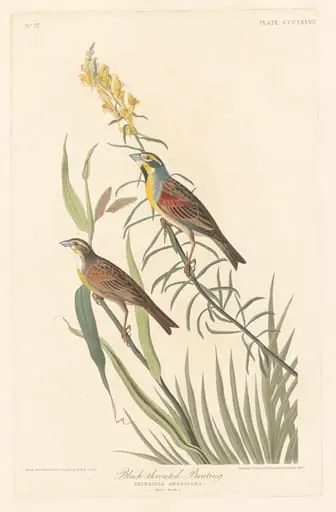
It belongs to a series documenting North American birds, produced during a period of heightened scientific interest in natural history.
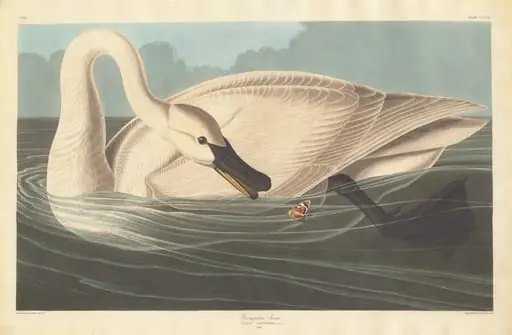
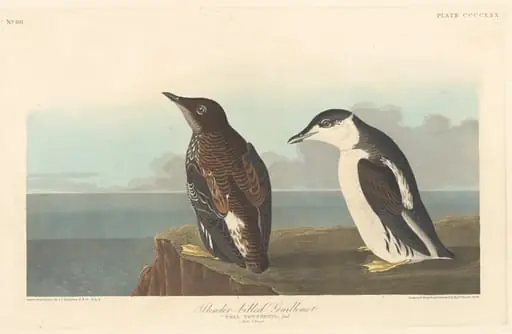
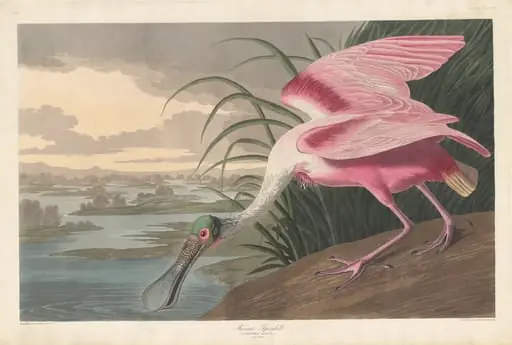
Created in 1834 by Robert Havell Jr., this print is a hand-colored engraving and aquatint on Whatman wove paper. It belongs to a series documenting North American birds, produced during a period of heightened scientific interest in natural history. Havell, working within a family of printmakers, applied refined techniques to translate detailed observations into reproducible images for scholarly and public audiences.
Subject & Meaning
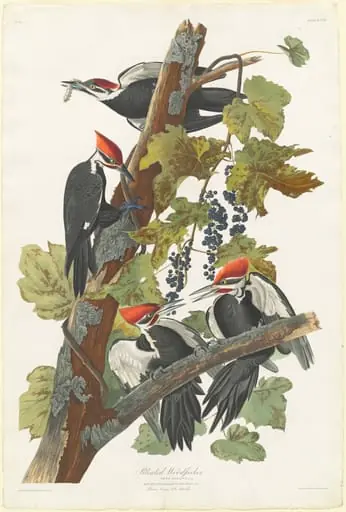
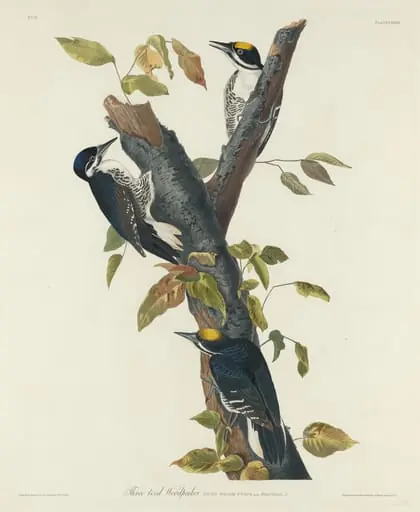
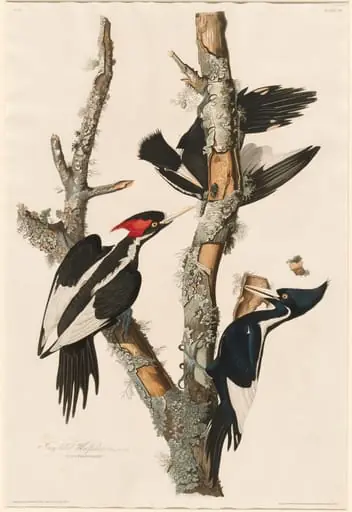
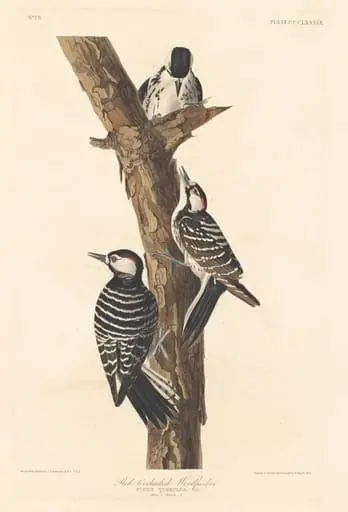
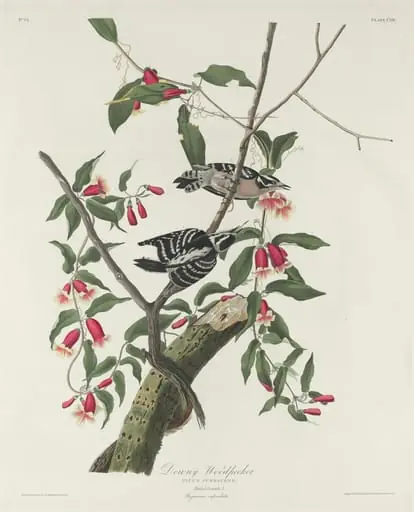
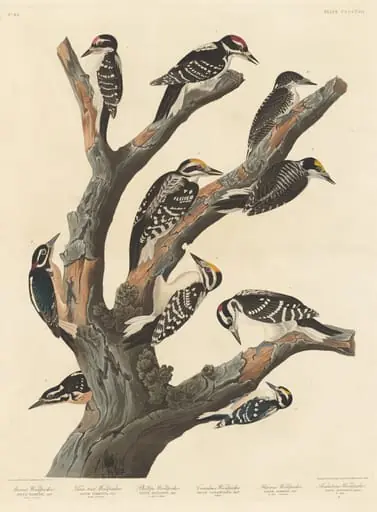
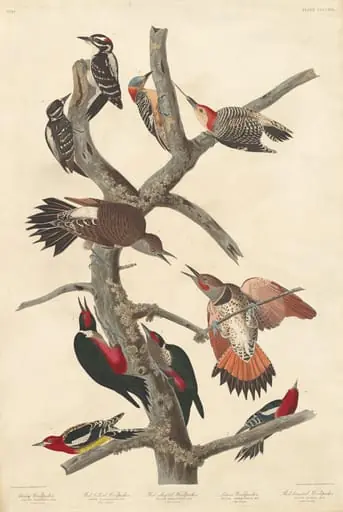
The yellow-bellied woodpecker is depicted mid-posture, turned slightly as if reacting to movement, with its red crown contrasting against its brown-and-white plumage. Surrounding it are clusters of dark purple berries and green foliage, suggesting seasonal abundance. The composition emphasizes the bird’s natural behavior and habitat, aligning with the era’s goal of accurate biological representation rather than idealized ornamentation.
Technique & Style
Havell employed engraving for fine linear detail and aquatint to achieve subtle tonal gradations in the feathers and bark. Hand-coloring added precise hues to the red cap, berries, and leaves, enhancing realism without overwhelming the monochrome base. The creamy paper background isolates the subject, directing focus to the bird’s textured plumage and the delicate rendering of individual leaves and bristles.
History & Provenance
Robert Havell Jr. was part of a multi-generational family of printmakers based in Reading, Berkshire, known for their work in aquatint and natural history illustration. This print was likely produced for a larger ornithological publication, possibly linked to John James Audubon’s projects. The use of high-quality Whatman paper reflects the commercial and scholarly ambitions of the project, ensuring durability and fine detail.
Context
In the 1830s, American naturalists and European publishers collaborated to document the continent’s biodiversity through illustrated volumes. Havell’s work emerged within this movement, where scientific accuracy and aesthetic precision were equally valued. The print reflects a broader trend of using print technology to make biological knowledge accessible beyond academic circles, bridging art and science.
Legacy
Havell’s prints remain referenced for their technical mastery and fidelity to natural forms. Though not widely exhibited today, they contribute to the historical record of 19th-century natural history illustration. Their influence endures in the methodology of combining precise engraving with hand-applied color, a standard for scientific imagery well into the 20th century.
Artist & collection

Artist
The Havell family of Reading, Berkshire, England, included a number of notable engravers, etchers and painters, as well as writers, publishers, educators, and musicians.