Artwork
Brown Creeper and Californian Nuthatch
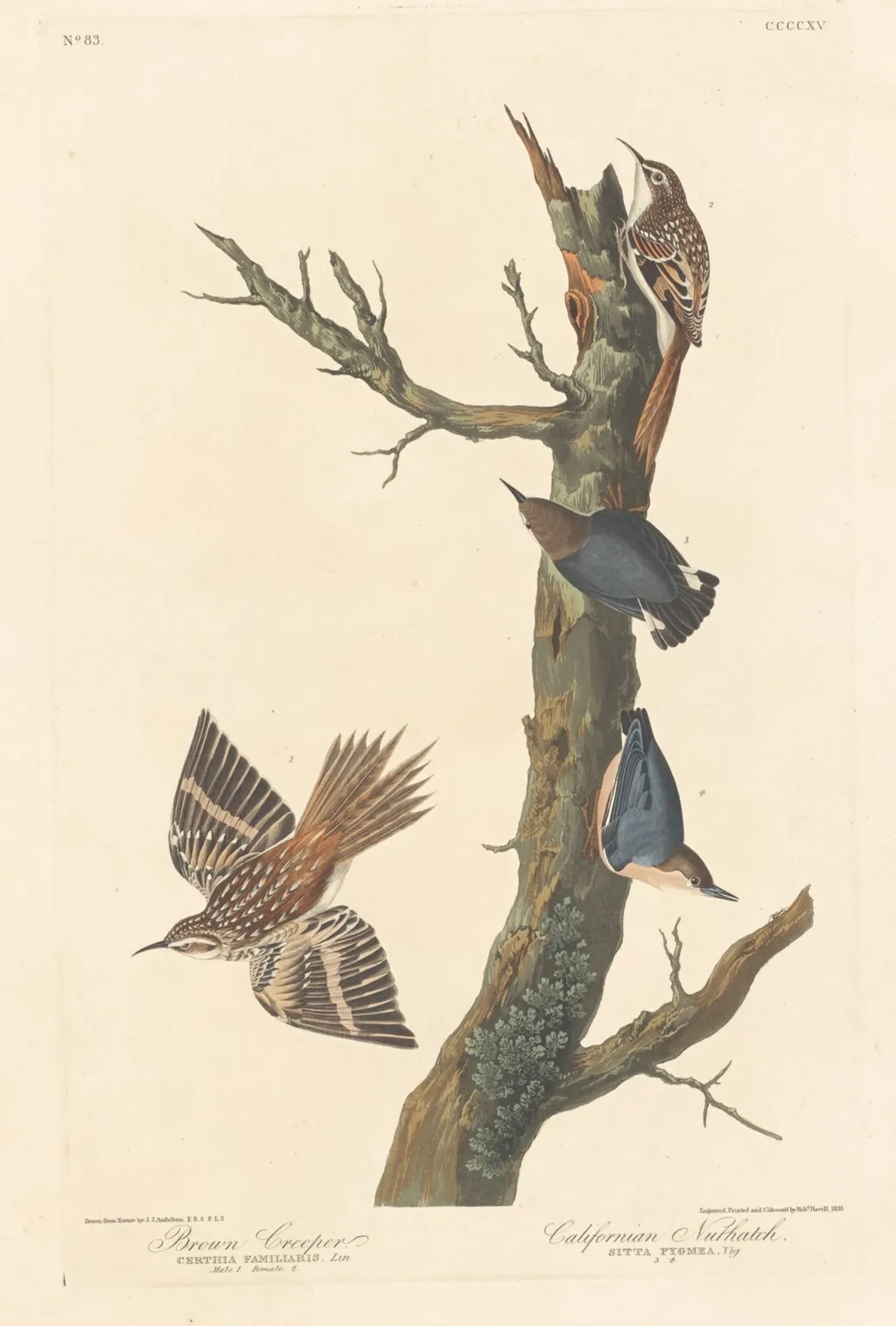
Brown Creeper and Californian Nuthatch is an ink print by the Romanticist artist Robert Havell Jr.. It dates from 1838 and is held in the collection of the National Gallery of Art.
About this work
Overview
, this print combines hand-colored engraving and aquatint on Whatman wove paper.
Created in 1838 by Robert Havell Jr., this print combines hand-colored engraving and aquatint on Whatman wove paper. It belongs to a series of ornithological illustrations produced during the early 19th century, reflecting a broader scientific and artistic interest in North American bird species. The Havell family, based in England, were known for their technical precision in printmaking and their collaboration with naturalists on detailed wildlife documentation.
Subject & Meaning
The print depicts a brown creeper and a California nuthatch, two small passerine birds native to western North America. Positioned on a gnarled, leafless branch, the birds are shown in close proximity, their postures suggesting subtle interaction. The composition emphasizes their natural behavior and physical form, aligning with the era’s scientific aim to document species accurately rather than idealize them.
Technique & Style
Havell employed fine-line engraving and aquatint to render texture and tonal gradation, with delicate hand-coloring enhancing the birds’ plumage and the moss-covered branch. The pale background isolates the subjects, directing focus to their form and detail. The technique achieves a lifelike quality through subtle shading and precise line work, characteristic of the Havell workshop’s commitment to naturalistic representation.
History & Provenance
The print was produced as part of a larger project documenting American birds, likely linked to John James Audubon’s publications, for which Havell was a principal engraver. Though not signed as a standalone work, its paper type and method align with Havell’s known output for Audubon’s *Birds of America*. It entered institutional collections in the 20th century, valued for its technical execution and historical role in ornithological illustration.
Context
This work emerged during a period when natural history illustration merged scientific inquiry with artistic craftsmanship. European printmakers like Havell were commissioned to translate field observations into detailed prints for academic and public audiences. The emphasis on accurate depiction reflected Enlightenment ideals, even as Romantic sensibilities influenced the choice of natural subjects and atmospheric presentation.
Legacy
Havell’s prints, including this one, remain important references for ornithologists and art historians alike. They represent a bridge between scientific documentation and artisanal printmaking, preserving visual records of species before widespread photography. The technical standards set by the Havell workshop influenced subsequent generations of natural history illustrators and continue to inform conservation-focused visual archives.
Artist & collection

Artist
The Havell family of Reading, Berkshire, England, included a number of notable engravers, etchers and painters, as well as writers, publishers, educators, and musicians.

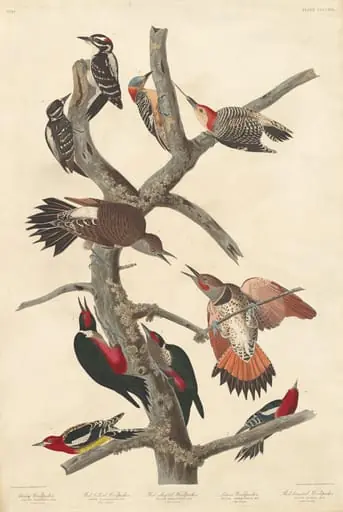 Hairy Woodpecker
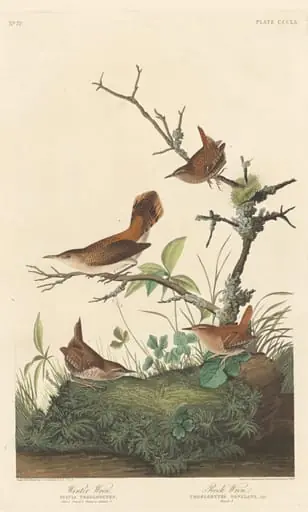 Winter Wren and Rock Wren
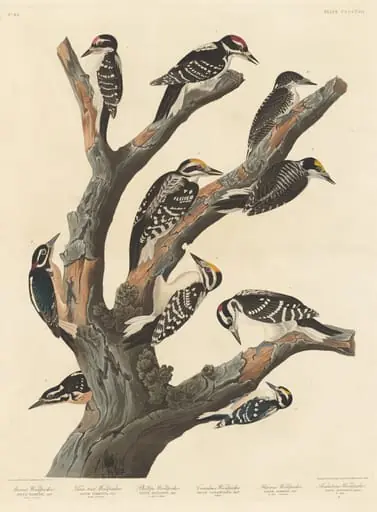 Maria's Woodpecker
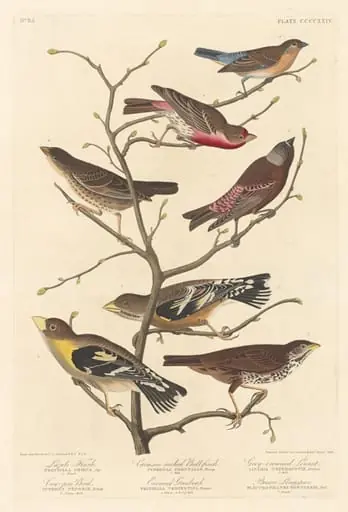 Lazuli Finch
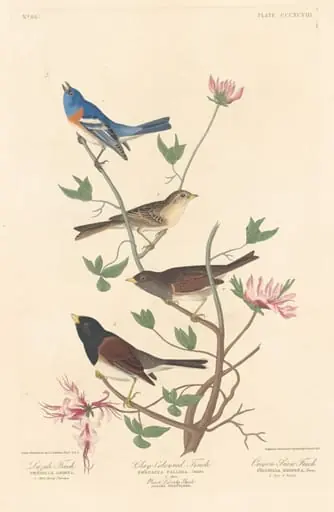 Lazuli Finch, Clay-colored Finch and Oregon Snow Finch
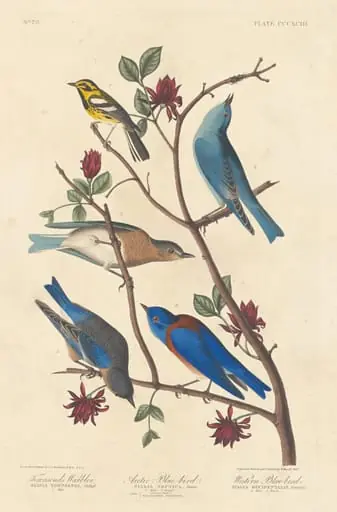 Townsend's Warbler, Arctic Blue Bird and Western Blue Bird
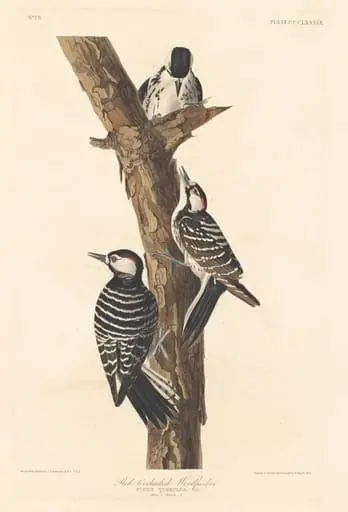 Red-cockaded Woodpecker
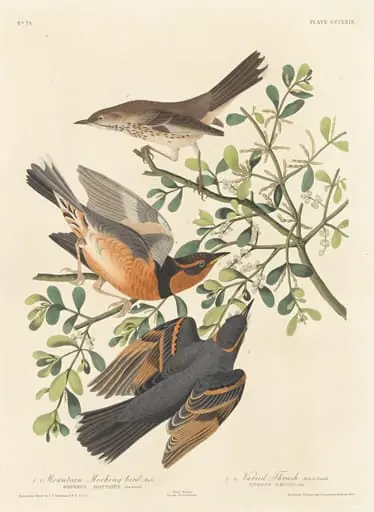 Mountain Mocking-bird and Varied Thrush
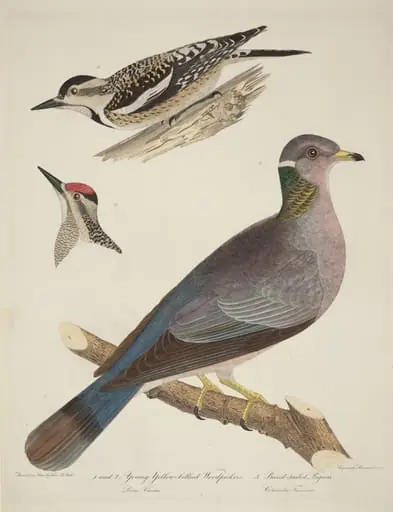 Young Yellow-bellied Woodpeckers and Band-tailed Pigeon
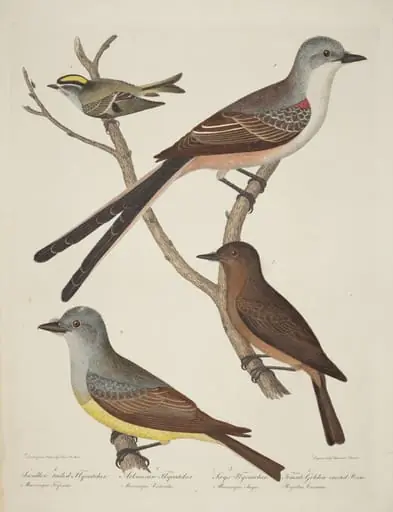 Swallow-tailed Flycatcher, Arkansas Flycatcher, Say's Flycatcher, and Female Golden-crested Wren