Artwork
Christ's Agony in the Garden of Gethsemane
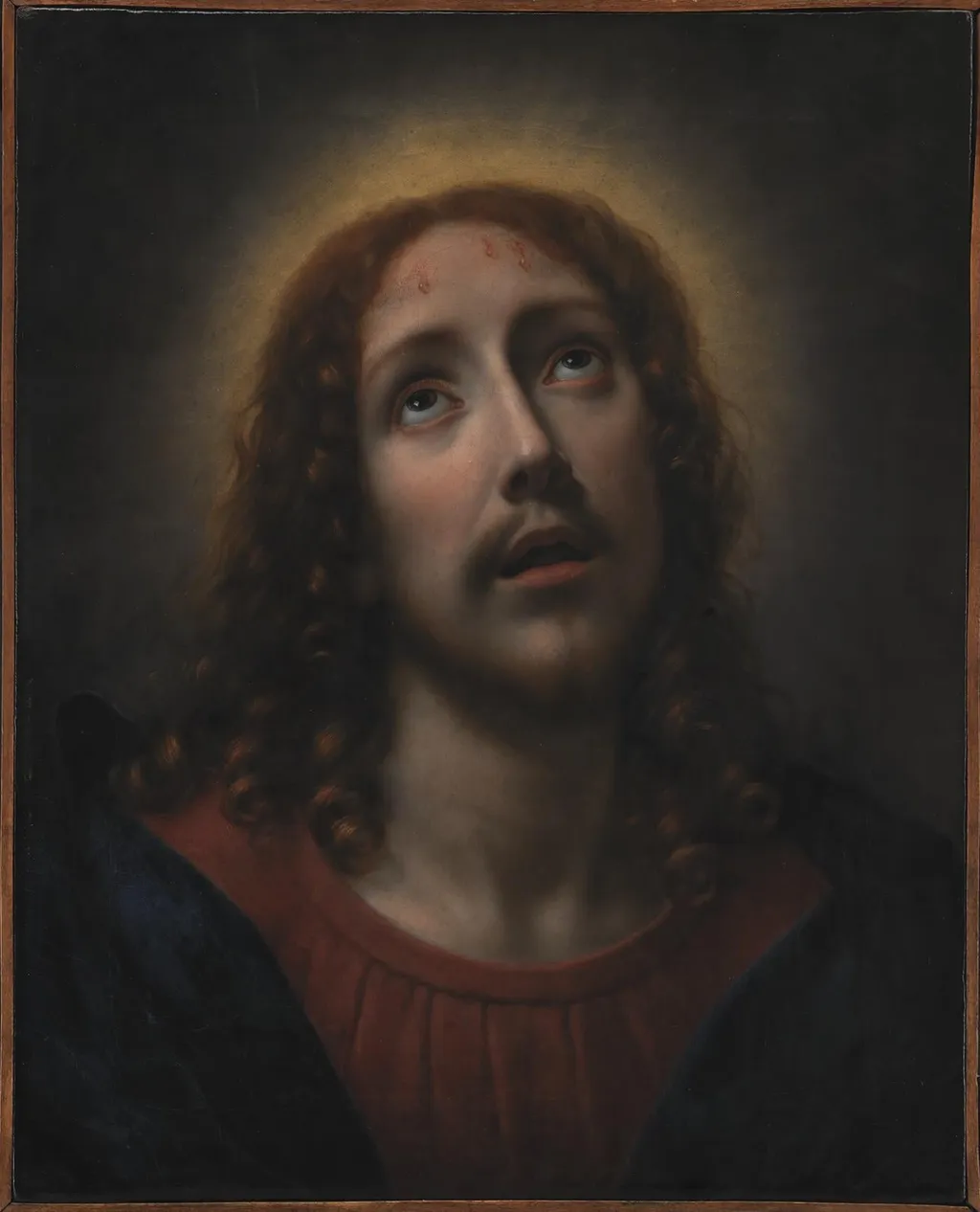
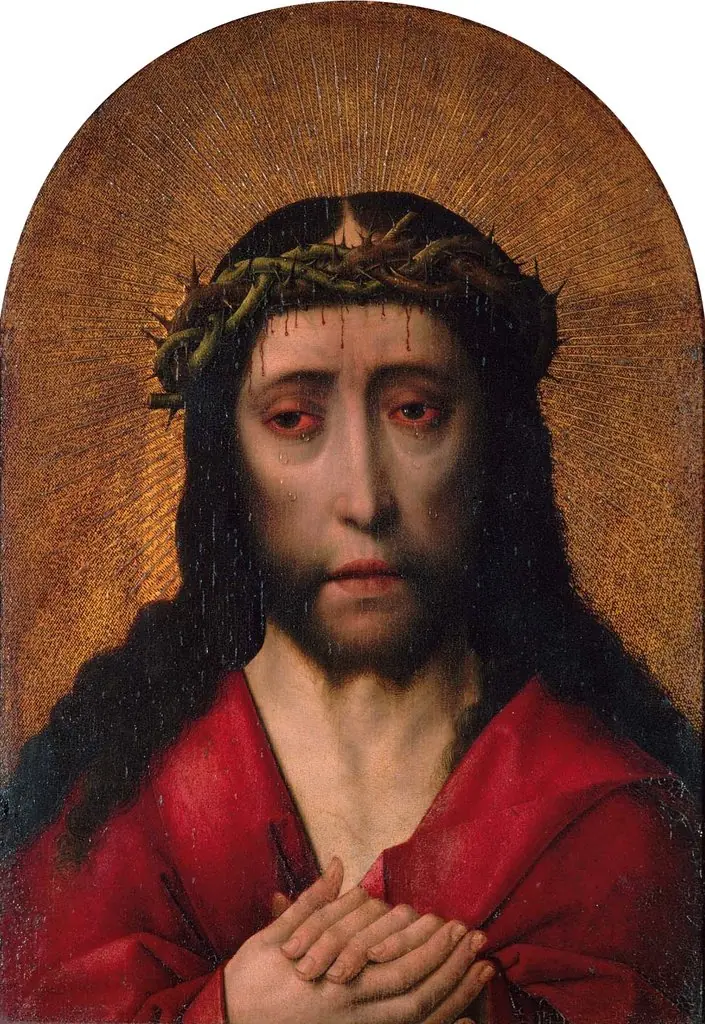
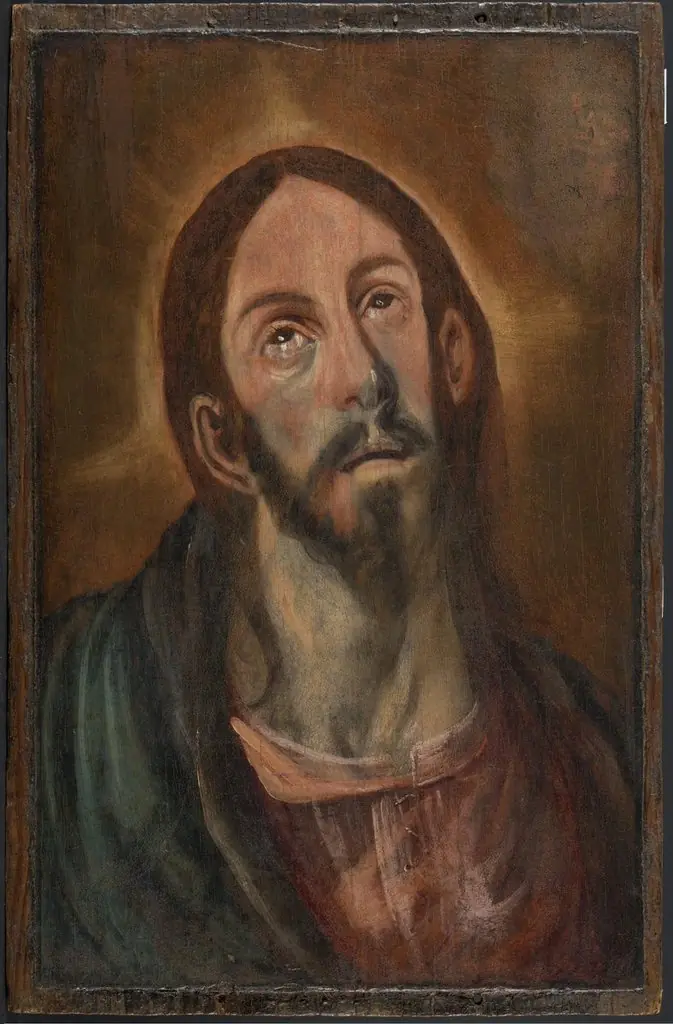
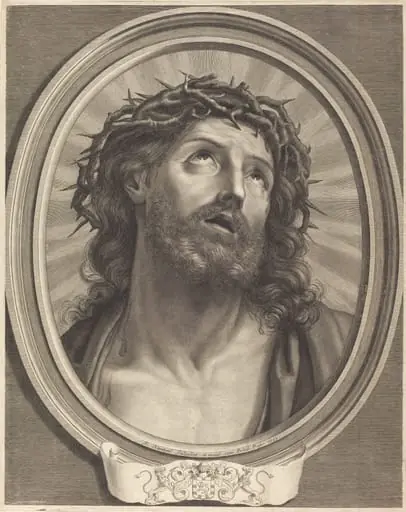
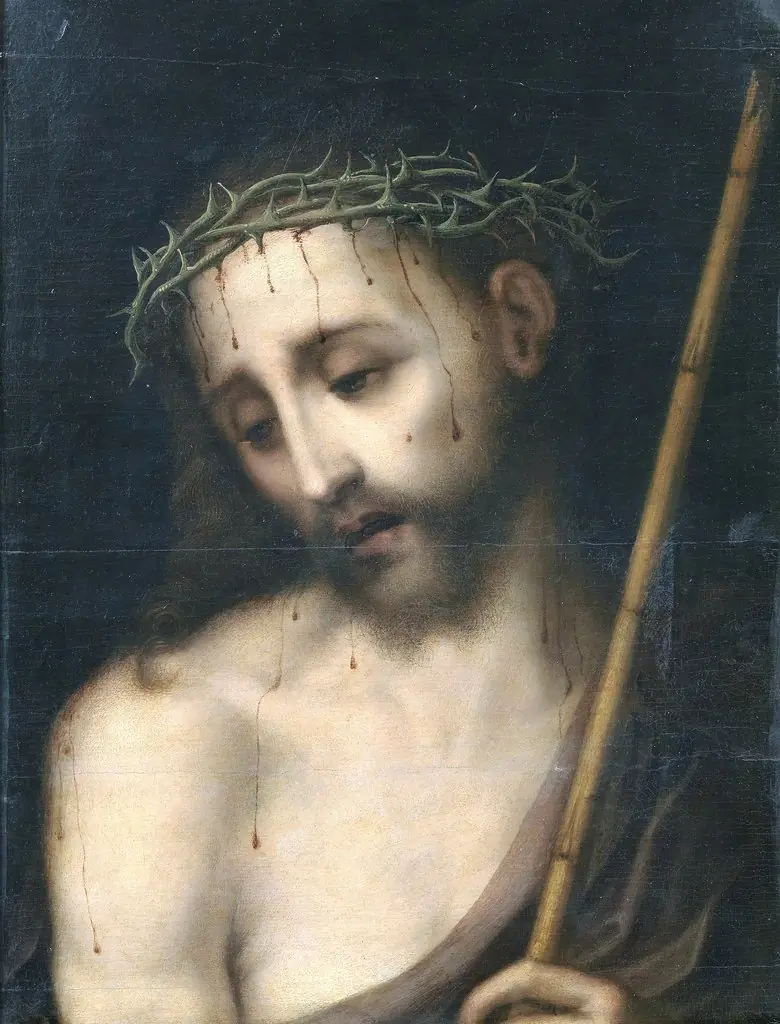
Christ's Agony in the Garden of Gethsemane is a photography by Unknown. It dates from 1658 and is held in the collection of the Statens Museum for Kunst.
About this work
Overview
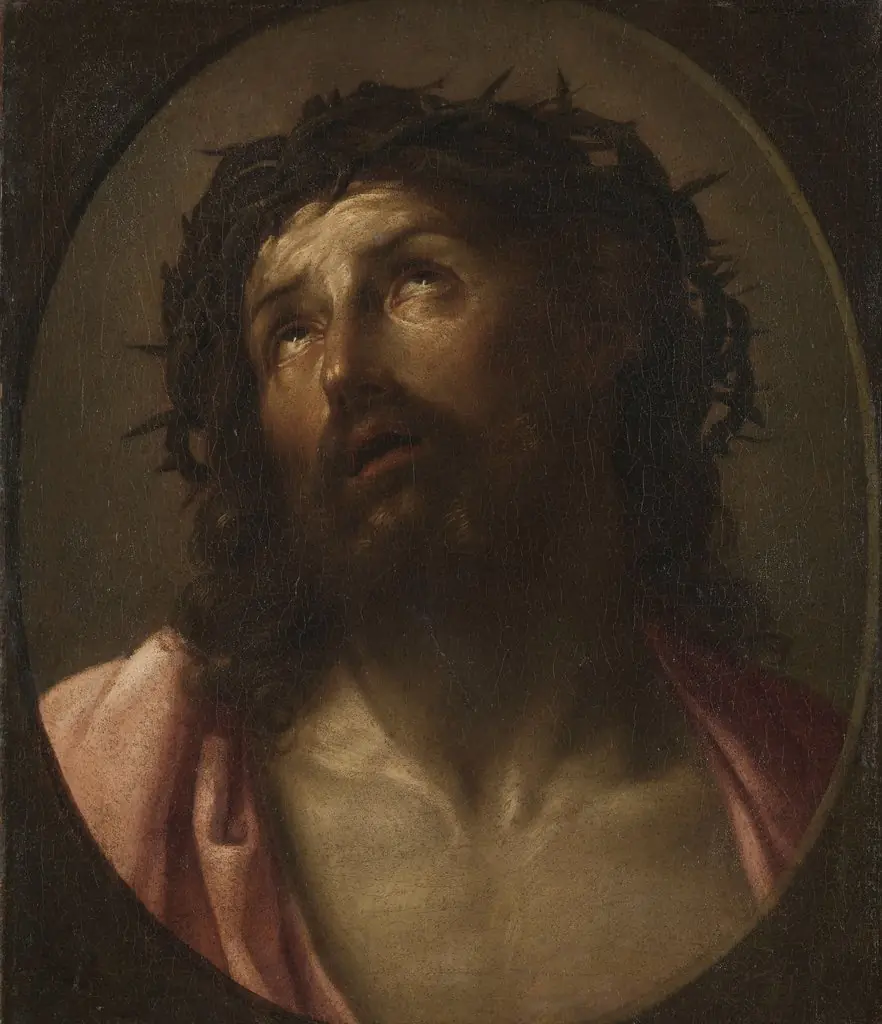
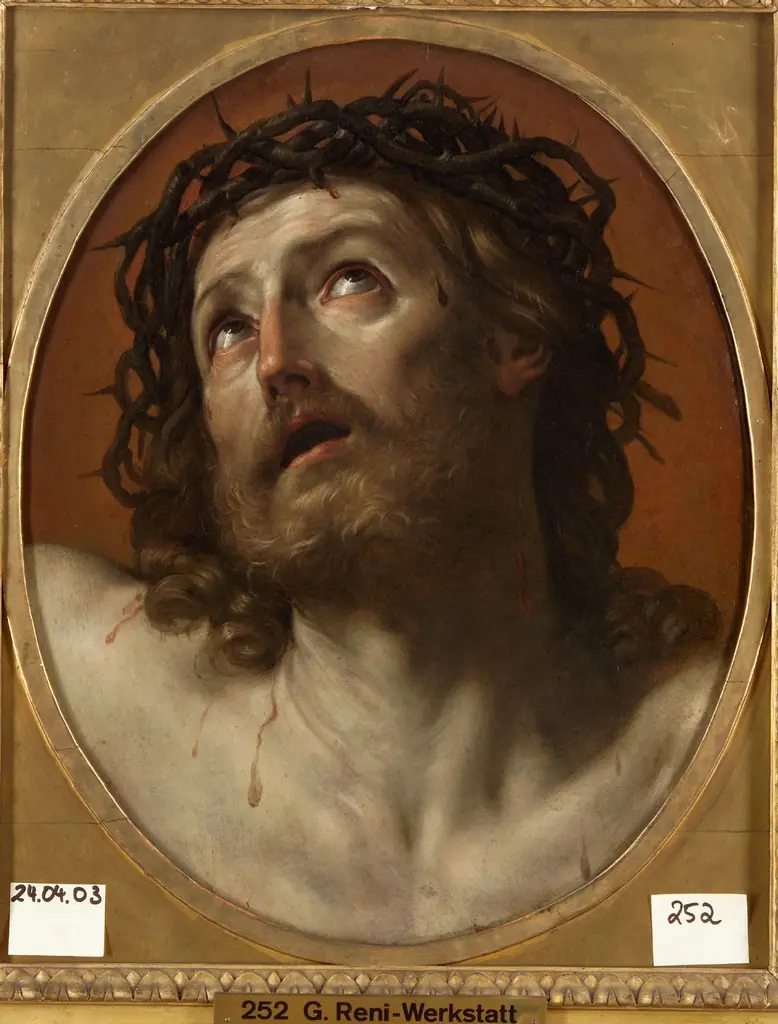
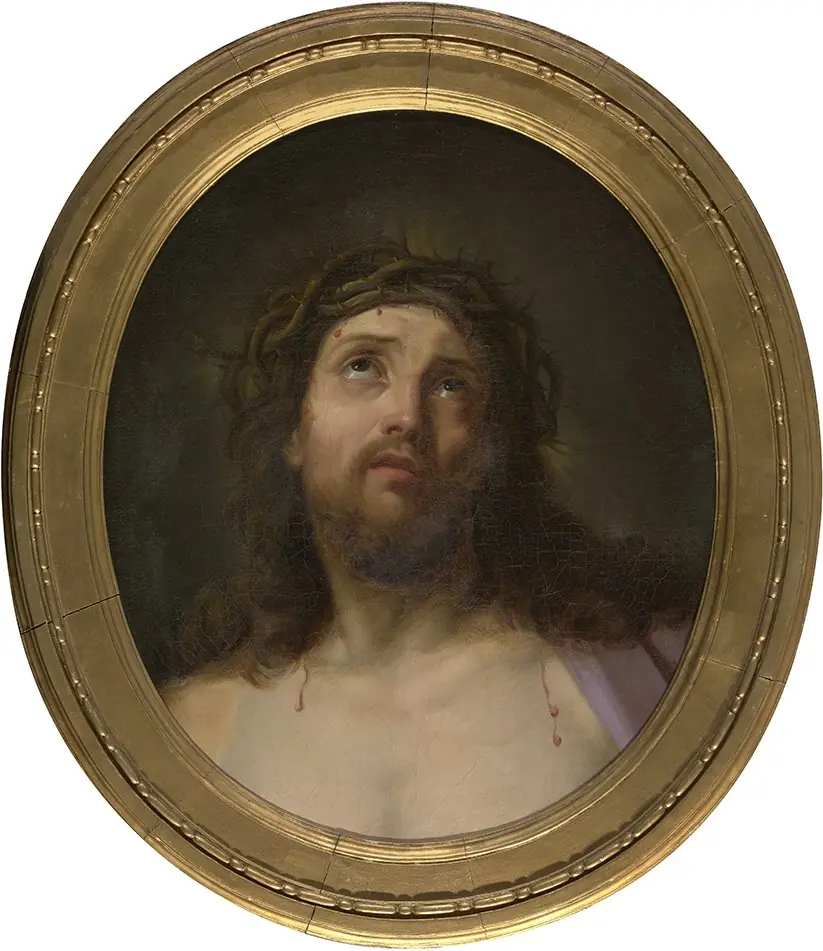
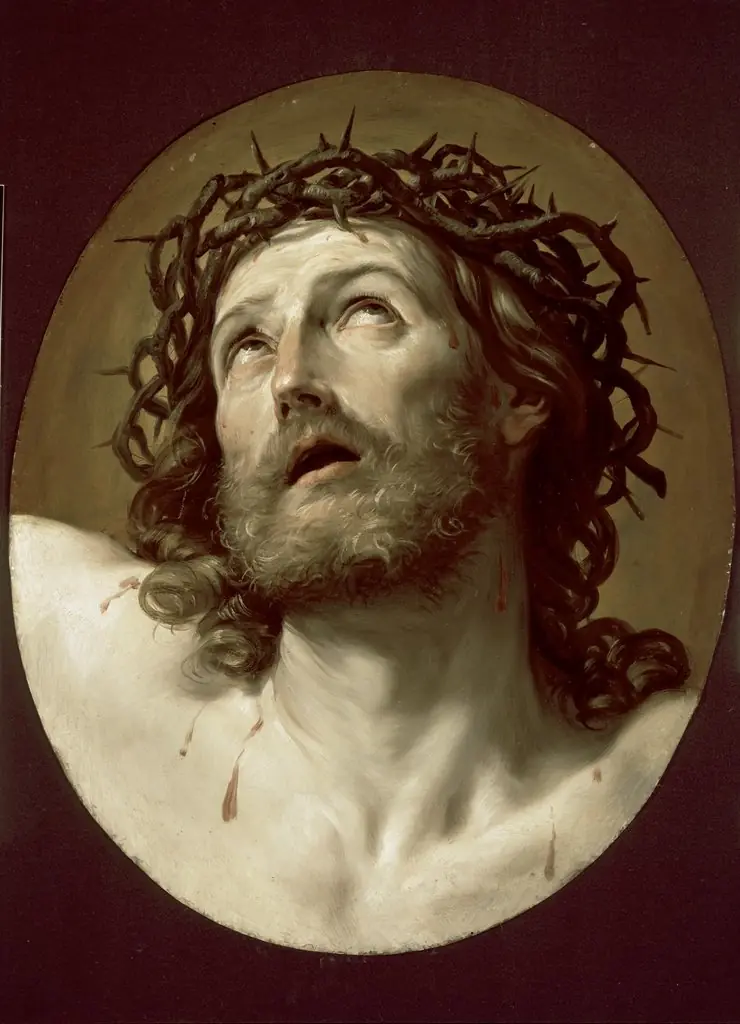
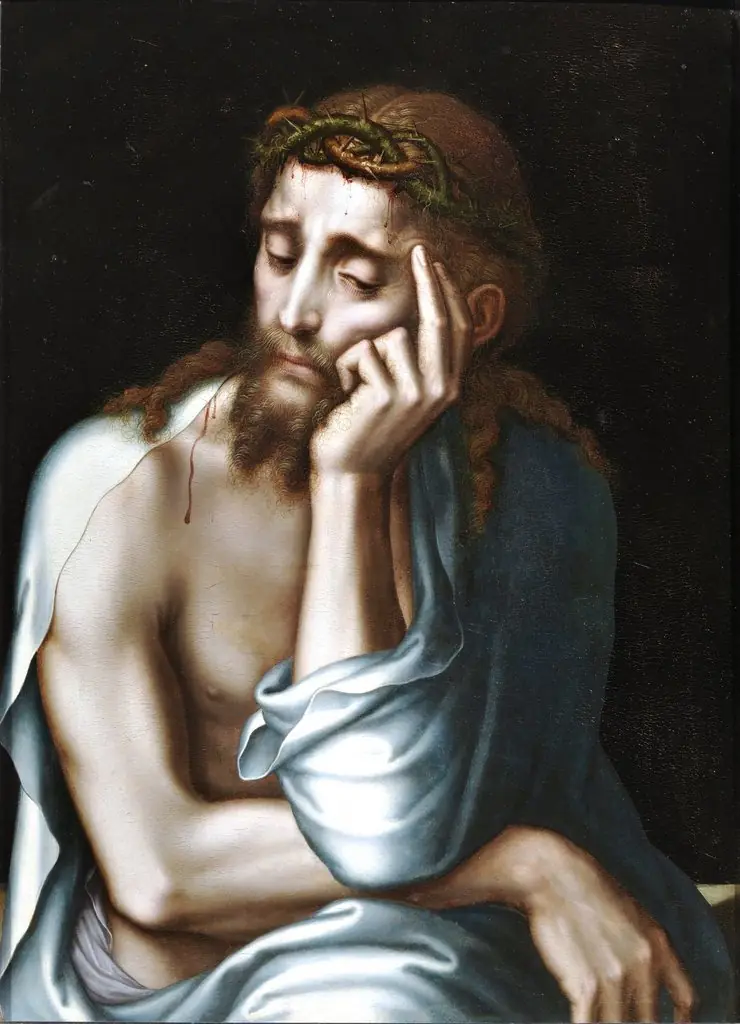
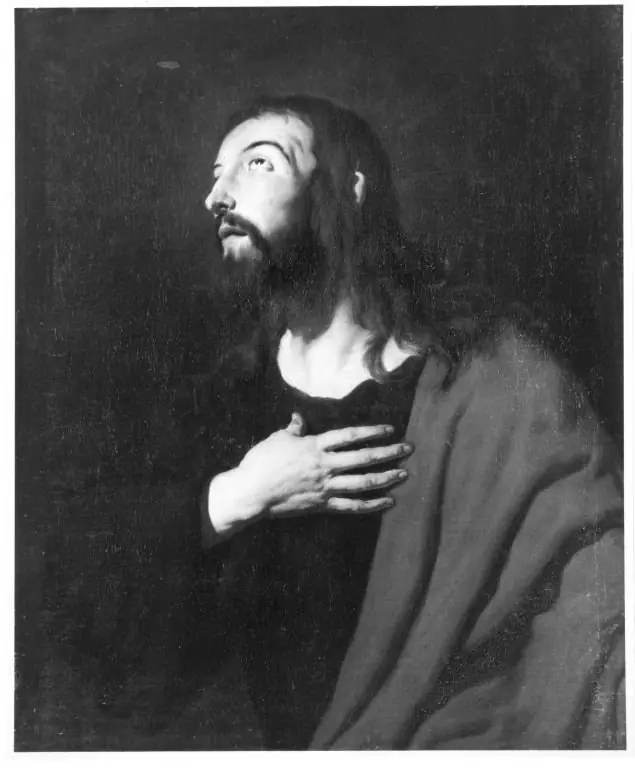
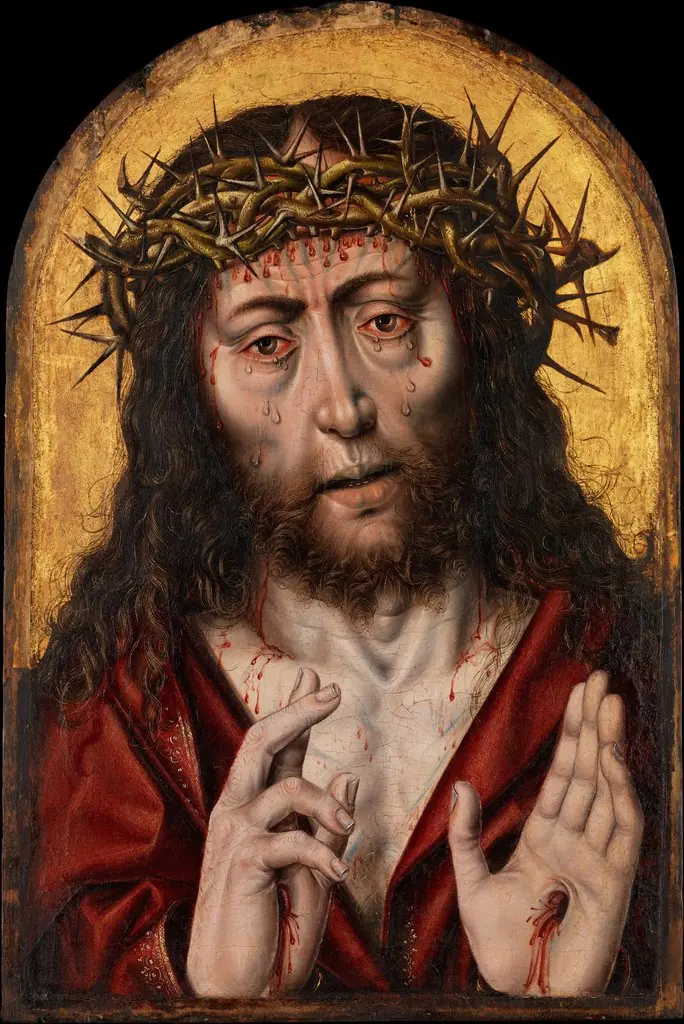
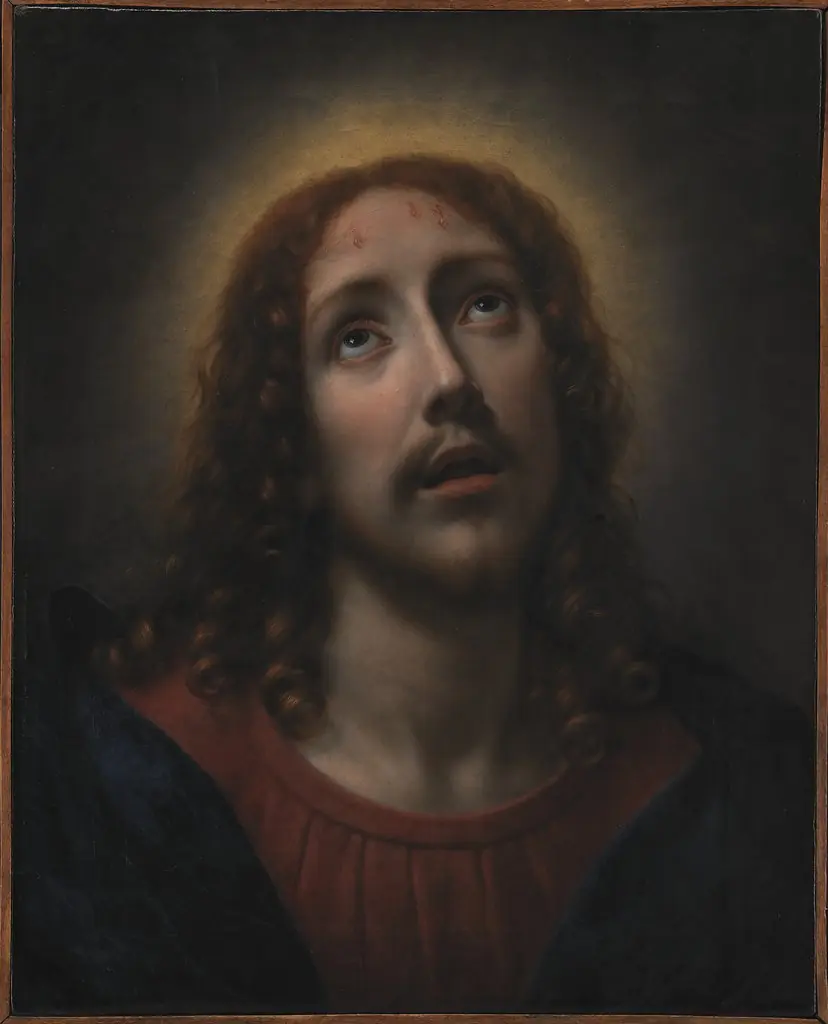
This oil painting depicts a solitary figure in a moment of profound distress, rendered around 1658 by an artist active in the mid-seventeenth century.
This oil painting depicts a solitary figure in a moment of profound distress, rendered around 1658 by an artist active in the mid-seventeenth century. The composition isolates the face and upper torso against a deep, unbroken shadow, emphasizing psychological intensity over narrative context. The work is part of the collection at the Museum of Ethnography, where it is presented as a devotional image rooted in Christian tradition.
Subject & Meaning
The figure represents Christ during his prayer in the Garden of Gethsemane, just before his arrest. His upward gaze and furrowed brow convey inner turmoil, capturing the biblical moment of human anguish amid divine acceptance. The halo-like glow suggests sacredness, while the red and gold garment alludes to both kingship and sacrifice. The absence of other figures heightens the sense of solitary suffering.
Technique & Style
The artist employs chiaroscuro to model the face with dramatic contrasts between light and shadow, enhancing emotional depth. Soft modeling of the skin and delicate highlights on the beard and brow create a lifelike presence. The red robe, subtly accented with gold, contrasts with the near-black background, drawing focus to the face. Brushwork is restrained, prioritizing expression over detail, typical of devotional portraiture of the period.
History & Provenance
The painting was likely produced in a European workshop during the mid-1600s, possibly for private devotion. It entered the Museum of Ethnography’s collection in the late nineteenth or early twentieth century, likely as part of a broader acquisition of religious artifacts. Its origins remain undocumented, but its style aligns with regional traditions of Counter-Reformation imagery.
Context
Created during a time when Catholic devotional art emphasized personal connection to Christ’s suffering, this work reflects broader trends in post-Tridentine spirituality. Its intimate scale and emotional focus mirror the era’s preference for contemplative imagery over grand narratives. Similar depictions circulated in homes and chapels, serving as aids to prayer and meditation.
Legacy
Though not widely published or exhibited beyond institutional circles, the painting contributes to the understanding of how religious emotion was visually encoded in early modern Europe. Its preservation in an ethnographic museum underscores its role as a cultural artifact, valued for its representation of faith practices rather than its artistic pedigree.
Artist & collection

 Domestic Scene
 Giacomo and Cardinal Marco, investing Andrea, Abbot of San Zeno, with his Benefice
 The Nymph of Fontainebleau
 Portrait of a Woman
 Madonna and Child with Saints in the Enclosed Garden
 Venus and Minerva
 Family Group of Four on Sofa
 Wall painting from Room H of the Villa of P. Fannius Synistor at Boscoreale