Artwork
The Redeemer
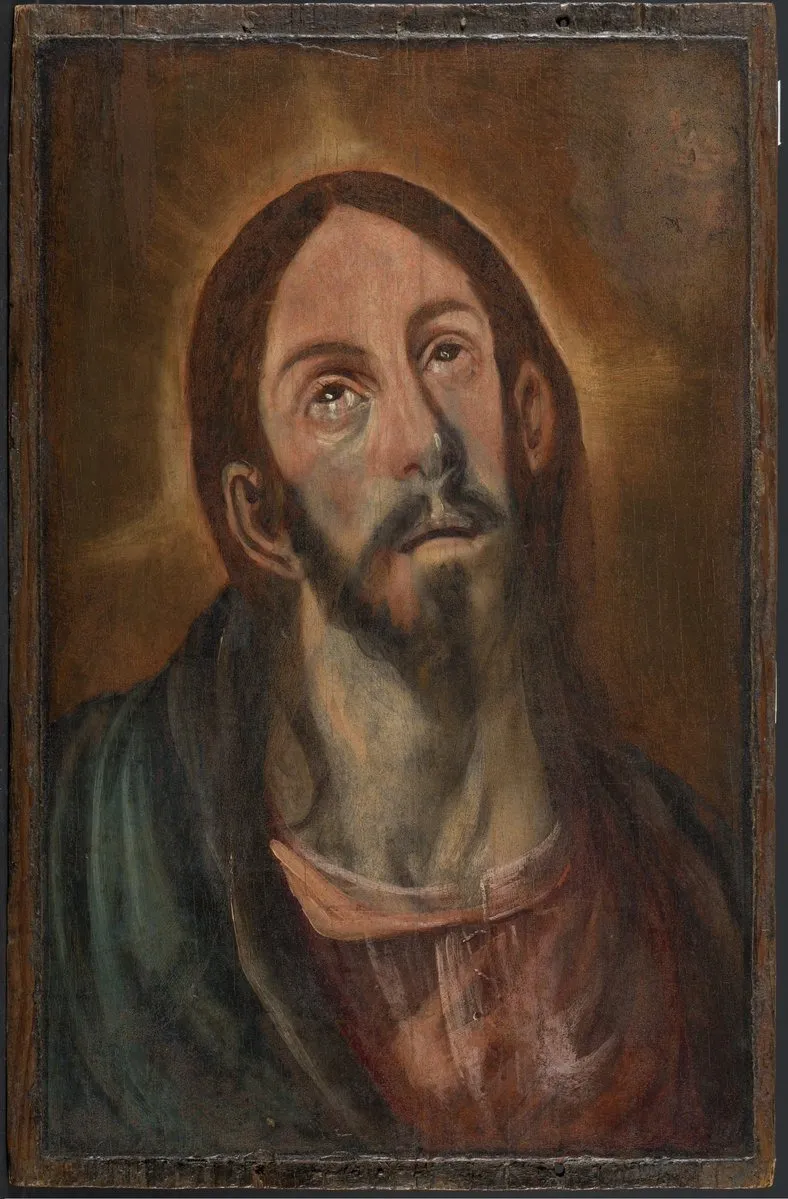
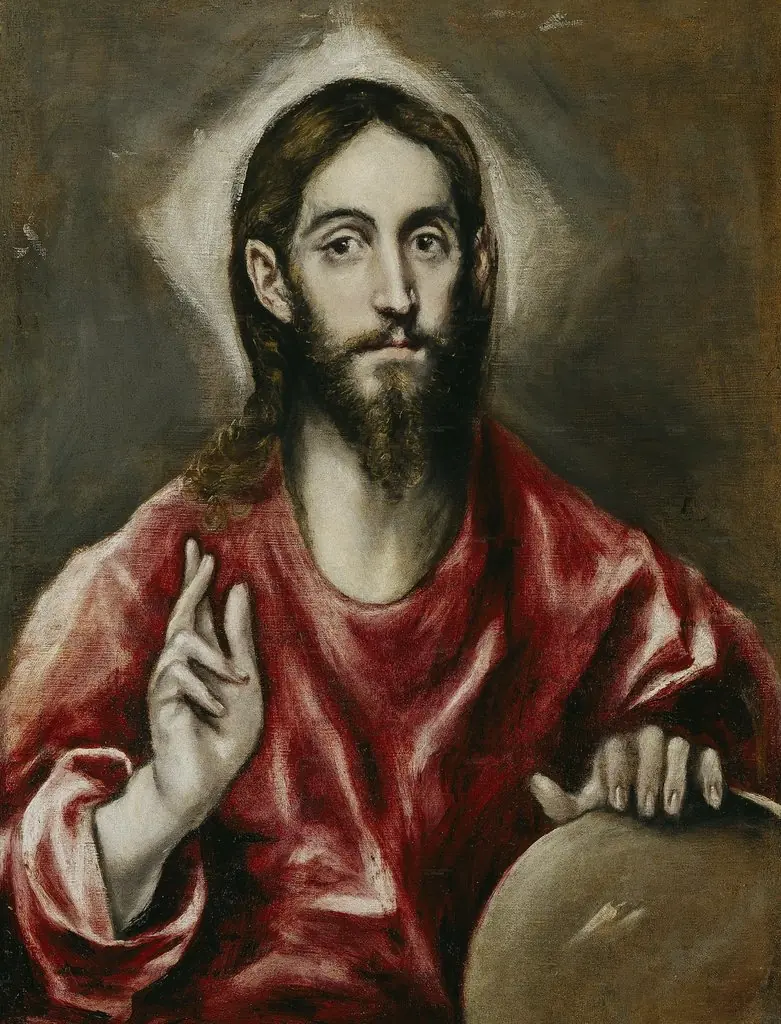
The Redeemer is an unspecified painting by the Mannerist artist El Greco. It dates from 1596 and is held in the collection of the Vatican Museums.
About this work
Overview
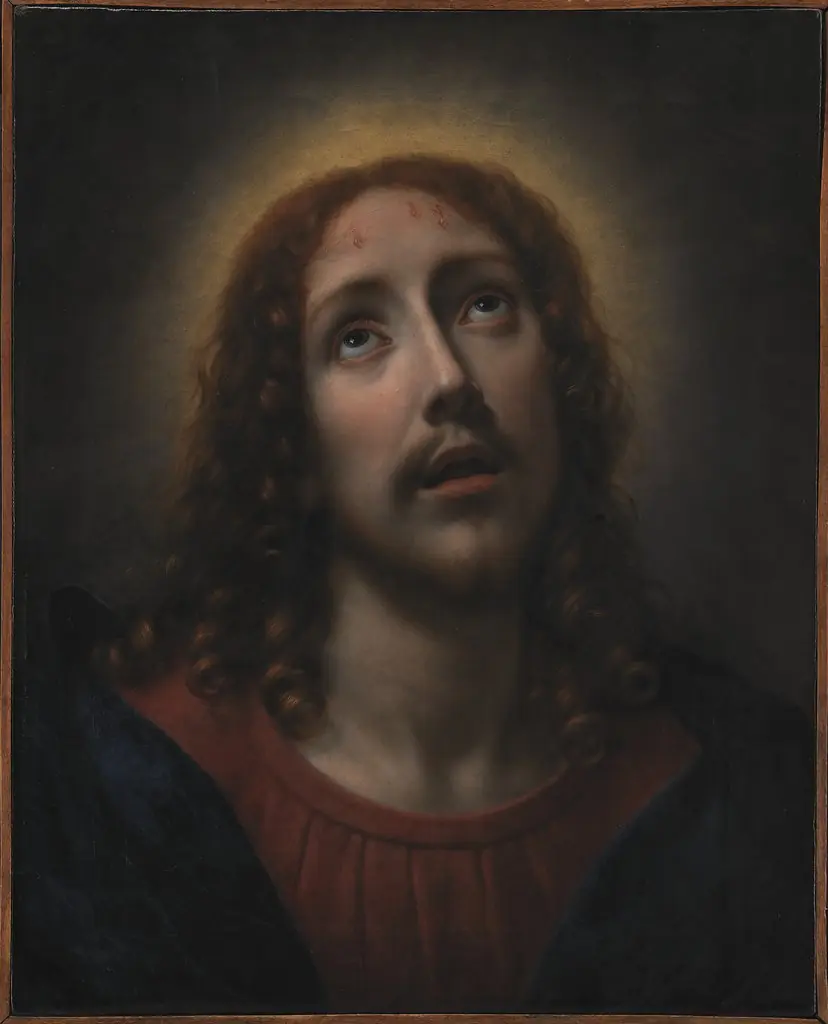
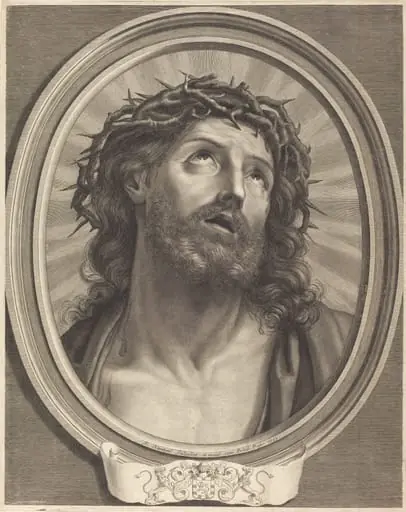
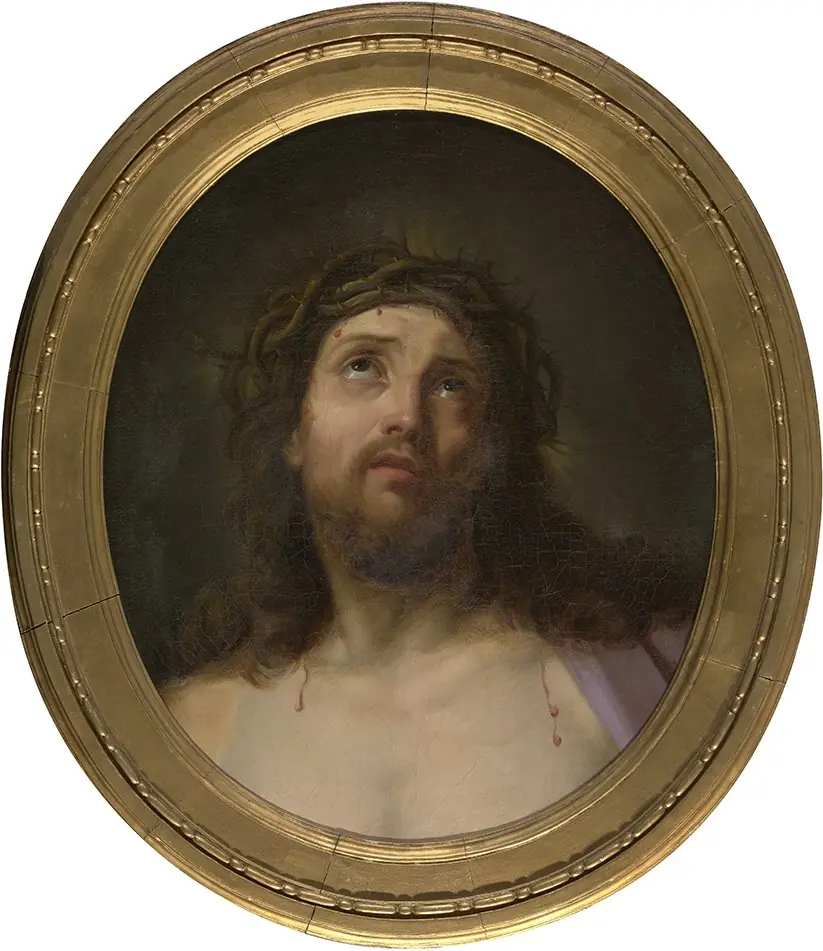
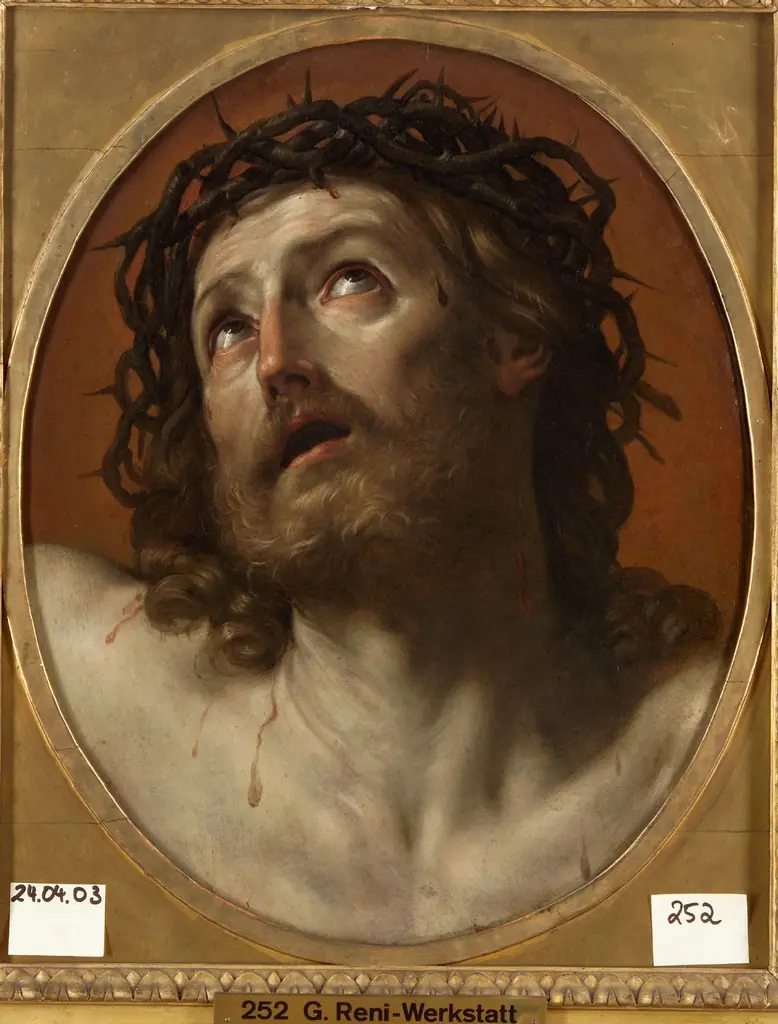
Painted in 1596 by Doménikos Theotokópoulos, known as El Greco, The Redeemer is a devotional portrait of Christ.
Painted in 1596 by Doménikos Theotokópoulos, known as El Greco, The Redeemer is a devotional portrait of Christ. Executed in oil on canvas, the work measures approximately 63 by 47 centimeters. It has been part of the Vatican Museums’ collection since the early twentieth century, where it is displayed among other Renaissance and Mannerist religious works. The composition is intimate, focusing solely on the figure of Christ against a luminous background.
Subject & Meaning
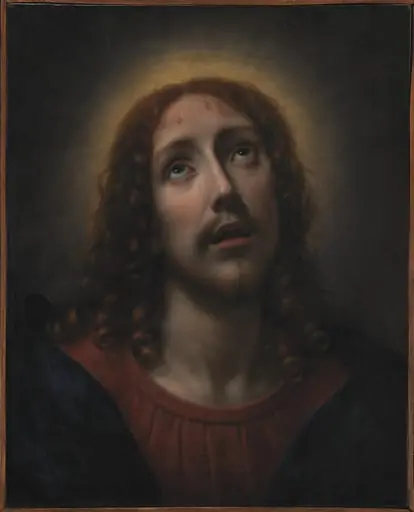
The painting presents Christ as the Redeemer, his gaze directed heavenward in quiet contemplation. His long hair and beard follow traditional iconography, while his calm expression conveys divine serenity rather than suffering. The upward gaze suggests intercession or prayer, reinforcing his role as mediator between humanity and the divine. The absence of narrative elements or symbols shifts focus entirely to his spiritual presence.
Technique & Style
El Greco employs chiaroscuro to model Christ’s face and robe with subtle gradations of light and shadow, lending volume without harsh contrasts. The dark, draped garment contrasts with the warm, golden background, enhancing the figure’s ethereal presence. Brushwork is fluid and expressive, with elongated forms and soft transitions characteristic of his Mannerist style. The background lacks detail, isolating the figure and deepening the meditative tone.
History & Provenance
The painting was likely commissioned for private devotion, possibly by a Spanish or Italian patron connected to the Counter-Reformation Church. It entered the Vatican’s collection in the early 1900s, acquired from a private Italian source. Prior to that, its whereabouts are undocumented, though its style and date align with El Greco’s later works produced in Toledo. No records indicate it was ever publicly exhibited before the twentieth century.
Context
Created during the height of the Counter-Reformation, the image reflects the Church’s emphasis on personal piety and Christ’s redemptive role. El Greco, working in Spain after training in Venice and Rome, synthesized Byzantine iconography with Italian Renaissance techniques. This painting exemplifies his unique fusion of spiritual intensity and stylized form, distinct from the naturalism favored in other parts of Europe at the time.
Legacy
The Redeemer remains a quiet but significant example of El Greco’s religious portraiture. While less famous than his larger altarpieces, it demonstrates his mastery in conveying inner spirituality through form and light. Scholars note its influence on later devotional imagery in Spain and its role in shaping perceptions of Christ’s humanity within Mannerist aesthetics. It continues to be studied for its emotional restraint and compositional clarity.
Artist & collection
Artist
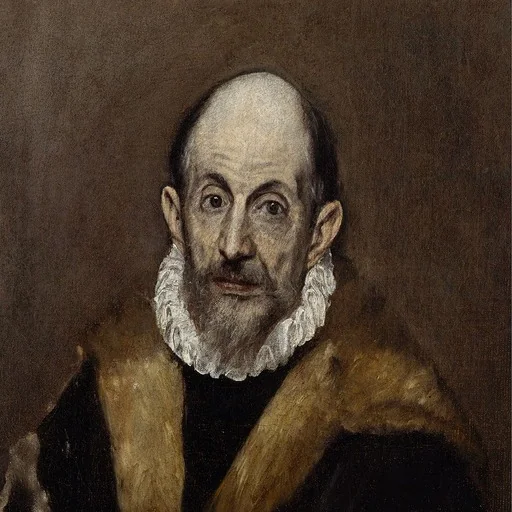
Doménikos Theotokópoulos was born in 1541 in Candia (modern Heraklion), the capital of Venetian-ruled Crete, where he was trained in the post-Byzantine tradition of icon painting.