Artwork
The Penitent Mary Magdalene
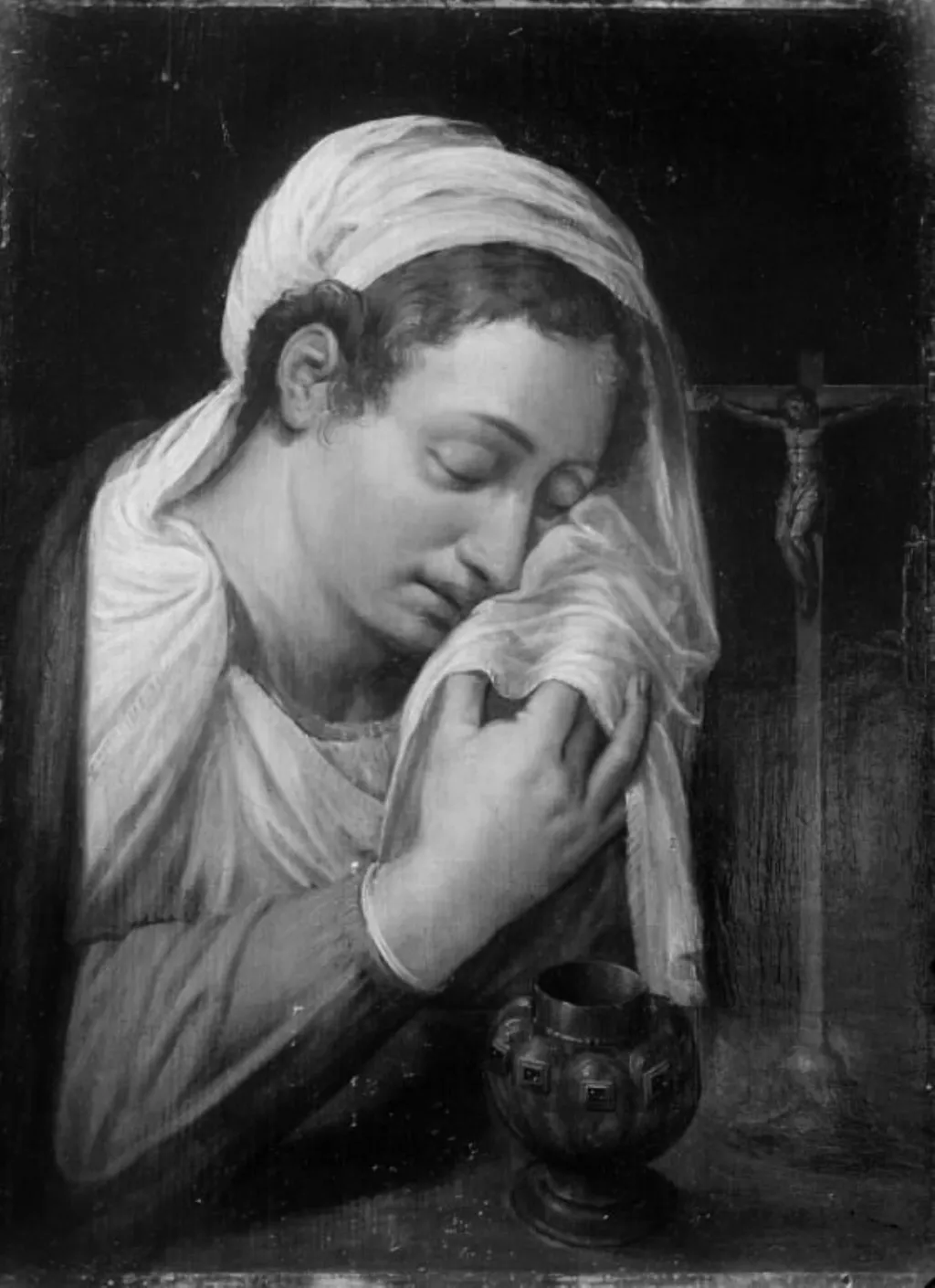
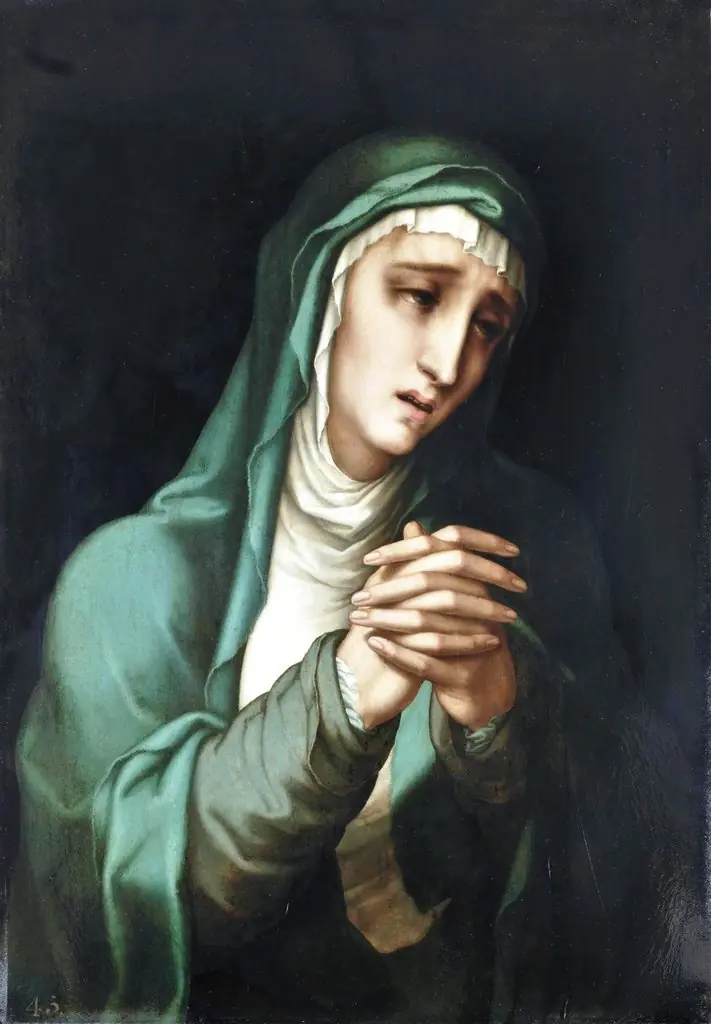
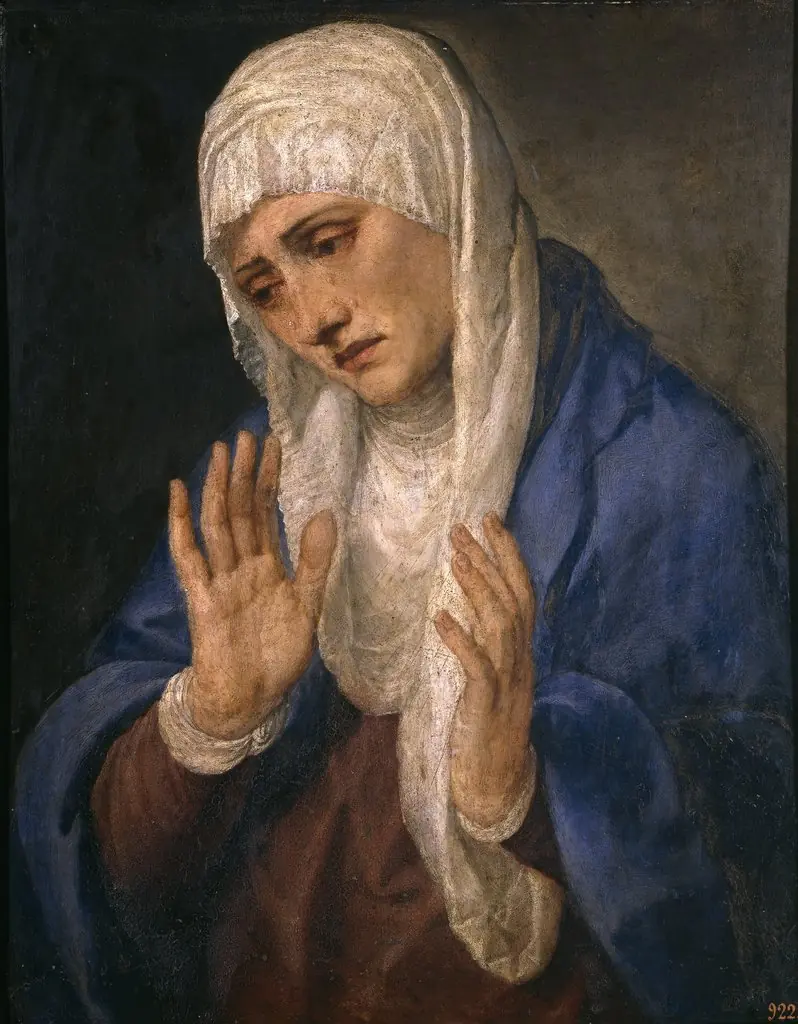
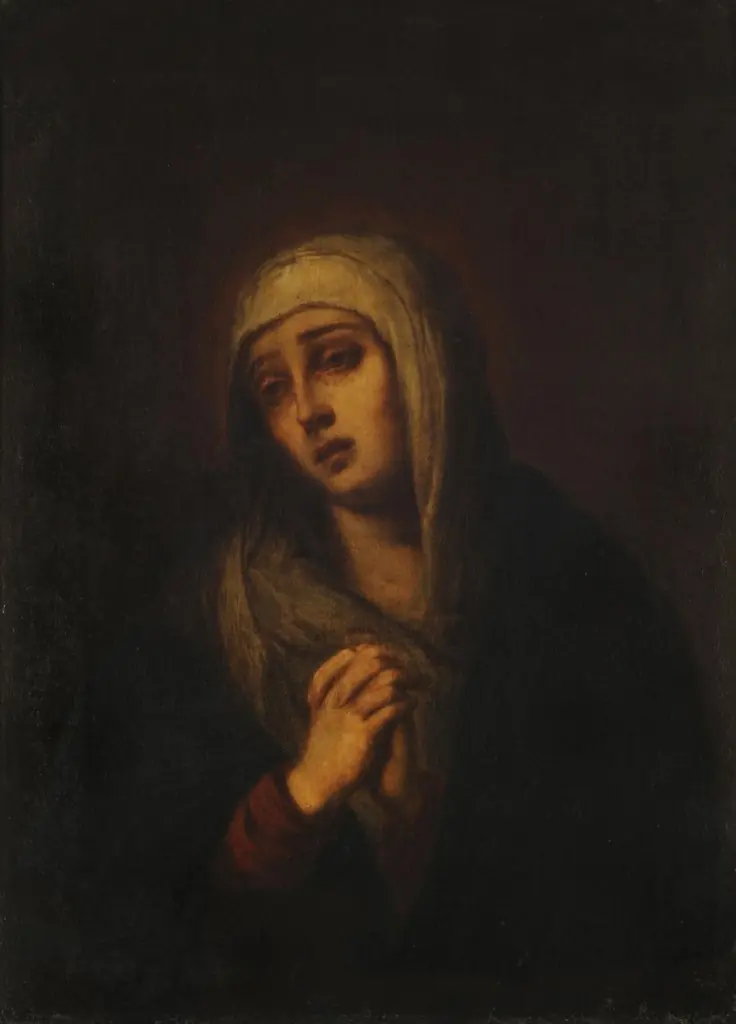
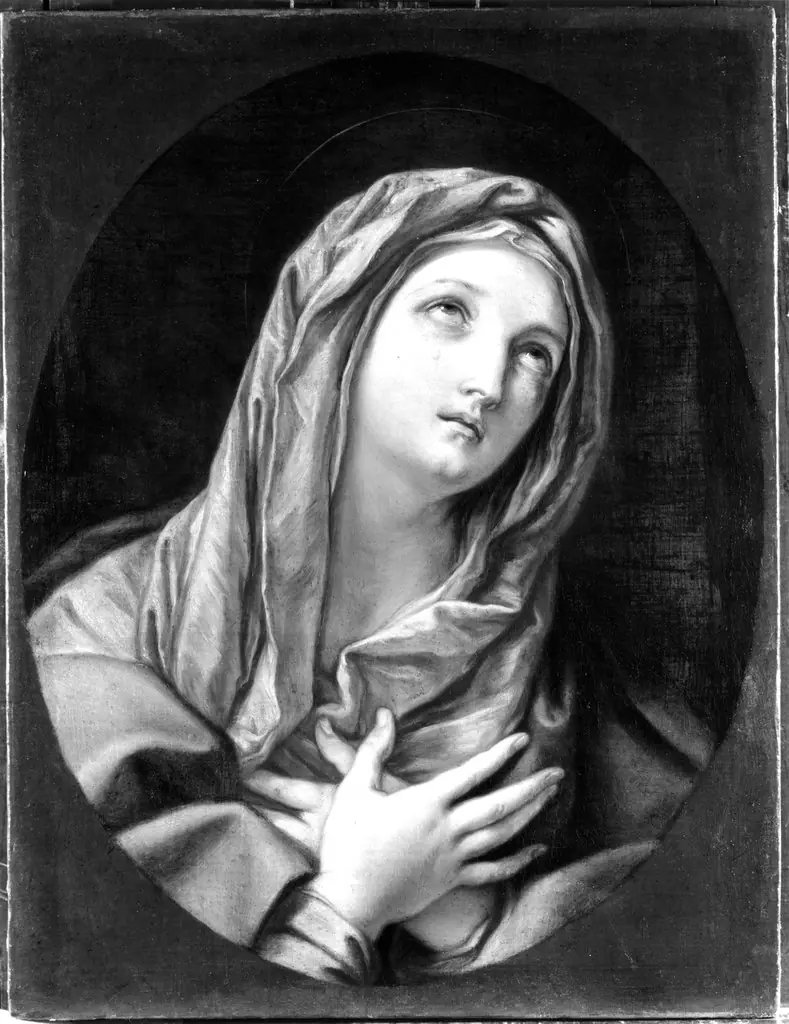
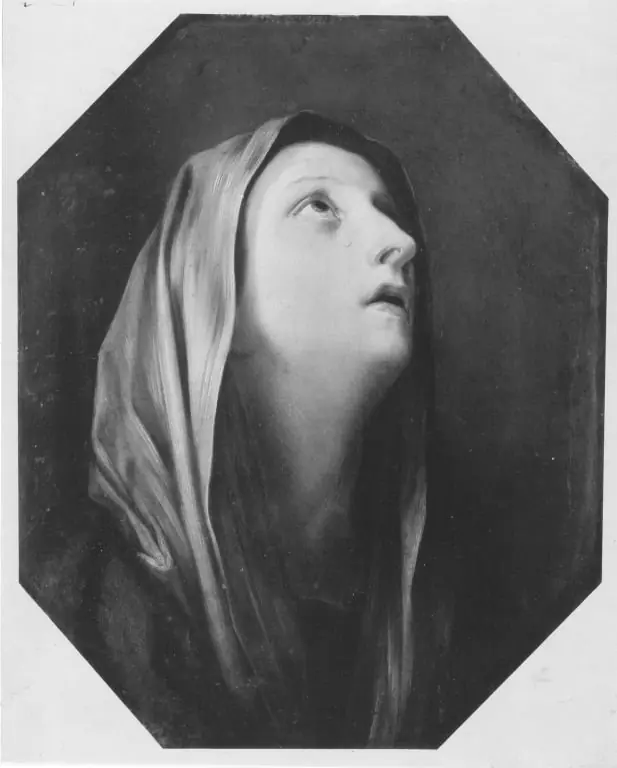
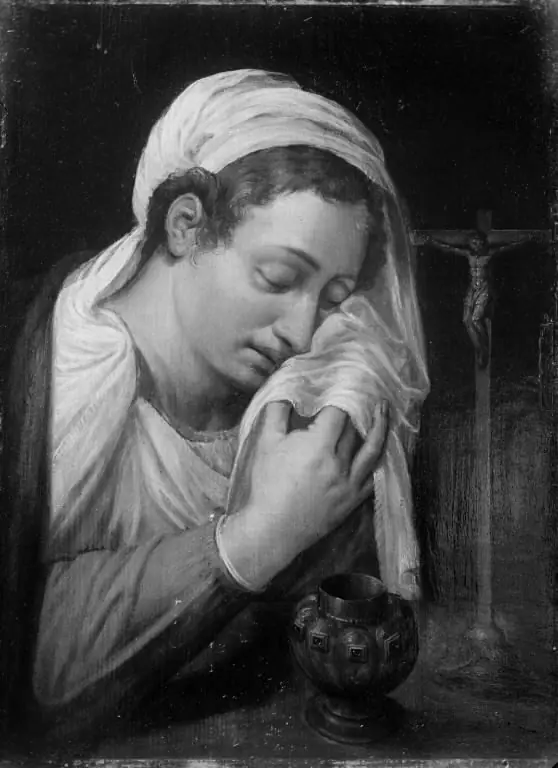
The Penitent Mary Magdalene is a photography by Unknown. It dates from 1550 and is held in the collection of the Statens Museum for Kunst. This black-and-white image, dated around 1550, depicts Mary Magdalene in a moment of quiet contemplation.
About this work
Overview
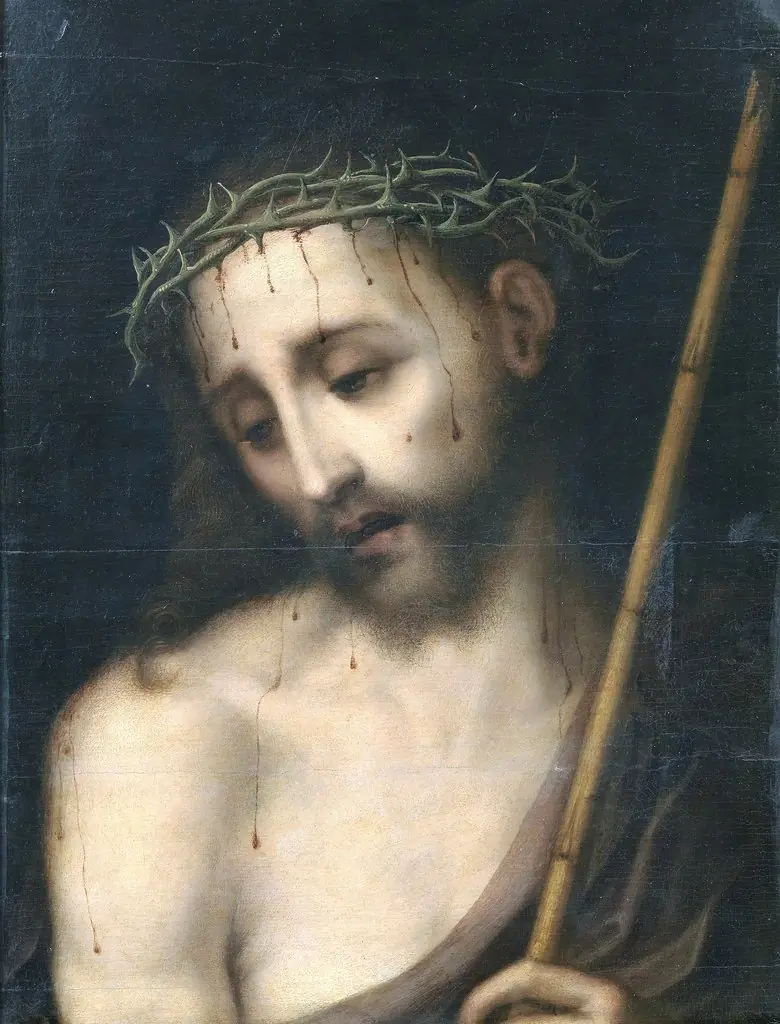
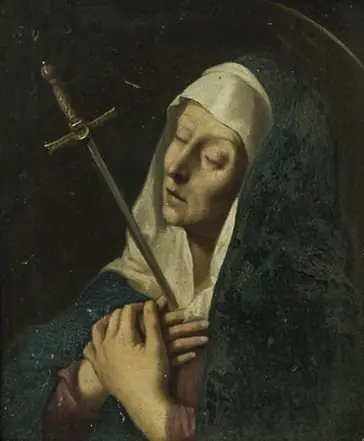
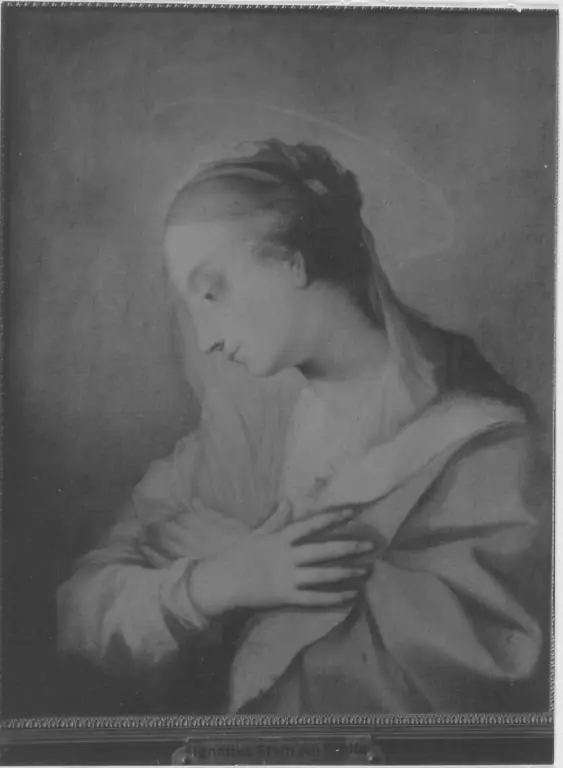
This black-and-white image, dated around 1550, depicts Mary Magdalene in a moment of quiet contemplation. Though attributed to an artist active in 1674, the work likely predates that date. It is preserved in the Museum of Ethnography. The composition relies on stark tonal contrasts to evoke emotional depth, with minimal detail and no color, emphasizing form and mood over ornamentation.
Subject & Meaning
The figure represents Mary Magdalene as a penitent, her bowed head and clasped hands signaling introspection and devotion. The absence of traditional symbols like jars or long hair shifts focus to inner spiritual state. The leaning wooden cross, subtly placed behind her, anchors the scene in Christian themes of repentance and redemption without overt narrative.
Technique & Style
The image employs chiaroscuro to model the figure’s face and form using only light and shadow. A single light source illuminates her features while the surrounding areas recede into deep tone, creating volume and stillness. The simplicity of the robes and headscarf, rendered without texture or pattern, reinforces the austerity of the moment and directs attention to the expression.
History & Provenance
The work’s origins are unclear, with no documented commission or early ownership. Its attribution to a 1674 artist may reflect a misdating or later association. It entered the Museum of Ethnography’s collection in the early 20th century, likely as part of a broader acquisition of devotional imagery from European folk or regional traditions.
Context
Created during a period when private devotion and contemplative imagery flourished in Europe, this piece reflects a shift toward intimate religious experiences. Unlike grand altarpieces, it was likely intended for personal meditation, possibly in a domestic or monastic setting. Its monochrome format suggests it may have been a preparatory study or a reproduction for devotional use.
Legacy
Though not widely known in mainstream art history, the image endures as an example of quiet, non-idealized religious representation. Its emphasis on emotional restraint and chiaroscuro resonates with later photographic and minimalist traditions. It remains a touchstone for studies of vernacular piety and the visual language of penitence outside formal ecclesiastical art.
Artist & collection

 Domestic Scene
 Giacomo and Cardinal Marco, investing Andrea, Abbot of San Zeno, with his Benefice
 The Nymph of Fontainebleau
 Portrait of a Woman
 Madonna and Child with Saints in the Enclosed Garden
 Venus and Minerva
 Family Group of Four on Sofa
 Wall painting from Room H of the Villa of P. Fannius Synistor at Boscoreale