Artwork
The Death of Socrates
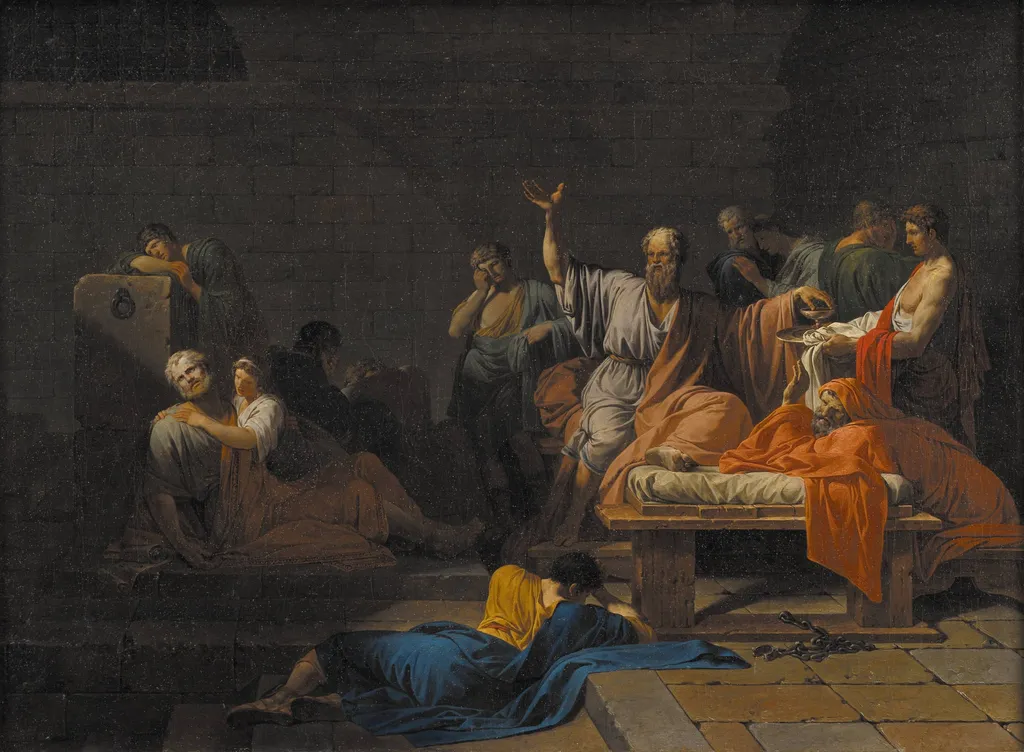
The Death of Socrates is a photography by Unknown. It dates from 1750 and is held in the collection of the Statens Museum for Kunst. Painted around 1750, this work depicts the final moments of Socrates’ life as he drinks the hemlock.
About this work
Overview
The artist employs chiaroscuro to isolate expressions and gestures, drawing attention to the emotional weight of the moment rather than architectural detail.
Painted around 1750, this work depicts the final moments of Socrates’ life as he drinks the hemlock. The scene unfolds in a modest, shadowed chamber, with figures gathered in quiet tension. The artist employs chiaroscuro to isolate expressions and gestures, drawing attention to the emotional weight of the moment rather than architectural detail. The composition centers on the philosopher’s calm acceptance amid the distress of those around him.
Subject & Meaning
The painting illustrates Socrates’ execution by state decree, as recounted in Plato’s Phaedo. Though surrounded by grieving disciples, Socrates remains composed, embodying philosophical resolve in the face of death. One figure holds a scroll, perhaps referencing his final teachings, while another gestures as if delivering a last argument. The wrapped body on the table suggests the ritual handling of the dead, reinforcing the gravity of the occasion.
Technique & Style
The artist uses stark contrasts of light and shadow to heighten emotional intensity, a hallmark of chiaroscuro. Faces and hands are illuminated against a deep, indistinct background, focusing the viewer’s attention on human reaction rather than setting. Brushwork is precise in rendering textures of fabric and skin, while the overall tone remains restrained, avoiding theatricality in favor of somber realism.
History & Provenance
The painting was created in the mid-18th century and entered the collection of the Museum of Ethnography in the 19th century. Its attribution to an artist active around 1720 remains uncertain, with no definitive documentation linking it to a known painter of the period. Early records suggest it may have been commissioned by a private collector interested in classical themes.
Context
Created during the Enlightenment, the painting reflects renewed interest in ancient Greek philosophy and civic virtue. Socrates’ willingness to die for his principles resonated with thinkers challenging authoritarian norms. While not tied to a specific political event, the image served as a visual allegory for intellectual integrity and moral courage in an age of questioning authority.
Legacy
Though not widely exhibited or reproduced, the painting remains a quiet testament to 18th-century engagement with classical ideals. Its restrained emotional tone distinguishes it from more dramatic contemporaries, offering a contemplative interpretation of Socrates’ death. It continues to be referenced in scholarly discussions on the visual representation of philosophy in early modern art.
Artist & collection

 Domestic Scene
 Giacomo and Cardinal Marco, investing Andrea, Abbot of San Zeno, with his Benefice
 The Nymph of Fontainebleau
 Portrait of a Woman
 Madonna and Child with Saints in the Enclosed Garden
 Venus and Minerva
 Family Group of Four on Sofa
 Wall painting from Room H of the Villa of P. Fannius Synistor at Boscoreale
 The Magnanimity of Lycurgus
 Coriolanus Taking Leave of his Family
 Brutus entdeckt die Namen seiner Söhne auf der Liste der Verschwörer und verurteilt sie zum Tode
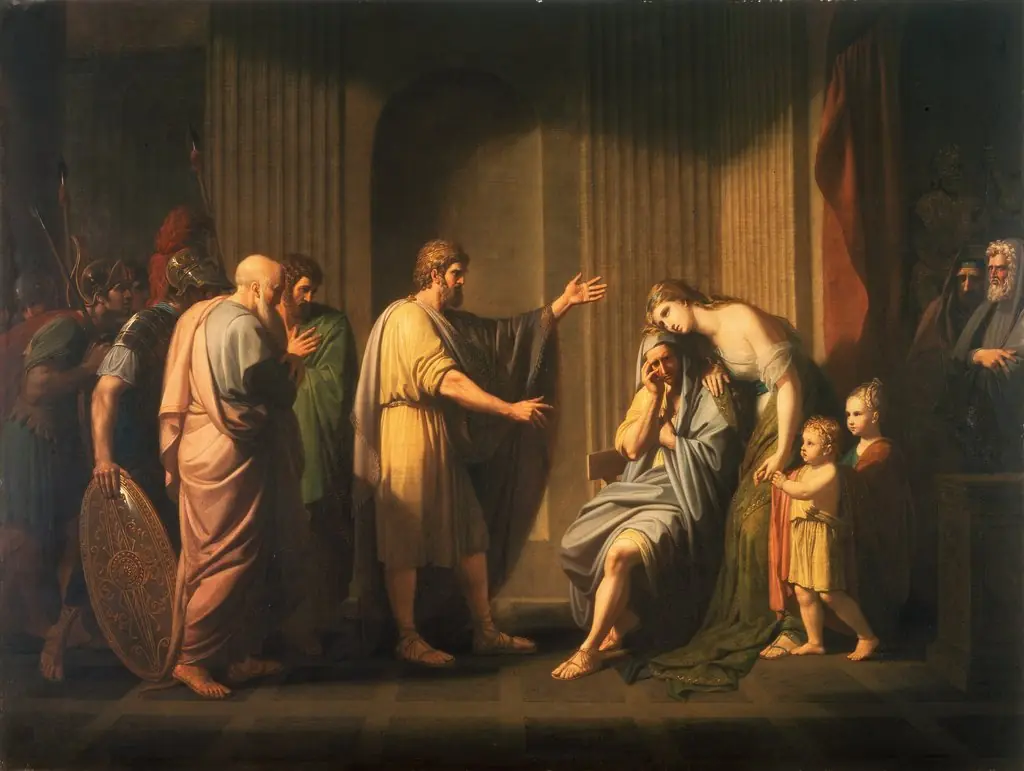 Cleombrotus Ordered into Banishment by Leonidas II, King of Sparta
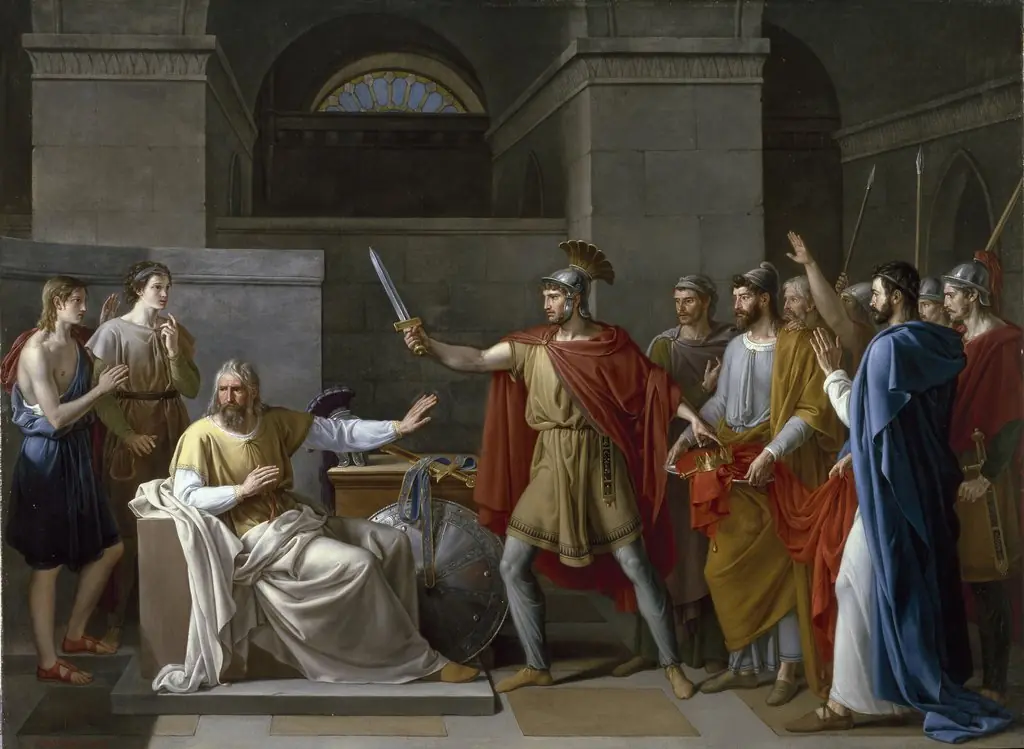 Wamba renouncing the Crown
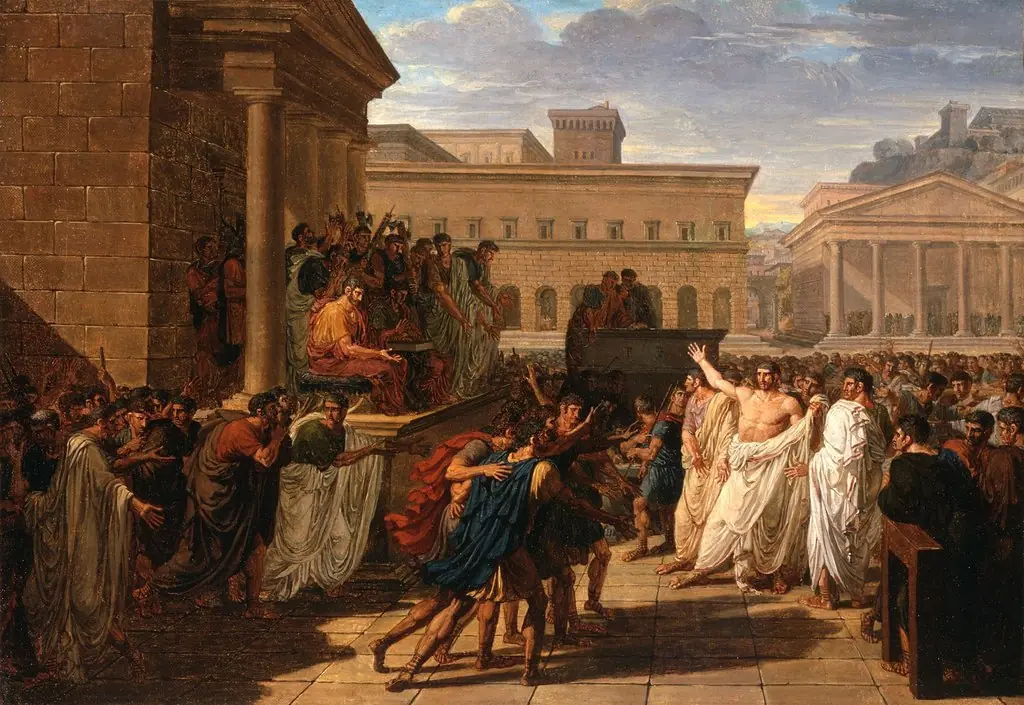 Brutus Listening to the Ambassadors from the Tarquins
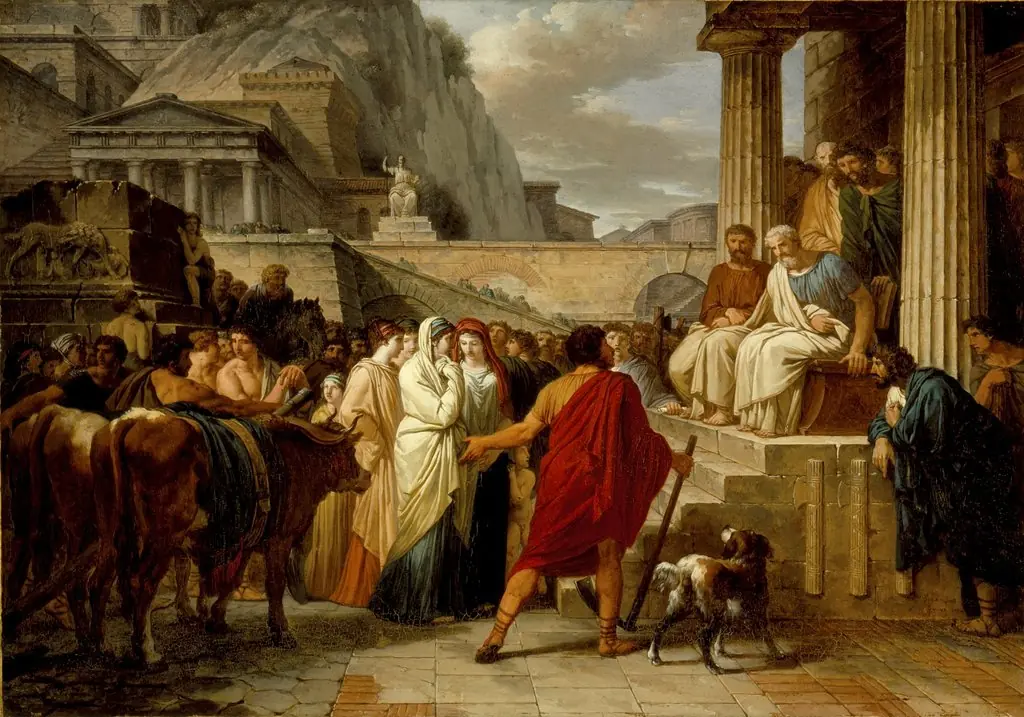 Caius Furius Cressinus Accused of Sorcery
 Roman Women Offering Their Jewellery in Defence of the State
 The Predication of Saint Paul