Artwork
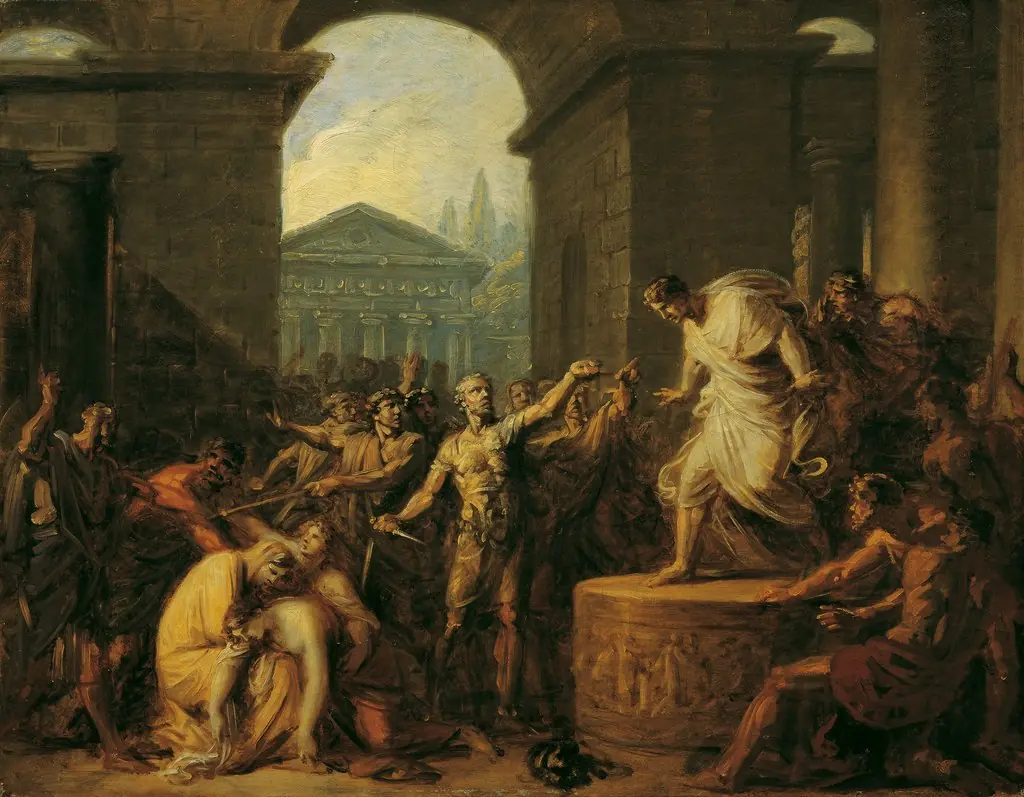
Brutus entdeckt die Namen seiner Söhne auf der Liste der Verschwörer und verurteilt sie zum Tode
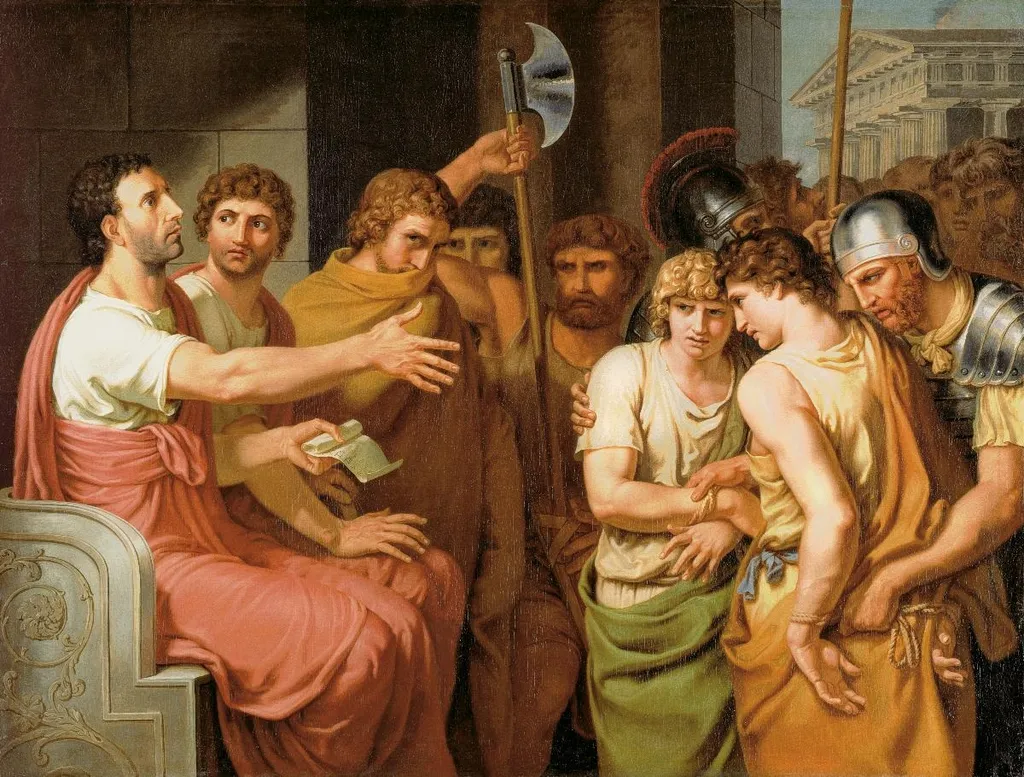
Brutus entdeckt die Namen seiner Söhne auf der Liste der Verschwörer und verurteilt sie zum Tode is an oil painting by the Neoclassicist artist Johann Heinrich Wilhelm Tischbein. It dates from 1796 and is held in the collection of the Kunsthaus Zürich. Johann Heinrich Wilhelm W.
About this work
Overview
Johann Heinrich Wilhelm W. Tischbein completed this oil on canvas in 1796. Executed in the neoclassical idiom, the work is part of the collection of the Kunsthaus Zürich. It portrays a dramatic moment from early Roman history, focusing on the consul Lucius Junius Brutus as he pronounces death upon his own sons for treason.
Subject & Meaning
The scene captures Brutus seated on a chair, clothed in a white tunic and pink toga, holding a list of conspirators in his right hand while extending his left arm in a gesture of condemnation. Around him stand Roman figures in varied hues—yellow, green, brown—some armored with helmets and bearing weapons, emphasizing the gravity of the betrayal against the Republic.
Technique & Style
Tischbein employs a restrained palette of earthy browns and tans, lending the composition a warm tonal harmony typical of neoclassical painting. The figures are rendered with clear outlines and balanced proportions, while the architectural backdrop with columns provides a structured setting that reinforces the classical theme.
History & Provenance
Created toward the end of the 18th century, the painting entered the holdings of the Kunsthaus Zürich, where it remains on display. Its provenance traces directly from Tischbein’s studio to the Swiss museum, reflecting the work’s early acquisition by a public collection.
Artist & collection
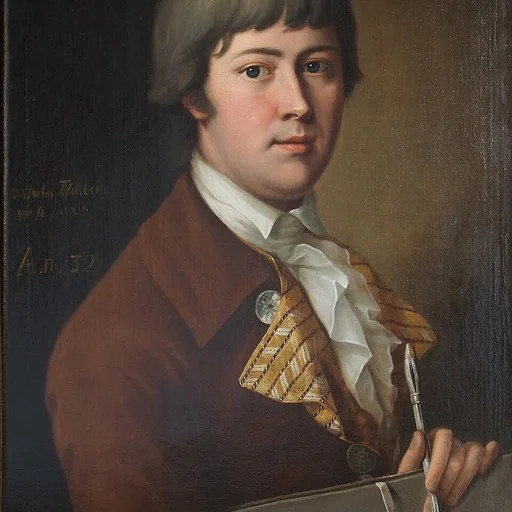
Artist
Johann Heinrich Wilhelm Tischbein
Johann Heinrich Wilhelm Tischbein, known as the Goethe Tischbein (15 February 1751 – 26 June 1829), was a German painter from the Tischbein family of artists.

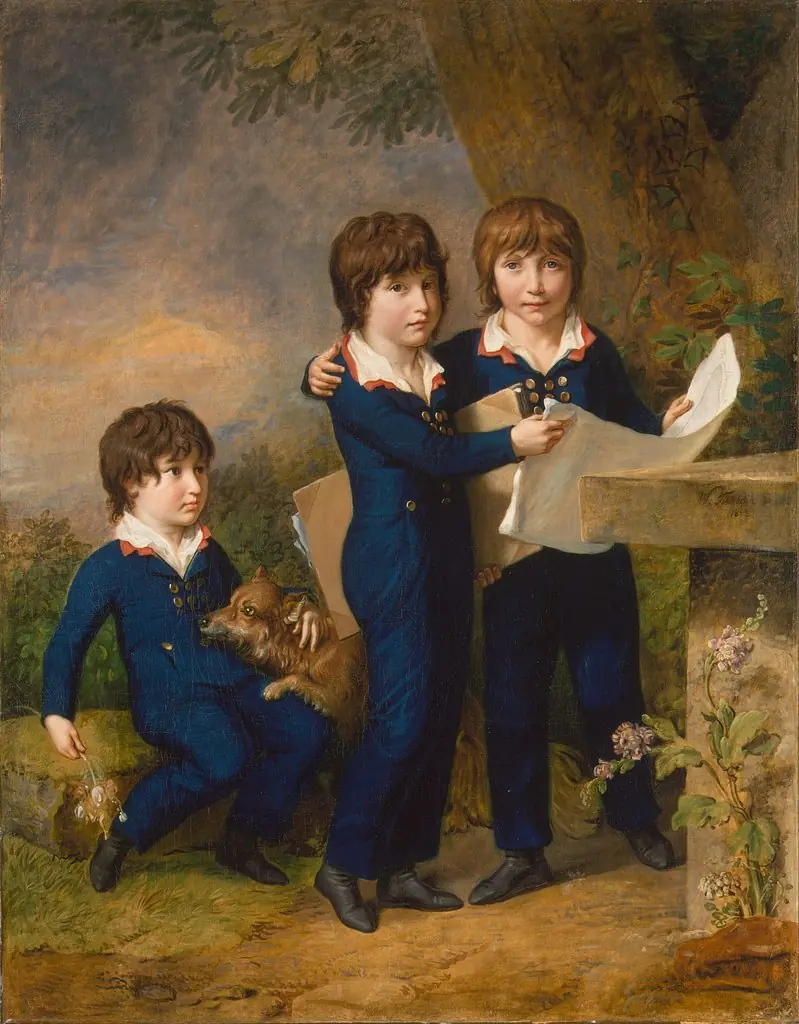 The Children of Martin Anton Heckscher: Johann Gustav Wilhelm Moritz (1797–1865), Carl Martin Adolph (1796–1850), and Leopold (born 1792)
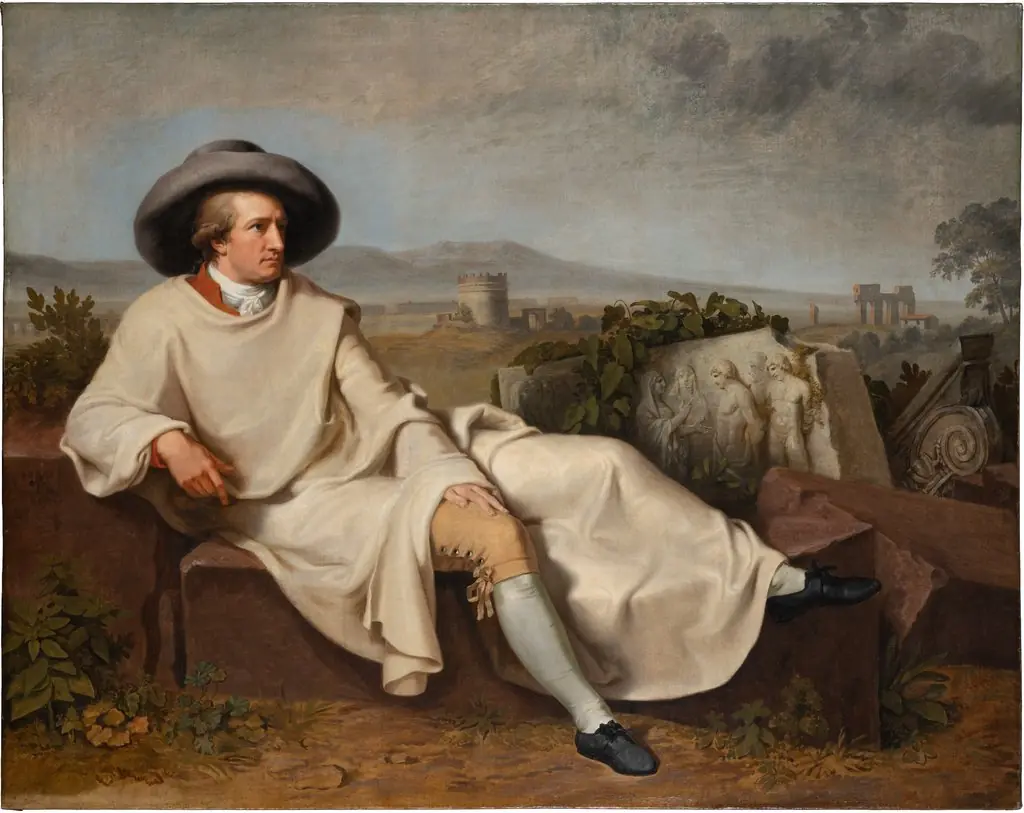 Goethe in the Roman Campagna
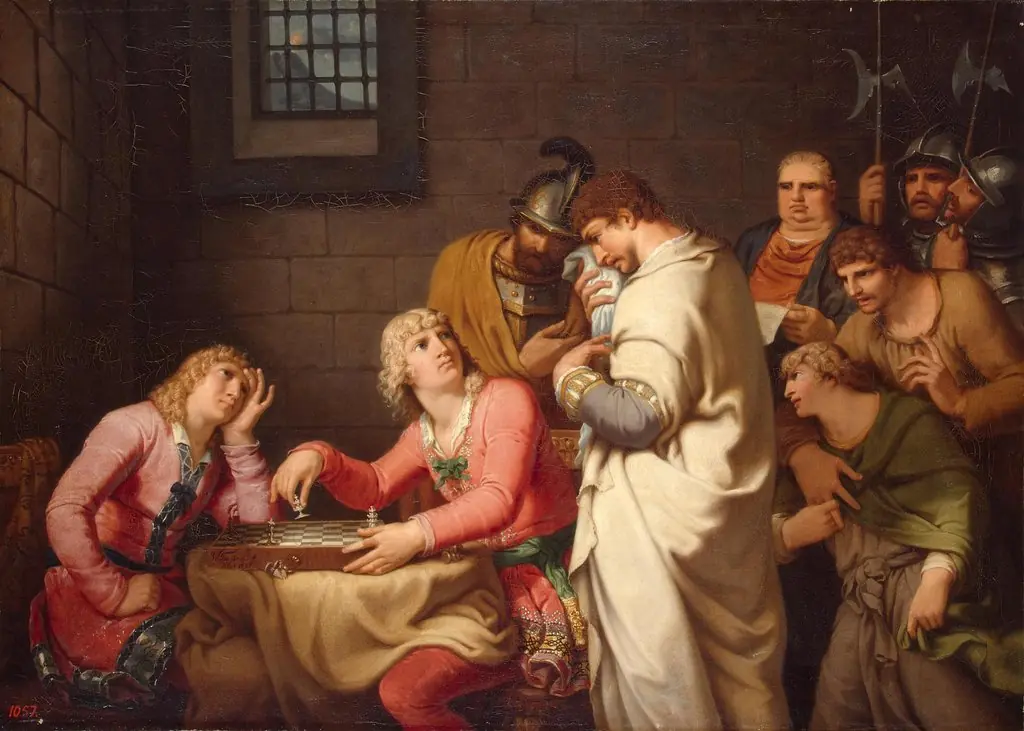 Conradin of Swabia and Friedrich of Baden Awaiting Sentence
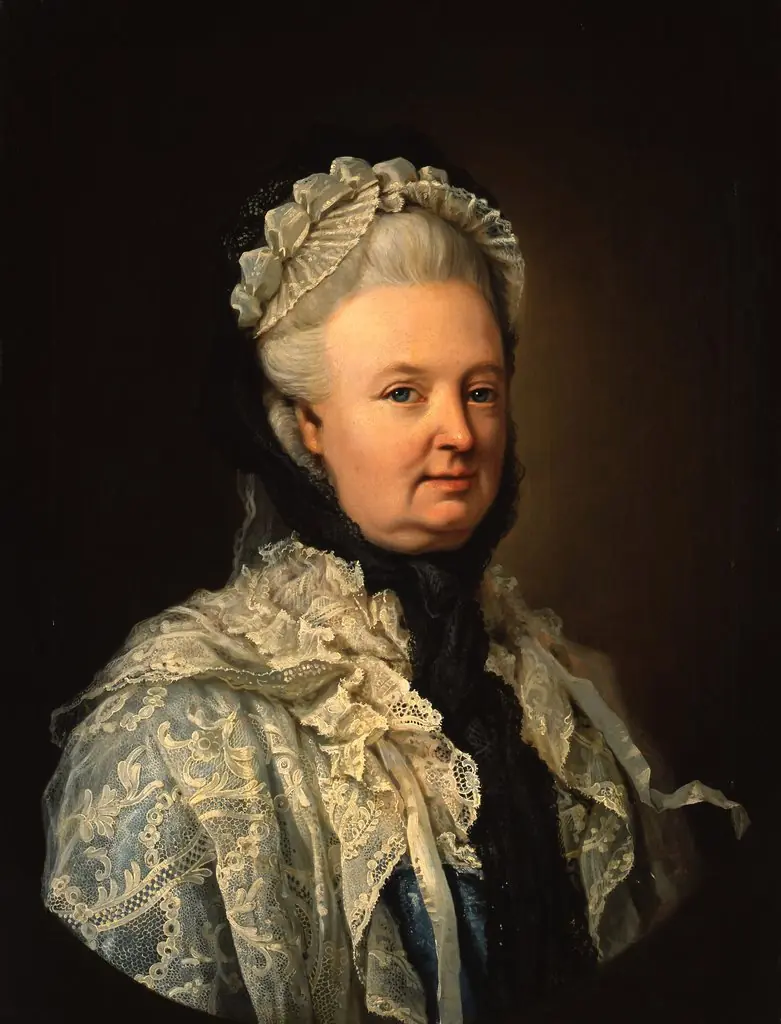 Portrait of Queen Elisabeth Christine von Preußen
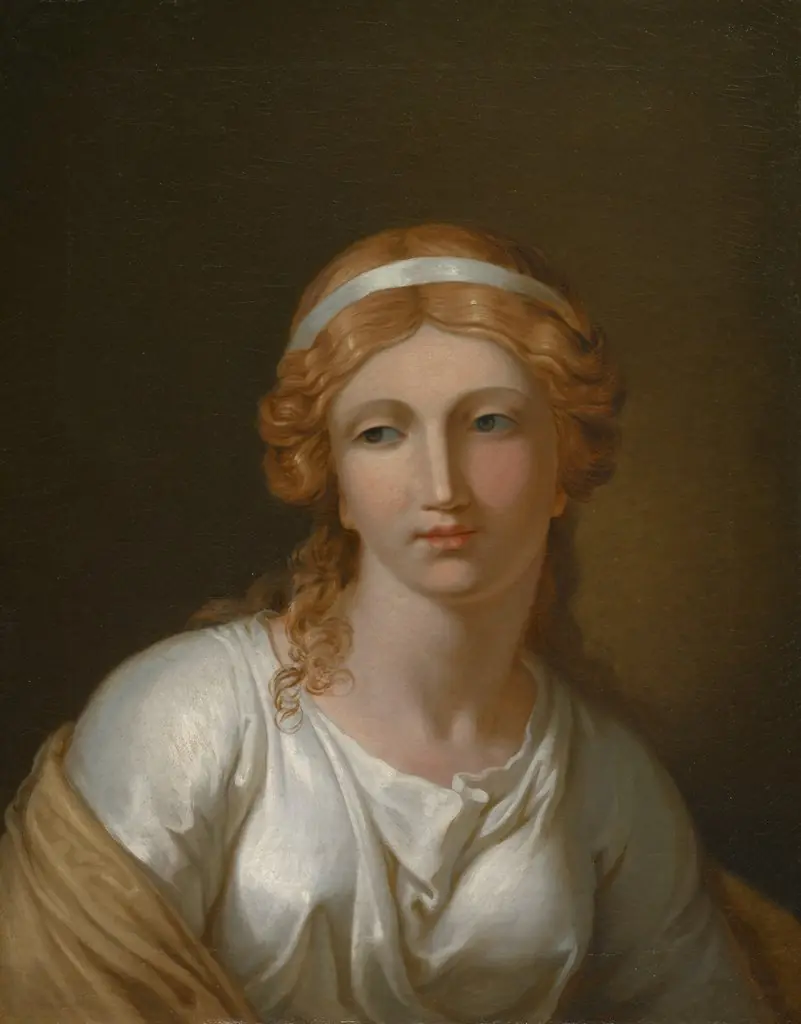 Helen
Helen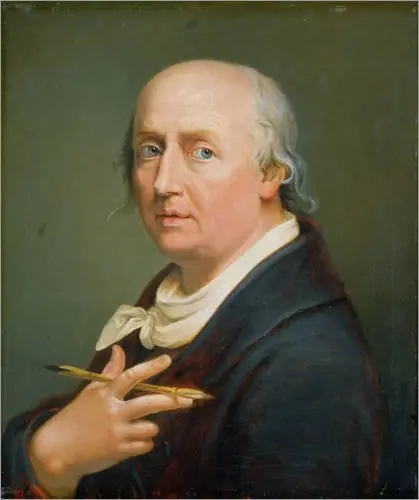 Self portrait of Johann Heinrich Wilhelm Tischbein (1751-1829)
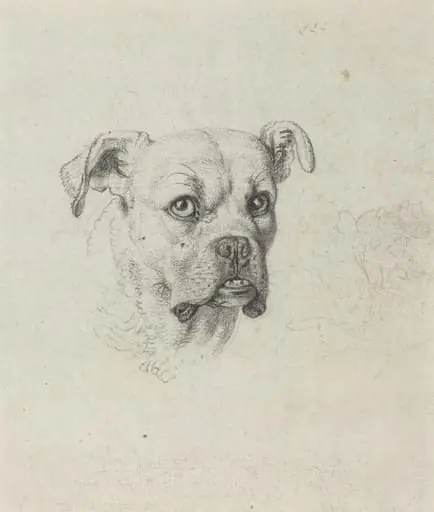 A Boxer
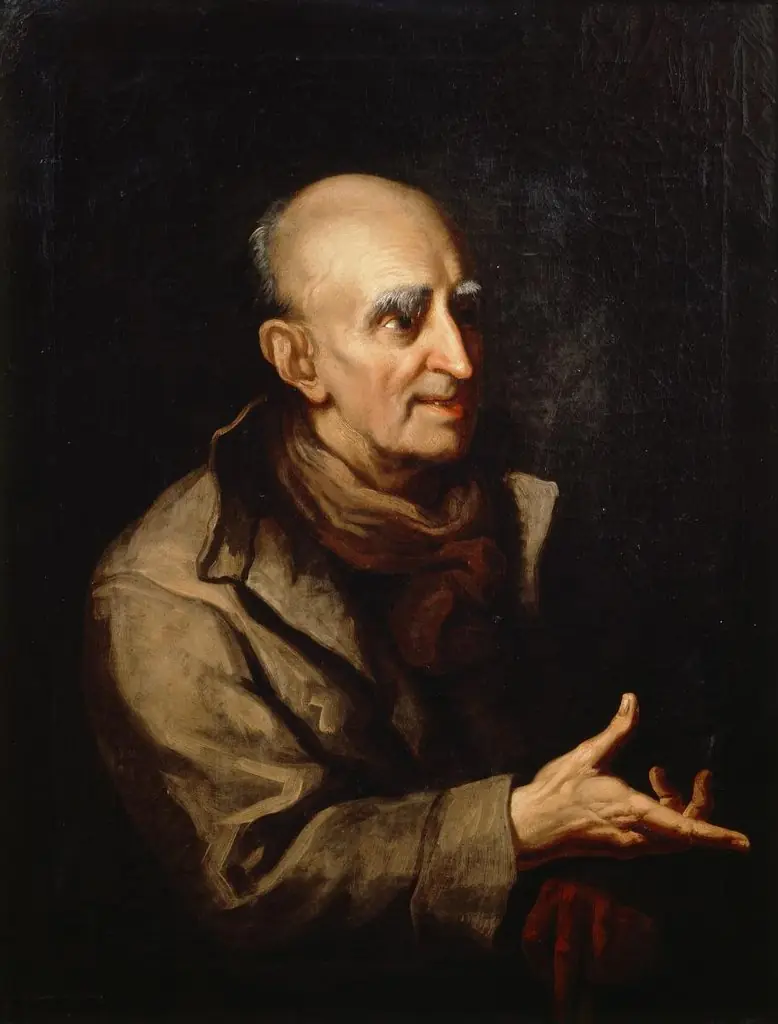 Bildnis Johann Jacob Bodmer
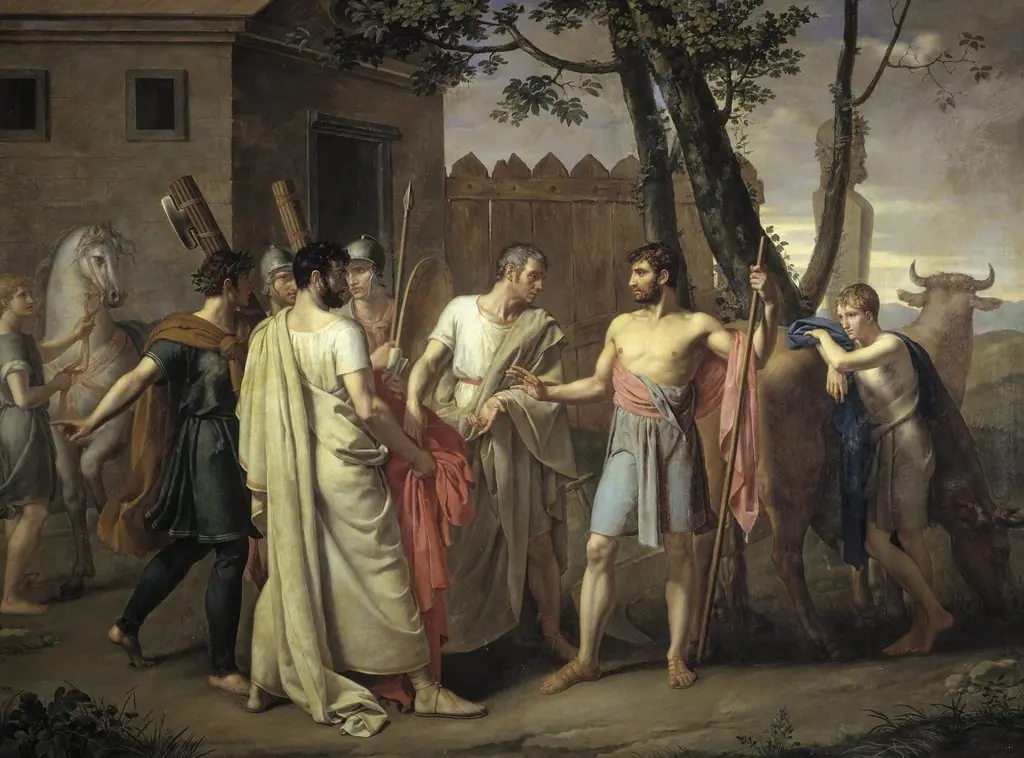 Cincinnatus abandons the Plough to dictate Laws to Rome
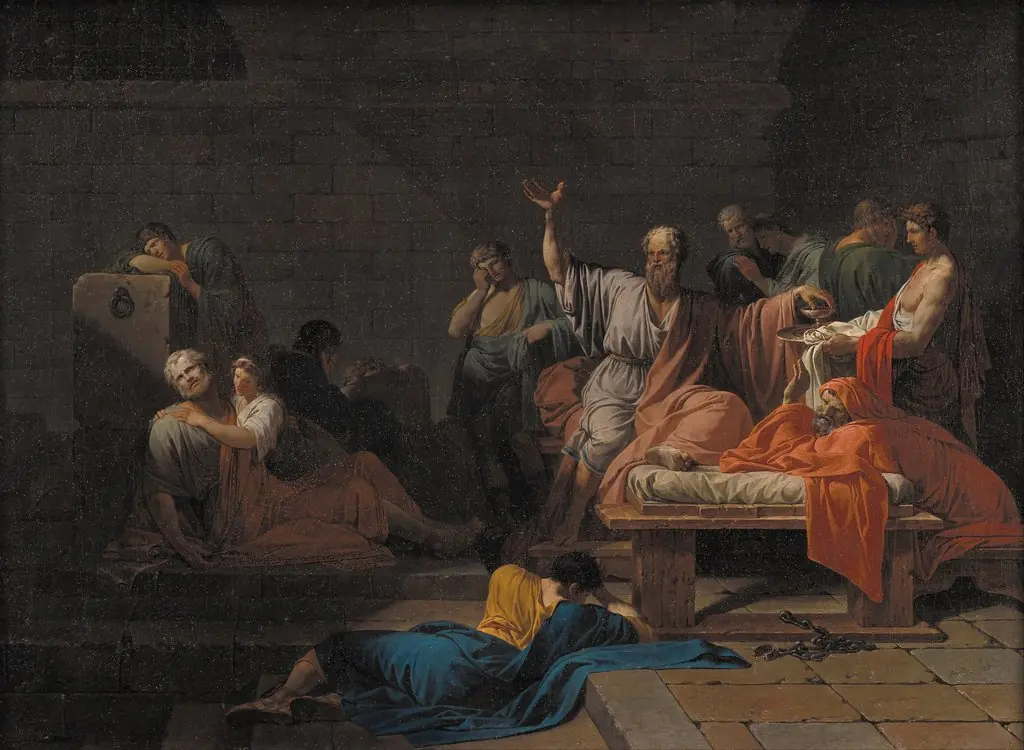 The Death of Socrates
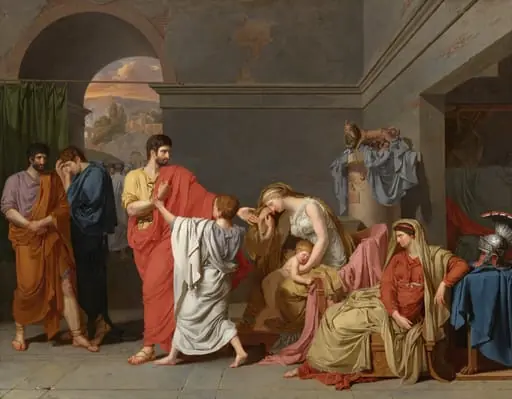 Coriolanus Taking Leave of his Family
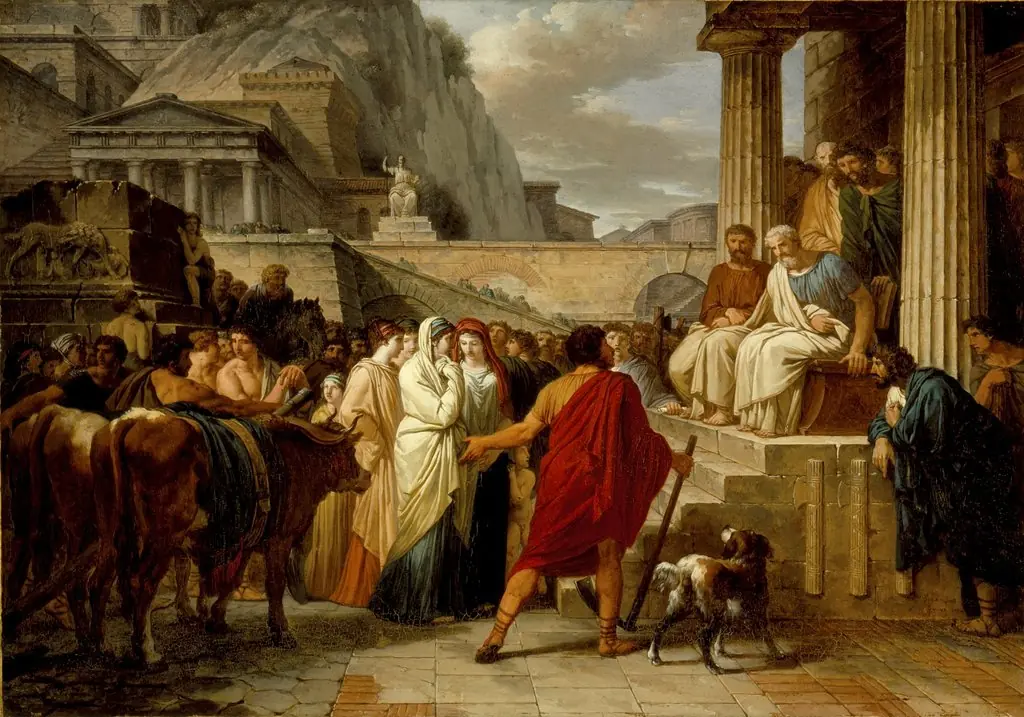 Caius Furius Cressinus Accused of Sorcery
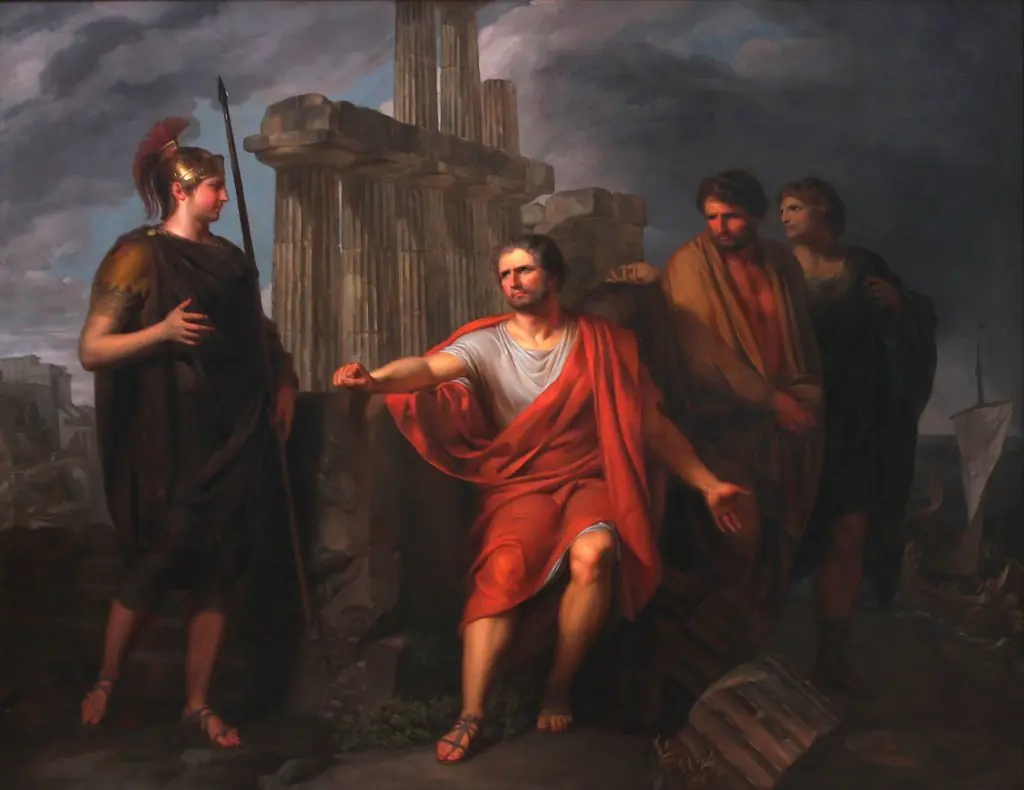 Marius on the ruins of Carthage
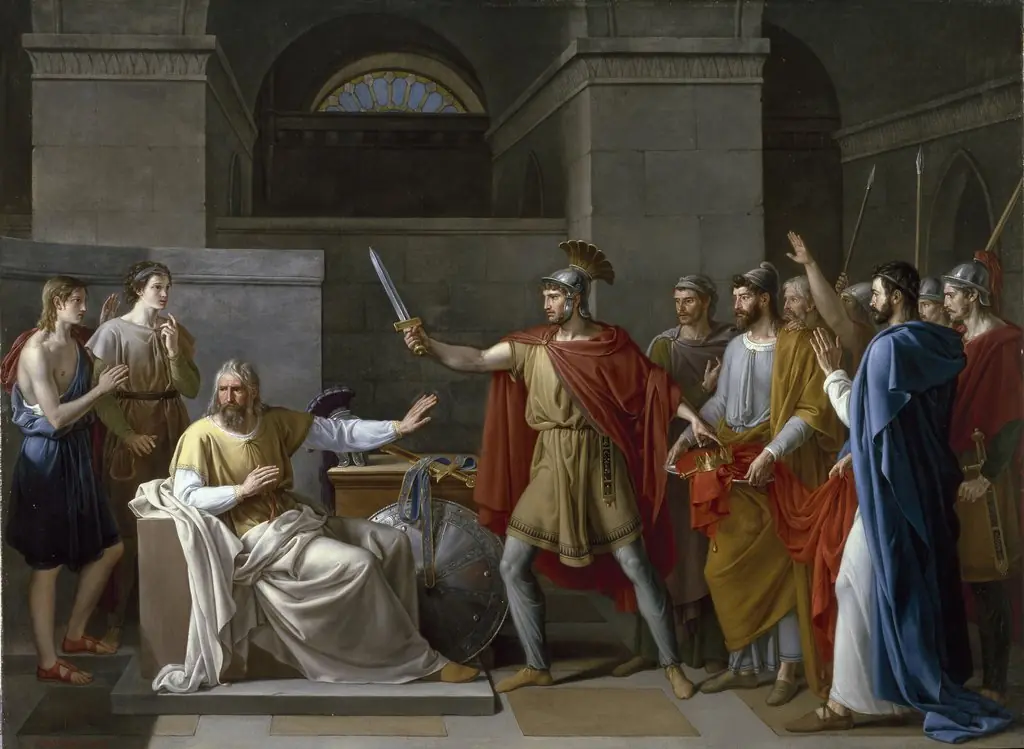 Wamba renouncing the Crown
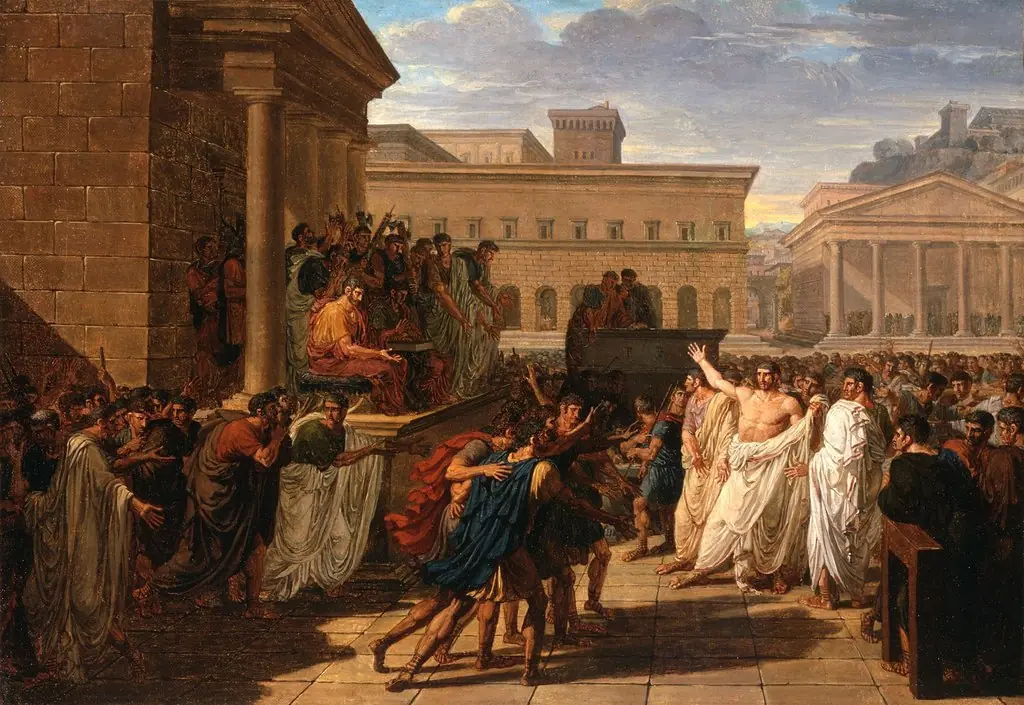 Brutus Listening to the Ambassadors from the Tarquins
 Țăranul de la Dunăre
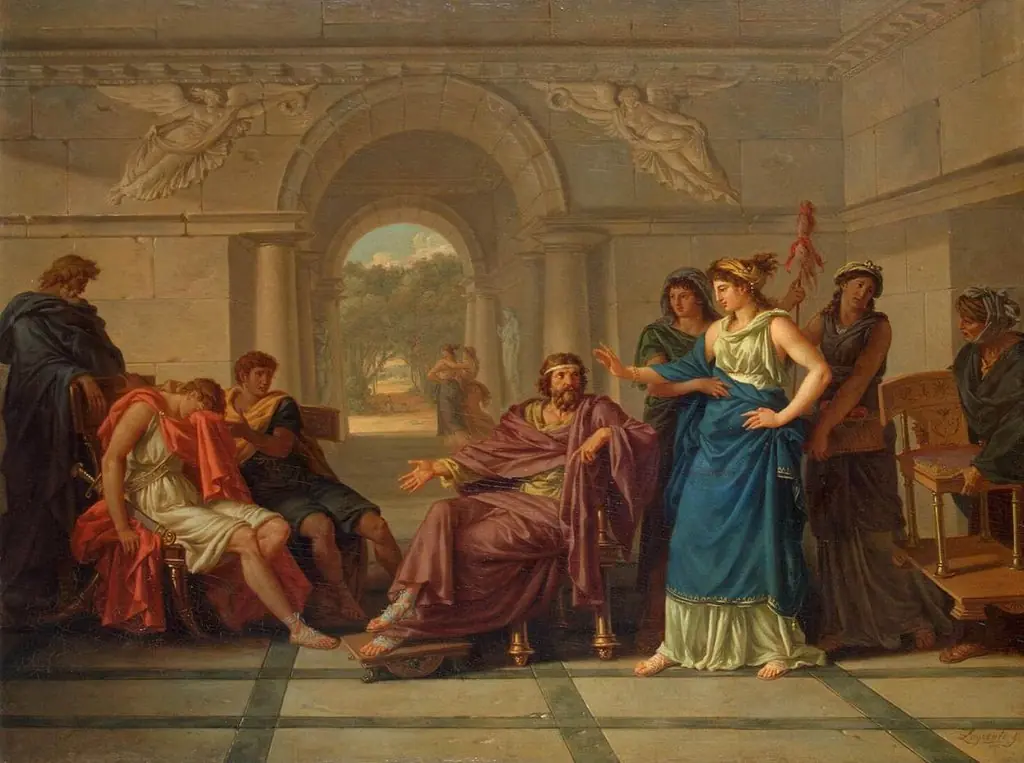 Helen Recognising Telemachus, Son of Odysseus
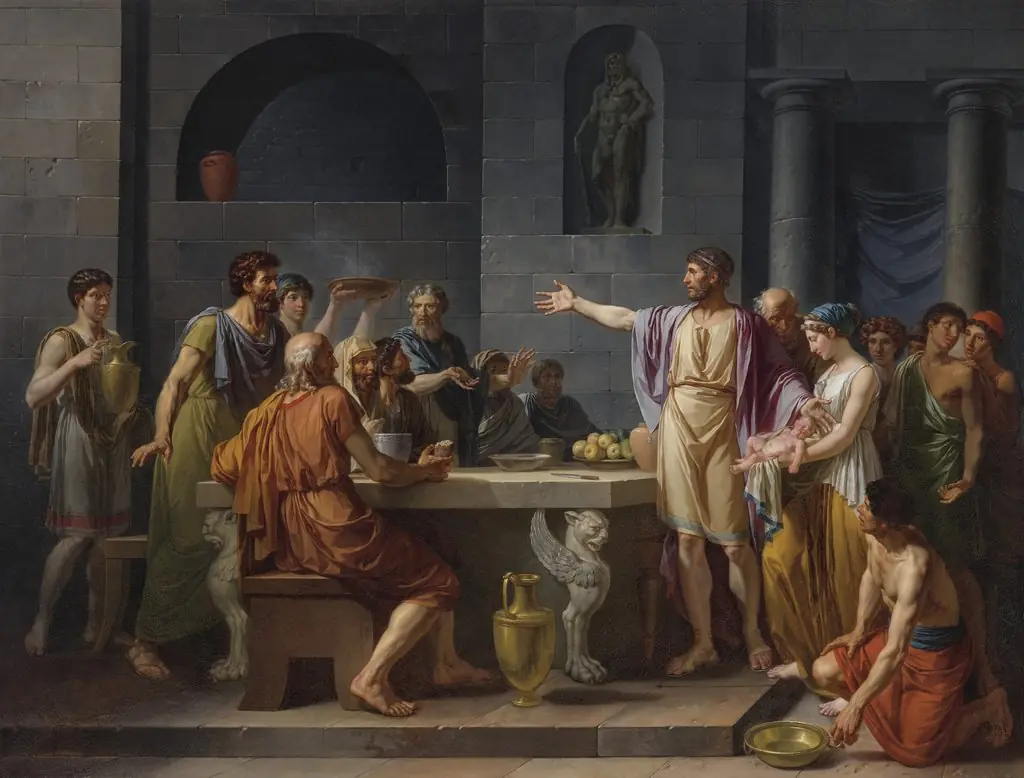 The Magnanimity of Lycurgus
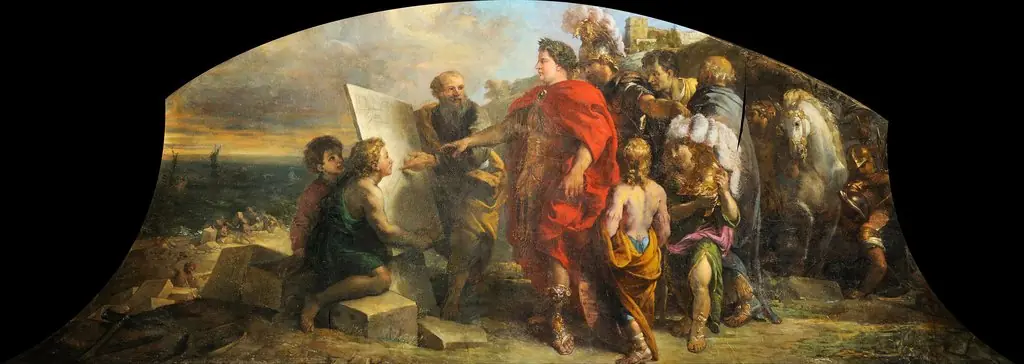 Augustus building the port of Miseno
 The Death of Virginia