Artwork
Roman Women Offering Their Jewellery in Defence of the State
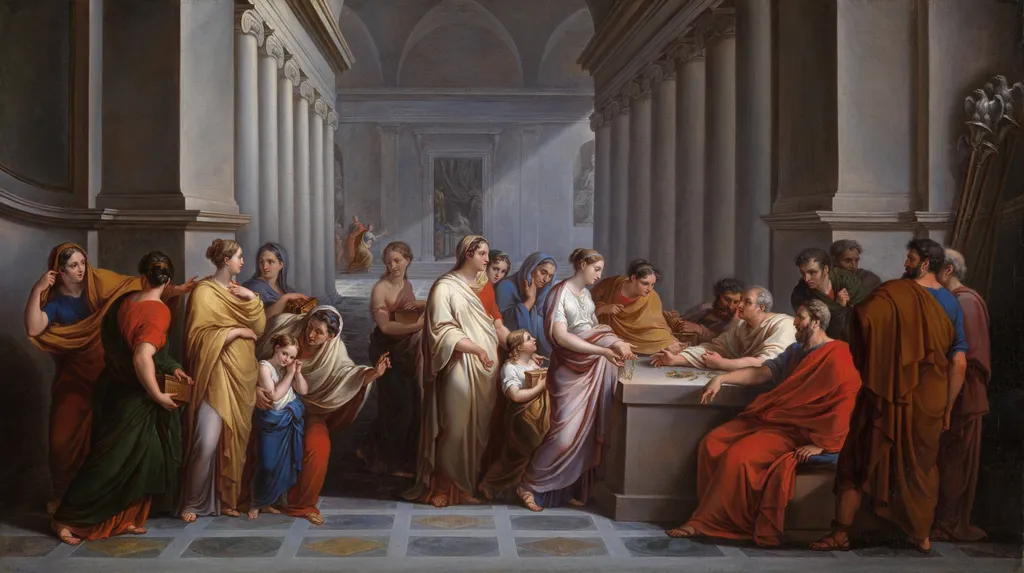
Roman Women Offering Their Jewellery in Defence of the State is an oil painting by the French Romanticist artist Vincenzo Camuccini. It dates from 1825 and is held in the collection of the Kelvingrove Art Gallery and Museum.
About this work
Overview
The scene captures Roman women surrendering personal adornments to fund state defense, reflecting ideals of public duty over private wealth.
Painted in 1825 by Vincenzo Camuccini, this oil on canvas depicts a moment of civic sacrifice in ancient Rome. The scene captures Roman women surrendering personal adornments to fund state defense, reflecting ideals of public duty over private wealth. Though rooted in classical history, the work aligns with early 19th-century European interest in moral and political virtue, rendered with deliberate solemnity and architectural precision.
Subject & Meaning
The painting illustrates a legendary episode from early Roman history, when women donated their jewelry to finance military efforts against external threats. By portraying the act as collective and quiet, Camuccini elevates it beyond mere donation to a ritual of civic solidarity. The absence of male figures underscores the agency of women in sustaining the republic, framing their sacrifice as both personal and politically significant.
Technique & Style
Camuccini employs a restrained palette of earth tones—ochres, deep reds, and muted browns—to emphasize gravity over ornament. Figures are arranged in a frieze-like composition, their draped garments rendered with careful attention to classical folds. The architectural setting, with its columns and vaulted ceiling, reinforces the dignity of the moment. Lighting is even and diffuse, avoiding theatricality in favor of quiet monumentality.
History & Provenance
Completed in Rome during Camuccini’s peak years as a Neoclassical historian painter, the work was acquired by the Kelvingrove Art Gallery and Museum in Glasgow in the late 19th century. Its journey from Roman studio to Scottish collection reflects broader 19th-century European interest in classical narratives as moral exemplars. No significant alterations or reworkings are documented in its provenance.
Context
Created during a period of political upheaval across Europe, the painting resonated with contemporary debates about civic responsibility and national identity. While Camuccini was associated with Neoclassicism, his focus on emotional restraint and historical authenticity aligned with emerging Romantic ideals of moral heroism. The subject drew from Livy and other Roman historians, whose accounts were widely studied in academic circles.
Legacy
Though less widely known than Camuccini’s larger historical works, this painting exemplifies his commitment to historical fidelity and ethical narrative. It contributed to the 19th-century canon of civic virtue imagery, influencing later depictions of female sacrifice in public life. Today, it remains a quiet testament to the intersection of gender, duty, and statehood in classical revival art.
Artist & collection

Artist
Vincenzo Camuccini (22 February 1771 – 2 September 1844) was an Italian Neoclassical painter. He was considered the premier academic painter of his time in Rome. Camuccini was known for his sober grandeur and archeological accuracy.

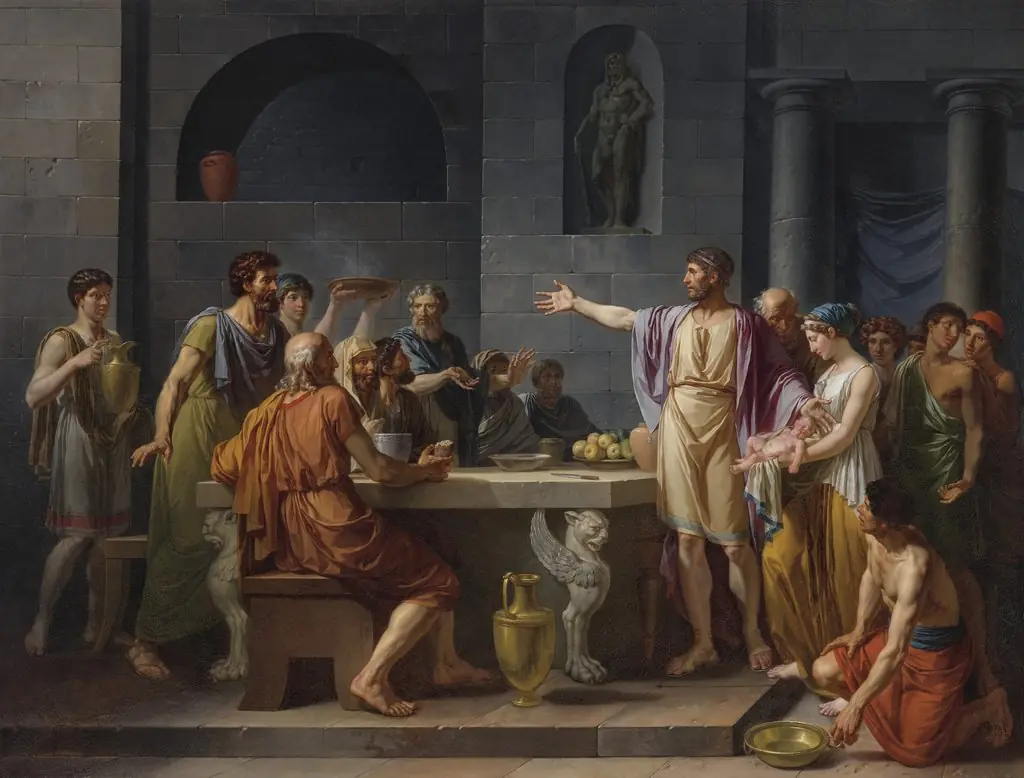 The Magnanimity of Lycurgus
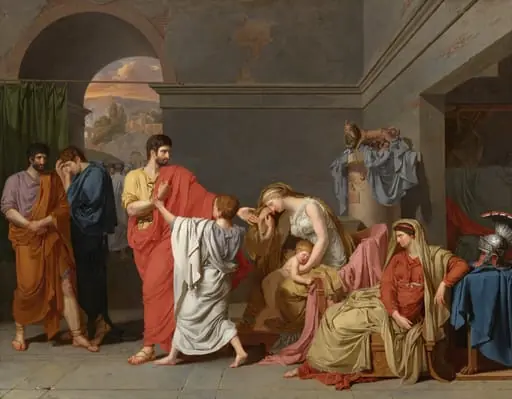 Coriolanus Taking Leave of his Family
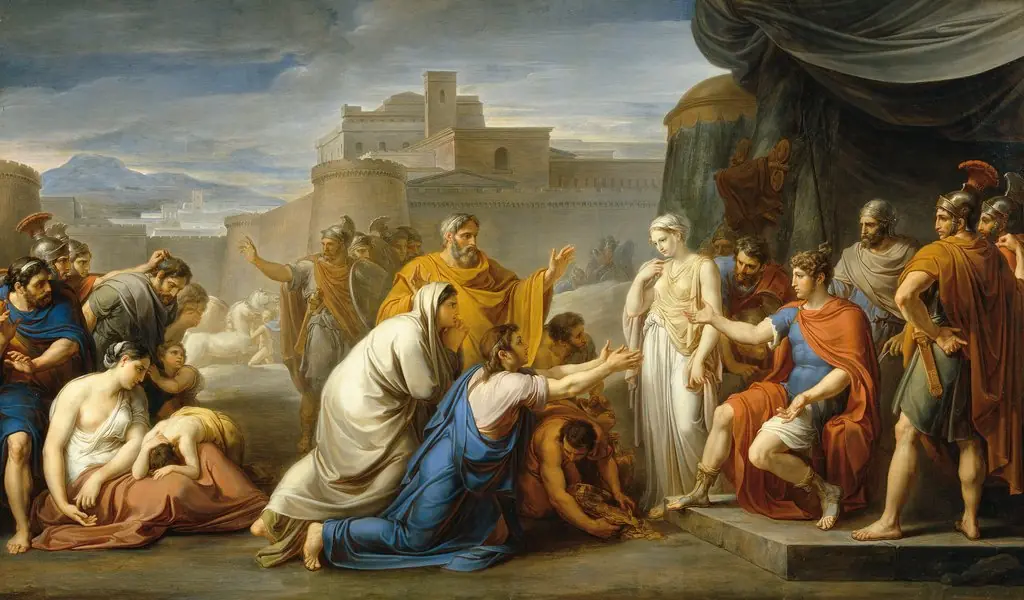
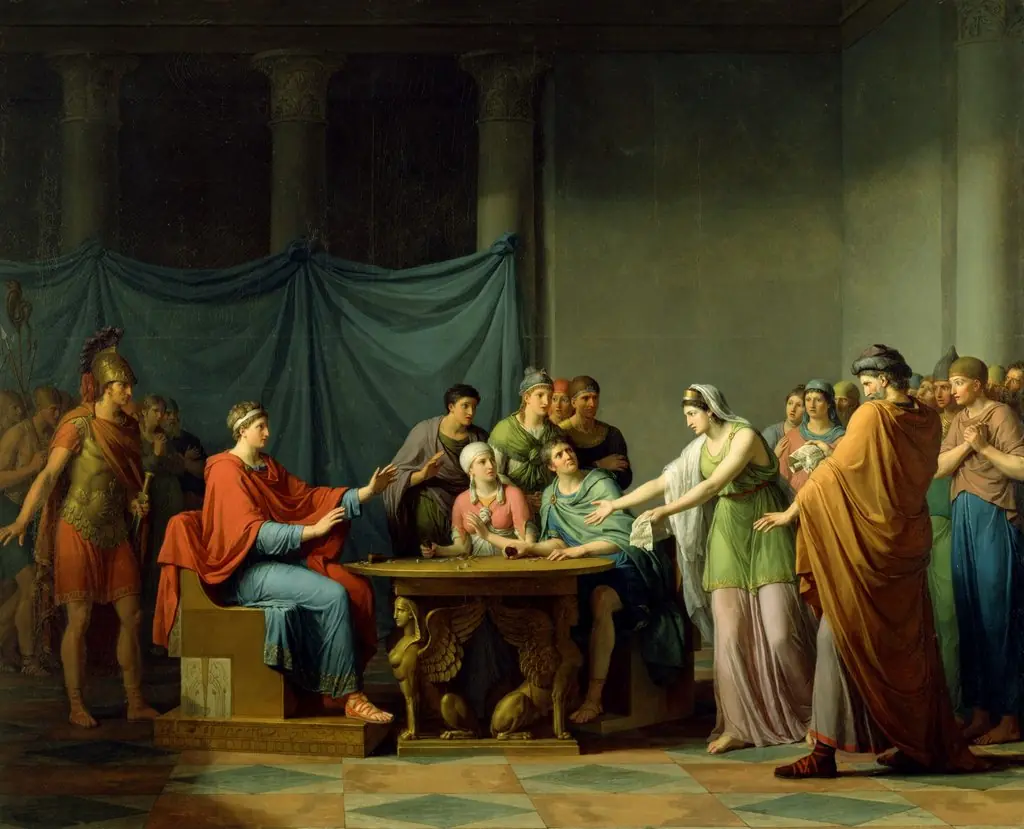 Berenice Reproaching Ptolemy
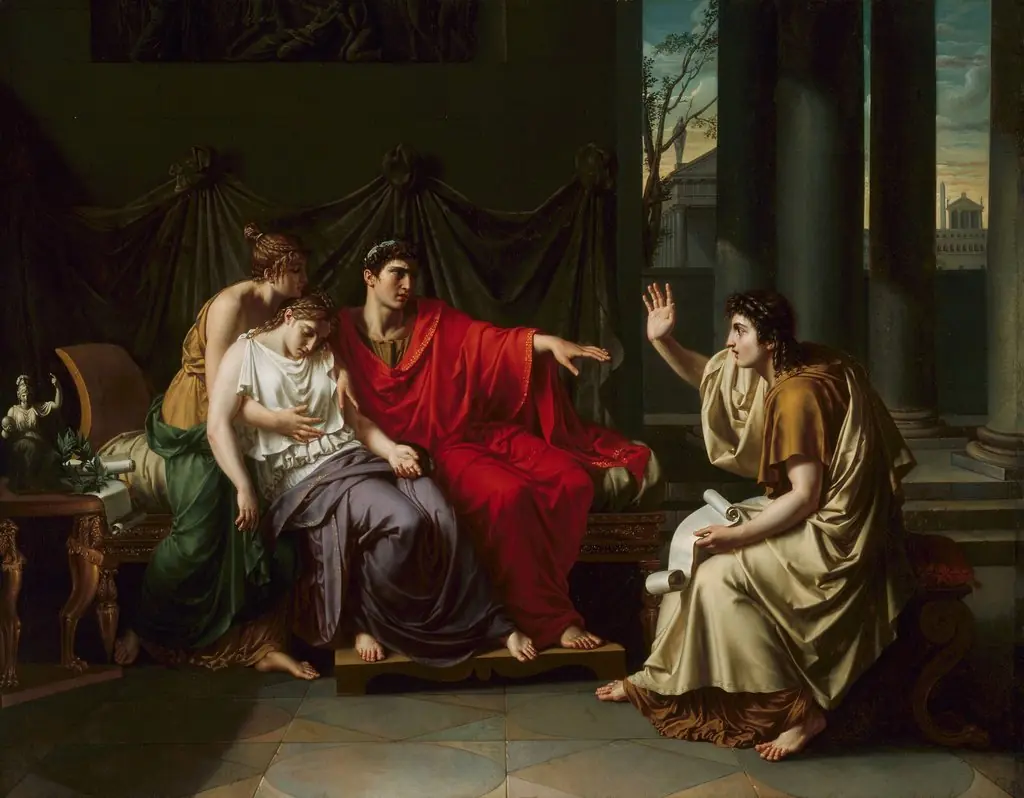 Virgil Reading the "Aeneid" to Augustus, Octavia, and Livia
 Virgil Reading the "Aeneid" to Augustus, Octavia, and Livia
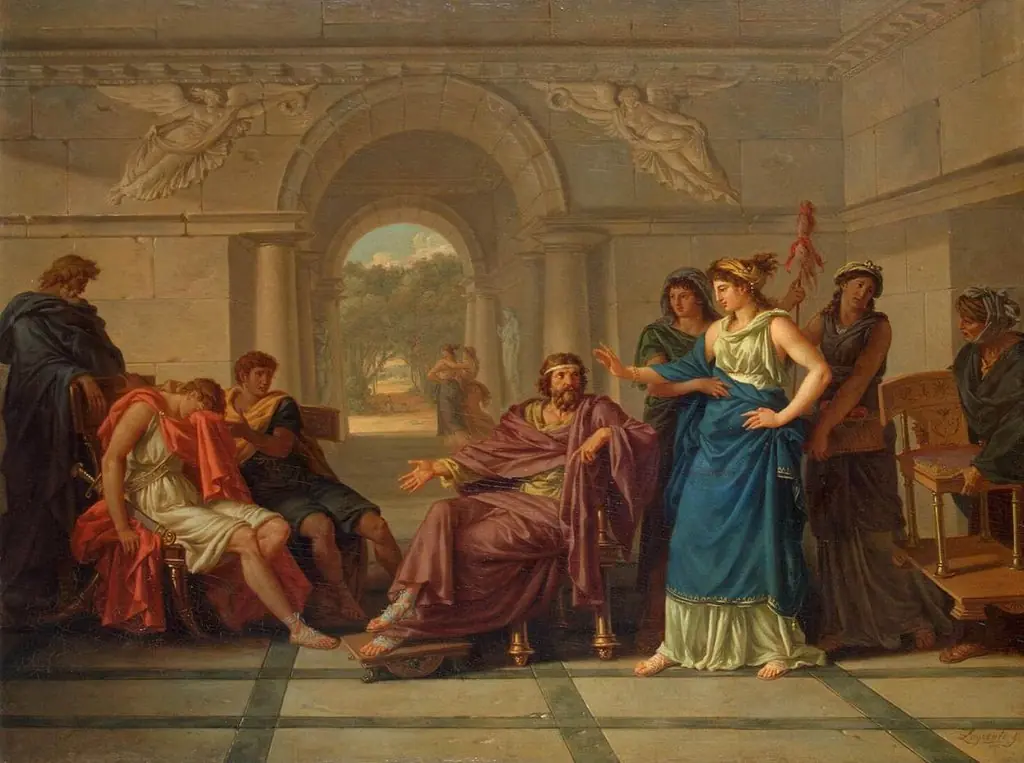 Helen Recognising Telemachus, Son of Odysseus
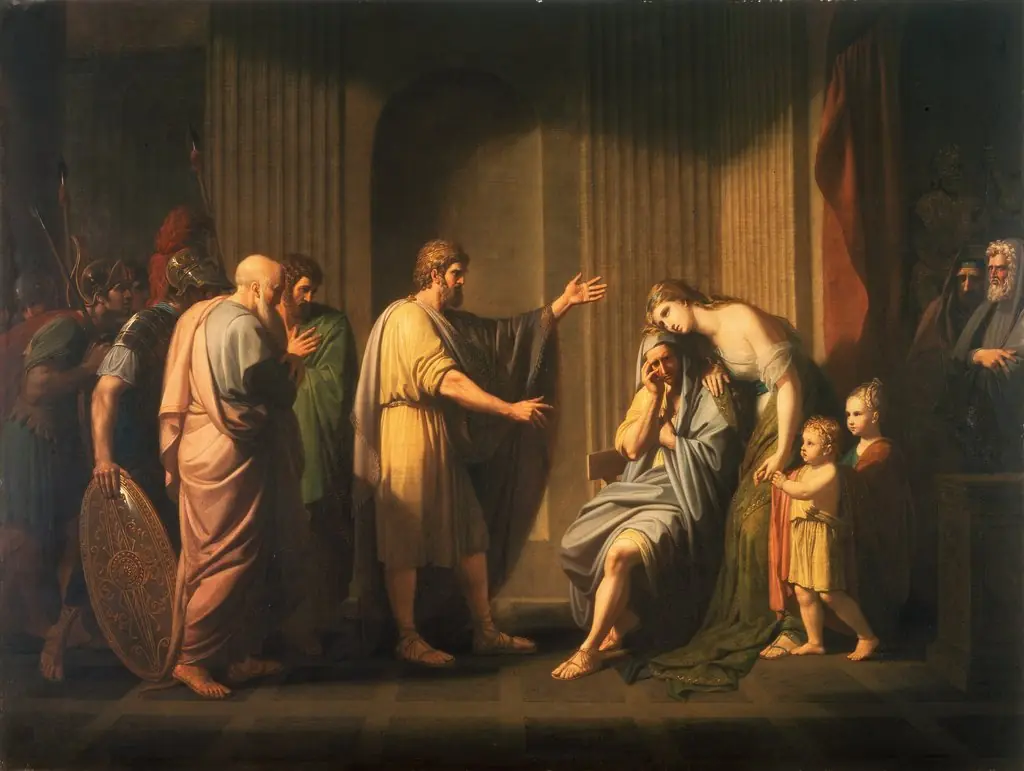 Cleombrotus Ordered into Banishment by Leonidas II, King of Sparta
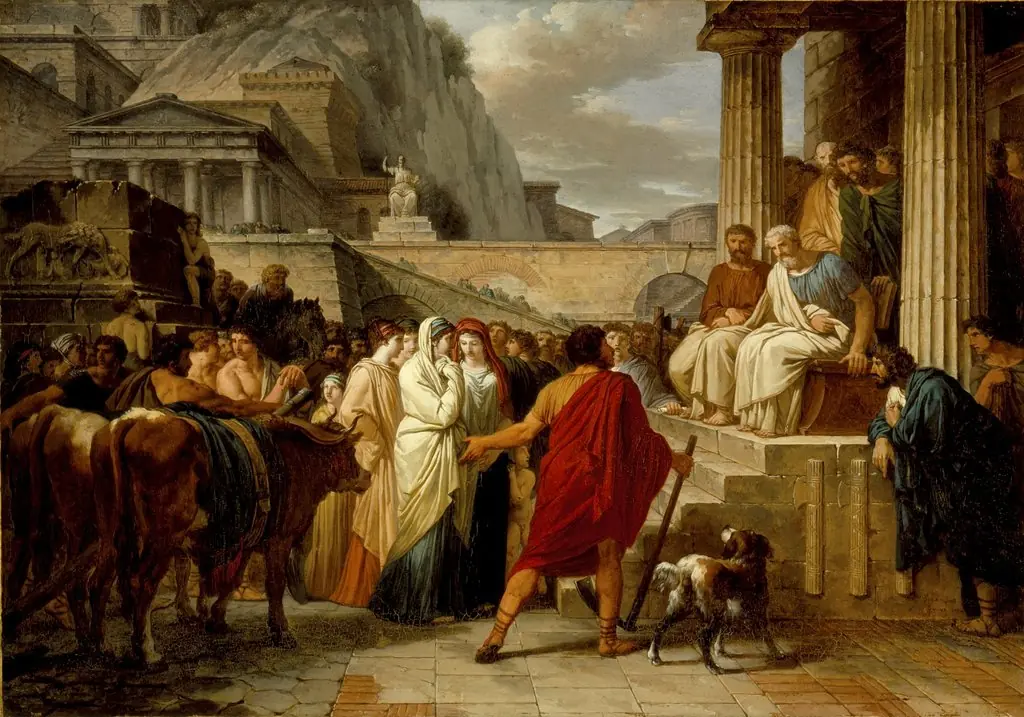 Caius Furius Cressinus Accused of Sorcery
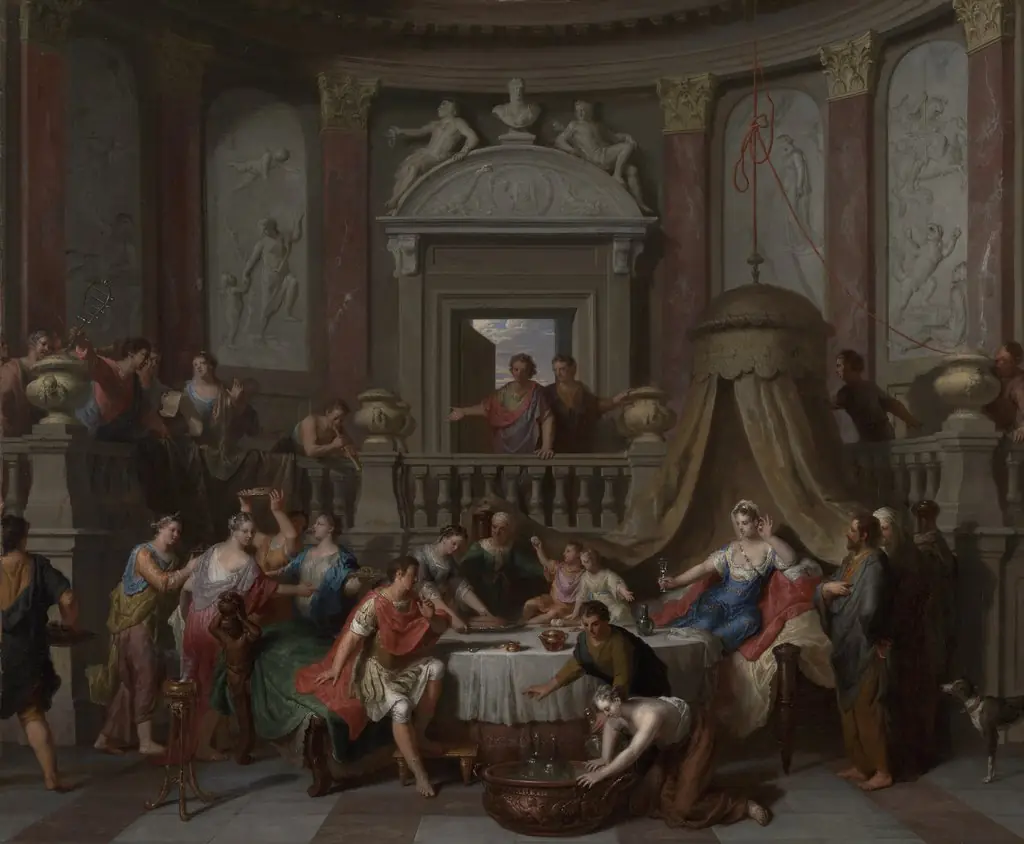 The Banquet of Cleopatra
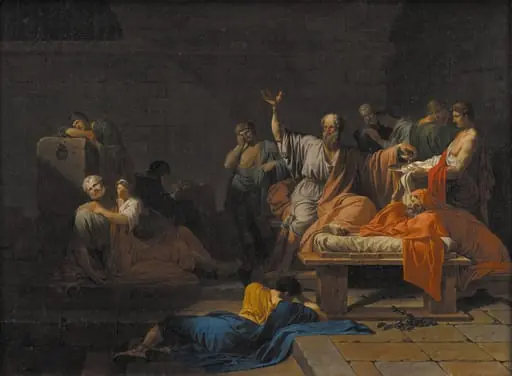 The Death of Socrates
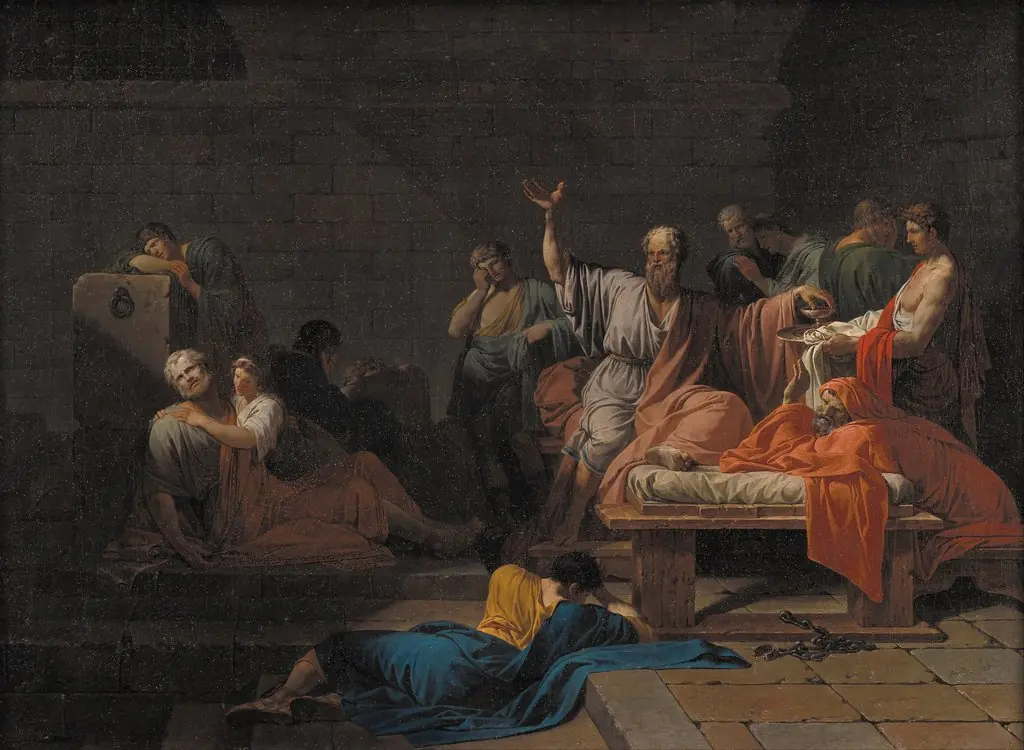 The Death of Socrates
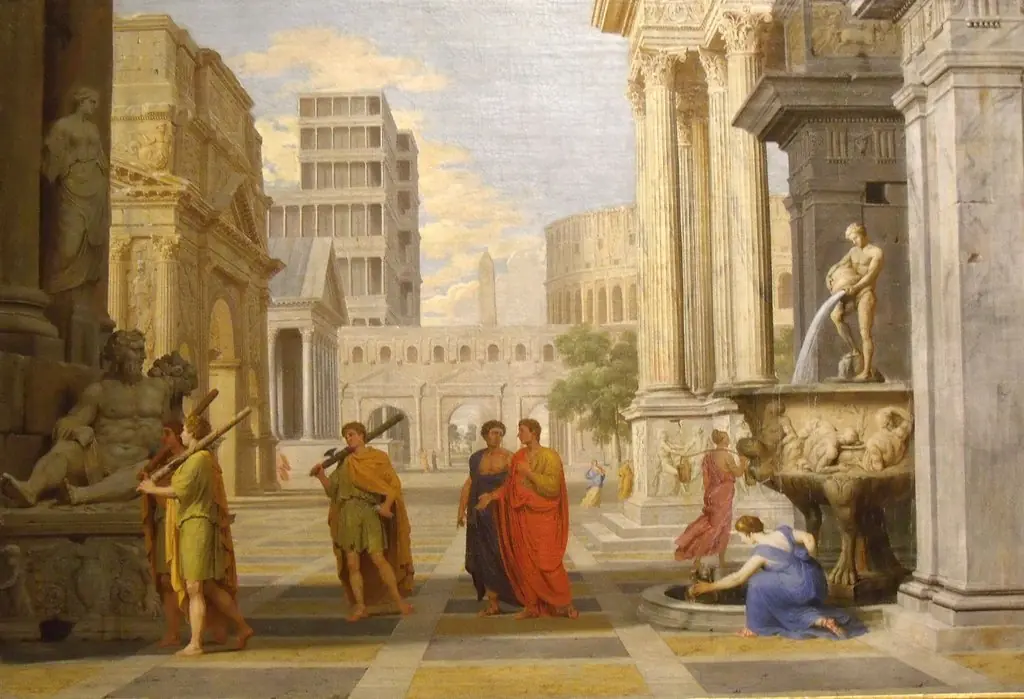 Roman Senators and Legates