Artwork
Niels Fischer
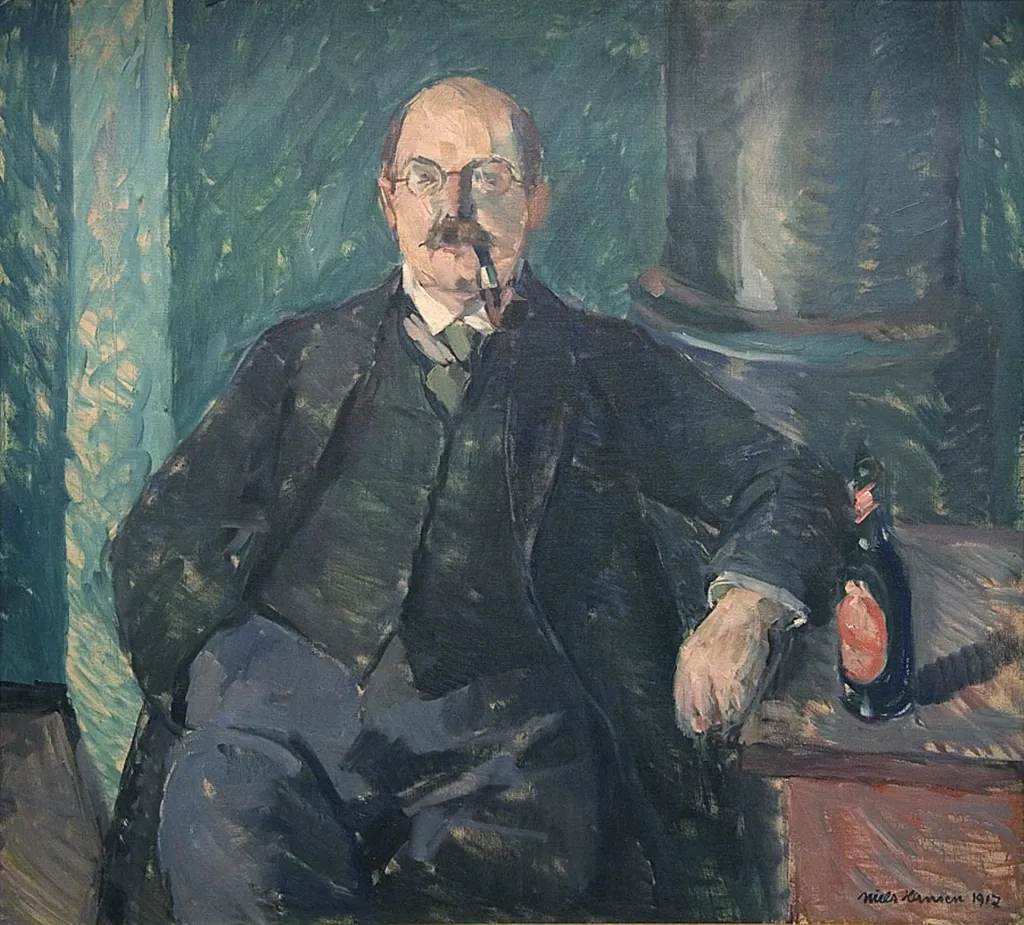
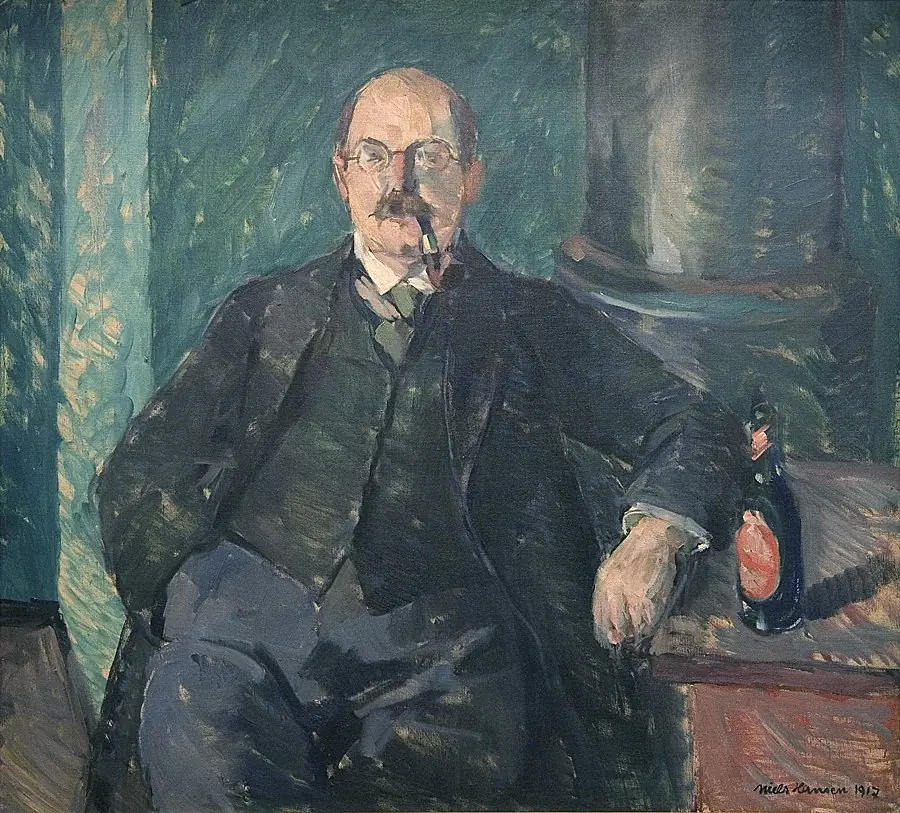
Niels Fischer is a photography by Unknown. It dates from 1917 and is held in the collection of the Statens Museum for Kunst.
About this work
Overview
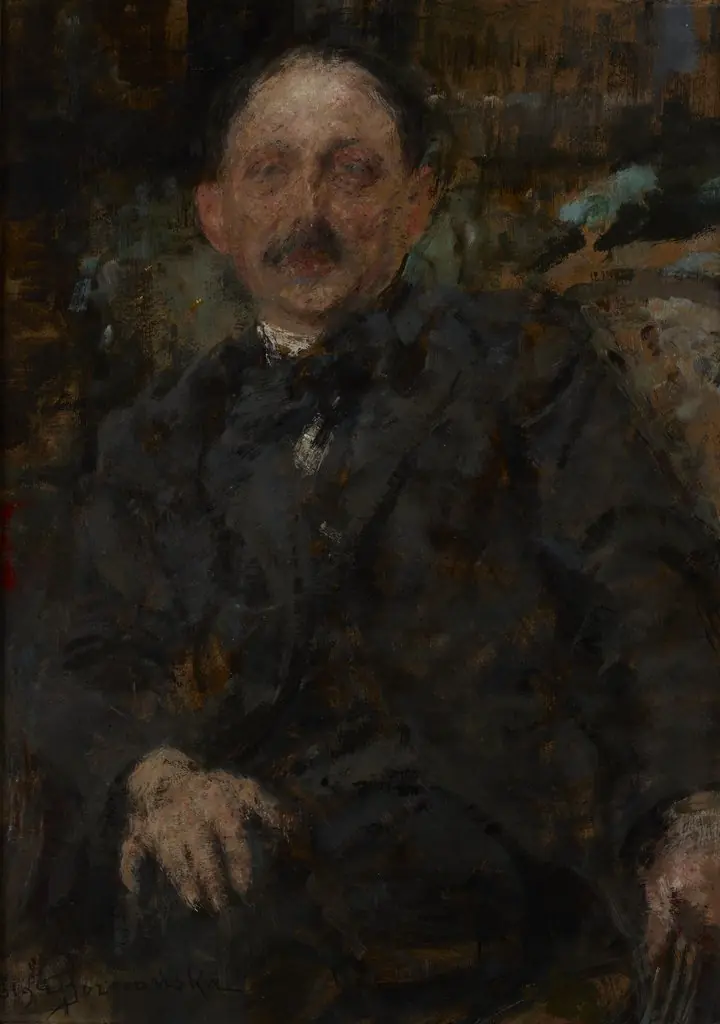
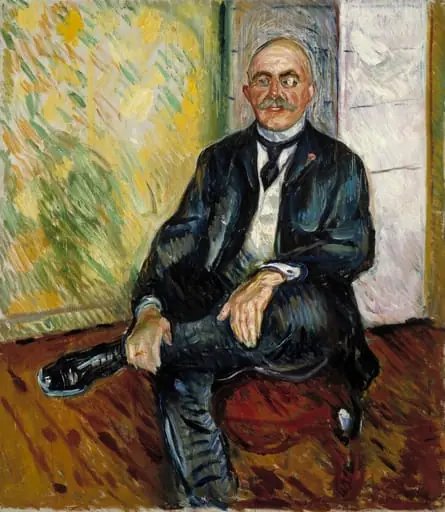
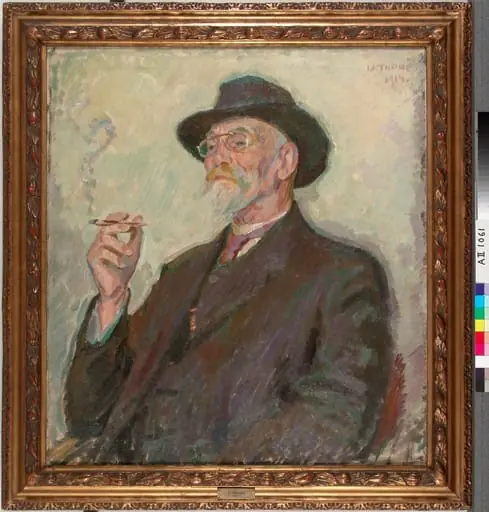
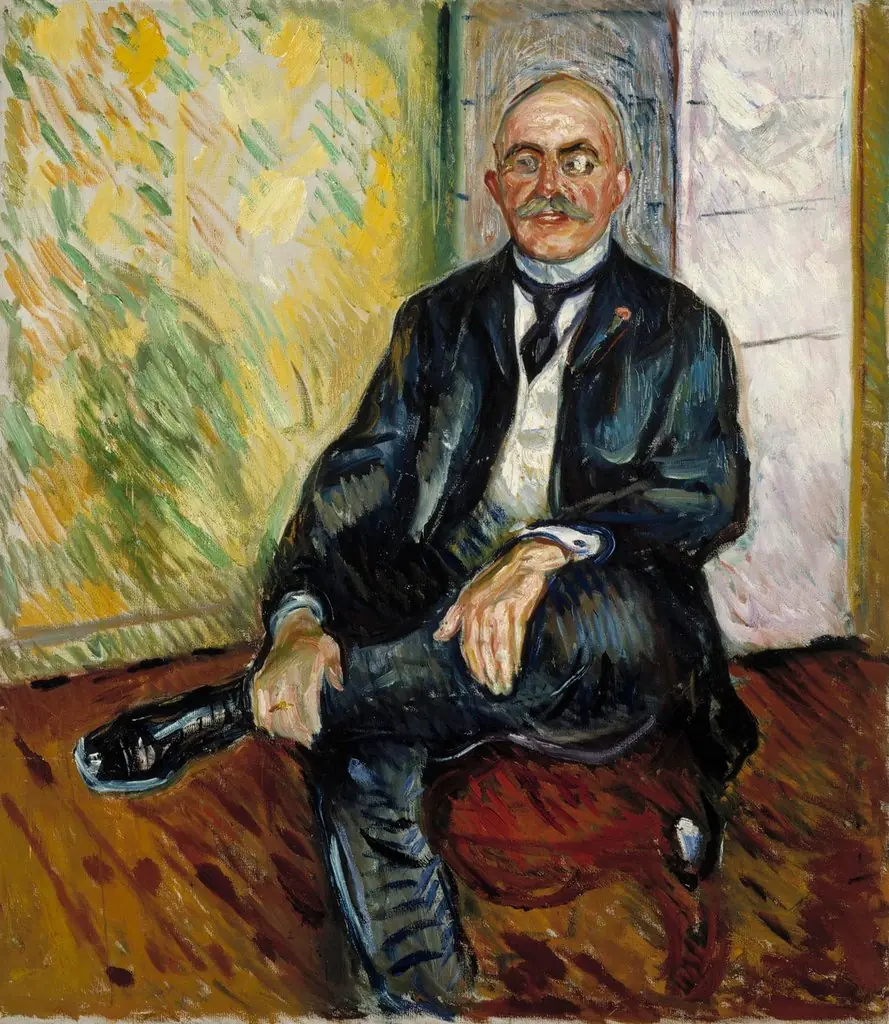
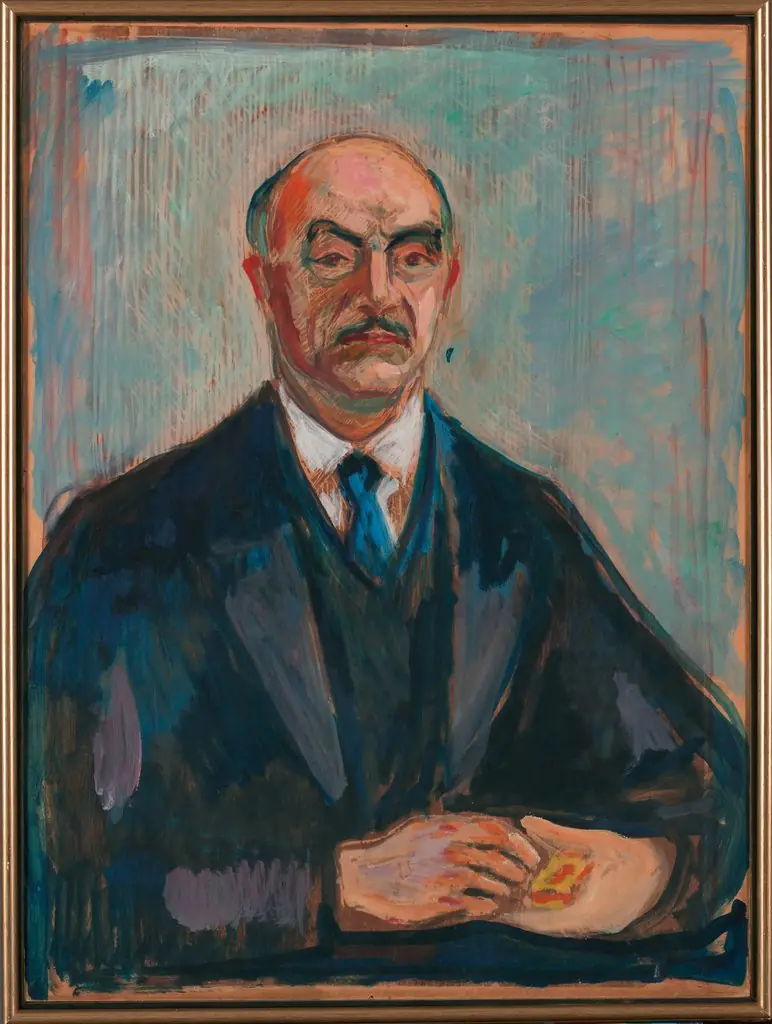
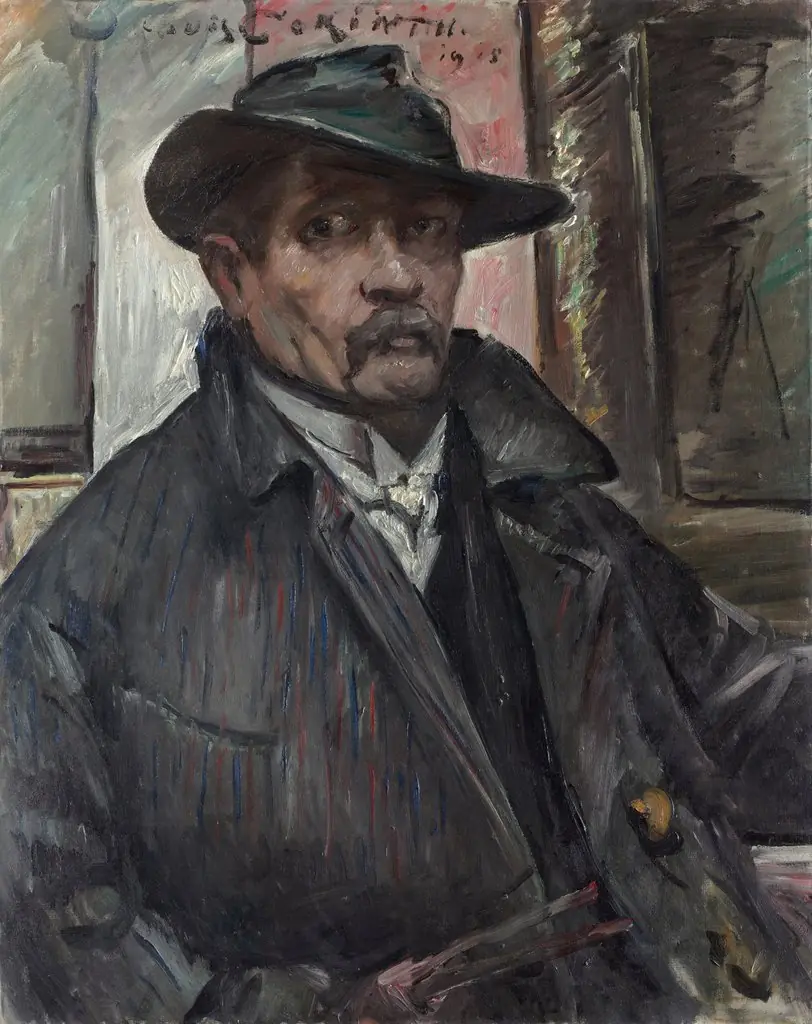
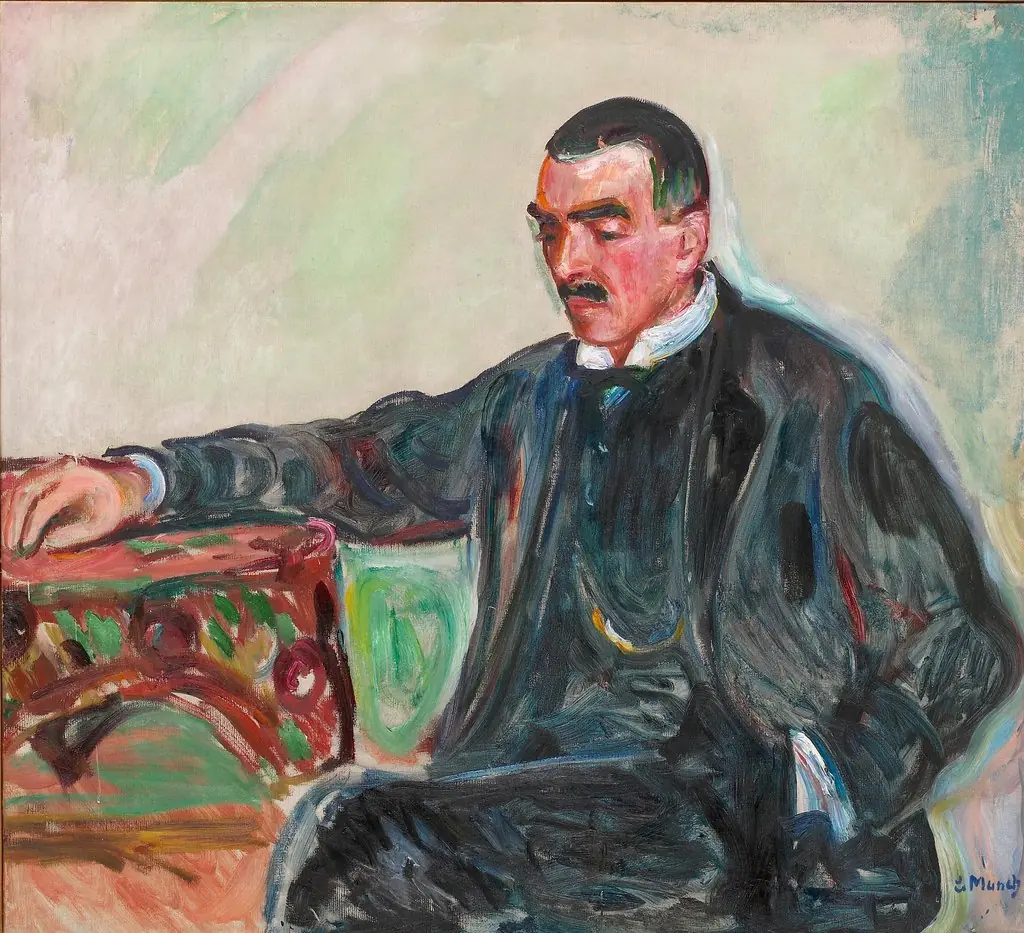
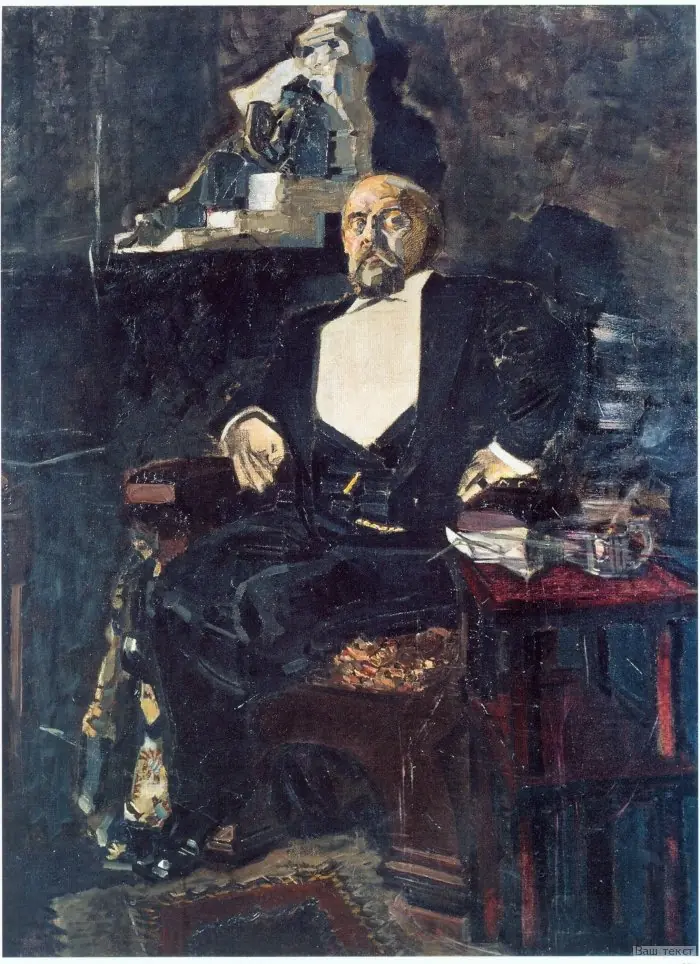
This portrait, dated 1917, depicts Niels Fischer, a man seated in a simple chair, dressed in a dark suit and holding a pipe.
This portrait, dated 1917, depicts Niels Fischer, a man seated in a simple chair, dressed in a dark suit and holding a pipe. The composition is restrained, with the figure centered against a plain wall featuring a curtained window. The palette is subdued, dominated by grays, browns, and muted tones, reinforcing a quiet, introspective mood. The work is held in the collection of the Museum of Ethnography.
Subject & Meaning
Niels Fischer is portrayed in a moment of stillness, his balding head and lowered gaze suggesting contemplation. The pipe, held but not smoked, adds a gesture of habitual pause rather than action. The absence of narrative detail or symbolic objects shifts focus to his demeanor, inviting interpretation of inner life. The painting avoids idealization, presenting an unadorned, private moment of ordinary existence.
Technique & Style
The artist employs soft, deliberate brushwork to model form and texture, particularly in the fabric of the suit and the skin of the face. Light falls gently from the window, casting subtle shadows that define the contours of the figure and the curtain. Color is restrained, with no sharp contrasts, allowing tonal variations to create depth. The technique emphasizes atmosphere over detail, reinforcing the painting’s quiet tone.
History & Provenance
The painting was completed in 1917 and entered the collection of the Museum of Ethnography at an unknown date. Its acquisition likely reflects an interest in documenting individual portraiture within broader cultural studies, though no record of prior ownership or exhibition history is documented. The artist, identified only as 187_person, remains otherwise unverified in public archives.
Context
Created in the aftermath of World War I, the portrait aligns with a broader European trend toward psychological realism in portraiture. While many artists of the period explored emotional intensity or social commentary, this work opts for restraint, focusing on the individual’s internal state. Its placement in an ethnographic museum suggests an interest in representing everyday people as cultural subjects.
Legacy
The painting remains a quiet example of early 20th-century portraiture that prioritizes mood over narrative. It has not been widely reproduced or studied, and its significance lies in its understated presence within the Museum of Ethnography’s collection. As such, it contributes to a less visible but meaningful strand of representational art focused on solitude and quiet observation.
Artist & collection

 Domestic Scene
 Giacomo and Cardinal Marco, investing Andrea, Abbot of San Zeno, with his Benefice
 The Nymph of Fontainebleau
 Portrait of a Woman
 Madonna and Child with Saints in the Enclosed Garden
 Venus and Minerva
 Family Group of Four on Sofa
 Wall painting from Room H of the Villa of P. Fannius Synistor at Boscoreale