Artwork
Self-portrait
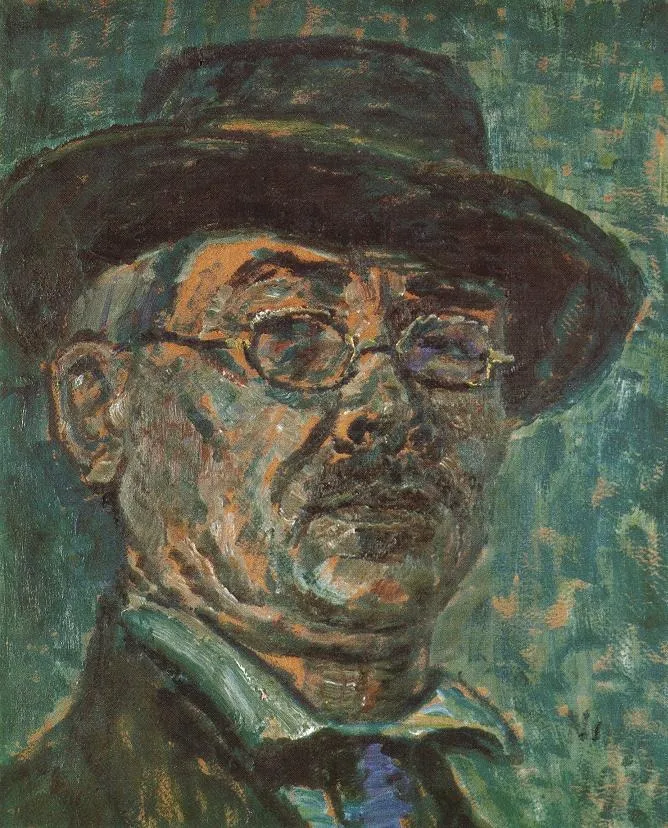
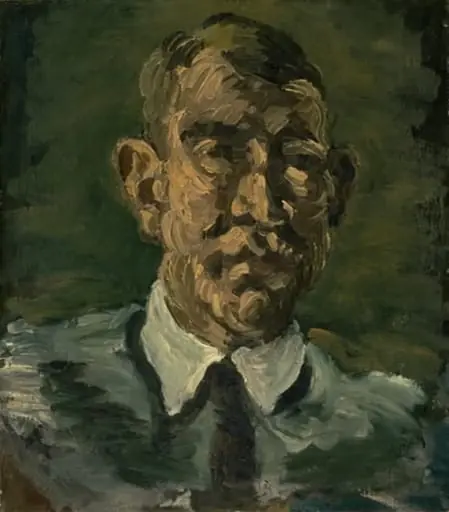
Self-portrait is an oil painting by the Post-Impressionist artist István Nagy. It dates from 1920 and is held in the collection of the Hungarian National Gallery.
About this work
Overview
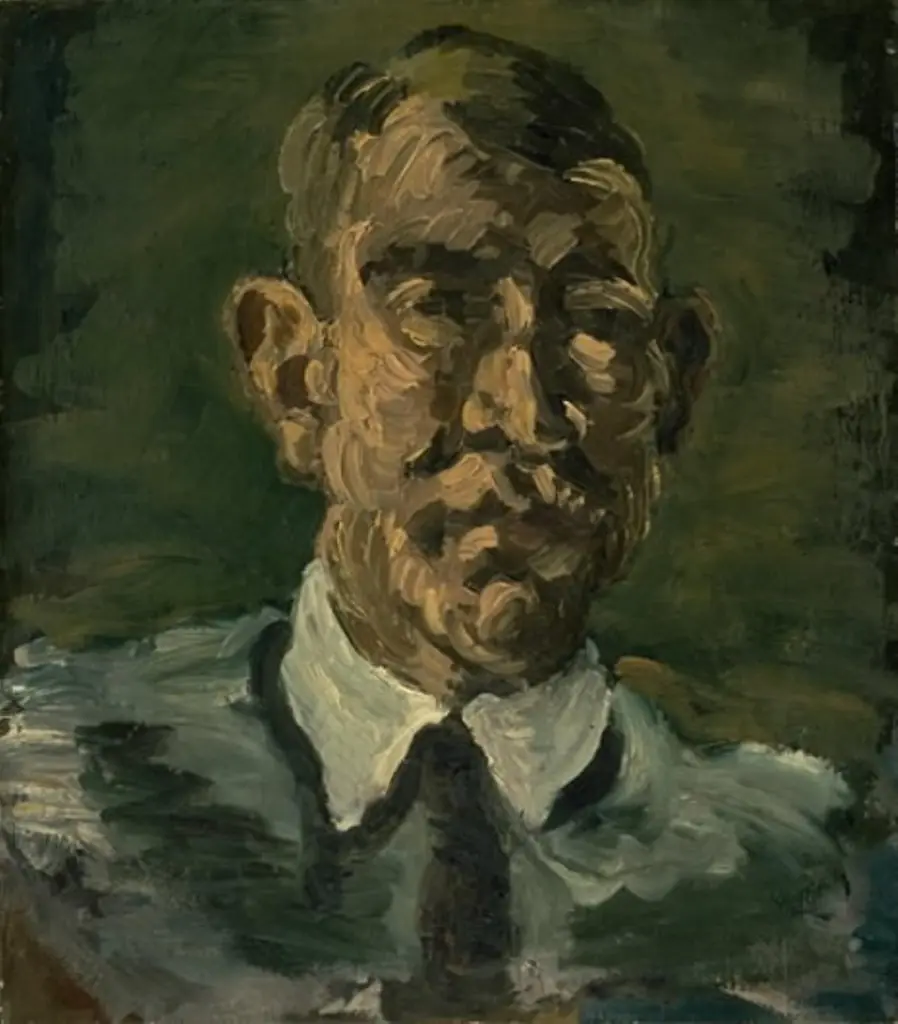
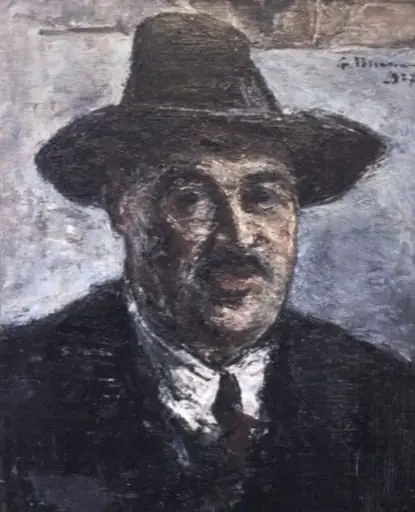
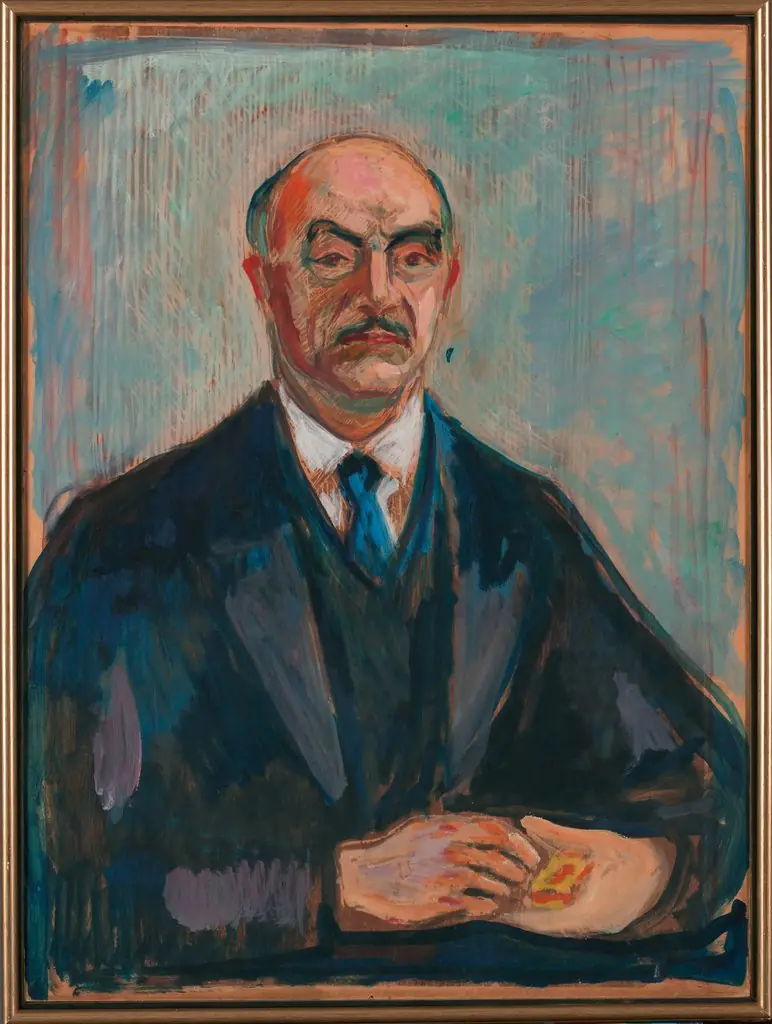
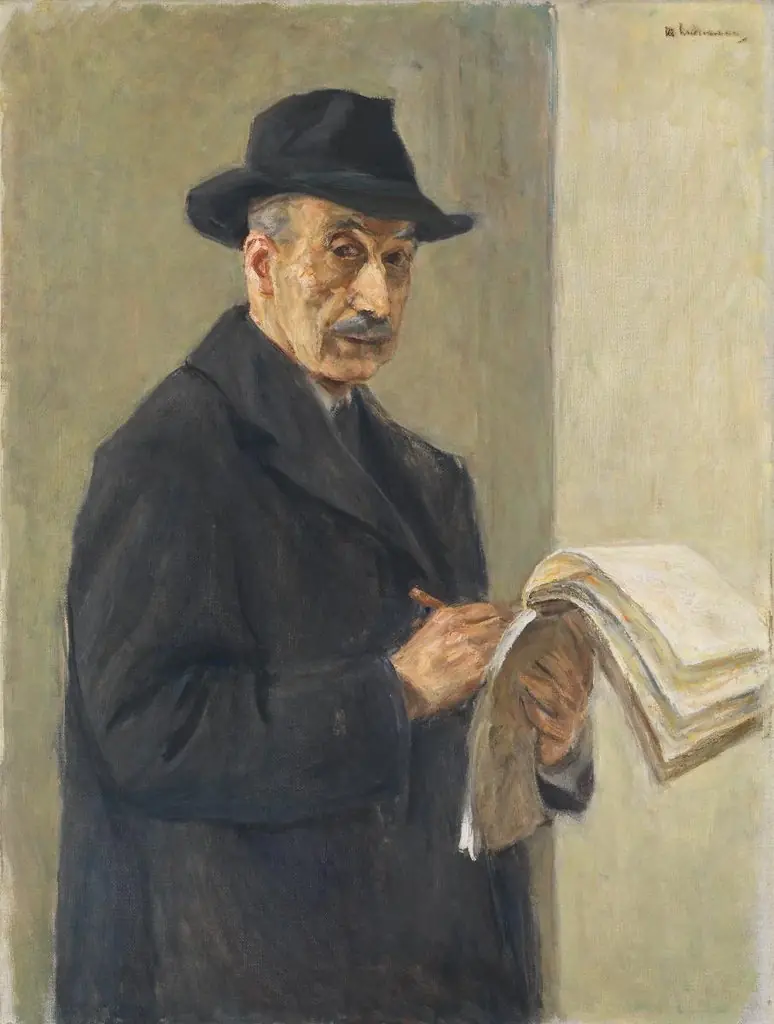
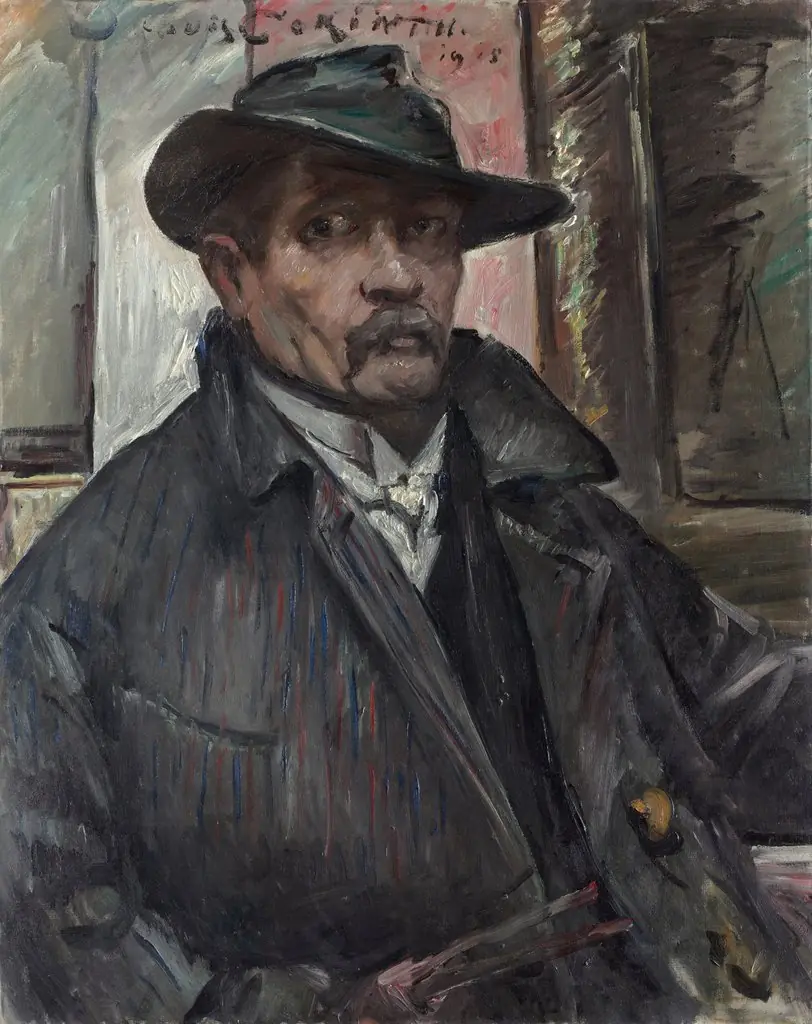
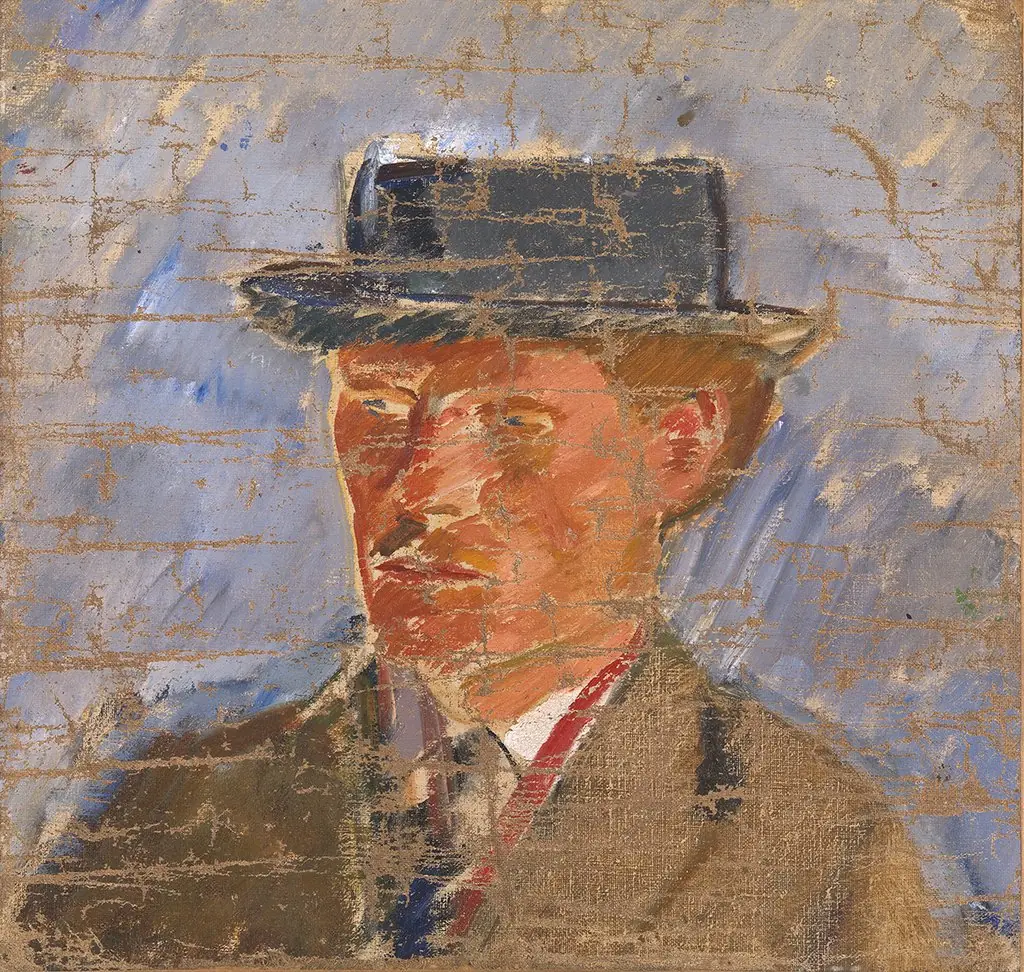
It presents the artist in a contemplative pose, dressed in a dark jacket with a visible white collar and wearing spectacles and a hat.
Painted in 1920, this oil on canvas work is a self-portrait by Hungarian artist István Nagy. It presents the artist in a contemplative pose, dressed in a dark jacket with a visible white collar and wearing spectacles and a hat. The muted green background provides a quiet contrast to the figure, emphasizing the subject’s presence without distraction. The painting resides in the collection of the Hungarian National Gallery.
Subject & Meaning
The portrait captures Nagy in a moment of quiet self-reflection, typical of early 20th-century artists turning inward amid social and political change. His attire—practical yet formal—suggests a professional identity, while the glasses and hat imply both intellectual engagement and a degree of personal reserve. The absence of overt symbolism points to an emphasis on authenticity rather than theatricality.
Technique & Style
Nagy employed thick, deliberate brushwork to build form and texture, particularly in the rendering of fabric and facial features. The oil medium allowed for layered application, creating a tactile surface that enhances the three-dimensionality of the figure. Visible strokes avoid smooth finish, favoring a direct, unidealized approach that aligns with post-impressionist tendencies in Central European painting of the era.
History & Provenance
The painting entered the Hungarian National Gallery’s collection shortly after its creation, likely through direct acquisition or donation by the artist. Its continuous presence in the institution since the early 1920s reflects its recognized significance within Nagy’s oeuvre and its value as a document of Hungarian artistic self-representation during the interwar period.
Context
Created in the aftermath of World War I and the collapse of the Austro-Hungarian Empire, the portrait reflects a period of national redefinition. Artists like Nagy turned to personal expression as a means of asserting identity amid uncertainty. The restrained palette and focused composition echo broader trends in Central European realism, distancing itself from pre-war ornamentation.
Legacy
This self-portrait remains one of Nagy’s most frequently referenced works, offering insight into his visual language and personal demeanor. While not widely exhibited abroad, it holds a steady place in Hungarian art history as an example of introspective portraiture from a generation navigating modernity through quiet observation rather than radical innovation.
Artist & collection
Artist
István Nagy painted a single oil self-portrait in 1920. The canvas shows the artist in the quiet glow of his studio, the background softened by the muted light of a north-facing window. Simple tools—a wooden palette, a…