Artwork
Portrait of Louis XIV of France (1638-1715)
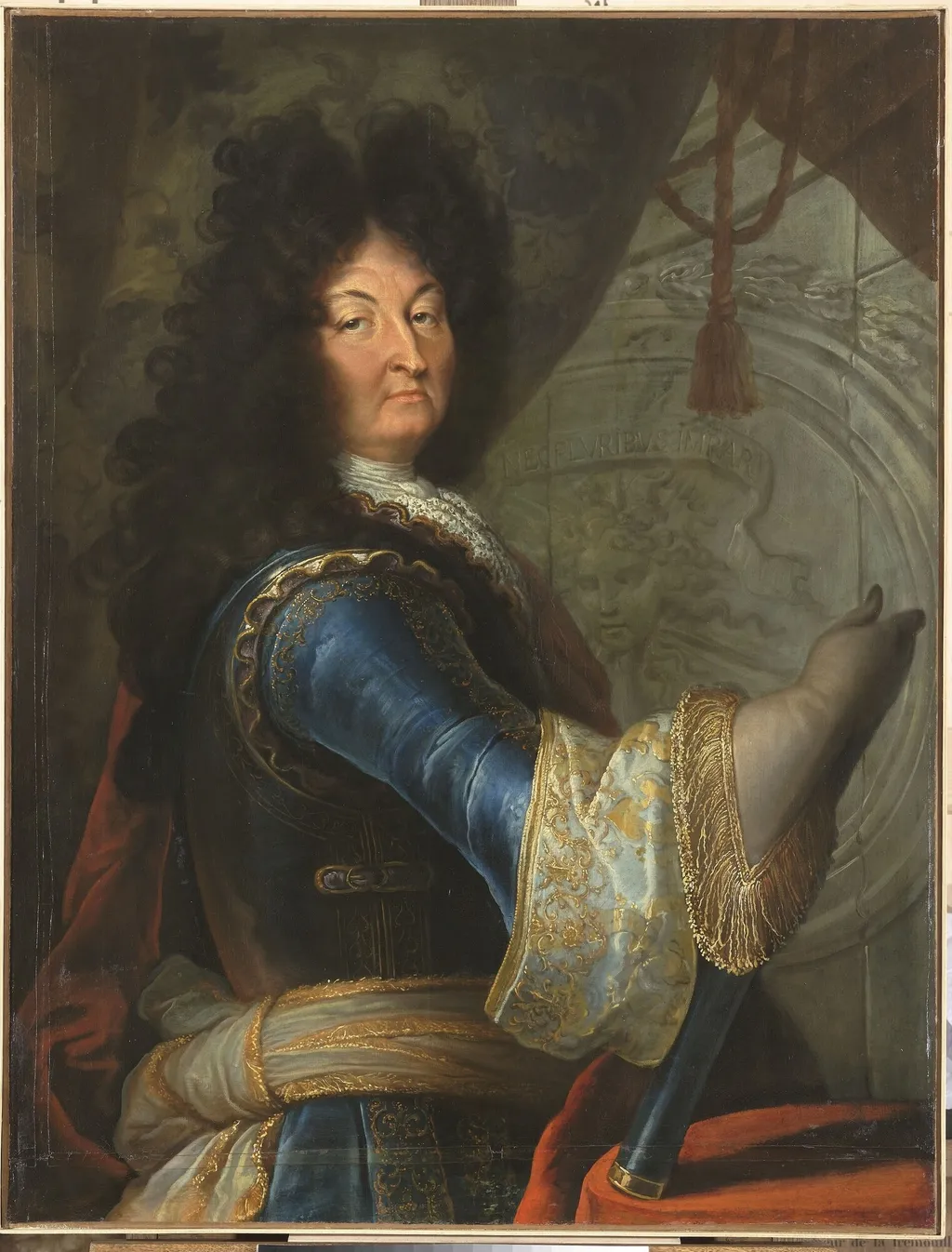
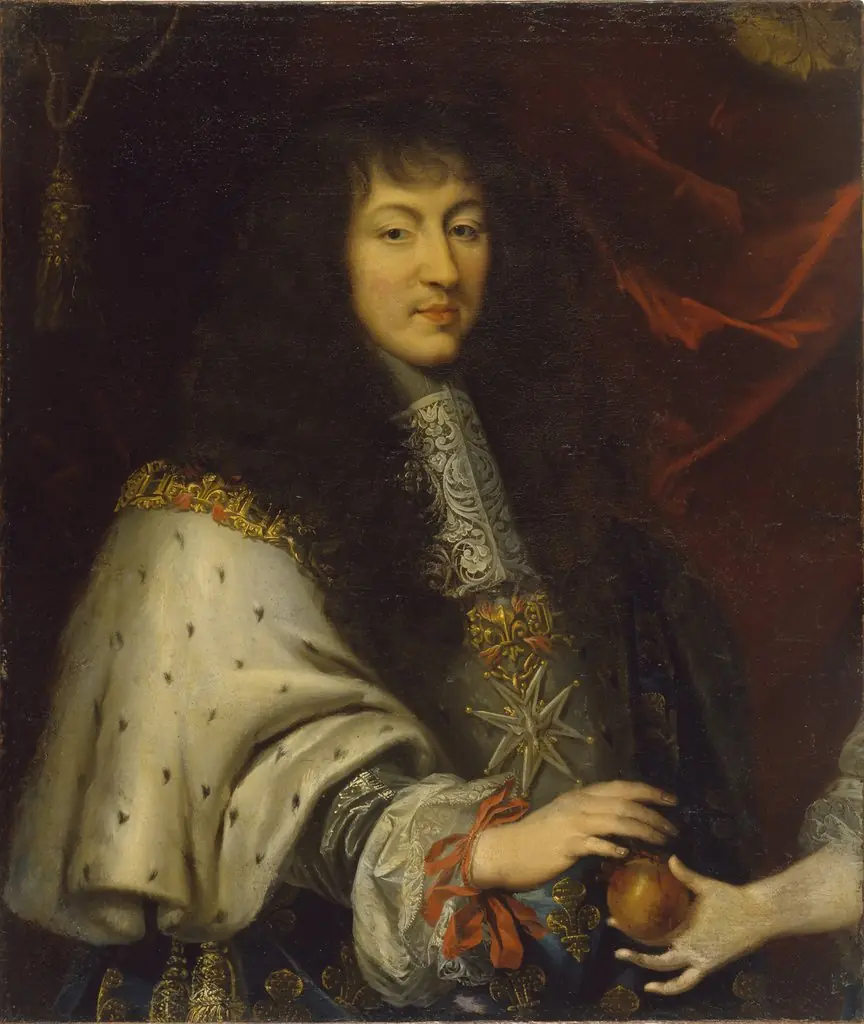
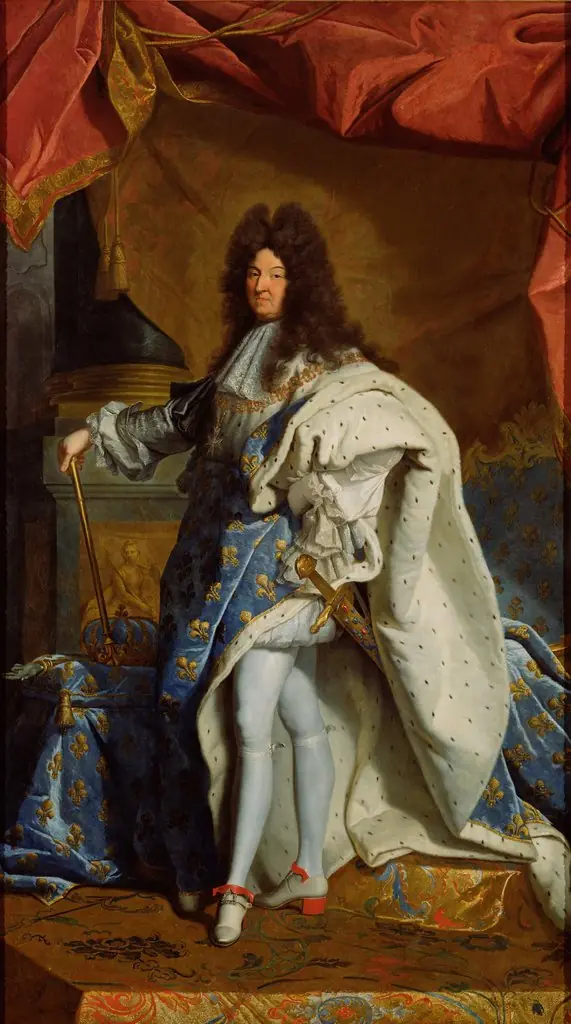
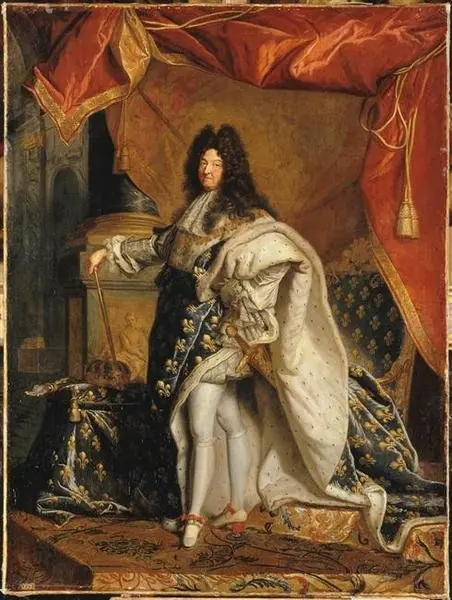
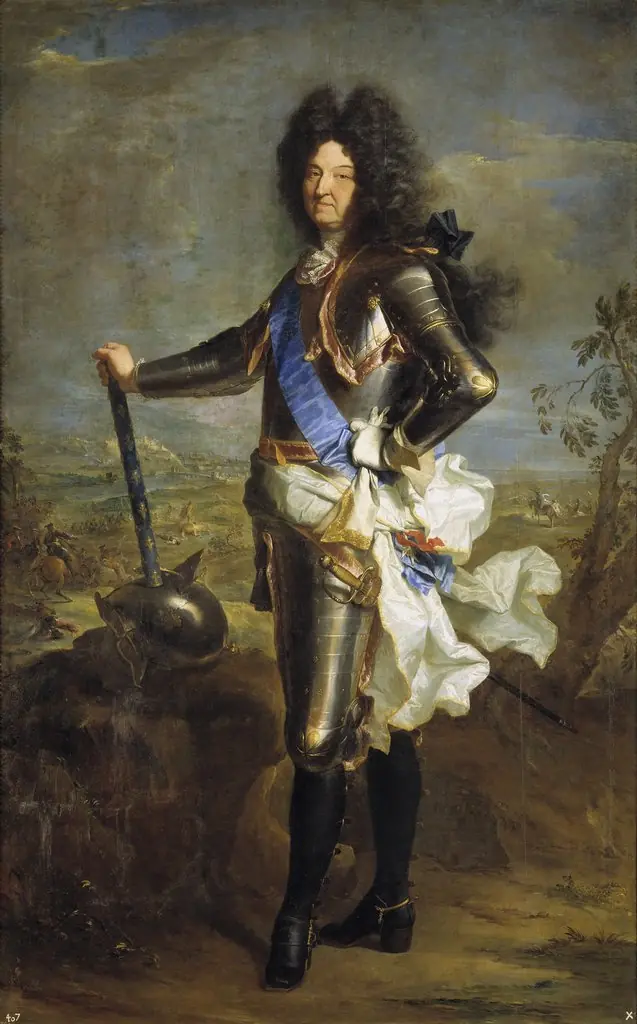
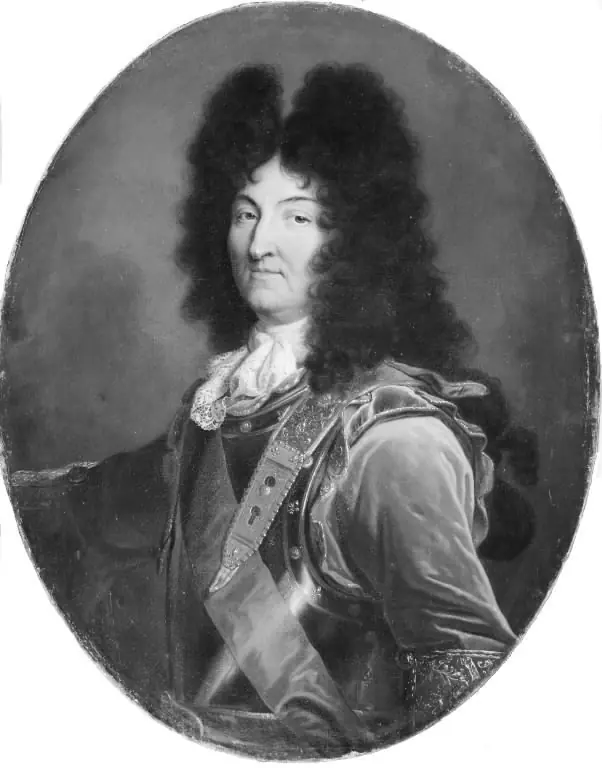
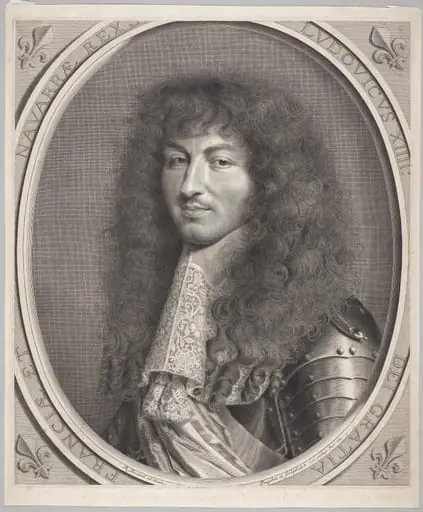
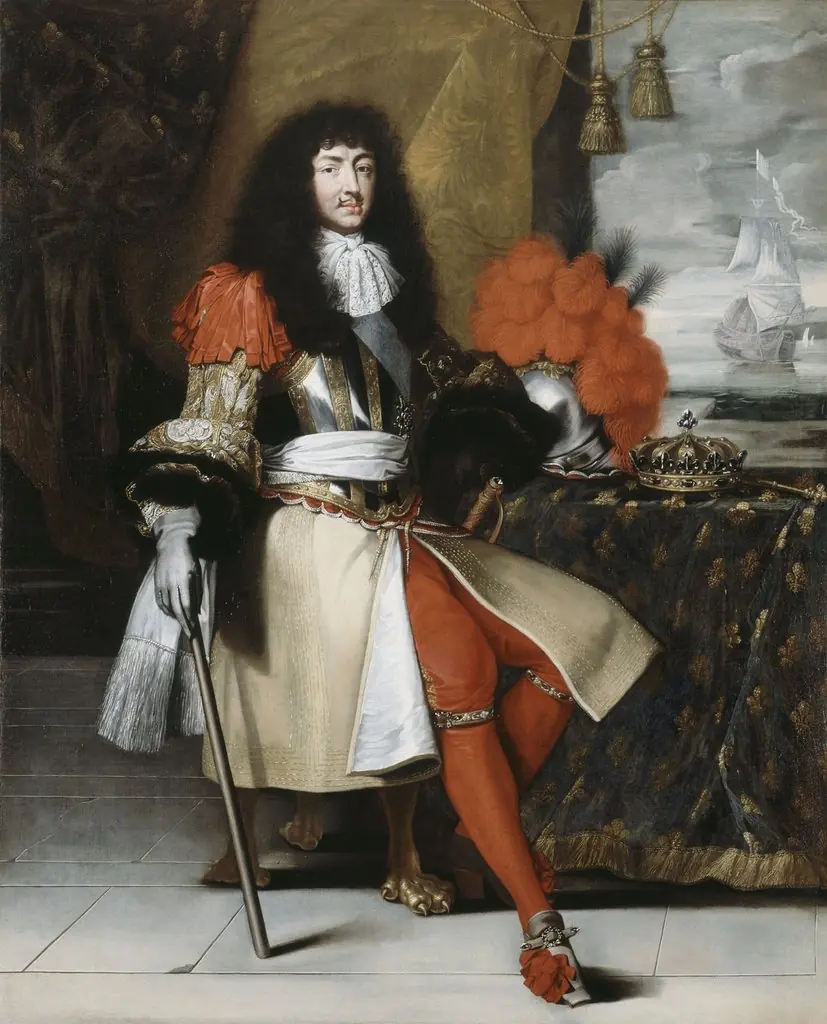
Portrait of Louis XIV of France (1638-1715) is an oil painting by the Rococo painting artist Philippe Vignon. It dates from 1700 and is held in the collection of the Museum of the History of France. This oil painting, dated around 1700, portrays Louis XIV, King of France, in full regalia.
About this work
Overview
The work is part of the royal collection at the Palace of Versailles, where it was likely displayed to reinforce the monarchy’s presence and authority.
This oil painting, dated around 1700, portrays Louis XIV, King of France, in full regalia. Attributed to Philippe Vignon, it was created during the later years of his reign. The work is part of the royal collection at the Palace of Versailles, where it was likely displayed to reinforce the monarchy’s presence and authority. The composition emphasizes formality and ceremonial bearing, consistent with courtly portraiture of the era.
Subject & Meaning
Louis XIV is depicted in a moment of controlled authority, his right arm extended with an open palm, suggesting both command and divine sanction. His elaborate blue and gold garments, white lace collar, and crimson cape are not merely decorative but symbols of royal status. The stone wall behind him, inscribed and austere, evokes permanence and institutional power, reinforcing the idea of the king as the embodiment of the state.
Technique & Style
The artist employs fine brushwork to render the textures of silk, lace, and velvet with precision, highlighting the luxury of the king’s attire. The dark background isolates the figure, directing focus to his form and garments. Subtle modeling of light enhances the three-dimensionality of the face and fabric, while the inscription on the stone wall adds a layer of symbolic weight, blending realism with allegorical intent.
History & Provenance
Painted near the end of Louis XIV’s reign, the portrait was likely commissioned for display within the Palace of Versailles, where imagery of the monarch was carefully curated. It remained in royal collections through subsequent regimes and was preserved as part of France’s national heritage. Its presence in Versailles underscores its role in the visual propaganda of absolutism during the late 17th and early 18th centuries.
Context
This portrait emerged during a period when French monarchy relied heavily on visual culture to project power. Louis XIV cultivated an image of divine right and centralized authority, and portraiture was a key tool in this effort. Similar works by court painters reinforced his likeness across Europe. The inclusion of architectural elements and formal gestures aligns with broader trends in royal iconography of the time.
Legacy
The portrait contributes to the enduring visual record of Louis XIV’s reign, reflecting how monarchy was communicated through art. While not as widely reproduced as some other royal images, it remains a significant example of courtly portraiture from the height of French absolutism. Its preservation in Versailles ensures its continued role in historical and artistic study of early modern European power structures.
Artist & collection